Iberdrola Convive Rural Awards Highlight Industrial Decarbonization and Community Energy
Iberdrola has named ten winners in the third Convive Rural Awards, highlighting how industrial decarbonization, electrification and community energy can reshape economic activity in rural areas. The 2026 awards recognise initiatives across six categories, extending the focus beyond renewable power generation to industrial technology, electricity networks, biodiversity and local development.
For chemical traders, procurement managers and industrial buyers, the development offers a useful signal about where energy-intensive industries are heading. The projects recognised by Iberdrola show that the energy transition increasingly affects manufacturing processes, infrastructure requirements, workforce development and the supply chains supporting electrification.
Iberdrola Convive Awards Put Industrial Decarbonization in Focus
The third edition of the awards took place on 30 September 2026 in Sigüenza, Guadalajara. Iberdrola recognised ten initiatives from public and private organisations that demonstrate different approaches to creating economic, environmental and social value in rural areas.
The awards cover six areas, creating a broad picture of how rural communities can participate in the energy transition:
Community leadership highlights local initiatives and cooperation between communities and energy projects.
Innovation with impact focuses on industrial and technological solutions connected with electrification and decarbonization.
Biodiversity conservation recognises projects linking energy infrastructure with environmental protection.
Young talent focuses on skills development and opportunities for younger people.
Communication and rural engagement recognises efforts that strengthen information and social cohesion.
Other recognised initiatives address local development and the wider economic impact of electrification.
This broader approach matters for industrial supply chains because decarbonization does not depend on electricity generation alone. It also requires equipment, materials, chemicals, engineering services and new production technologies.
Bayer Project Shows How Electrification Can Change Chemical Manufacturing
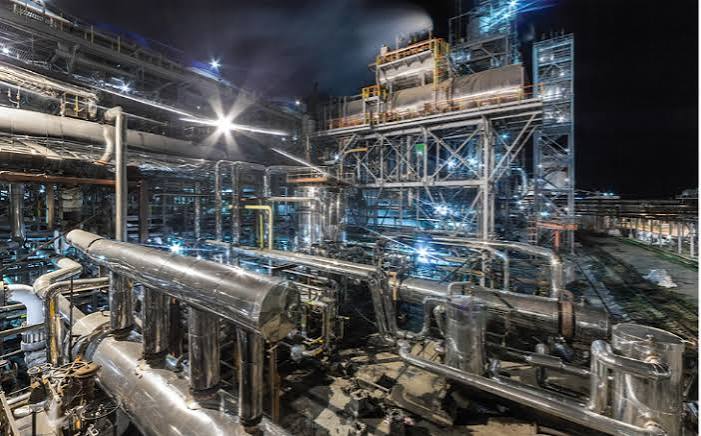
One of the strongest industrial signals from the awards comes from Bayer Spain and its project to decarbonize production of the active ingredient used in Aspirin in Asturias. Iberdrola says the project uses electrification to transform demanding industrial thermal processes and is designed to reduce process emissions to virtually zero.
The project is particularly relevant to chemical procurement because thermal energy plays a central role in many manufacturing operations. Moving away from fossil-fuel-based heat can change the energy profile of a facility while also influencing equipment selection, process design and operating costs.
Iberdrola reports that the Bayer initiative can avoid more than 10,000 tonnes of CO₂ emissions each year.
For chemical buyers, projects of this type can create demand for a different combination of industrial inputs. Electrical systems, process equipment, insulation materials, catalysts, specialty chemicals and maintenance products may all become part of modernization programmes.
The procurement impact can also extend beyond the plant itself. Suppliers may need to provide stronger documentation on energy performance, product footprint and manufacturing practices as industrial customers integrate sustainability requirements into purchasing decisions.
Community Energy Connects Rural Areas With Industrial Growth
Another major theme of the Convive awards is community participation. Silvia Gómez, chair of the La Costana neighbourhood association, received the Community Leadership Award for an initiative that transformed the arrival of wind power into a local energy community. Iberdrola says the initiative has helped cut electricity bills by half.
The town councils of Víllora and Enguídanos also received recognition for combining natural heritage conservation with sustainable local development in the Cabriel Valley Biosphere Reserve. Their work includes environmental restoration, sustainable tourism, environmental education and opportunities for rural communities.
For industrial companies, this type of local engagement can influence how new projects develop. Energy infrastructure often requires long-term relationships with municipalities, landowners, workers and local businesses.
A stronger local economic connection can also create opportunities for regional suppliers. Transport providers, construction companies, equipment suppliers, maintenance contractors and industrial distributors may all benefit when energy projects generate sustained economic activity rather than short construction cycles.
Electrification Creates New Industrial Supply Chain Requirements
The 2026 Convive Awards demonstrate that electrification is becoming a wider industrial transformation rather than a narrow energy-sector development. Iberdrola specifically described the recognised initiatives as extending into electricity networks, economic electrification and manufacturing products required for the energy transition.
That shift creates several implications for chemical and industrial procurement teams.
Demand diversification can become increasingly important as manufacturers adopt new technologies. A facility that previously depended heavily on fossil fuels may require different materials, coatings, insulation products, electrical components and specialty inputs after electrification.
Supplier qualification can also become more demanding. Procurement teams may evaluate not only price and technical specifications but also energy use, emissions data, traceability and environmental performance.
Local sourcing may receive greater attention when projects aim to generate employment and economic activity within rural regions. This can create opportunities for distributors and manufacturers that can maintain reliable regional inventories.
Long-term contracts may also become more relevant. Energy-transition projects often involve infrastructure with long operating lives, increasing the value of dependable suppliers that can provide consistent quality and technical support.
For chemical traders, this environment creates an opportunity to position products around industrial applications rather than simply commodity availability.
Biodiversity and Infrastructure Are Becoming Connected
The awards also demonstrate that renewable energy development increasingly operates alongside biodiversity objectives. The Basque Government received the Biodiversity Conservation Award for work linking electrification and renewable energy integration with regional development and environmental conservation.
The recognised initiative includes infrastructure modernization and efforts to restore landscapes and protect biodiversity in the Urdaibai Biosphere Reserve. This reflects a broader requirement for energy infrastructure to coexist with sensitive natural environments.
For industrial suppliers, environmental considerations can influence product selection throughout the project lifecycle. Construction materials, protective coatings, water-treatment chemicals, cleaning agents and maintenance products may all need to meet stricter environmental expectations.
This can favour suppliers that can provide clear technical documentation and consistent product quality. Buyers may increasingly require information that allows them to assess how materials fit into wider environmental management plans.
Rural Development Can Strengthen Industrial Investment
The Convive programme was created to highlight opportunities created by the energy transition for rural communities, including investment, employment, industrial activity, biodiversity and local prosperity.
That approach creates an important connection between energy infrastructure and regional supply chains. When renewable projects support local economic activity, rural areas can become more attractive locations for manufacturing, processing and supporting services.
The effect can extend into chemical distribution. New industrial activity can increase requirements for solvents, acids, alkalis, polymers, water-treatment chemicals and other inputs used across manufacturing and maintenance operations.
For traders, monitoring new industrial projects can therefore provide an early indication of potential regional demand. Tracking infrastructure investment, plant modernization and electrification programmes can complement conventional analysis of chemical consumption.
Skills and Rural Journalism Support the Wider Transition
The awards also recognise areas outside traditional industrial infrastructure. UNICEF received the Young Talent Award for work supporting vulnerable young people through education and training linked to decarbonization and electrification.
Rural journalism also forms part of the wider Convive framework. Iberdrola recognised newspapers including Diario Las Provincias and El Comercio for their role in communicating issues affecting rural communities and supporting social cohesion.
These categories demonstrate that energy transition projects require more than capital and technology. Skills, communication and community participation can influence how effectively new infrastructure becomes part of the local economy.
For companies operating in chemicals and related industries, this reinforces the importance of workforce development and technical knowledge. New industrial processes can require employees and suppliers to understand electrical systems, energy efficiency, emissions management and new production technologies.
What the Awards Mean for Chemical Procurement Teams
The Convive Rural Awards provide several practical signals for companies purchasing chemicals and industrial materials.
Procurement teams can monitor the following areas when assessing future demand:
Industrial electrification projects: New electrical process systems can change the materials and chemicals required by manufacturing facilities.
Plant decarbonization: Thermal process conversion can lead to equipment upgrades and new maintenance requirements.
Rural infrastructure investment: New energy infrastructure can stimulate demand for construction, treatment and industrial support products.
Environmental requirements: Biodiversity and sustainability considerations can influence approved product specifications.
Regional supplier development: Local economic objectives can increase opportunities for distributors with reliable regional supply.
Technical documentation: Buyers may increasingly request information on product composition, environmental performance and supply-chain traceability.
The key point is that energy-transition investment can create indirect chemical demand even when a project does not directly involve chemical production.
The Bottom Line for Procurement Teams
Iberdrola's third Convive Rural Awards show how the energy transition is expanding into industrial manufacturing, community energy, biodiversity, skills and regional development. Ten initiatives across six categories received recognition, with projects ranging from industrial decarbonization to local energy communities and environmental conservation.
For chemical traders and industrial buyers, the most important signal is the growing connection between electrification and manufacturing transformation. As companies redesign thermal processes, modernize infrastructure and develop new industrial models, procurement requirements can shift with them.
Bayer's Asturias project provides a direct example of how electrification can affect a chemical manufacturing process, while the community and biodiversity projects show how energy infrastructure can influence wider regional economies. Together, these developments point toward a market where energy strategy, industrial procurement and local economic development increasingly intersect.
Ammonia Anhydrous
Found this useful?