Global oil supply recovered by 4.1 million barrels a day in June, but the improvement masks a significant regional imbalance. According to the IEA's July report, Gulf refined product and LPG exports remained below half of pre-war levels, placing the region's downstream recovery well behind the broader rebound in global oil supply.
For chemical traders, procurement managers and industrial buyers, this gap matters because crude oil availability represents only one layer of the energy and petrochemical supply chain. Refined products and liquefied petroleum gas, or LPG, connect directly and indirectly with transportation, industrial energy and chemical feedstocks. A strong headline recovery in global oil production can therefore coexist with persistent pressure in specific chemical value chains when Gulf export flows remain constrained.
Why the 4.1 Million Barrel Recovery Does Not Tell the Whole Story
A recovery of 4.1 million barrels a day represents a substantial improvement in global oil supply. Viewed in isolation, the figure could suggest that the market has moved rapidly toward normalisation.
The Gulf export picture tells a different story. Refined product and LPG shipments remaining below half of pre-war levels indicate that downstream and regional trade flows have not recovered at the same pace as overall supply.
This distinction is critical for industrial procurement. Crude production can recover without immediately restoring refinery output, processing operations, export logistics or shipping availability.
Chemical markets often depend on these downstream links. Buyers therefore need to look beyond headline crude supply figures when assessing availability and pricing risk.
A market with adequate global crude supply can still experience regional shortages or elevated costs for specific refined products and feedstocks. The location and form of recovered supply matter almost as much as the total volume.
Why Gulf Refined Product Exports Matter to Chemical Buyers
The Gulf plays a major role in international energy and petrochemical trade. Its refining and export infrastructure connects regional production with buyers across Asia, Africa, Europe and other markets.
When refined product exports remain significantly below previous levels, the effects can spread through industrial supply chains.
Several channels deserve attention:
Industrial fuel availability: Lower export volumes can affect regional supply balances for fuels used across manufacturing and transportation.
Feedstock economics: Changes in refined product markets can influence the relative value of hydrocarbon streams used in chemical production.
Freight costs: Disrupted or reduced trade flows can alter vessel availability and shipping economics.
Regional pricing: Import-dependent markets may experience different price conditions from regions with stronger domestic supply.
Supplier behaviour: Producers facing uncertain replacement costs may shorten quotation validity or adjust commercial terms.
Chemical procurement teams should therefore monitor Gulf export recovery separately from global crude supply. Treating the two indicators as interchangeable can hide important sourcing risks.
LPG Exports Create a Direct Petrochemical Link
The continued weakness in Gulf LPG exports carries particular relevance for petrochemical markets. LPG streams can serve as both energy sources and important inputs within broader chemical value chains.
Propane and butane economics influence petrochemical production decisions in markets where crackers and other facilities can process different feedstocks. Changes in LPG availability can therefore affect relative production costs and operating choices.
If Gulf LPG exports remain below half of pre-war levels, international buyers may need to compete for alternative cargoes. The resulting trade shifts can influence freight distances, delivered costs and regional price relationships.
The effect will not spread equally across every chemical. Exposure depends on the feedstock structure of individual producers and regions.
For procurement teams, the important task involves mapping supplier dependence. Buyers should understand whether their chemical suppliers rely directly on LPG-linked feedstocks or face indirect exposure through regional energy and petrochemical markets.
The Recovery Gap Creates a Two-Speed Oil Market
The difference between global supply recovery and Gulf export performance creates what procurement teams can treat as a two-speed market.
At the global level, an additional 4.1 million barrels a day provides evidence of substantial supply restoration. At the regional level, Gulf refined product and LPG exports remaining below half of pre-war volumes indicate continued constraints.
These conditions can produce conflicting price signals. Crude benchmarks may respond to improving global supply while individual refined products or petrochemical feedstocks remain supported by tighter regional availability.
For chemical buyers, this creates a risk when using crude oil prices as the primary indicator for procurement decisions.
A declining or stable crude benchmark does not guarantee lower costs throughout the chemical chain. Regional feedstock shortages, freight premiums and constrained export capacity can maintain upward pressure on delivered chemical prices.
Traders should therefore compare global benchmarks with regional physical market conditions. This approach can reveal supply stress that broader oil indicators fail to capture.
How Uneven Recovery Can Reshape Trade Flows
When a major exporting region operates below normal levels, international trade patterns adjust. Buyers seek alternative origins while suppliers redirect available cargoes toward markets offering stronger returns.
These shifts can increase voyage distances. A buyer that previously sourced from a nearby Gulf producer may need to import from a more distant market, adding freight costs and extending lead times.
Longer supply chains also create greater inventory requirements. Procurement teams may need additional stock coverage when transit times increase or delivery schedules become less predictable.
Chemical traders can experience similar changes. Products manufactured outside the Gulf may become more competitive in markets previously dominated by regional suppliers, particularly when freight and availability alter traditional price relationships.
However, alternative sourcing introduces its own considerations. Product specifications, packaging, documentation and customer approval requirements can limit the speed at which buyers switch suppliers.
Companies that already maintain qualified sources across multiple regions will generally have greater flexibility when established trade flows face disruption.
What the Gulf Lag Means for Chemical Pricing
The pricing impact of the Gulf's slower recovery depends on the specific chemical and its connection to regional feedstocks.
Products with strong hydrocarbon links may experience more direct exposure. Solvents, polymers and petrochemical intermediates can respond to changing feedstock availability and producer economics.
Other chemical categories may feel the impact mainly through energy and logistics. Higher fuel costs or longer shipping routes can raise delivered prices even when factory-gate values remain relatively stable.
This makes price analysis more complicated. Procurement teams need to separate three major components: product fundamentals, energy and feedstock costs and logistics.
A supplier price increase driven by freight may reverse quickly if shipping conditions improve. An increase caused by persistent feedstock shortages may prove more durable.
Understanding the source of price pressure can help buyers decide whether to secure additional volumes, negotiate shorter contracts or wait for market conditions to improve.
The 4.1 million barrel-a-day recovery demonstrates how quickly headline global supply can rebound. Downstream trade, however, can take longer to normalise.
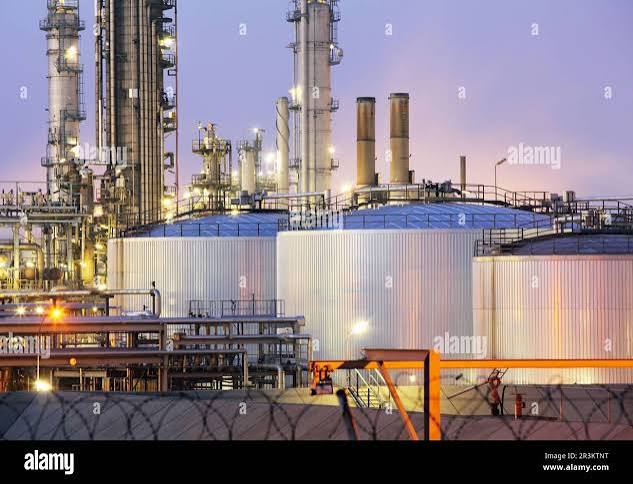
Refineries and export terminals operate through complex infrastructure. Even when upstream supply improves, downstream facilities and logistics networks may face separate constraints.
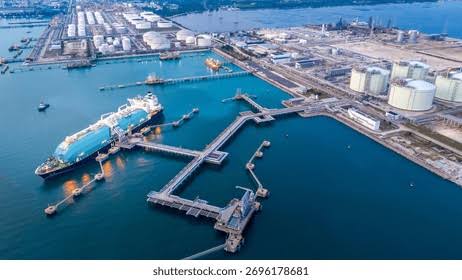
Shipping conditions can add another delay. Tanker availability, insurance requirements and changing trade routes can affect how quickly recovered production reaches international buyers.
For chemical markets, these timing differences matter because procurement operates on physical availability rather than headline production alone.
A buyer cannot benefit from higher global supply if the required feedstock or finished chemical remains unavailable in the relevant region.
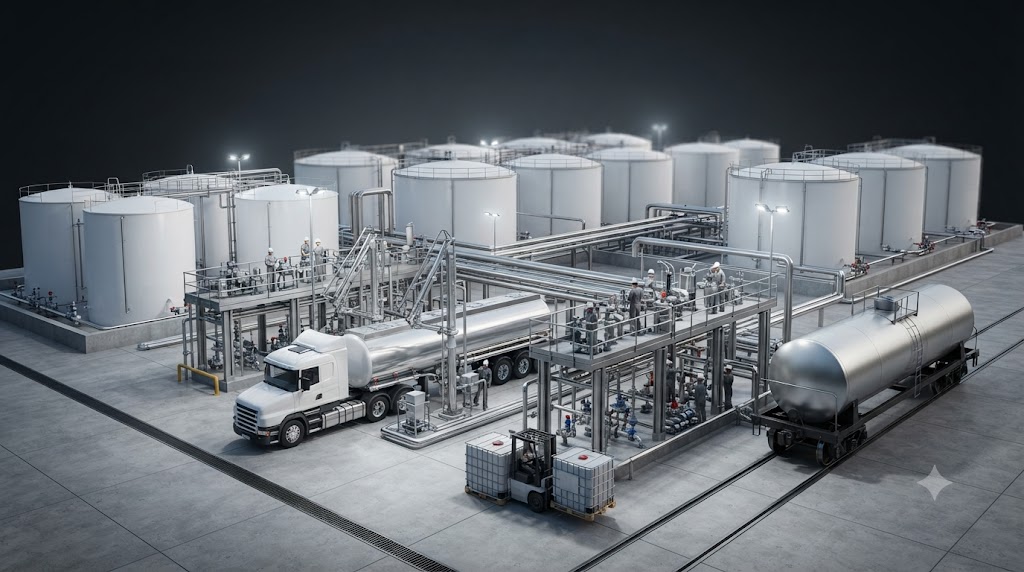
The Gulf recovery gap therefore highlights the importance of monitoring the entire supply chain. Production, processing, storage, export capacity and transportation all contribute to the final availability of industrial materials.
What Chemical Traders Should Monitor Next
The next major signal will come from the pace at which Gulf refined product and LPG exports recover relative to global oil supply.
If export volumes begin moving rapidly toward pre-war levels, pressure on regional energy and petrochemical markets could ease. Greater availability could also restore traditional trade routes and reduce the need for more expensive alternative sourcing.
If the gap persists, however, chemical buyers may continue facing regional price premiums even as broader oil supply conditions improve.
Procurement teams should monitor several indicators closely:
Gulf refinery operating activity and export availability
LPG cargo flows and regional pricing
Petrochemical producer operating rates
Tanker freight and insurance costs
Supplier quotation validity periods
Delivery lead times from Gulf producers
Availability of alternative supply origins
Together, these indicators can provide a more complete picture than global oil production figures alone.
What Procurement Teams Should Take From the IEA July Signal
The IEA's July report presents a clear contrast. Global oil supply recovered 4.1 million barrels a day in June, yet Gulf refined product and LPG exports remained below half of pre-war levels.
For chemical procurement teams, the divergence reinforces the importance of analysing supply at multiple levels. A global recovery can reduce broad market pressure while regional constraints continue affecting specific feedstocks, products and shipping routes.
Buyers with exposure to Gulf supply should review inventory coverage and alternative sourcing options. They should also assess whether suppliers depend on regional LPG or refined product markets, even when finished chemicals originate elsewhere.
Chemical traders should avoid interpreting stronger global oil supply as evidence that all related markets have normalised. The slower Gulf recovery creates the potential for continued regional volatility and uneven pricing.
The strongest procurement strategies will combine global market intelligence with product-specific and regional analysis. Until Gulf refined product and LPG exports recover more substantially, buyers should remain prepared for a two-speed market where improving headline oil supply coexists with persistent downstream constraints.
Ready to source propylene oxide from verified global suppliers? Explore competitive offers on our platform today.