

Article
Jun 12, 2026schedule5 Min Read
Polybutadiene Rubber (BR): Golf Ball Cores to High-Performance Tires
Polybutadiene rubber is produced from butadiene via Ziegler-Natta or neodymium catalysis.
Full Reportarrow_forward

prodchem
Jun 12, 2026
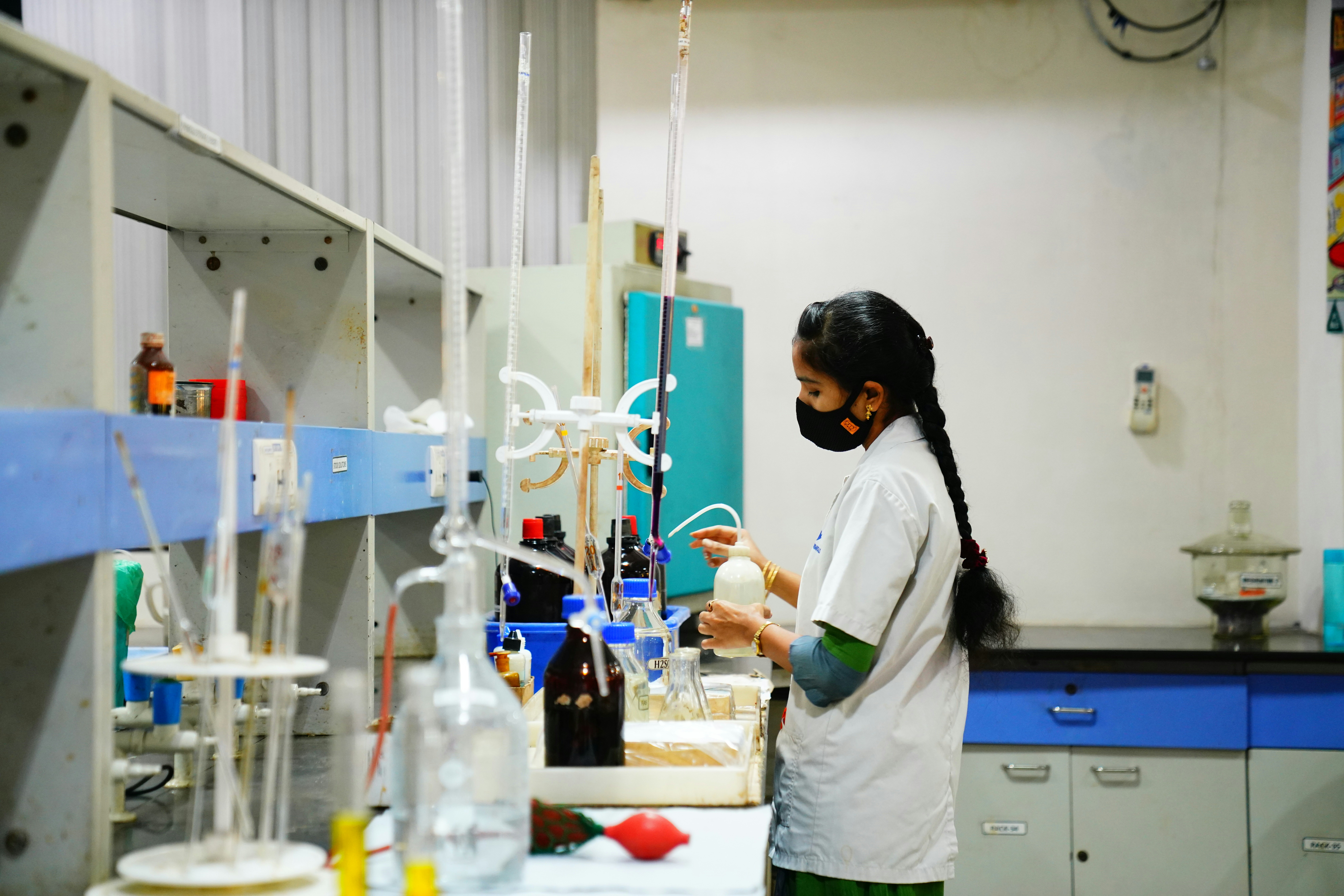
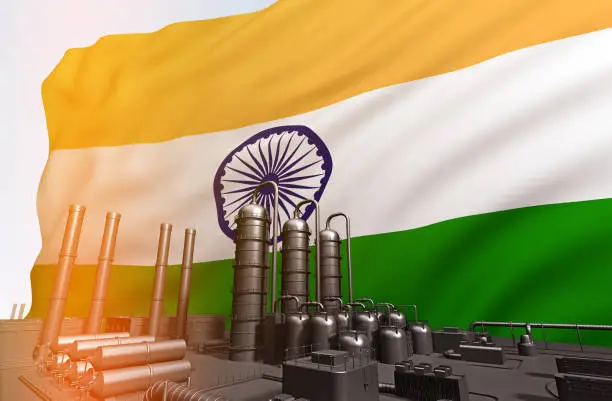
June 2026 marks a critical period for India's chemical and petrochemical industry. A combination of policy changes, supply chain disruptions, shifting trade flows, and evolving global demand patterns is creating both challenges and opportunities for manufacturers, traders, and downstream industries.
Three developments are particularly shaping market sentiment:
The expiration of key import duty relief measures on select chemical and petrochemical products.
Ongoing polypropylene (PP) supply concerns and pricing volatility.
Emerging export opportunities as global buyers diversify supply chains beyond traditional manufacturing hubs.
Together, these factors are positioning India's chemical sector at a strategic crossroads. The decisions made by producers, traders, and policymakers during this period could significantly influence market competitiveness through the remainder of 2026 and beyond.
India has steadily strengthened its position as one of the world's fastest-growing chemical manufacturing hubs.
The country benefits from:
A large domestic market
Expanding industrialization
Competitive labor costs
Growing downstream manufacturing
Government support for domestic production
Today, India is a major producer and consumer of:
Specialty chemicals
Agrochemicals
Petrochemicals
Pharmaceuticals
Dyes and pigments
Performance materials
As multinational companies seek supply chain diversification, India's role in global chemical trade continues to expand.
One of the most closely watched developments in June is the conclusion of temporary duty relief measures that had helped stabilize supplies and reduce import costs for certain products.
Duty waivers were originally designed to:
Improve domestic supply availability
Control inflationary pressures
Support downstream manufacturing sectors
Offset global supply disruptions
These measures provided cost advantages for importers and downstream processors during periods of elevated international prices.
As duty benefits expire, several market effects may emerge:
Higher landed costs for imported materials
Increased procurement expenses for converters
Potential upward pressure on domestic prices
Margin challenges for small and medium-sized manufacturers
Import-dependent industries may face greater exposure to global market volatility in the second half of 2026.
Polypropylene remains one of the most important polymers in India's manufacturing sector.
Used extensively in:
Packaging
Automotive components
Consumer goods
Medical products
Household applications
Industrial products
PP demand continues to grow alongside economic development and rising consumption.
Several factors are contributing to market uncertainty:
Planned maintenance turnarounds and operational disruptions at regional production facilities have periodically reduced material availability.
Packaging, food processing, healthcare, and consumer goods sectors continue to consume increasing volumes of polypropylene.
Fluctuations in propylene prices directly affect PP production economics and market pricing.
Changes in import duties and freight costs can influence supply availability and pricing dynamics.
Manufacturers dependent on PP are increasingly focused on:
Inventory management
Alternative sourcing strategies
Contract procurement arrangements
Cost pass-through mechanisms
Market participants continue to closely monitor domestic supply conditions and import opportunities.
While domestic challenges exist, India's export outlook remains increasingly attractive.
Many international buyers are actively seeking alternatives to concentrated sourcing regions.
India offers several advantages:
Established manufacturing expertise
Competitive production costs
Growing capacity investments
Strong engineering capabilities
Expanding export infrastructure
This trend is opening opportunities across multiple chemical segments.
India has become a preferred supplier for numerous specialty chemical categories, including:
Agrochemical intermediates
Performance additives
Custom synthesis products
Pharmaceutical intermediates
Dyes and pigments
Global customers increasingly value supply chain resilience and supplier diversification.
Many multinational companies continue implementing "China Plus One" procurement strategies.
This approach supports:
Risk diversification
Supply security
Geographic balance
Reduced dependency on single-country sourcing
India remains one of the primary beneficiaries of this trend.
Several sectors appear particularly well-positioned for export expansion.
Higher-value products continue to attract global demand due to technical expertise and manufacturing capabilities.
Growing agricultural productivity requirements worldwide support long-term demand.
India's established pharmaceutical ecosystem provides a strong foundation for export growth.
Advanced materials used in automotive, electronics, coatings, and industrial applications offer attractive opportunities.
Global customers increasingly seek environmentally responsible products and production processes.
To capitalize on future opportunities, Indian chemical companies continue investing in:
Capacity expansions
Backward integration
Process automation
Sustainability initiatives
Export infrastructure
Research and development
These investments are helping strengthen the country's competitiveness in global markets.
Environmental performance is becoming a key differentiator in international trade.
Indian manufacturers are increasingly focusing on:
Energy efficiency
Emission reduction
Water conservation
Circular economy initiatives
ESG compliance programs
Companies that align with evolving global sustainability standards may gain a competitive advantage in export markets.
The remainder of 2026 is expected to present a mixed but promising outlook.
Positive drivers include:
Strong domestic demand growth
Export market expansion
Supply chain diversification trends
Industrial development
Infrastructure investments
Challenges include:
Raw material price volatility
Import cost increases
Competitive global markets
Regulatory compliance requirements
Success will depend on operational efficiency, strategic sourcing, and the ability to respond quickly to changing market conditions.
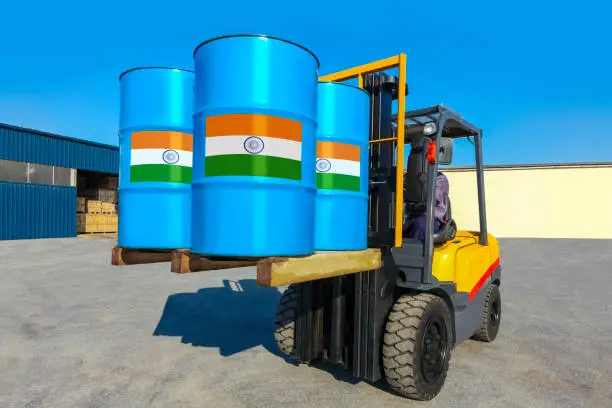
June 2026 represents a pivotal moment for India's chemical industry. The end of duty waivers, ongoing polypropylene market pressures, and expanding export opportunities are collectively reshaping the competitive landscape.
While higher input costs and supply uncertainties create short-term challenges, India's growing role in global manufacturing and chemical supply chains presents significant long-term potential. Companies that successfully navigate procurement risks, invest in operational excellence, and leverage emerging export opportunities will be well positioned to benefit from the next phase of industry growth.
As global supply chains continue to evolve, India is increasingly transitioning from a large domestic market to a strategically important international chemical manufacturing hub.
Featured Product
Found this useful?
Continue Reading
Polybutadiene rubber is produced from butadiene via Ziegler-Natta or neodymium catalysis.

Unlike crude oil or metals most chemical prices are bilateral and opaque.

N-Methyl-2-Pyrrolidone (NMP) has become a linchpin in lithium‑ion battery manufacturing, propelling its market growth amid the EV boom. This article dives into supply dynamics, pricing trends, and regulatory challenges shaping the NMP battery grade landscape.