India's PCPIR Zones Include Dedicated Agrochemical Manufacturing Clusters
India's PCPIR Zones Include Dedicated Agrochemical Manufacturing Clusters
Introduction
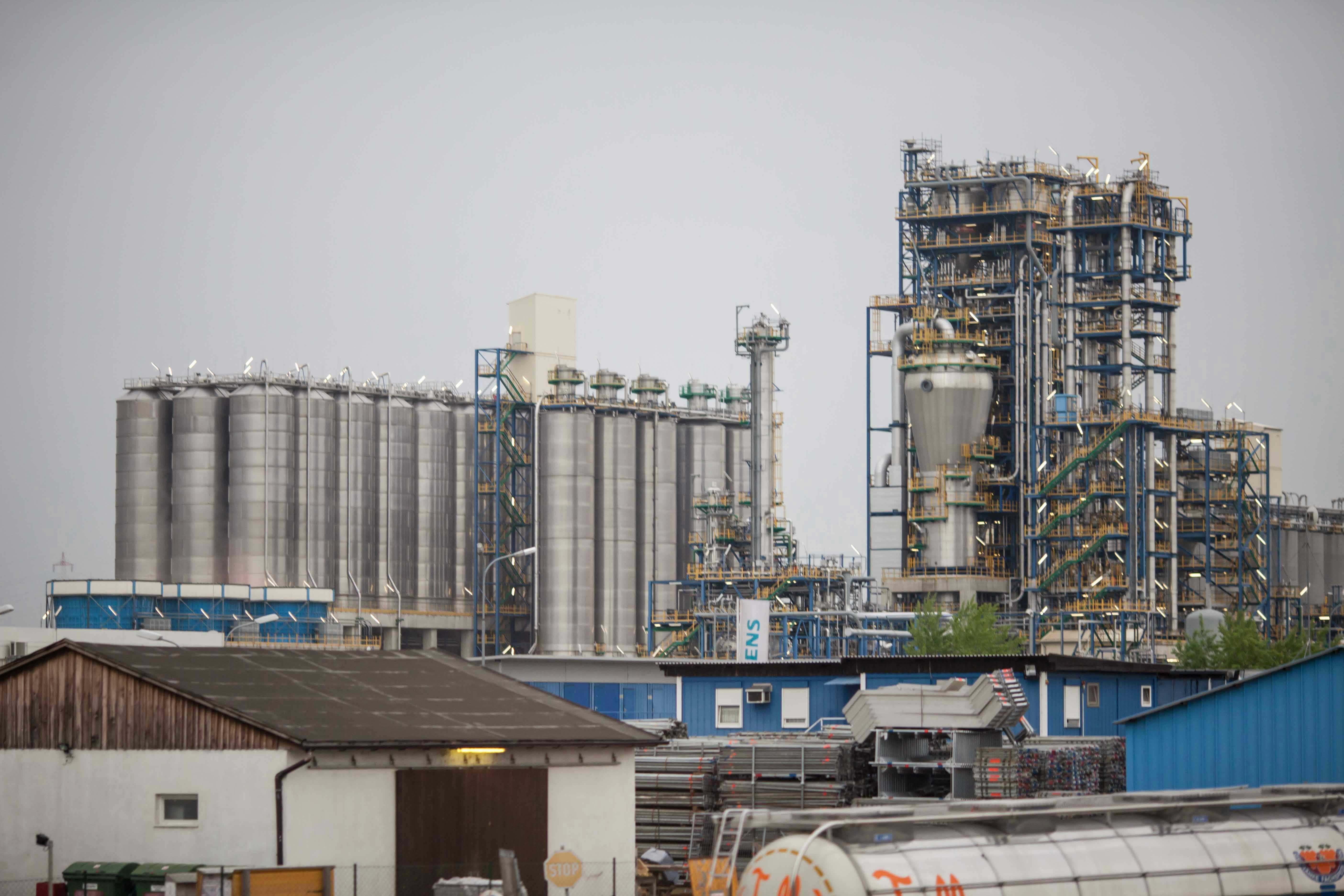
India's Petroleum, Chemicals and Petrochemical Investment Regions (PCPIRs) are strengthening the country's cluster-based chemical manufacturing ecosystem, with agrochemicals forming an important downstream segment within these integrated industrial zones.
PCPIRs are designed to bring large-scale chemical and petrochemical production, utilities, logistics, environmental infrastructure, and downstream manufacturing into coordinated industrial regions. The Government of India currently identifies three PCPIRs at Dahej in Gujarat, Visakhapatnam–Kakinada in Andhra Pradesh, and Paradeep in Odisha.
PCPIR Model Supports Integrated Chemical Manufacturing
The PCPIR policy was introduced to attract major investment into India's petroleum, chemical, and petrochemical industries through a cluster-based approach.
These regions are designed around shared infrastructure and support services, including:
Chemical and petrochemical manufacturing facilities
Common utilities
Logistics and transportation infrastructure
Storage facilities
Environmental protection systems
Waste-management infrastructure
Downstream and ancillary industries
The objective is to create an industrial ecosystem in which anchor projects can support the development of downstream manufacturers and related businesses.
Agrochemicals Benefit From Downstream Clustering
Agrochemical manufacturing can benefit from this structure because many crop-protection products depend on a broad network of chemical intermediates, solvents, active ingredients, formulations, and packaging materials.
Co-location within large chemical clusters can improve access to feedstocks and supporting infrastructure while creating opportunities for manufacturers to establish production facilities closer to upstream chemical suppliers.
This can be particularly relevant for India's efforts to strengthen domestic production of agricultural inputs and reduce exposure to imported chemical intermediates.
Dahej Emerges as a Major Chemical Manufacturing Hub
Among India's PCPIRs, Dahej in Gujarat has developed into an important chemical and petrochemical manufacturing location.
The Department of Chemicals and Petrochemicals reports that the Dahej PCPIR covers approximately 453 square kilometres, with a processing area of around 230 square kilometres. Its anchor project, ONGC Petro additions Limited's petrochemical complex, was commissioned in 2017.
The concentration of petrochemical and chemical activities creates an ecosystem that can support downstream industries, including specialty chemicals and agrochemical-related manufacturing.
Visakhapatnam–Kakinada and Paradeep Expand Regional Capacity
The other major PCPIRs are located along important industrial and coastal corridors.
The Visakhapatnam–Kakinada PCPIR in Andhra Pradesh covers approximately 640 square kilometres, while the Paradeep PCPIR in Odisha covers about 284 square kilometres according to the Department of Chemicals and Petrochemicals.
Their coastal locations provide potential advantages for companies dependent on imported feedstocks or export-oriented supply chains. Port connectivity can help chemical manufacturers manage inbound raw materials and outbound shipments more efficiently.
Shared Infrastructure Can Improve Manufacturing Economics
One of the main advantages of cluster-based manufacturing is the ability to share infrastructure rather than developing every supporting facility independently.
For agrochemical manufacturers, this can potentially reduce the cost and complexity associated with:
Raw-material handling
Storage
Utilities
Waste treatment
Transportation
Environmental management
Industrial safety systems
Integrated infrastructure can also make it easier for new manufacturers to connect with existing chemical suppliers and downstream customers.
Supporting India's Agrochemical Supply Chain
India has a significant agricultural sector and a large domestic market for crop-protection products. A stronger domestic chemical manufacturing base could help improve the availability of intermediates and other inputs required by agrochemical producers.
The cluster model also supports backward and forward integration. Upstream petrochemical and chemical producers can supply intermediates to downstream manufacturers, while agrochemical companies can develop formulations and finished products closer to their raw-material sources.
This can contribute to a more integrated domestic value chain.
Import Dependence Remains an Important Consideration
Although PCPIRs can strengthen domestic manufacturing, India's chemical and agrochemical industries remain connected to international supply chains.
Manufacturers may continue to source certain active ingredients, intermediates, specialty chemicals, and other inputs from overseas suppliers depending on cost, technology, availability, and production capacity.
Developing larger domestic chemical clusters could therefore complement rather than immediately replace international sourcing. Over time, increased local capacity could provide Indian manufacturers with additional sourcing options and reduce vulnerability to disruptions in individual overseas markets.
Environmental and Regulatory Infrastructure
Chemical manufacturing clusters also create an opportunity to manage environmental risks through shared infrastructure.
The PCPIR model explicitly incorporates environmental protection mechanisms and common services alongside production facilities.
For agrochemical manufacturers, effective waste treatment, emissions management, water management, and industrial safety systems are increasingly important as regulatory expectations become more demanding.
Integrated environmental infrastructure can therefore become a competitive advantage for well-developed chemical clusters.
Implications for Agrochemical Companies
The expansion of chemical manufacturing clusters could influence how agrochemical companies evaluate future manufacturing and sourcing strategies.
Companies may increasingly consider factors such as:
Availability of chemical intermediates
Proximity to feedstock suppliers
Port connectivity
Infrastructure quality
Environmental compliance
Production costs
Access to skilled labour
Opportunities for supplier clustering
Export logistics
For new projects, locating within an established chemical ecosystem can provide advantages that may be difficult to replicate through standalone manufacturing facilities.
Broader Impact on India's Chemical Industry
PCPIRs form part of India's wider strategy to develop chemical manufacturing through industrial clusters. Recent government initiatives have also expanded this approach, including the Union Budget 2026–27 proposal to support three dedicated Chemical Parks with ₹600 crore of budgetary allocation.
Together, PCPIRs and newer chemical-park initiatives indicate a broader policy direction toward integrated infrastructure, domestic manufacturing, supply-chain resilience, and greater participation in global chemical value chains.
Looking Ahead
India's PCPIRs are likely to remain important platforms for chemical and petrochemical investment as the country seeks to expand domestic manufacturing capabilities.
For the agrochemical industry, the greatest opportunity lies in strengthening connections between upstream chemical producers, intermediate manufacturers, active-ingredient producers, formulation companies, logistics providers, and agricultural markets.
If these clusters continue to attract investment and improve infrastructure, they could support greater domestic integration of India's agrochemical supply chain while creating additional opportunities for exports.
Conclusion
India's PCPIR zones provide an integrated foundation for large-scale chemical manufacturing and downstream industrial development. Their shared infrastructure, logistics connectivity, environmental systems, and concentration of chemical producers can create favorable conditions for agrochemical manufacturing and related industries.
As India continues investing in chemical parks and cluster-based manufacturing, PCPIRs could play an increasingly important role in strengthening domestic agrochemical supply chains, reducing selected import dependencies, and improving the country's competitiveness in global chemical markets.

Bentonite
Found this useful?