India's PCPIRs Have Generated 2,246 Chemical Manufacturing Units and 3.7 Lakh Jobs
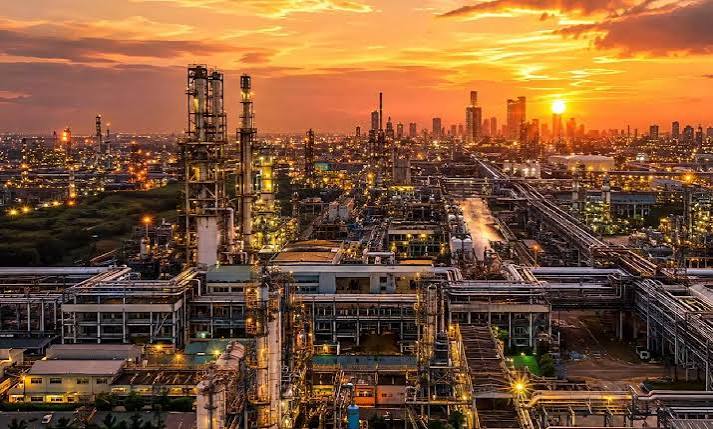
India's Petroleum, Chemicals and Petrochemicals Investment Regions (PCPIRs) are emerging as an important pillar of the country's strategy to expand domestic chemical manufacturing and attract large-scale industrial investment. Across the three operational PCPIRs, more than 2,246 chemical manufacturing units have been established, generating approximately 3.7 lakh jobs.
The figures highlight how India's chemical development is increasingly being driven not only by individual companies but also by large, integrated industrial clusters designed to connect feedstocks, manufacturing, infrastructure, logistics and downstream industries.
For chemical traders, importers and procurement managers, the growth of these regions is significant because expanding manufacturing capacity can gradually reshape India's sourcing requirements, import dependence and position in global chemical supply chains.
What Are India's PCPIRs?
PCPIRs were created to develop large-scale investment hubs focused on the petroleum, chemicals and petrochemicals industries.
The concept is built around creating integrated industrial ecosystems rather than isolated manufacturing facilities.
These regions can bring together:
Petrochemical producers
Chemical manufacturers
Polymer companies
Downstream processors
Logistics providers
Storage facilities
Utilities
Supporting industrial services
The objective is to create an environment where companies can access feedstocks, infrastructure and downstream customers within the same broader industrial ecosystem.
Three Regions Form the Core of the Program
India's PCPIR framework currently covers three major investment regions:
Dahej in Gujarat
Visakhapatnam–Kakinada in Andhra Pradesh
Paradip in Odisha
Each region has a different industrial profile and geographic advantage.
Together, they provide a platform for expanding India's domestic chemical and petrochemical manufacturing base.
2,246 Manufacturing Units Signal Expanding Industrial Depth
The establishment of more than 2,246 manufacturing units represents an important indicator of the scale achieved through the PCPIR framework.
The significance goes beyond the number itself.
A large concentration of chemical manufacturing units can create stronger connections between:
Feedstock → Chemical production → Intermediate manufacturing → Downstream products
This type of integration can reduce logistics requirements and create new opportunities for companies producing higher-value chemical products.
For buyers, it can also increase the number of potential domestic suppliers across selected product categories.
3.7 Lakh Jobs Show the Broader Economic Impact
The reported creation of approximately 3.7 lakh jobs demonstrates that chemical investment generates economic activity beyond manufacturing plants themselves.
Chemical clusters require workers across:
Manufacturing
Engineering
Maintenance
Logistics
Warehousing
Quality control
Laboratory operations
Safety
Industrial services
Additional employment can also emerge indirectly through transportation companies, equipment suppliers, construction contractors and other supporting industries.
This makes PCPIR development both an industrial and regional economic strategy.
Dahej: A Major Chemical Manufacturing Hub
Gujarat's Dahej PCPIR has developed around one of India's most important chemical and petrochemical clusters.
Its location provides access to ports, industrial infrastructure and established chemical manufacturing networks.
This creates advantages for companies involved in:
Petrochemicals
Polymers
Specialty chemicals
Chemical intermediates
Export-oriented manufacturing
For international traders, Dahej's connectivity can also make it relevant to regional import and export flows.
Visakhapatnam–Kakinada: Eastern India's Chemical Opportunity
The Visakhapatnam–Kakinada PCPIR provides another major platform for chemical investment.
Its location on India's eastern coast provides access to maritime logistics while connecting industrial production with domestic and regional markets.
The region's development can strengthen India's eastern chemical manufacturing network and potentially create new sourcing opportunities for buyers operating in South and Southeast Asian markets.
Paradip: Feedstock and Port Advantages
Odisha's Paradip PCPIR benefits from its proximity to major port infrastructure and petroleum-related industrial activity.
Access to imported and domestic feedstocks can be particularly important for large-scale chemical production.
As infrastructure and downstream capacity develop, Paradip could support a wider ecosystem of:
Petrochemicals → Polymers → Chemical intermediates → Finished products
This type of integration can strengthen India's position in regional chemical supply chains.
Why Manufacturing Clusters Matter for Chemical Buyers
Chemical procurement is heavily influenced by logistics and supplier concentration.
A buyer sourcing from isolated facilities may face greater transportation complexity than one purchasing from a well-developed industrial cluster.
PCPIRs can potentially offer:
More supplier options
Better infrastructure
Port access
Integrated utilities
Shorter supply routes
Industrial-scale warehousing
Easier supplier qualification
For procurement managers, this can make industrial clusters strategically valuable sourcing locations.
PCPIR Growth Could Reduce Import Dependence
India remains a major chemical-consuming market and imports a wide range of raw materials, intermediates and finished chemical products.
Expanding domestic manufacturing capacity could gradually reduce dependence on overseas suppliers for selected products.
However, the effect will vary by chemical category.
Commodity products with established domestic feedstock advantages may see faster localization, while highly specialized products can continue to rely on imports.
The Export Opportunity Is Equally Important
PCPIR development is not only about replacing imports.
India also aims to become a larger exporter of chemicals and petrochemical products.
Large integrated clusters can support exports by combining:
Competitive manufacturing + Port infrastructure + Scale + Downstream integration
For global chemical traders, this could mean a growing number of Indian suppliers competing in international markets.
Specialty Chemicals Could Become a Major Growth Area
The next stage of PCPIR development could increasingly involve higher-value chemical manufacturing.
Specialty chemicals can offer attractive opportunities because India already has established capabilities in areas such as:
Agrochemicals
Pharmaceutical intermediates
Performance chemicals
Dyes and pigments
Coatings
Specialty polymers
Integrated industrial infrastructure can make it easier for these companies to scale production and access both domestic and international customers.
What This Means for Global Chemical Traders
For traders and importers, India's PCPIR expansion creates both opportunities and competitive pressure.
New manufacturing capacity could create:
New suppliers
New export sources
Alternative sourcing options
Greater price competition
At the same time, Indian producers entering international markets could increase competition for established suppliers from China, the Middle East and other manufacturing hubs.
Procurement Teams Should Track PCPIR Capacity
Procurement managers sourcing chemicals for Asian or global operations should monitor capacity additions within India's major industrial clusters.
Important indicators include:
New manufacturing units
Production capacity
Product portfolio
Export activity
Port infrastructure
Feedstock availability
New investments
Technology partnerships
These indicators can help buyers identify emerging suppliers before they become major international competitors.
Infrastructure Creates a Network Effect
One of the most important advantages of chemical clusters is the network effect.
As more companies establish operations in the same region, additional infrastructure and supporting services become commercially viable.
This can attract:
Raw-material suppliers → Chemical producers → Processors → Logistics companies → Exporters
The result is an ecosystem that can become increasingly difficult for competing regions to replicate.
Challenges Still Remain
PCPIR development does not eliminate India's broader industrial challenges.
Chemical companies still need to manage:
Environmental compliance
Land and infrastructure requirements
Water availability
Energy costs
Logistics
Regulatory approvals
Skilled workforce requirements
The success of the regions will therefore depend not only on the number of manufacturing units established but also on how efficiently those facilities operate.
What Investors Should Watch
Investors evaluating India's chemical growth story should look beyond headline investment figures.
Important indicators include:
Capacity Utilization
New capacity creates value only when demand supports sustainable utilization.
Downstream Integration
More integrated clusters can generate greater value from the same feedstocks.
Exports
Growing export volumes can demonstrate international competitiveness.
Specialty Chemicals
Higher-value products could generate stronger margins than basic commodities.
Infrastructure
Port connectivity, utilities and logistics can determine the competitiveness of individual clusters.
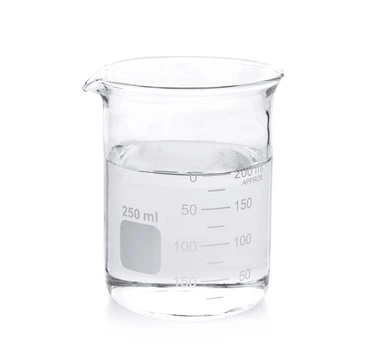
Glacial Acetic Acid (E260)
Found this useful?