India's chemical industry entered another important chapter as the NextGen Chemicals & Petrochemicals Summit 2026 opened on 9 and 10 July. Organised by Indian Chemical News under the theme "REACT. CREATE. INNOVATE.", the event brings together policymakers, investors, technology innovators and senior executives to discuss the future of one of Asia's fastest growing industrial sectors.
For food ingredient procurement professionals, the NextGen Chemicals Summit is more than an industry conference. India's expanding chemical manufacturing base influences the production economics of fermentation-based ingredients, industrial utilities and supply chain resilience. As new petrochemical projects come online, procurement teams should understand how these investments could affect ingredient availability and future sourcing costs.
Why India's Chemical Expansion Matters Beyond Petrochemicals
Food ingredient manufacturing depends heavily on industrial infrastructure that also supports chemical production.
Manufacturers producing citric acid, amino acids, xanthan gum, enzymes and other fermentation-derived ingredients require reliable supplies of electricity, steam, industrial water and processing chemicals. When chemical manufacturing capacity expands, demand for these shared resources also changes.
Rather than viewing petrochemicals and food ingredients as separate industries, procurement professionals increasingly recognise that both compete within the same industrial ecosystem.
NextGen Chemicals Summit Highlights Industry Investment
The NextGen Chemicals & Petrochemicals Summit demonstrates India's commitment to strengthening domestic manufacturing across chemicals and downstream industries.
Confirmed partners include:
DCM Shriram Chemicals serving as the Principal Partner, highlighting the company's continued investment in India's industrial growth.
Gujarat Fluorochemicals (GFL) participating as Gold Partner, reflecting increasing private sector support for specialty chemical manufacturing.
The summit agenda brings together decision makers from across manufacturing, finance, technology and government. These discussions focus on improving competitiveness, encouraging innovation and supporting India's long-term industrial expansion.
HPCL Pachpadra Complex Signals Larger Manufacturing Growth
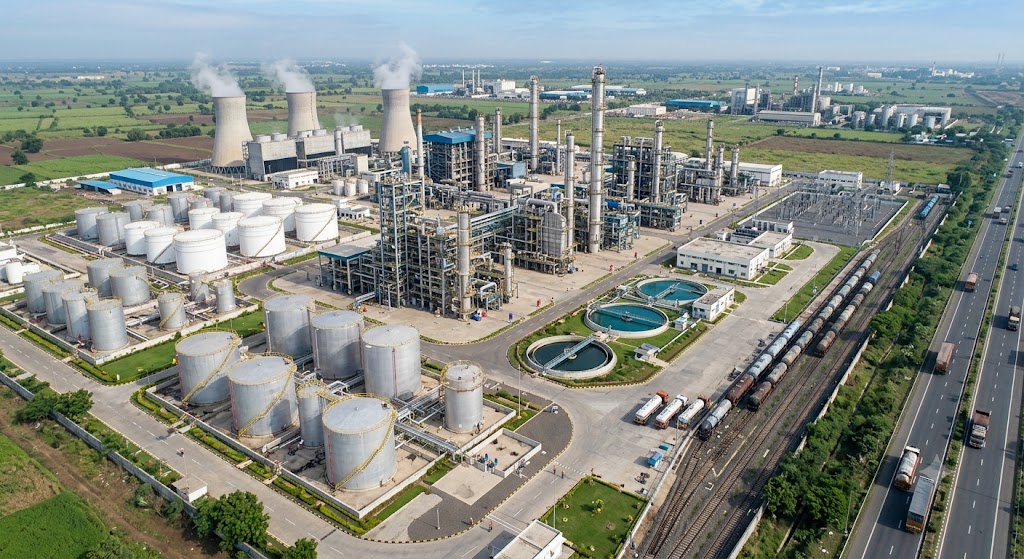
One of the clearest examples of India's industrial transformation is the continued development of HPCL's Pachpadra petrochemical complex.
The project expands domestic production of polymers and petrochemical intermediates, reducing dependence on imported materials while strengthening India's manufacturing supply chain.
For food ingredient producers, this development has indirect but important implications.
As domestic petrochemical production grows, supporting industries including logistics providers, utility suppliers and industrial service companies also expand. This creates opportunities for improved manufacturing efficiency across multiple sectors.
Shared Feedstocks and Industrial Resources Influence Costs
Fermentation facilities and petrochemical plants rarely compete for identical raw materials, but they frequently depend on many of the same industrial resources.
These include:
Electricity for continuous production processes.
Natural gas used for steam generation and process heating.
Industrial water required for manufacturing and cooling operations.
Chemical processing aids and maintenance materials.
Skilled engineering and technical labour.
Changes in demand for these resources can influence operating costs across India's manufacturing sector.
When industrial investment accelerates, procurement professionals should monitor whether increased competition for utilities begins affecting ingredient production costs.
How Lower Fertilizer Costs Can Influence Food Ingredient Markets
Agricultural economics often shape ingredient pricing long before processing begins. When fertilizer becomes more accessible and affordable, the benefits gradually move through the supply chain from farms to food manufacturers.
For India's corn processing industry, improved fertilizer availability can contribute to:
More consistent corn production across major growing regions.
Better predictability in feedstock procurement costs.
Reduced pressure from volatile imported fertilizer prices.
Stronger supply security for processors producing starch and glucose derivatives.
These improvements support a healthier manufacturing environment, even if they do not immediately translate into lower ingredient prices.
What Procurement Teams Should Monitor
Procurement professionals sourcing starch and glucose derivatives from India should look beyond finished ingredient quotations. Monitoring agricultural inputs provides an early indication of where production costs may be heading.
Key market indicators include:
Domestic fertilizer production volumes.
Urea and ammonia availability.
Seasonal corn planting and harvest forecasts.
Government agricultural support policies.
Corn market prices in major producing states.
Capacity utilisation at Indian starch processing facilities.
Tracking these factors helps buyers anticipate supply conditions before price movements become visible in the ingredient market.
Implications for Corn Starch and Glucose Derivatives
India has steadily expanded its processing capacity for corn-based ingredients, serving domestic manufacturers as well as export markets.
As fertilizer availability improves, processors may benefit from a more stable supply of corn, supporting production of:
Corn starch for food, paper and industrial applications.
Glucose syrup for confectionery, beverages and bakery products.
Maltodextrin used in processed foods, sports nutrition and pharmaceuticals.
Dextrose for food manufacturing and fermentation processes.
Stable feedstock availability allows processors to optimise production schedules, improve inventory planning and strengthen long-term customer relationships.
Although global factors such as energy prices, freight rates and export demand will continue influencing final ingredient pricing, improved agricultural economics provide an important foundation for cost competitiveness.
India's Position in Regional Ingredient Supply
India continues strengthening its role as a regional supplier of food ingredients derived from agricultural commodities.
Record fertilizer production supports this broader trend by helping improve the efficiency of upstream farming operations. Reduced dependence on imported fertilizer also improves resilience against global supply disruptions that have affected agricultural markets in recent years.
For international buyers, this creates a positive signal that India's corn processing industry may become increasingly competitive as production costs stabilise.
Manufacturers producing starches and glucose derivatives still face fluctuations in energy costs, transportation expenses and market demand. However, stronger domestic fertilizer production reduces one source of uncertainty within the agricultural supply chain.
What Buyers Should Do Now
India's record fertilizer production represents a positive development for procurement professionals sourcing corn-based food ingredients. While the impact on ingredient prices will emerge gradually through planting cycles and harvest seasons, improved fertilizer availability strengthens the economics of corn production and supports long-term supply stability.
Buyers should continue monitoring fertilizer production alongside corn prices, weather conditions and processing capacity to build a more complete picture of future ingredient costs. Understanding these upstream agricultural indicators allows procurement teams to identify sourcing opportunities earlier and negotiate supply agreements with greater confidence.
As India's agricultural and food processing sectors continue expanding together, stronger domestic fertilizer production could become an important competitive advantage for manufacturers of starch, glucose syrup and maltodextrin in both domestic and export markets.