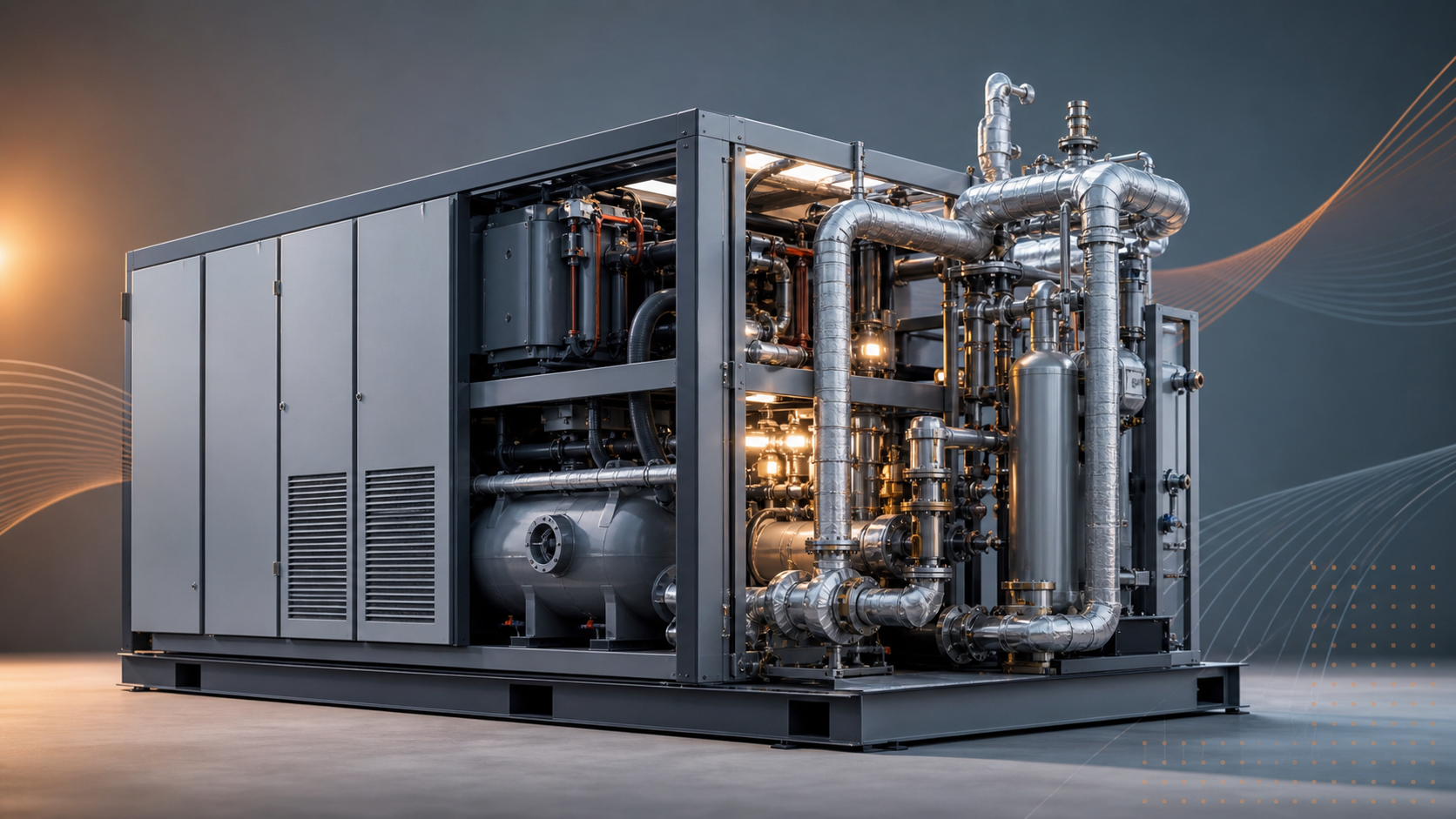
Industrial Heat Pumps and Steam Alternatives: Electrifying Chemical Parks
Chemical parks have long depended on steam, fired heaters and furnaces to deliver the high-temperature energy required across interconnected production units. Now, industrial heat pumps and electrified cracking technologies are gaining attention as chemical producers look beyond conventional efficiency measures for deeper Scope 1 emissions reductions.
The shift comes as carbon pricing and CBAM costs increase the financial pressure around fossil-based process heat. For chemical traders, procurement managers and industrial buyers, the emerging transition could influence demand for equipment, energy inputs, feedstocks and chemicals used across integrated production networks.
Why Process Heat Is the Next Decarbonization Challenge
Chemical manufacturing consumes substantial amounts of heat at different temperature levels. Steam networks can move energy efficiently around a chemical park, but their overall carbon footprint often depends on boilers and other systems that burn fossil fuels.
Efficiency improvements have already delivered significant gains across many facilities. The next challenge involves replacing the underlying source of heat rather than simply reducing the amount of energy required.
Several factors are pushing this issue higher on the industrial agenda:
Carbon costs: Higher carbon prices increase the operating cost associated with fossil-fired boilers and furnaces.
CBAM exposure: Carbon-related trade costs can make emissions performance increasingly relevant to international chemical supply chains.
Renewable electricity: Greater availability of lower-carbon electricity creates an opportunity to replace some combustion-based heat.
Scope 1 targets: Direct emissions from boilers, furnaces and process heaters remain a major obstacle for producers pursuing deeper decarbonization.
The business case therefore depends on more than environmental targets. Chemical companies must determine whether electrification can deliver reliable heat at a competitive total cost while maintaining production stability.
How Industrial Heat Pumps Could Replace Part of the Steam Load
Industrial heat pumps offer one route for converting electricity into useful process heat. They can recover heat from lower-temperature sources such as cooling systems, wastewater or other process streams and upgrade it to a higher temperature for reuse.
This approach becomes particularly interesting inside chemical parks because multiple plants operate close together. Waste heat from one process can potentially become a useful energy source for another, creating an integrated heat network rather than treating each facility as an isolated unit.
The strongest opportunities may emerge where plants have:
A steady supply of recoverable waste heat.
Continuous demand for medium-temperature process heat.
Existing steam distribution infrastructure that can integrate with new electrified systems.
Access to reliable electricity at commercially manageable prices.
Heat pumps will not replace every steam application. High-temperature processes and demanding furnace operations can require technologies beyond conventional heat pump ranges, which makes application-specific engineering essential.
E-Crackers Could Change the Economics of Olefin Production
Steam cracking represents a different and more demanding electrification opportunity. Conventional crackers use furnaces to deliver the intense heat required to break hydrocarbon molecules into products such as ethylene and other olefins.
An e-cracker replaces some or all of that fossil-fired furnace heat with electricity. If the electricity supply has a substantially lower carbon intensity than the fuel it replaces, the technology could reduce direct emissions from one of the most energy-intensive parts of the petrochemical chain.
For chemical buyers, this development matters because cracking economics influence the availability and cost structure of major petrochemical building blocks. Any large-scale shift toward electrified crackers could eventually affect regional production patterns, operating costs and investment decisions across downstream chemical manufacturing.
The transition remains early-stage, however. Large-scale deployment requires equipment capable of delivering extremely high temperatures, dependable electrical infrastructure and an electricity supply that can support continuous industrial operations.
Where Electrification Fits Within Chemical Park Infrastructure
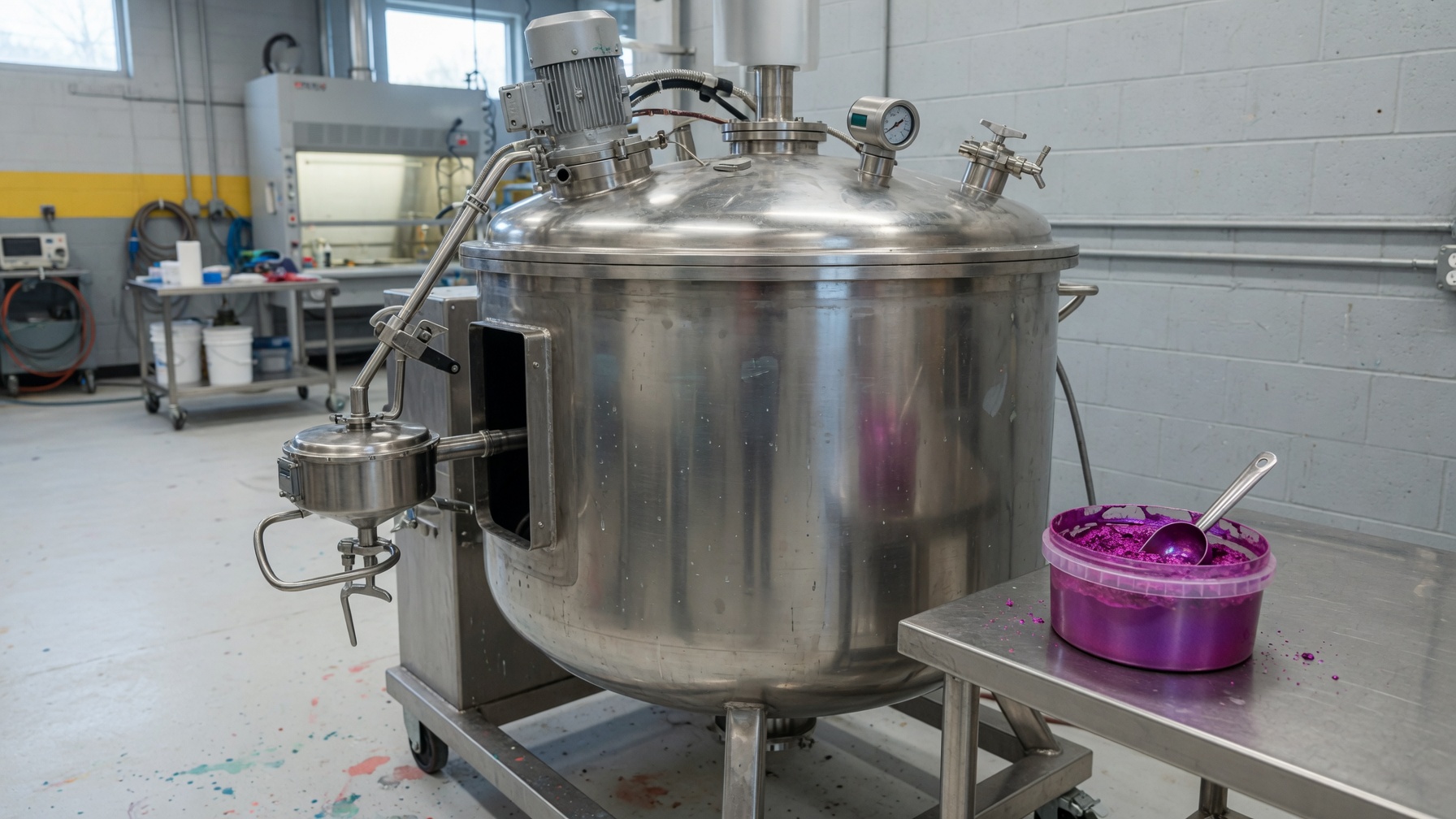
Chemical parks provide an unusual environment for industrial electrification because they already operate as interconnected systems. Steam, electricity, cooling water, hydrogen, feedstocks and intermediate chemicals can move between neighboring facilities.
That integration can make electrification more attractive than it would be for a standalone plant. A heat pump can potentially recover energy from one process and supply useful heat elsewhere, while an electrified cracker can connect directly to a wider power strategy for the site.
However, electrification also introduces new infrastructure requirements. Chemical parks considering these projects may need to evaluate:
Grid capacity: Large electric heaters and crackers can create substantial additional electricity demand.
Power reliability: Continuous chemical production cannot easily tolerate interruptions in critical heat supply.
Substation capacity: Electrical infrastructure may require significant expansion before new equipment can operate at full scale.
Heat integration: Producers need to identify compatible waste heat sources and users before investing in recovery systems.
Backup systems: Existing boilers or other heat sources may remain necessary during the transition.
This means electrification should not be viewed simply as replacing one machine with another. It can require a redesign of the energy architecture supporting an entire chemical park.
Carbon Pricing Is Strengthening the Investment Case
The economics of electrified process heat depend heavily on the relationship between electricity prices, fossil fuel prices and carbon costs. When natural gas or other fuels remain inexpensive and carbon costs stay low, conventional equipment can retain a strong advantage.
Higher carbon costs change that calculation. A fossil-fired boiler may appear cheaper based only on fuel expenditure, while a detailed assessment that includes carbon liabilities, emissions targets and future regulatory exposure can produce a different result.
CBAM adds another layer for companies involved in international trade. As carbon-related costs become increasingly relevant to cross-border supply chains, producers may face greater pressure to understand the emissions intensity associated with the goods they manufacture.
For procurement teams, this creates a broader sourcing question. The cheapest energy input today may not necessarily represent the lowest-risk procurement option over a longer investment cycle.
Electricity Supply Could Decide Which Projects Move Forward
Electrification only delivers meaningful emissions reductions when the electricity used by the process has a sufficiently low carbon footprint. This makes power procurement almost as important as the heat technology itself.
A chemical park with limited grid capacity or carbon-intensive electricity may struggle to achieve the intended environmental benefit. By contrast, a site with access to renewable electricity, long-term power contracts or other lower-carbon sources may have a stronger foundation for electrified heat.
Energy buyers therefore need to consider both physical and commercial availability. A project can have technically suitable equipment but still face weak economics if electricity prices fluctuate sharply or if the site cannot secure sufficient power during peak production.
This creates a growing connection between chemical procurement and energy procurement. Companies may increasingly evaluate feedstocks, utilities and carbon exposure together rather than treating them as separate purchasing categories.
What the Transition Means for Chemical Supply Chains
The move toward electrified process heat could gradually influence how chemical parks compete with one another. Energy-intensive producers may seek locations where low-carbon electricity, infrastructure and industrial integration provide a structural cost advantage.
That could affect future investment decisions across regions. Chemical producers may prioritize sites with strong grids, renewable power access and established industrial clusters capable of sharing utilities and recovering waste heat.
The implications for traders and buyers include several potential shifts:
Production economics could become more dependent on regional electricity costs.
Low-carbon production routes could gain greater commercial value in markets with stronger carbon policies.
Equipment and maintenance demand could shift toward electrical systems, heat pumps and advanced energy management technologies.
Chemical producers may increasingly request emissions-related information from suppliers as supply chain reporting expands.
These changes are unlikely to occur uniformly. Different chemicals require different temperature profiles and production technologies, so the commercial impact will vary across sectors.
Procurement Teams Need a Broader Cost Model
For procurement managers, evaluating electrified heat requires more than comparing the purchase price of a heat pump or electric heating system with a conventional boiler. The full calculation should include energy, carbon, infrastructure, maintenance and operational factors.
A practical evaluation can focus on several questions:
What temperature does the process actually require? Not every application needs the highest-temperature heat available from a conventional furnace.
How much recoverable waste heat exists nearby? A strong heat source can materially improve heat pump economics.
What will electricity cost over the project lifetime? Long-term power pricing can determine whether electrification remains competitive.
How much grid investment is necessary? New substations, cables and transformers can significantly change project economics.
What carbon costs could apply later? Procurement models should account for the possibility of tighter carbon policies.
Can existing steam systems provide backup? Retaining part of the existing system may reduce transition risk.
This approach helps buyers distinguish between technologies that look attractive in principle and projects that can actually support reliable chemical production.
The 2027 Outlook for Electrified Chemical Heat
The near-term market is likely to remain focused on pilots, demonstrations and carefully selected applications rather than an immediate replacement of fossil-fired process heat across entire chemical parks.
Industrial heat pumps appear particularly relevant where moderate-temperature heat demand overlaps with usable waste heat. E-crackers face a more demanding technical and infrastructure challenge, but their potential impact is significant because cracking furnaces represent a major source of direct emissions in petrochemical production.
The next phase of the market will depend on whether early projects can demonstrate reliable operation and competitive economics. Falling technology costs, stronger electricity infrastructure and carbon pricing could improve the investment case, while high power prices or weak grid availability could slow adoption.
For chemical traders, the important signal is that energy transformation is beginning to influence industrial production economics. As producers examine alternatives to conventional steam and furnace systems, the competitive position of chemical plants may increasingly depend on how efficiently they combine energy, feedstocks and infrastructure.
The Bottom Line for Chemical Procurement Teams
Industrial heat pumps and e-crackers are not yet universal replacements for steam systems and fossil-fired furnaces, but they represent an important direction for chemical park decarbonization. Their relevance grows as efficiency improvements become harder to achieve and carbon costs place greater pressure on Scope 1 emissions.
Procurement teams should therefore monitor electrification alongside conventional chemical market indicators. Power availability, carbon exposure, heat integration, infrastructure requirements and supplier capabilities could become increasingly important factors when evaluating long-term sourcing and production strategies.
The transition also creates opportunities for suppliers that can support lower-carbon chemical manufacturing without compromising reliability. Companies that understand how energy costs and carbon exposure influence chemical production may be better positioned as industrial buyers adjust their procurement strategies.
Ready to source Ammonia Anhydrous from verified global suppliers? Explore competitive offers on our platform today.
Ammonia Anhydrous
Found this useful?