Oil Absorbents: Applications in Industrial Spill Management
Oil spills and accidental leaks can create serious operational and environmental challenges across manufacturing plants, refineries, warehouses and transportation facilities. Even a relatively small release of lubricating oil, fuel or hydraulic fluid can create slippery surfaces, interrupt operations and increase cleaning costs. Oil absorbents provide an important solution by helping industrial facilities collect unwanted oil and manage spills before they spread.
These specialised materials absorb or retain oil while supporting workplace cleanliness and environmental protection. Industries use them around machinery, storage tanks, pipelines, workshops and loading areas where oil leakage may occur. For chemical traders, procurement managers and industrial buyers, understanding absorbent materials and their performance characteristics helps identify suitable products for different spill management requirements.
What Are Oil Absorbents and How Do They Work?
Oil absorbents are materials designed to collect and retain petroleum-based liquids such as lubricants, diesel, hydraulic oil and crude oil. Manufacturers produce them using synthetic polymers, natural fibres, mineral materials and other absorbent substances.
Unlike general-purpose absorbents, specialised oil-only products are designed to attract oil while repelling water. This property makes them useful in industrial environments, drainage areas and certain marine spill response operations.
How Oil Absorbent Materials Function
Oil absorbents collect liquids through physical processes such as surface adhesion, capillary action and absorption into porous structures.
The effectiveness of an absorbent depends on its material composition, pore structure, thickness and surface characteristics.
Important performance characteristics include:
Oil absorption capacity: Indicates how much oil a material can retain relative to its own weight or volume.
Oil selectivity: Determines how effectively a product collects oil without taking up large amounts of water.
Retention performance: Measures how well the material holds collected oil during handling and removal.
Physical strength: Helps the absorbent maintain its structure during placement, retrieval and disposal.
Chemical compatibility: Determines whether the material can safely interact with the specific liquid being collected.
Selecting a suitable absorbent requires matching these properties with the type of spill and operating environment.
Different Types of Industrial Oil Absorbents
Industrial buyers can choose from several absorbent formats and material categories. Each option serves different spill sizes, surfaces and handling requirements.
Polypropylene Oil Absorbents
Polypropylene is widely used in manufactured oil-only absorbent products because of its hydrophobic and oleophilic properties. It attracts oil while generally resisting water absorption.
Common polypropylene products include:
Absorbent pads: Suitable for small leaks, maintenance activities and machinery drips.
Absorbent rolls: Provide continuous coverage across larger floor areas and equipment surfaces.
Absorbent socks: Help contain oil around machinery, containers and spill boundaries.
Absorbent pillows: Collect oil from concentrated leakage points and confined spaces.
Absorbent booms: Help contain floating oil and limit its movement across water surfaces.
These products are available in different thicknesses, dimensions and absorption capacities.
Natural Fibre Absorbents
Natural materials such as cellulose, cotton and processed plant fibres can also serve as oil absorbents. Their porous structures help collect and retain liquids.
Industries may use natural fibre products for maintenance operations, workshop cleaning and selected spill response activities. Buyers should evaluate their absorption performance, dust generation, biodegradability and disposal requirements.
Mineral-Based Oil Absorbents
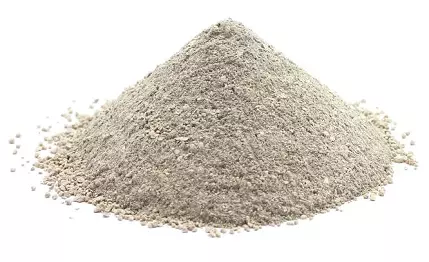
Mineral absorbents use materials such as clay and other porous mineral substances to collect oil from solid surfaces.
These products often appear in granular form and can help manage spills on factory floors, workshop surfaces and outdoor industrial areas.
Their performance depends on particle size, porosity, dust formation and the ease of collecting the used material after application.
Reusable and Specialised Absorbents
Some industrial operations use specialised absorbent materials designed for repeated handling or particular oil recovery applications. Their suitability depends on the type of oil, contamination level and recovery process.
Procurement teams should distinguish between products designed for one-time spill cleanup and systems intended for repeated use.
Industrial Applications of Oil Absorbents
Oil absorbents support spill prevention and cleanup across industries that handle petroleum products, lubricants and other hydrocarbon-based liquids. Their use helps reduce contamination risks and maintain safer working conditions.
Oil and Gas Industry
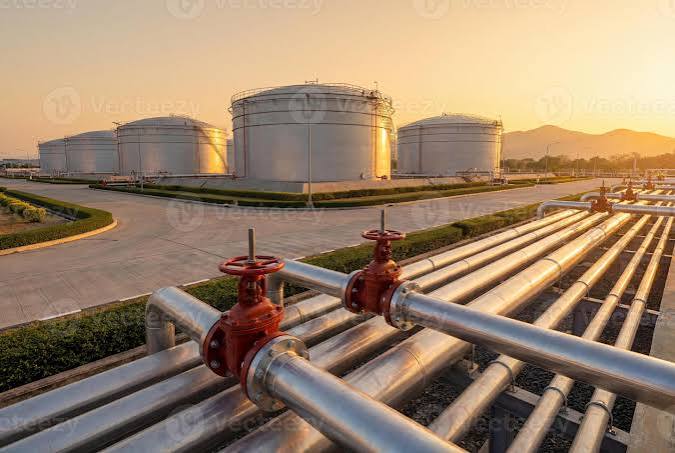
Oil refineries, drilling facilities and petroleum storage terminals handle large quantities of crude oil, diesel, lubricants and other hydrocarbon products. Leakage can occur around pumps, pipelines, valves, storage tanks and loading equipment.
Industrial operators use oil absorbent pads, socks and booms to manage these incidents. Absorbent booms can help contain floating oil while pads and pillows collect smaller leaks around equipment and maintenance areas.
Manufacturing and Engineering Facilities
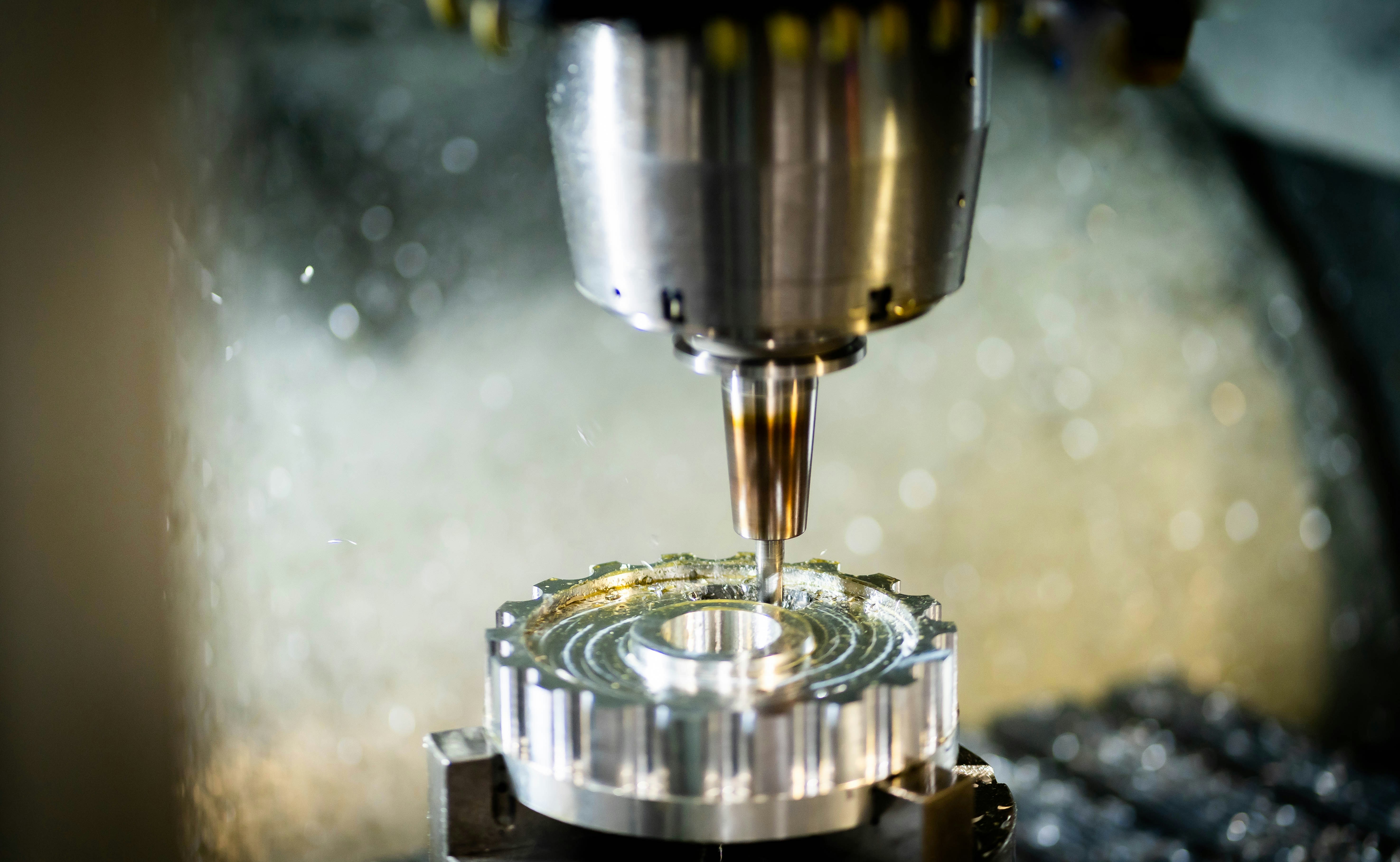
Manufacturing plants use hydraulic systems, lubricating oils, compressors and industrial machinery that can develop leaks during operation.
Oil absorbents help maintenance teams manage these situations by:
Collecting oil drips beneath machinery and equipment.
Cleaning lubricant spills around production lines.
Controlling leaks near hydraulic systems.
Maintaining cleaner floors in workshops and maintenance areas.
Reducing the risk of oil reaching drains and walkways.
Absorbent rolls and pads are particularly useful in areas where recurring leaks require regular attention.
Marine and Transportation Operations
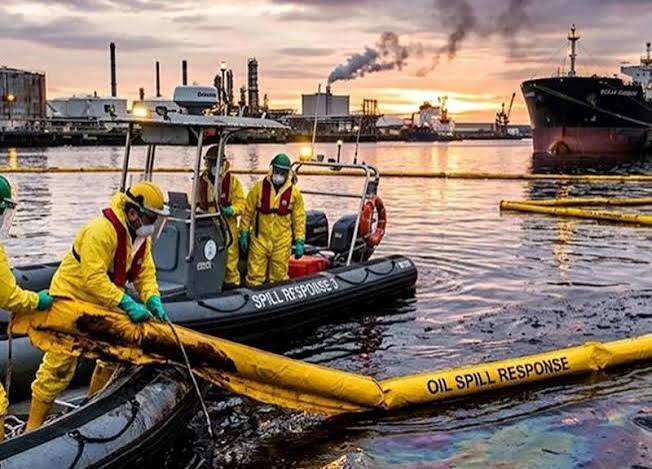
Ports, shipping terminals and marine facilities handle fuels, lubricants and petroleum cargoes. Accidental releases can contaminate surrounding water and affect marine environments.
Oil-only absorbent booms and specialised floating materials help contain and recover oil in suitable response conditions. Transportation companies also use absorbent materials around vehicle maintenance areas, fuel storage facilities and loading operations.
Chemical Warehousing and Storage
Industrial warehouses store lubricants, fuels and petroleum-based chemicals in drums, intermediate bulk containers and storage tanks. Damaged packaging, loose fittings and transfer operations can cause accidental leakage.
Spill kits containing pads, socks, pillows and granular absorbents help warehouse personnel respond to small releases. Placing suitable absorbents near storage and transfer points also supports spill preparedness.
Essential Product Requirements for Oil Absorbents
Selecting an oil absorbent requires more than checking its material or physical appearance. Buyers should assess technical properties that determine how effectively a product collects oil and performs during handling.
Absorption Capacity and Retention
Absorption capacity indicates how much oil an absorbent can collect under specified testing conditions. Manufacturers may express this as the quantity of oil absorbed per unit weight of absorbent.
Retention is equally important because some materials release collected oil when lifted, compressed or moved. Products with suitable retention characteristics help reduce secondary contamination during removal.
Hydrophobic and Oleophilic Properties
For oil-only applications, buyers should prioritise materials that attract oil while repelling water. This combination is particularly important for facilities near waterways, marine operations and outdoor spill response.
Polypropylene products commonly provide these properties. However, buyers should verify actual performance through manufacturer specifications and relevant test results.
Material Strength and Durability
Oil absorbents must maintain their structure after collecting petroleum products. Weak materials can tear during handling, leaving absorbent fibres or particles behind.
Procurement teams should examine:
Tensile strength and resistance to tearing.
Product thickness and density.
Resistance to handling damage.
Oil retention during lifting and transportation.
Compatibility with the intended oil type.
Absorbent Format and Coverage
The physical format should match the spill management requirement. Pads work well for localised spills, while rolls provide broader surface coverage. Socks and booms help establish containment boundaries, and granular materials can reach uneven surfaces.
Buyers should also check dimensions, packaging quantities and ease of storage before placing bulk orders.
How to Select the Right Oil Absorbent
Industrial facilities experience different types of spills, so a single absorbent product may not meet every requirement. Procurement teams should evaluate the operating environment and expected spill conditions before selecting materials.
Identify the Oil and Spill Location
Start by identifying the liquid involved, its viscosity and the surface where the spill may occur. Light fuels, hydraulic oils and heavier petroleum products can behave differently during absorption.
For example, a workshop handling lubricating oil may require pads and pillows, while an outdoor petroleum storage area may benefit from absorbent socks and containment booms.
Choose Between Oil-Only and Universal Absorbents
Oil-only absorbents are designed to collect petroleum-based liquids while generally repelling water. Universal absorbents collect a wider range of liquids, including water-based fluids.
This distinction matters when purchasing spill control supplies. Facilities handling only petroleum products may benefit from specialised oil-only materials, while mixed-liquid environments may require separate universal absorbents.
Evaluate Testing and Supplier Documentation
Before purchasing, request product specifications and relevant performance information. Buyers should review absorption capacity, oil retention, dimensions, material composition and storage recommendations.
Where applicable, ASTM F726 provides a recognised test method for evaluating the performance of sorbents used for oil and related spills.
Bayshore Safety & Industrial Supplies+1
Storage, Disposal and Environmental Considerations
Oil absorbents require proper storage and disposal practices to maintain workplace safety and prevent secondary contamination.
Storage and Spill Preparedness
Industrial facilities should store absorbent materials in accessible locations near machinery, fuel handling areas and chemical storage zones. Products should remain in their original packaging until needed to prevent contamination and physical damage.
Spill response teams should regularly inspect spill kits and replace used or damaged materials. Maintaining sufficient inventory helps facilities respond quickly when unexpected leaks occur.
Handling and Disposal of Used Absorbents
Used oil absorbents contain recovered petroleum products and may present fire, environmental and workplace safety risks. Personnel should handle them according to the properties of the absorbed liquid and applicable waste management requirements.
Important disposal considerations include:
Collecting saturated absorbents in suitable containers.
Preventing recovered oil from leaking during transportation.
Following applicable hazardous or industrial waste classification requirements.
Using authorised waste treatment or disposal facilities.
Maintaining records of waste collection and disposal where required.
Some absorbent materials may qualify for recovery or recycling through specialised waste management processes. However, this depends on contamination levels, material composition and available treatment facilities.
19january2017snapshot.epa.gov+1
Procurement Trends and What Industrial Buyers Should Consider
Demand for oil absorbents remains closely connected to industrial safety requirements, environmental protection and spill preparedness. Manufacturing facilities, petroleum distributors and transportation operators require dependable spill control materials to manage routine leakage and unexpected incidents.
Several factors influence purchasing decisions:
Synthetic absorbent materials: Polypropylene continues to serve many industrial oil spill applications because of its oil-attracting and water-repelling properties.
Improved product formats: Manufacturers offer specialised pads, rolls, socks and booms to address different spill sizes and operating conditions.
Environmental considerations: Buyers increasingly evaluate material recovery, waste handling and disposal requirements when selecting absorbents.
Bulk procurement: Industrial distributors and large facilities often require consistent product specifications, reliable packaging and regular supply.
Spill preparedness: Businesses increasingly maintain dedicated spill kits near high-risk equipment and petroleum storage locations.
For chemical traders and industrial suppliers, these requirements create opportunities to serve customers across manufacturing, oil and gas, warehousing and transportation sectors.
A reliable sourcing strategy should prioritise absorption performance, material quality, supplier consistency and practical storage requirements. Comparing products based on their actual application can help buyers control procurement costs while maintaining effective spill response capabilities.
Bentonite
Found this useful?