Metalworking Fluids: Types, Uses and Buyer Requirements
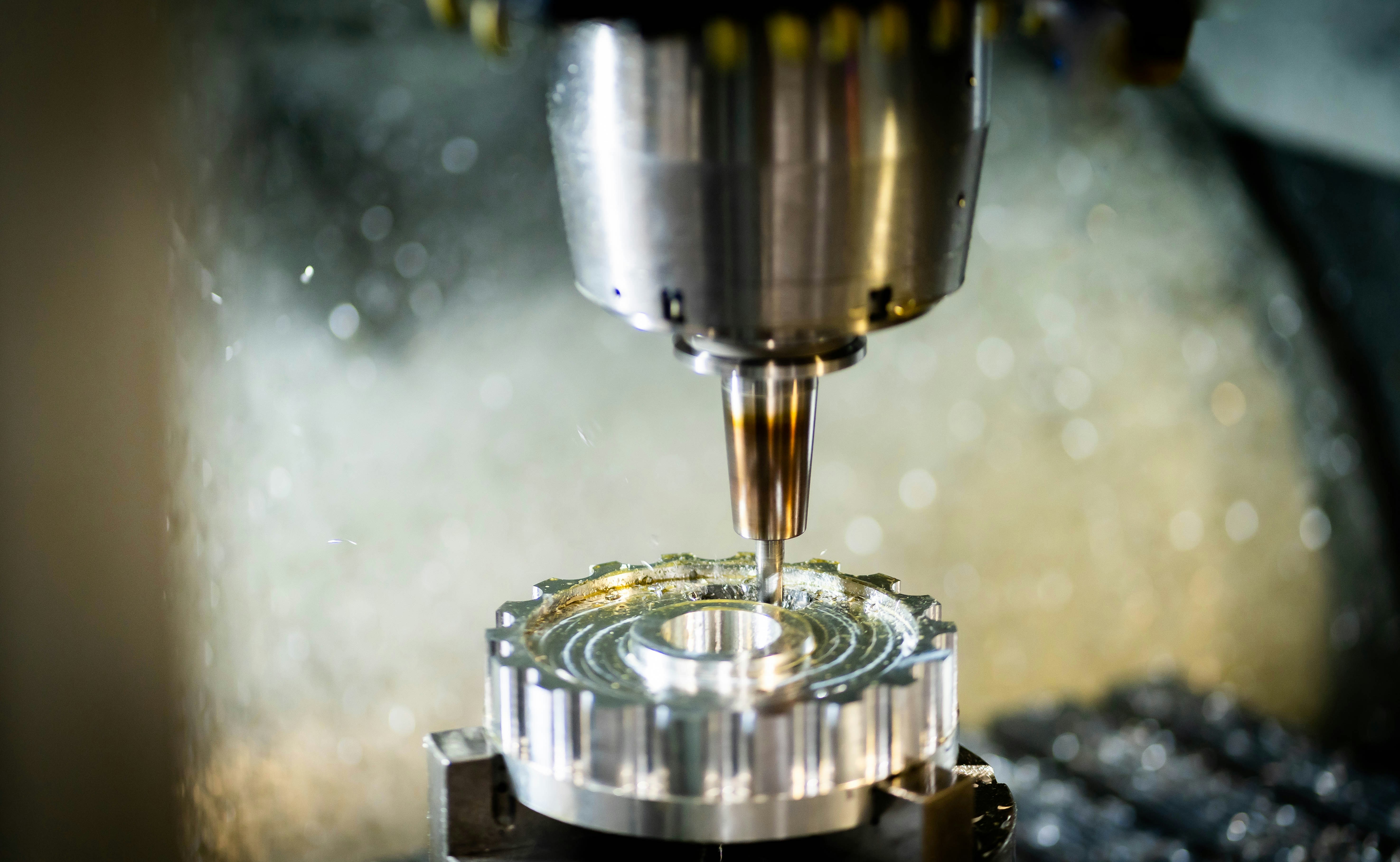
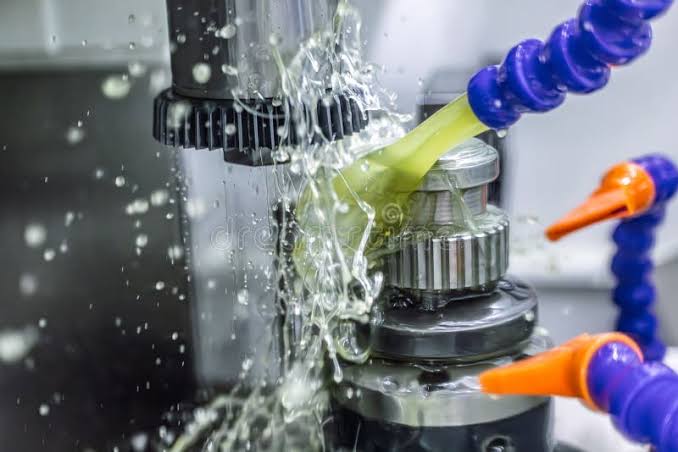
Metalworking fluids play an important role in manufacturing processes that involve cutting, grinding, drilling, milling and shaping metal components. These specialised fluids help manage heat, reduce friction, remove metal particles and protect equipment during machining operations. Their performance can influence tool life, surface finish, production efficiency and the quality of finished components.
Manufacturers use different metalworking fluid formulations depending on the metal being processed, the machining operation and the equipment involved. Some products prioritise cooling, while others provide stronger lubrication or corrosion protection. Understanding these differences helps industrial buyers select suitable products and maintain consistent manufacturing performance.
1. What Are Metalworking Fluids?
Metalworking fluids (MWFs), also called cutting fluids or machining fluids, are specialised liquids used during metal processing to manage heat and friction. They can also help remove metal particles from the working area and protect machined surfaces against corrosion.
Most formulations contain a combination of base oils, water, emulsifiers, lubricants and performance additives. The exact composition depends on the intended machining operation and the properties required from the finished component.
Metalworking fluids generally perform four important functions:
Cooling: Help remove heat generated during machining and grinding.
Lubrication: Reduce friction between the cutting tool and metal surface.
Corrosion protection: Help protect machine components and newly processed metal.
Particle removal: Support the removal of metal chips and fine particles from the machining area.
The selection of a suitable fluid depends on the machining process, metal type, equipment and production requirements.
2. Major Types of Metalworking Fluids and Their Functions
Metalworking fluids are commonly divided into four major categories. Each type has different formulation characteristics and offers particular advantages for industrial applications.
Straight Oils
Straight oils, also known as neat oils, are petroleum-based, vegetable-based or synthetic oil formulations that are generally used without dilution with water.
They provide strong lubrication and are suitable for operations where reducing friction is a major requirement. These fluids are commonly associated with applications involving demanding metal-to-tool contact.
Their limitations may include higher cleaning requirements and the need to consider fire protection and workplace exposure controls. Buyers should assess the oil's composition, viscosity and compatibility with the intended operation.
Soluble Oils
Soluble oils, also called emulsifiable oils, contain mineral or other base oils combined with emulsifiers. When mixed with water, they form an oil-in-water emulsion.
These fluids offer a balance of cooling and lubrication, making them suitable for a variety of general machining operations. Their formulation may also contain corrosion inhibitors, surfactants and other additives.
Fluid stability and water quality are important considerations. Manufacturers should also consider contamination and routine fluid-management requirements when evaluating soluble oil products.
Semi-Synthetic Fluids
Semi-synthetic metalworking fluids combine a relatively small proportion of mineral oil with water and specialised additives. They provide a balance between the lubrication associated with oil-based products and the cooling characteristics of water-based formulations.
These fluids are used in general machining, grinding and other manufacturing operations. They can offer good cooling, moderate-to-good lubrication and useful corrosion protection, depending on the formulation.
Their performance depends on fluid concentration, water quality and operating conditions. Buyers should also evaluate foam behaviour and compatibility with the equipment.
Synthetic Fluids
Synthetic metalworking fluids do not contain conventional petroleum base oils. They use water-soluble chemical components and specialised additives to provide cooling, lubrication and corrosion protection.
They are commonly used in applications where heat management and clean operation are important. Some formulations also provide good visibility during machining because of their clear appearance.
However, lubrication characteristics vary between products. Manufacturers should verify that a selected synthetic formulation meets the requirements of the machining process rather than assuming all synthetic fluids provide the same performance.
3. Industrial Applications of Metalworking Fluids
Metalworking fluids support manufacturing processes across several industries. Their functions vary according to the type of metal being processed and the production method.
Automotive Manufacturing
Automotive manufacturers use metalworking fluids during the production of engine components, transmission parts, brake components and other precision-engineered products.
Machining operations require suitable cooling and lubrication to maintain dimensional accuracy and surface quality. Fluid selection also influences tool performance and production consistency.
Aerospace and Precision Engineering
Aerospace manufacturing involves components that require carefully controlled dimensions, surface finishes and material properties. Metalworking fluids support machining operations involving specialised metals and alloys.
Manufacturers must consider fluid compatibility with the workpiece material and the requirements of the machining equipment. Consistent fluid performance is particularly important where component quality specifications are demanding.
Steel and Metal Fabrication
Steel and metal fabrication facilities use fluids during cutting, drilling, forming, drawing and other production activities.
Straight oils, soluble oils and specialised forming fluids can support different manufacturing requirements. Products used in these processes may also provide temporary corrosion protection for metal surfaces.
Machinery and Equipment Manufacturing
Manufacturers of industrial machinery produce shafts, gears, bearings, housings and other metal components. These products often require multiple machining stages to achieve the specified dimensions and surface characteristics.
Suitable metalworking fluids help manage heat and friction during production. They also support consistent machining conditions across repeated manufacturing operations.
Metal Forming and Surface Treatment
Metalworking fluids are also used in processes such as stamping, drawing, rolling and forging. In these applications, fluids can reduce friction between the metal and processing equipment while supporting surface protection.
Other specialised fluids are used for quenching and temporary corrosion protection. Their formulation requirements differ from those of conventional metal removal fluids.
4. Key Performance Requirements for Metalworking Fluids
Manufacturers evaluate metalworking fluids according to their ability to support production requirements without compromising component quality or equipment performance.
Cooling and Heat Management
Machining operations generate heat through friction and deformation. A suitable fluid should help manage this heat to support stable processing conditions.
Cooling performance is particularly important in operations where excessive heat can affect tool condition, surface quality or dimensional accuracy.
Lubrication and Friction Control
Lubrication helps reduce friction between the cutting tool and workpiece. This can support improved surface finishes and help manage tool wear.
The required lubrication level depends on the operation. Processes involving demanding contact conditions may require different fluid characteristics from applications that prioritise cooling.
Corrosion Protection
Metal components and machine surfaces may be vulnerable to corrosion when exposed to moisture and processing environments. Metalworking fluids often contain corrosion inhibitors to help protect these surfaces.
Buyers should assess whether the formulation is suitable for the metals being processed and whether it provides the required protection during production and temporary storage.
Fluid Stability and Service Life
Water-miscible fluids must maintain suitable stability during use. Changes in water quality, contamination and microbial activity can affect fluid condition and performance.
Manufacturers should consider product stability, contamination tolerance and the supplier's fluid-management recommendations when comparing formulations.
Foam Control and Material Compatibility
Excessive foam can interfere with fluid circulation and machining operations. A suitable formulation should provide appropriate foam control under the intended operating conditions.
Compatibility with machine components, seals, workpiece materials and other processing fluids is also important. Incompatible formulations may create unwanted deposits or affect fluid performance.
Surface Finish and Machining Quality
The selected fluid should support the surface finish and dimensional requirements of the finished component. Its cooling and lubrication properties influence how effectively the machining process performs.
Manufacturers should evaluate product suitability against the actual material and production specifications rather than relying solely on general product claims.
5. Important Buyer Requirements When Sourcing Metalworking Fluids
Procurement teams should evaluate technical performance, product compatibility and supplier reliability before purchasing metalworking fluids. Selecting a product based only on its price or general classification may not address the requirements of a specific manufacturing process.
Technical Specifications and Documentation
Buyers should request the technical data sheet (TDS) and safety data sheet (SDS) for each product. These documents provide information about composition characteristics, intended applications, storage requirements and relevant safety precautions.
Depending on the formulation, important specifications may include:
Viscosity and density
pH and concentration characteristics
Corrosion protection performance
Foam-control properties
Compatibility with different metals
Recommended application conditions
Storage stability and shelf life
A certificate of analysis may also help buyers verify that supplied batches meet the agreed product specifications.
Compatibility With Metals and Equipment
Different metals can respond differently to metalworking fluid formulations. Aluminium, steel, stainless steel, copper alloys and other materials may have specific compatibility requirements.
Buyers should confirm that the selected fluid is suitable for the workpiece material and the machine's operating conditions. Compatibility with seals, coatings and other machine components should also be considered.
Health, Safety and Environmental Requirements
Metalworking fluids can create workplace exposure through skin contact and airborne mist. Some formulations may also contain ingredients that require specific handling precautions.
Buyers should review SDS information, applicable workplace requirements and the supplier's recommendations for safe handling. Manufacturers should also consider suitable ventilation, equipment maintenance and workplace hygiene arrangements.
Environmental requirements may include fluid disposal, wastewater management and applicable chemical restrictions. Product selection should take account of the regulations governing the intended operating location.
Supplier Reliability and Technical Support
A dependable supplier should provide consistent product quality, accurate documentation and reliable delivery schedules. Technical support is valuable when manufacturers need help evaluating fluid compatibility or investigating changes in machining performance.
Buyers should also consider the supplier's ability to meet regular order quantities and provide consistent specifications across deliveries.
Total Procurement and Operating Cost
The purchase price is only one part of the overall cost of a metalworking fluid. Concentration requirements, fluid service life, maintenance needs, cleaning requirements and production efficiency can all influence operating expenses.
Buyers should compare products based on their expected performance and total application cost. A lower-priced fluid may not provide the best overall value if it requires more frequent replacement or creates additional maintenance demands.
6. Fluid Management and Changing Industry Requirements
Metalworking fluid performance depends not only on product formulation but also on how the fluid system is managed during production. Contamination from tramp oils, metal particles and other process materials can influence fluid condition.
Water-miscible fluids may also experience microbial growth if they are not properly maintained. Manufacturers therefore need appropriate monitoring and maintenance programmes to help preserve fluid quality and support workplace safety.
Another important development is the growing interest in manufacturing efficiency and resource management. Companies are evaluating formulations that support longer service life, effective cooling and reduced fluid consumption where suitable.
Suppliers are also developing specialised formulations for different metals, machining methods and production requirements. These include products designed to improve lubrication, corrosion protection and foam control.
For procurement teams, these developments make technical evaluation increasingly important. Comparing product specifications, application suitability and supplier support can help manufacturers identify fluids that meet both operational and quality requirements.
7. Making Informed Metalworking Fluid Purchasing Decisions
Metalworking fluids are essential materials in many industrial manufacturing processes. Straight oils, soluble oils, semi-synthetic fluids and synthetic formulations provide different combinations of cooling, lubrication and corrosion protection.
The correct choice depends on the machining operation, workpiece material, equipment and required production performance. Buyers should review technical specifications, verify compatibility, assess safety documentation and consider the supplier's ability to provide consistent quality.
A structured procurement approach helps manufacturers manage fluid-related costs, support machining quality and maintain reliable production operations.

Potassium Metabisulfite (E224)
SOURCE LINK: https://www.osha.gov/metalworking-fluids/manual
Found this useful?