Specialty Surfactants: Applications in Industrial Cleaning
Industrial cleaning operations require chemical formulations that can remove stubborn oils, grease, mineral deposits and production residues from different surfaces. Conventional cleaning agents may not deliver consistent results when facilities handle complex contaminants or operate under demanding temperature and water conditions. Specialty surfactants help improve cleaning performance by modifying surface tension, supporting wetting, emulsifying oils and dispersing unwanted materials.
These chemicals play an important role in manufacturing, food processing, automotive maintenance, institutional cleaning and heavy industrial operations. Formulators combine different surfactant types to achieve specific cleaning characteristics, including rapid wetting, grease removal, foam control and compatibility with other ingredients. For chemical traders, procurement managers and industrial buyers, understanding specialty surfactants helps identify suitable raw materials for effective and cost-efficient cleaning products.
What Are Specialty Surfactants?
Specialty surfactants are surface-active chemicals designed to provide specific functional properties in industrial and commercial formulations. Their molecular structure contains a hydrophilic portion that interacts with water and a hydrophobic portion that interacts with oils, grease and other non-polar substances.
This structure allows surfactants to reduce surface and interfacial tension. As a result, cleaning solutions can spread across surfaces more effectively and interact with contaminants that water alone cannot easily remove.
How Specialty Surfactants Work
Surfactants support cleaning through several mechanisms that work together during washing and rinsing.
Wetting: Surfactants help cleaning solutions spread across surfaces and penetrate dirt or residue layers.
Emulsification: They help disperse oil and grease into smaller droplets within a water-based cleaning solution.
Detergency: They assist in loosening and removing contaminants from surfaces.
Dispersion: They help keep loosened particles suspended in cleaning solutions and reduce redeposition.
Foam control: Certain surfactants generate foam while others support low-foam cleaning systems for industrial equipment.
The effectiveness of these mechanisms depends on surfactant chemistry, concentration, temperature, water hardness and the type of contaminant.
Major Types of Specialty Surfactants
Industrial formulators select surfactants according to the required cleaning mechanism and operating conditions. Each category offers different advantages in terms of detergency, compatibility, foam generation and chemical stability.
Nonionic Surfactants
Nonionic surfactants do not carry an electrical charge in aqueous solutions. They offer useful cleaning and emulsification properties and often perform well across different water hardness conditions.
Common examples include alcohol ethoxylates and other ethoxylated surfactants.
Their industrial applications include:
Heavy-duty degreasing formulations.
Automotive and machinery cleaning.
Industrial floor cleaners.
Oil and grease removal.
Metal cleaning and maintenance products.
Many nonionic surfactants also provide low-foam options, making them useful in automated washing systems.
Anionic Surfactants
Anionic surfactants carry a negative electrical charge in water. They provide strong detergency and wetting properties and frequently appear in industrial detergents and general-purpose cleaning formulations.
Examples include sodium lauryl ether sulfate (SLES), linear alkylbenzene sulfonates and sodium lauryl sulfate.
Manufacturers use these materials in:
Industrial detergents.
Equipment washing products.
Commercial surface cleaners.
Textile cleaning formulations.
General-purpose degreasing products.
Formulators should evaluate compatibility with water hardness, other formulation ingredients and the required foam profile.
Cationic Surfactants
Cationic surfactants carry a positive electrical charge. Their properties make them useful in applications involving surface conditioning, antimicrobial formulations and specialised cleaning products.
Some cationic surfactants also interact strongly with negatively charged surfaces. However, formulators must consider compatibility because anionic and cationic surfactants can form complexes that reduce performance.
Amphoteric Surfactants
Amphoteric surfactants can carry positive or negative charges depending on the surrounding pH conditions.
These materials often provide useful compatibility and formulation flexibility. They appear in selected industrial cleaning products where mildness, foam characteristics and compatibility with other surfactants matter.
Examples include betaines and related amphoteric compounds.
Industrial Applications of Specialty Surfactants
Specialty surfactants serve a wide range of industrial cleaning operations where ordinary detergents may struggle to remove persistent contaminants. Their performance depends on the formulation and the cleaning equipment used.
Heavy-Duty Industrial Degreasing
Manufacturing plants, workshops and engineering facilities regularly deal with lubricants, hydraulic oils, cutting fluids and machinery grease. These residues can accumulate on equipment surfaces and interfere with maintenance activities.
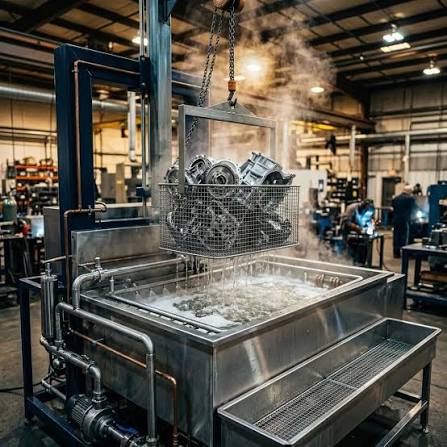
Nonionic surfactants and specialised surfactant blends help loosen oily deposits and disperse them into cleaning solutions. Industrial degreasers use these ingredients to clean machine parts, production equipment, metal surfaces and workshop floors.
Food and Beverage Processing
Food processing facilities require cleaning solutions that remove fats, proteins and other production residues from equipment and processing surfaces.
Specialty surfactants support cleaning formulations used in:
Clean-in-place (CIP) systems for tanks, pipelines and processing equipment.
Open-plant cleaning of floors, walls and production machinery.
Bottle and container washing operations.
Conveyor belt cleaning.
Industrial kitchen and food preparation equipment.
Formulators must consider the cleaning process, material compatibility and applicable food industry hygiene requirements. Cleaning chemicals must also follow the facility's rinsing and sanitation procedures.
Kao+1
Automotive and Transportation Cleaning
Automotive manufacturing and vehicle maintenance involve oils, road grime, lubricants and stubborn surface contaminants. Specialty surfactants help improve the performance of vehicle shampoos, engine degreasers and industrial parts cleaners.
Nonionic surfactants support oil emulsification while anionic ingredients can contribute detergency and foam generation. Formulators balance these properties according to the required cleaning strength and surface compatibility.
Metalworking and Manufacturing
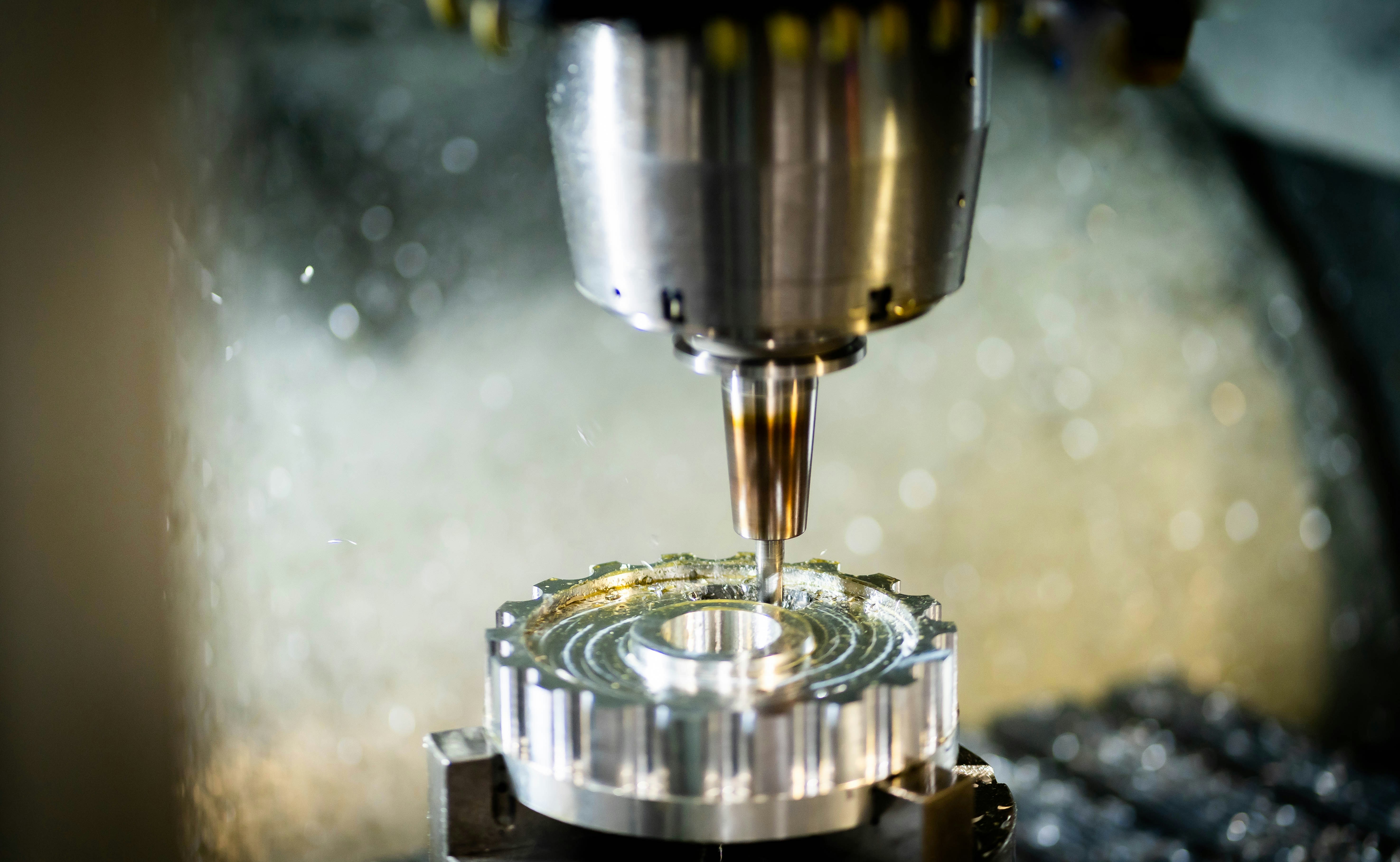
Metal processing facilities use cutting oils, coolants and lubricating compounds during machining and fabrication. Residues can accumulate on metal components and require removal before further processing, coating or assembly.
Specialty surfactants help wet metal surfaces, emulsify oily residues and improve the removal of production contaminants. Low-foaming formulations are particularly useful in spray washers and automated industrial cleaning equipment.
Institutional and Commercial Cleaning
Large commercial buildings, hospitals, warehouses and public facilities require cleaning products that perform consistently across different surfaces.
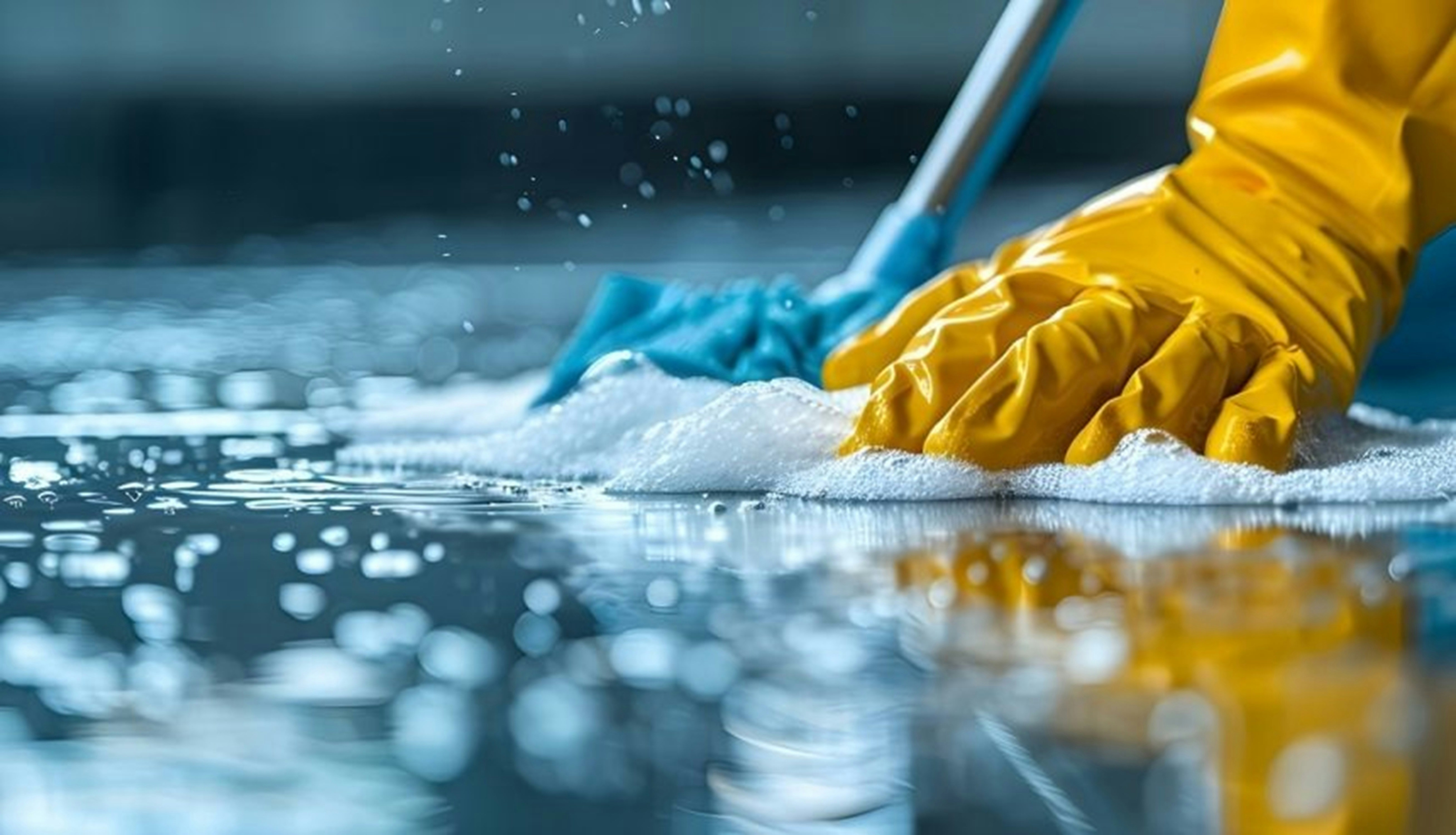
Specialty surfactants appear in industrial floor cleaners, hard-surface detergents, maintenance chemicals and specialised washing formulations. Manufacturers select ingredients according to soil type, surface compatibility, foam requirements and rinsing performance.
Key Performance Requirements for Specialty Surfactants
Selecting specialty surfactants requires an understanding of the final cleaning formulation and its operating environment. A product that performs well in manual cleaning may not deliver the same results in automated washing systems.
Wetting and Detergency Performance
Effective wetting allows cleaning solutions to spread across surfaces and reach difficult areas. Detergency determines how effectively the formulation removes contaminants.
Buyers should review surface tension reduction, cleaning efficiency and compatibility with the intended soil type. These properties help determine whether a surfactant suits light-duty cleaning or heavy industrial degreasing.
Foam Generation and Control
Foam requirements vary between industrial cleaning applications. Manual cleaning products may benefit from visible foam because it helps maintain contact with the surface.
However, excessive foam can interfere with spray washing, circulation systems and automated cleaning equipment. Low-foaming specialty surfactants help maintain effective cleaning while supporting efficient rinsing and equipment operation.
EPA NERL+1
Temperature and pH Stability
Industrial cleaning formulations operate under different temperature and pH conditions. Some applications use highly alkaline solutions to remove heavy grease, while others require neutral or mildly acidic formulations.
Buyers should verify surfactant stability under the intended conditions. They should also consider cloud point behaviour, solubility and compatibility with alkaline builders, acids and other formulation ingredients.
Emulsification and Soil Dispersion
Oil and grease removal depends on the surfactant's ability to interact with oily contaminants and disperse them into the cleaning solution.
Good emulsification supports the removal of contaminants, while effective dispersion helps prevent loosened particles from settling back onto cleaned surfaces. Manufacturers should test these properties using the actual oils and residues found in their target applications.
Formulation and Procurement Considerations
Industrial cleaning manufacturers often combine different surfactants with solvents, builders, hydrotropes and other functional additives. The correct combination helps achieve the required balance between cleaning strength, foam behaviour, formulation stability and cost.
Compatibility With Other Ingredients
Surfactant compatibility influences the stability and effectiveness of cleaning products. Certain nonionic surfactants work well alongside anionic ingredients, while combinations involving cationic and anionic surfactants may require careful evaluation.
Before purchasing raw materials, formulators should consider:
Compatibility with solvents and alkaline builders.
Stability in hard water and high-electrolyte systems.
Interaction with other surfactant categories.
Solubility at different temperatures.
Storage stability and expected shelf life.
Laboratory formulation trials help identify potential separation, precipitation and performance problems before commercial production.
Environmental and Regulatory Requirements
Environmental considerations increasingly influence industrial cleaning formulation decisions. Manufacturers evaluate biodegradability, aquatic toxicity, solvent content and the environmental profile of individual ingredients.
Some specialty surfactants offer improved biodegradability or support reduced-solvent formulations. However, environmental performance varies by chemical structure and product grade.
Buyers should request Safety Data Sheets (SDS), Technical Data Sheets (TDS) and relevant regulatory documentation. They should also verify compliance with the requirements applicable to their destination markets and intended applications.
What Industrial Buyers Should Consider Before Sourcing
Selecting specialty surfactants requires coordination between formulation teams, suppliers and procurement departments. A suitable raw material should deliver consistent cleaning performance while meeting manufacturing and commercial requirements.
The following factors can help buyers make better sourcing decisions:
Identify the application: Determine whether the surfactant will serve industrial degreasing, metal cleaning, food processing or general hard-surface cleaning.
Select the appropriate category: Compare nonionic, anionic, cationic and amphoteric materials according to their functional properties.
Check active matter content: Review concentration and solids specifications to calculate formulation requirements accurately.
Evaluate foam behaviour: Match foam generation or suppression with manual, spray or automated cleaning systems.
Review compatibility: Confirm performance alongside solvents, builders, hydrotropes and other surfactants.
Verify supplier documentation: Request product specifications, SDS, TDS and certificates of analysis.
Compare total procurement costs: Consider active ingredient concentration, dosage requirements, transportation and storage expenses.
Reliable suppliers should also maintain consistent product quality, traceable batches and dependable delivery schedules.
Future Developments in Specialty Surfactants
Industrial cleaning requirements continue to encourage improvements in surfactant chemistry and formulation technology. Manufacturers are focusing on products that deliver effective cleaning while supporting operational efficiency and environmental objectives.
Several developments are influencing product selection:
Bio-based surfactants: Renewable feedstocks are attracting attention as manufacturers explore alternatives to conventional raw materials.
Low-foam technologies: Specialised surfactants support automated cleaning systems where excessive foam can reduce operational efficiency.
Solvent replacement: Advanced nonionic surfactants can provide wetting and degreasing performance while reducing dependence on certain conventional solvents.
Concentrated formulations: Higher-performance ingredients can help manufacturers optimise product dosage, packaging and transportation requirements.
Improved biodegradability: Formulators increasingly evaluate surfactant ingredients based on environmental performance alongside cleaning effectiveness.
For chemical distributors and industrial suppliers, these developments create opportunities to serve manufacturers looking for specialised cleaning ingredients and reliable raw material supply.
Specialty surfactants remain essential ingredients in industrial cleaning because they support effective wetting, emulsification, detergency and soil removal. Selecting the right material requires balancing chemical compatibility, cleaning performance, foam control and procurement costs. Buyers who evaluate technical specifications and supplier reliability can develop more consistent cleaning formulations for demanding industrial environments.
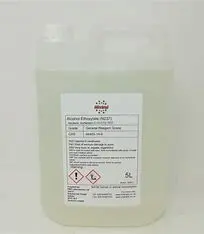
Fatty Alcohol Ethoxylate - India
Found this useful?