Ineos Forces the UK's Hand: A New Anti-Dumping Probe Into US LLDPE Imports
The UK's Trade Remedies Authority (TRA) launched an anti-dumping investigation on July 1, 2026 targeting US-origin linear low-density polyethylene (LLDPE) following a formal complaint from Ineos, the UK's dominant domestic producer. The investigation comes after US imports surged from 50,000 tonnes in 2023 to 102,400 tonnes in 2025, more than doubling in just two years. For procurement teams sourcing LLDPE for film extrusion, rotomolding and other applications, this investigation creates immediate uncertainty around US supply costs and availability while signaling potential shifts in UK polymer sourcing dynamics over the next 12 to 18 months.
The case represents the first significant trade remedy action in UK polyolefin markets since Brexit gave Britain independent authority over trade defense mechanisms previously managed through EU frameworks.
What Anti-Dumping Investigations Actually Are
Anti-dumping investigations determine whether foreign producers are selling products in the UK at prices below their domestic market prices or below production costs, causing material injury to domestic industry.
If the TRA finds both dumping and injury, it can impose anti-dumping duties on imports. These duties raise import prices to eliminate the unfair price advantage, protecting domestic producers.
Key investigation elements include:
Dumping margin calculation comparing US domestic prices or constructed costs to UK import prices
Injury assessment examining whether UK producers suffered harm from low-priced imports
Causation analysis determining whether dumping caused the injury versus other market factors
Economic interest test evaluating whether duties serve broader UK economic interests
The process typically extends 12 to 15 months from initiation through final determination. During this period, uncertainty affects both importers and domestic buyers as parties await the outcome.
Why Ineos Filed the Complaint
Ineos operates the UK's primary LLDPE production capacity at its Grangemouth facility in Scotland. The company holds dominant market position in UK polyethylene supply but faces competitive pressure from imports.
The complaint argues that surging US imports at prices Ineos characterizes as dumped have:
Depressed UK market pricing preventing recovery of production costs
Forced production curtailments at Grangemouth reducing capacity utilization
Threatened facility viability and associated employment
Undermined investment in maintenance and upgrades
Ineos's strategic objectives include:
Securing tariff protection raising barriers to US competition
Improving domestic pricing power with reduced import pressure
Stabilizing Grangemouth operations ensuring long-term viability
Demonstrating UK government support for domestic manufacturing
From Ineos's perspective, the doubling of US imports represents unfair competition enabled by subsidized US feedstock advantages rather than legitimate market dynamics.
The Import Surge Numbers in Context
The growth from 50,000 tonnes in 2023 to 102,400 tonnes in 2025 appears dramatic but requires context within total UK LLDPE consumption.
UK LLDPE demand totals approximately 400,000 to 500,000 tonnes annually. The import surge represents growth from roughly 10-12% import penetration to 20-25% of total market.
Import drivers likely include:
US ethane advantage creating cost competitiveness for US-produced polyethylene
UK domestic capacity constraints where Ineos cannot always supply full market demand
Quality or specification requirements where US grades meet needs UK production does not
Opportunistic purchasing by UK buyers sourcing competitively priced US material
The surge coincides with periods of weak European polyethylene pricing when arbitrage opportunities made US imports economically attractive despite shipping costs.
For procurement teams, the import growth demonstrates that US sourcing provided tangible value whether through lower pricing, better service or technical performance advantages.
How the Investigation Process Works
Understanding TRA investigation procedures helps buyers anticipate timeline and potential outcomes.
Investigation stages include:
Initiation (July 1, 2026) - TRA accepts Ineos complaint and opens formal investigation
Questionnaire phase - TRA sends detailed requests to US producers, UK importers and interested parties
Verification - TRA staff visit US producer facilities verifying submitted data
Preliminary determination - TRA issues initial findings typically 6-9 months after initiation
Final determination - TRA concludes investigation with definitive dumping and injury findings
Duty imposition - If affirmative, anti-dumping duties apply to future imports
Provisional measures can be imposed after preliminary determination if TRA finds threat of material injury. These temporary duties take effect while investigation continues.
Interested parties including importers, users and foreign producers can submit comments and participate in hearings influencing TRA analysis.
Potential Duty Levels and Impacts
If the TRA reaches affirmative determination, anti-dumping duty levels depend on calculated dumping margins for individual US producers.
Typical duty structures include:
Company-specific rates for cooperative US producers based on their individual dumping margins
All-others rate for US producers not individually investigated, typically set at weighted average of cooperative respondents
Non-cooperative rate applied to producers refusing to participate, often set at highest margin or adverse facts available
Duties could range from 5-10% for minimal dumping to 30-50% or higher for severe cases. The actual rates depend on price comparisons TRA conducts during investigation.
For UK buyers sourcing US LLDPE, duties at 20% or higher would materially affect economics. Material previously competitive at $1,000 per tonne becomes $1,200 per tonne after duties, potentially making US sources uncompetitive versus domestic or alternative imports.
What This Means for LLDPE Buyers
Procurement teams currently sourcing or considering US LLDPE face several immediate implications.
Near-term uncertainties include:
Price volatility as suppliers adjust pricing anticipating potential duties
Supply reliability questions if US exporters reduce UK focus during investigation
Contract negotiations becoming difficult with unclear duty outcomes
Alternative source development urgency increases to hedge against US supply disruption
Strategic positioning considerations:
Buyers heavily dependent on US LLDPE should qualify alternative sources from EU, Middle East or other regions
Forward contracts with US suppliers face risk if duties later make them uneconomic
Diversifying across multiple origins reduces exposure to single trade remedy action
Understanding domestic Ineos capacity and service levels becomes critical if US supply becomes unavailable
The investigation creates 12+ months of uncertainty during which procurement strategies must balance current US sourcing against potential future duties.
Ineos's Competitive Position
Understanding Ineos's market position provides context for why the company pursued trade remedy relief.
Ineos operates as price setter in UK polyethylene given its dominant domestic production. However, this position creates challenges:
High UK energy costs relative to US natural gas-based competitors
Aging Grangemouth facility requiring significant capital investment
Labor cost disadvantages versus Gulf Coast operations
Political pressure around emissions and climate impact
The company previously threatened Grangemouth closure during labor disputes and financial stress periods. Trade protection provides breathing room improving facility economics and justifying continued operation.
For buyers, Ineos dominance means:
Limited domestic supply alternatives if relationship deteriorates
Potential pricing power if import competition gets eliminated
Service and technical support concentrated with single supplier
Strategic dependence on facility that has faced closure threats
Qualifying European continental sources provides hedge against both trade remedy impacts and potential Ineos supply disruptions.
US Producer Responses
US LLDPE exporters targeted by the investigation will defend their pricing arguing that competitiveness reflects legitimate cost advantages not dumping.
Expected US arguments include:
Ethane feedstock advantage creates real cost benefits over naphtha-based European production
Market-based pricing responding to competitive conditions not dumping
UK benefits from competitive US supply including consumer savings and supply security
Economic interest arguments that duties harm UK buyers and downstream industries
Major US producers including ExxonMobil, Chevron Phillips and others have extensive trade remedy experience and resources to mount sophisticated defenses.
However, the TRA's mission prioritizes UK industry interests. US arguments about feedstock advantages may not prevent dumping findings if TRA concludes US producers sold below home market prices.
Brexit and Independent Trade Policy
This investigation demonstrates UK exercising independent trade remedy authority gained through Brexit. Previously, EU-wide frameworks managed such cases affecting all member states uniformly.
Post-Brexit dynamics include:
Faster procedures potentially with TRA able to act more quickly than EU Commission
UK-specific interests considered without balancing concerns of 27 other member states
Political dimensions where supporting domestic industry serves government industrial strategy
Precedent-setting as UK establishes approaches to trade remedies under new framework
The case tests whether UK trade policy will prove more or less protectionist than EU approaches. Early indications suggest UK may be willing to impose duties when domestic industry makes credible injury claims.
For buyers, this creates uncertainty as precedents get established and as TRA develops institutional expertise and policy approaches.
Alternative Sourcing Options
Prudent procurement teams should develop contingency sources before TRA reaches final determination.
Alternative LLDPE origins include:
Continental Europe from producers including Borealis, Sabic Europe and others
Middle East exports from Saudi Arabia, UAE and Qatar benefiting from gas feedstock
Asian sources though logistics costs and lead times create challenges
Domestic Ineos despite potential pricing and service trade-offs
Each alternative presents different cost structures, quality profiles and logistics considerations:
European sources offer short lead times and established relationships but potentially higher costs than US. Middle East material provides cost competitiveness but longer shipping and more complex logistics. Asian supply faces least favorable economics given distance.
Beginning technical qualification and commercial negotiation now positions buyers to shift quickly if TRA imposes duties making US supply uneconomic.
Timing and Decision Points
The investigation timeline creates specific decision points for procurement teams.
Key dates to monitor:
Q4 2026 / Q1 2027 - Expected preliminary determination
Provisional duty imposition - If preliminary finding is affirmative
Mid-2027 - Expected final determination
Definitive duty implementation - Shortly after final affirmative finding
Procurement milestones:
Immediate - Begin qualifying alternative sources
Before preliminary determination - Secure multi-source supply for 2027
After preliminary determination - Adjust sourcing based on provisional duty levels
After final determination - Optimize long-term sourcing given definitive duty structure
Waiting for final determination to develop alternatives creates risk of scrambling for supply when other buyers simultaneously seek non-US sources.
How Similar Cases Have Resolved
Historical trade remedy cases in polyethylene and other petrochemicals provide guidance on likely outcomes.
Precedent patterns include:
High success rates for petitioners in polyolefin cases given clear cost structure differences
Moderate duty levels typically 15-30% rather than extreme rates
Company-specific variations where cooperative producers receive lower duties
Limited retroactive duties with protection generally prospective from preliminary determination
However, each case turns on specific facts. The TRA must independently analyze pricing, costs and injury rather than simply applying precedent from other jurisdictions or products.
Settlement possibilities exist where US producers and Ineos might negotiate price undertakings committing to minimum prices avoiding formal duties. Such outcomes occur in roughly 20-30% of anti-dumping cases.
Broader UK Polymer Market Implications
The investigation signals potential for additional trade remedy actions in UK polymer markets.
If TRA supports Ineos on LLDPE, the company might file:
HDPE cases if high-density polyethylene imports surge similarly
Polypropylene investigations targeting low-priced Asian or Middle East supply
Follow-on cases against other origin countries if duties divert trade
UK polymer buyers could face restricted import options across multiple products if protectionist trade policy becomes established pattern.
The alternative scenario involves TRA rejecting the petition finding that UK economic interests favor continued import access despite domestic producer concerns. This would signal more liberal UK trade policy supporting buyer interests.
What Procurement Teams Should Do Now
LLDPE buyers should take immediate actions managing investigation risks.
Immediate priorities:
Quantify exposure by calculating annual US-sourced LLDPE volumes and their criticality
Engage suppliers requesting clarity on how they will handle potential duties
Review contracts for provisions addressing tariff changes or trade remedy impacts
Begin alternative qualification technical testing of European and Middle East grades
Medium-term positioning:
Diversify sourcing across multiple origins reducing dependency on any single source
Build relationships with Ineos ensuring domestic supply access if US becomes uneconomic
Monitor investigation tracking preliminary and final determinations
Develop scenarios modeling cost impacts at various duty levels
Strategic considerations:
Evaluate whether LLDPE substitution with LDPE or HDPE provides flexibility if supply tightens
Consider inventory strategies potentially building safety stock before duties take effect
Assess downstream market impacts if duties raise costs affecting your competitive position
The buyers who act now rather than waiting for final determination will maintain better supply security and cost positions regardless of investigation outcome.
The Bottom Line for Polymer Buyers
Ineos forcing the UK's Trade Remedies Authority to investigate US LLDPE imports creates material uncertainty for procurement teams managing polyethylene sourcing. The doubling of imports from 50,000 to 102,400 tonnes demonstrates that US supply provided real value to UK buyers through competitive pricing, quality or service.
If TRA imposes anti-dumping duties, US LLDPE becomes less competitive potentially forcing buyers toward more expensive domestic or alternative import sources. The 12-15 month investigation timeline creates extended period where sourcing strategies must account for potential major market restructuring.
Procurement teams that proactively qualify alternatives, diversify supply and position for multiple outcomes will navigate the uncertainty successfully. Those assuming current US sourcing will continue unchanged face potential scrambles for supply if duties materialize.
Understanding that trade remedies represent political and industrial policy tools as much as economic mechanisms helps buyers recognize that outcomes depend on factors beyond pure market economics. The UK government's approach to supporting domestic industry versus promoting competitive imports will determine how this case resolves and shapes future UK polymer sourcing landscapes.
Ready to source Linear-Low Density Polyethylene (LLDPE) from verified global suppliers? Explore competitive offers on our platform today.
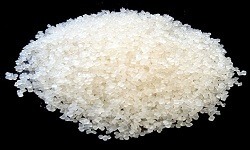
Linear-Low Density Polyethylene (LLDPE)
Found this useful?