INEOS Styrolution Starts Commercial Production of Recycled Polystyrene for Dairy Packaging
Commercial production of recycled polystyrene is gaining momentum as INEOS Styrolution moves beyond pilot trials and begins deliveries of mechanically recycled PS for dairy packaging. The development connects established polystyrene manufacturing with recycled feedstocks while maintaining the requirements needed for food-contact applications.
The move is particularly relevant to packaging producers and procurement teams looking to increase recycled content without switching away from polystyrene-based packaging formats. Food-contact approval adds another important dimension because recycled plastics for dairy applications must satisfy demanding safety and quality requirements.
For chemical traders, the development also signals growing commercial demand for recycled polymer grades with defined specifications rather than generic recycled plastic. As more converters seek circular materials, consistent quality, certification and supply availability are becoming central sourcing criteria.
Why Recycled Polystyrene Matters for Dairy Packaging
Polystyrene is widely used in food packaging because it offers low weight, good rigidity and efficient processing characteristics. Dairy packaging represents a demanding application where manufacturers need consistent dimensions, reliable forming performance and appropriate protection for the packaged product.
Mechanical recycling provides a route for recovering suitable polystyrene waste and converting it into new polymer products. Instead of sending used packaging into disposal streams, clean and appropriately sorted material can re-enter the production cycle.
The commercial availability of recycled PS is important because packaging manufacturers increasingly need practical options for meeting circularity targets. A commercially available grade can provide a more predictable sourcing route than relying exclusively on pilot-scale projects or limited recycled material supplies.
For procurement managers, the key consideration is whether the recycled material can deliver the required technical and regulatory performance at commercially viable volumes.
From Pilot Trials to Commercial Production
INEOS Styrolution's move from successful pilot trials to commercial-scale deliveries represents an important stage in the development of recycled polystyrene. Pilot projects can demonstrate technical feasibility, but commercial production requires consistent feedstock, stable processing and reliable product quality.
The transition indicates that the company has developed a production pathway capable of supporting customer requirements beyond laboratory or demonstration quantities. This distinction matters to buyers because commercial procurement depends on repeatable supply rather than one-off material batches.
For packaging converters, commercial availability can also simplify qualification programs. Once a recycled PS grade becomes part of an established supply portfolio, manufacturers can evaluate it alongside conventional grades and assess the material against their existing processing equipment and product specifications.
This creates a clearer path for companies seeking to incorporate recycled content into established dairy packaging formats.
Food-Contact Approval Changes the Procurement Equation
Food-contact applications impose additional requirements on recycled plastics. Packaging manufacturers must consider not only mechanical and processing performance but also whether the material is suitable for contact with food under the relevant regulatory framework.
The food-contact approval associated with INEOS Styrolution's recycled polystyrene is therefore an important commercial characteristic. It allows the material to target dairy packaging where regulatory compliance forms part of the purchasing specification.
For buyers, approval should be treated as one component of supplier qualification. Procurement teams should also review the exact grade, permitted applications, processing conditions and documentation provided by the supplier.
Key questions for technical and purchasing teams include:
Regulatory status: Does the specific recycled PS grade have the required food-contact approval for the intended market?
Material consistency: Can the supplier maintain consistent properties across commercial batches?
Feedstock quality: What type of post-consumer or post-industrial PS enters the recycling process?
Processing performance: Can the recycled grade run on existing thermoforming or other packaging equipment?
Traceability: Can the supplier document the recycled content and relevant chain-of-custody information?
These checks help distinguish a commercially useful recycled material from a generic recycled resin that may not meet the requirements of a regulated food application.
How Mechanical Recycling Supports Circular Polystyrene
Mechanical recycling generally involves collecting, sorting, cleaning and reprocessing plastic waste without breaking the polymer down into its chemical building blocks. For suitable polystyrene waste streams, this approach can preserve the polymer and return it to another manufacturing cycle.
The economics depend heavily on the quality of the recovered material. Contamination, mixed polymers, food residues and unsuitable additives can increase processing costs or restrict the applications available for the recycled resin.
This makes collection and sorting particularly important. High-quality feedstock can help recyclers produce a more consistent recycled PS grade that meets the specifications of downstream packaging manufacturers.
For chemical traders, this creates an opportunity to support a more specialized recycled polymer market. Customers are increasingly likely to specify the origin, recycled content, certification and performance characteristics of the resin they purchase.
What Commercial Recycled PS Means for Packaging Buyers
The shift to commercial production can give dairy packaging manufacturers a new sourcing option for circular materials. Instead of treating recycled content as an experimental addition, converters can evaluate recycled PS as part of their regular material procurement strategy.
The potential benefits include:
Circular material integration: Manufacturers can incorporate recycled PS into established packaging supply chains.
Performance continuity: A recycled PS grade can be assessed against existing polystyrene processing and product requirements.
Food-contact suitability: Approved material can support applications where regulatory compliance is essential.
Potential supply stability: Commercial production can provide greater availability than small pilot batches.
Customer requirements: Recycled content can help packaging suppliers respond to growing sustainability expectations from food and consumer goods companies.
However, recycled content does not automatically make every packaging application commercially viable. Buyers still need to evaluate price, availability, performance and regulatory documentation against their specific requirements.
Supply Chain Opportunities for Chemical Traders
Commercial recycled polystyrene creates a growing intersection between polymer trading and recycling supply chains. Traders can support manufacturers by providing access to recycled grades alongside conventional GPPS and other polymer options.
The market also creates opportunities around feedstock sourcing. Recycling companies require consistent access to suitable PS waste, while packaging manufacturers require consistent recycled resin. Businesses that can connect these two sides of the market can provide value through aggregation, logistics and supplier qualification.
Several areas deserve attention:
Recycled PS distribution: Commercial grades can be supplied to converters that need defined recycled-content materials.
Feedstock aggregation: Consistent collection of suitable polystyrene waste can support recycling plant utilization.
Technical sourcing: Buyers may require help identifying recycled grades suitable for thermoforming and food packaging.
Documentation support: Regulatory approvals, technical data and recycled-content information can become important parts of the purchasing process.
Regional availability: Recycling capacity is not evenly distributed, so international buyers may need to consider logistics when comparing recycled and virgin polystyrene.
For exporters and importers, these factors can influence the landed cost and commercial competitiveness of recycled PS.
Pricing and Availability Will Shape Adoption
The commercial success of recycled polystyrene will depend partly on how its economics compare with conventional PS. Virgin resin prices respond to feedstock costs, energy markets, production rates and regional supply-demand conditions, while recycled PS carries additional collection, sorting and processing costs.
Feedstock availability can also affect recycled resin pricing. If high-quality PS waste remains limited, competition among recyclers and packaging manufacturers may increase procurement costs.
At the same time, companies may place a value on recycled content because of customer requirements, sustainability targets or regulatory developments. This means the purchasing decision may involve more than a simple comparison between recycled and virgin resin prices.
Procurement teams should therefore assess total value, including technical qualification, regulatory suitability, supply reliability, recycled-content requirements and logistics.
What Procurement Teams Should Monitor
As recycled polystyrene moves into larger commercial applications, buyers should track both supplier capability and market availability. A commercially launched grade provides a stronger sourcing signal, but buyers still need to verify whether the material fits their specific application.
Important indicators include:
Commercial production volumes: Monitor whether suppliers can support regular purchasing programs rather than limited trial quantities.
Food-contact documentation: Confirm approvals and compliance for the specific country and application.
Recycled-content percentage: Establish the actual recycled content associated with the grade being purchased.
Technical specifications: Compare melt flow, density, stiffness, impact performance and thermoforming behavior with the current material.
Supply continuity: Review lead times, minimum order quantities and regional availability.
Pricing trends: Compare recycled PS against conventional GPPS while accounting for sustainability requirements.
Early qualification can help packaging manufacturers understand whether recycled PS can become a regular component of their procurement portfolio.
The Bottom Line for Recycled Polystyrene Buyers
INEOS Styrolution's move from pilot trials to commercial production demonstrates the growing effort to make recycled polystyrene available for demanding packaging applications. The combination of mechanical recycling, commercial-scale production and food-contact approval creates a more practical route for dairy packaging manufacturers seeking circular material options.
For chemical traders and procurement managers, the development highlights the importance of sourcing recycled polymers based on quality, regulatory status, traceability and supply reliability, rather than recycled content alone.
Commercial availability can also encourage more packaging manufacturers to qualify recycled PS alongside virgin material. As demand for circular polymers grows, buyers that establish specifications and supplier relationships early can better evaluate new recycled grades as they enter the market.
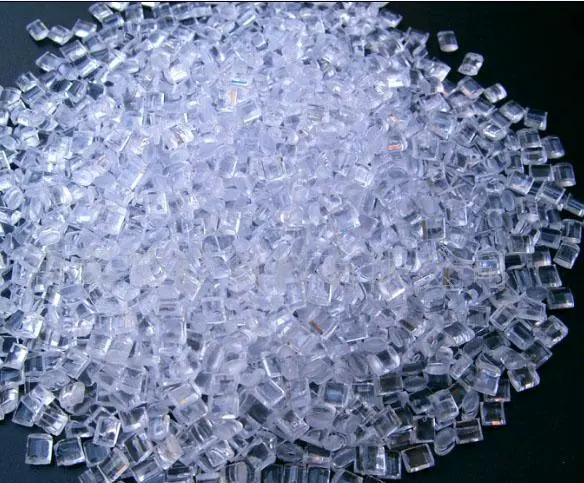
General-Purpose Polystyrene (GPPS)
Found this useful?