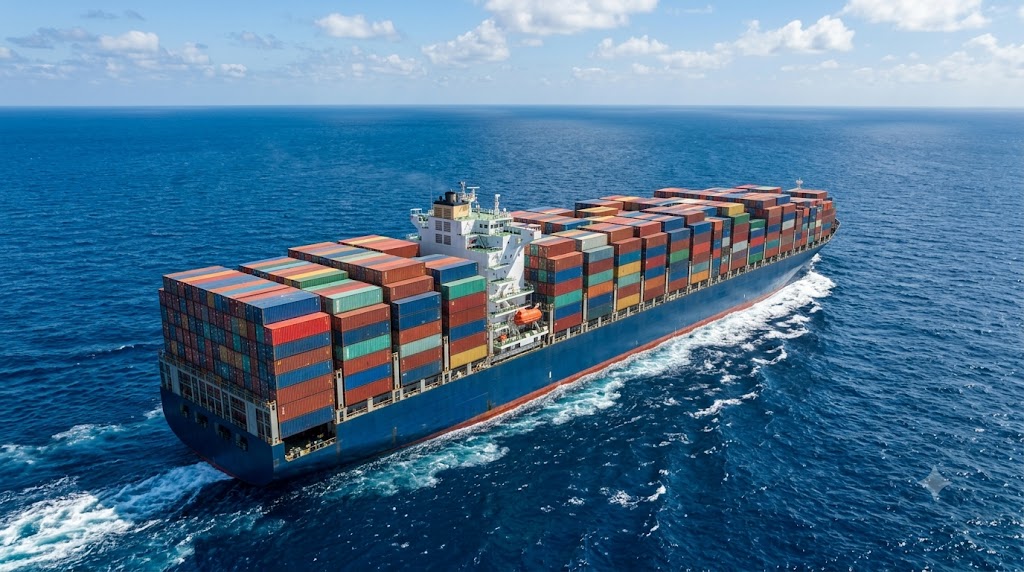
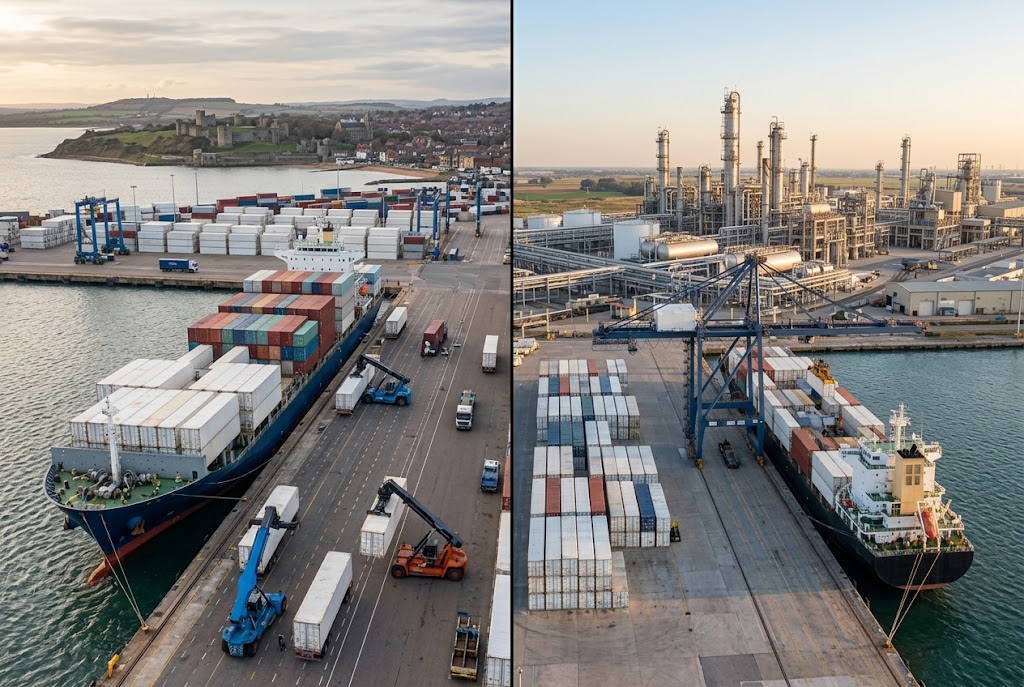
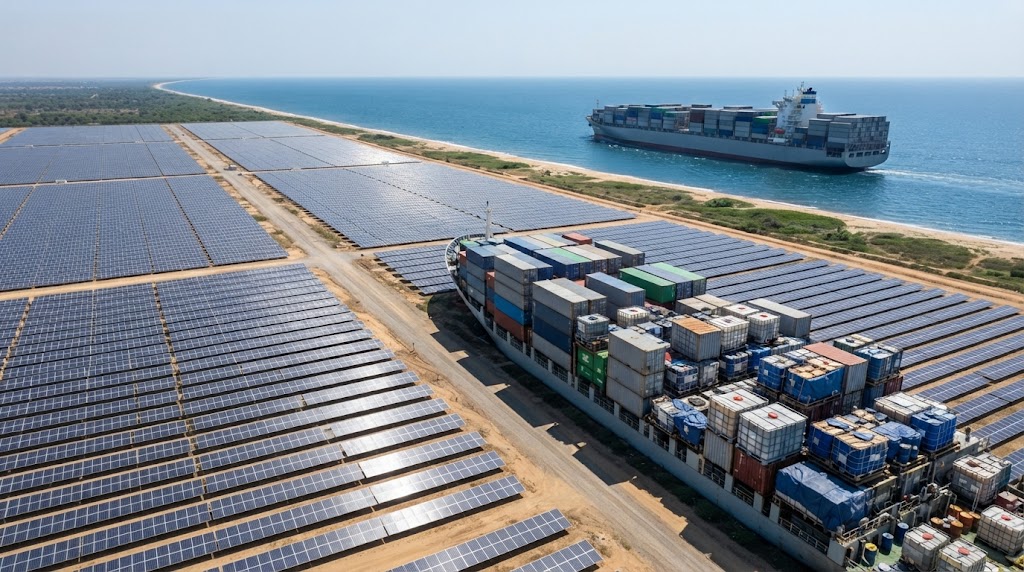
The UK's Trade Remedies Authority investigation into US linear low-density polyethylene imports covers the January-December 2025 period with injury assessment examining market conditions from 2022 through 2025. This extended timeline captures the full arc of how US imports surged and allegedly damaged Ineos's UK production. Traders familiar with transatlantic polymer flows warn that if resulting anti-dumping duties push UK prices too high, recently imported material could take a "round trip" back to the United States, creating perverse outcomes where trade remedies designed to protect domestic industry instead trigger re-export arbitrage.
For procurement teams managing polyethylene sourcing across Atlantic basin, this case illustrates complex dynamics where trade remedies, shipping economics and regional price differentials interact to create unexpected supply chain adjustments.
The Investigation Period Breakdown
Understanding the specific timeframes TRA examines helps buyers interpret how findings might affect current and future sourcing.
Dumping period of investigation:
January 1 - December 31, 2025 covering the year when alleged dumping occurred
Price comparisons between US domestic sales and UK export prices during this window
Cost data from US producers showing production expenses and profit margins
Injury period of investigation:
2022-2025 examining UK market conditions and Ineos performance across four years
Volume trends showing how US import growth evolved
Price effects demonstrating alleged undercutting or suppression
Financial impacts including Ineos profitability, capacity utilization and market share changes
The extended injury period allows TRA to establish baseline conditions before import surge and demonstrate deterioration as volumes grew.
For buyers, the 2025 investigation period means that current pricing and sourcing patterns directly inform the case. Contracts and purchases during 2025 become evidence in TRA analysis.
What "Round Trip" Actually Means
The trader warning about material taking a "round trip" describes a specific arbitrage dynamic unique to commodity chemicals with global markets.
Round trip mechanics:
UK importer brings US LLDPE into UK during 2025 at competitive pricing
Anti-dumping duties later imposed raising cost of future US imports
UK prices rise above US levels due to duties and reduced import competition
Original imported material now sitting in UK becomes worth more in US than UK
Trader re-exports to US capturing arbitrage profit
This scenario occurs when trade remedies overcorrect, creating price differentials larger than shipping costs between markets.
For procurement teams, round trip dynamics signal that:
Duties that appear to favor domestic supply might create new import/export patterns
Material availability in UK could tighten if traders export stocks
Price volatility increases during adjustment periods
Geographic arbitrage opportunities emerge for nimble traders
Why Round Trips Happen in Polymer Markets
Polyethylene and other commodity polymers exhibit characteristics making round trip scenarios plausible.
Enabling factors include:
Fungible product where US and UK LLDPE grades are often interchangeable
Global pricing with transparent benchmarks allowing arbitrage calculation
Established logistics including containerized shipping and bulk handling
Trader participation by companies specializing in geographic arbitrage
Shipping costs from US Gulf Coast to UK ports run approximately $80-120 per tonne depending on container rates, vessel availability and port congestion. Return shipping costs similar amounts.
If anti-dumping duties create UK-US price differentials exceeding $200-250 per tonne, round trip economics become attractive despite double shipping costs.
The irony is that trade remedies intended to reduce imports could trigger exports of the same material back to source markets when duties overshoot equilibrium pricing.
The 2022-2025 Market Context
The injury period captures dramatic shifts in European and UK polyethylene markets affecting both Ineos and import dynamics.
2022 conditions:
Russia-Ukraine conflict disrupting European energy and chemical supply chains
Extreme natural gas prices affecting European polymer production economics
Tight supply supporting elevated pricing and high capacity utilization
2023-2024 transition:
Energy costs moderating from crisis peaks
Demand weakness from construction and automotive sector slowdowns
New US capacity startups adding export-oriented production
Price declines and margin compression across European producers
2025 market:
Persistent overcapacity globally pressuring all producers
US exports finding European and UK buyers at competitive prices
Ineos facing difficult economics at Grangemouth facility
Import penetration reaching levels triggering trade remedy consideration
This context matters because TRA must determine whether Ineos injury stems from unfair US dumping versus general market deterioration affecting all producers.
US respondents will argue that market conditions, not dumping, caused Ineos difficulties. Ineos must demonstrate that import pricing specifically damaged its position beyond what market factors alone would explain.
Ineos's Injury Evidence Requirements
To secure anti-dumping duties, Ineos must convince TRA that US imports caused material injury to UK industry.
Required proof elements:
Volume impact showing import surge coinciding with market share loss
Price effects demonstrating undercutting, depression or suppression
Financial injury including declining profitability, capacity utilization and employment
Causation linking these injuries specifically to dumped imports rather than other factors
Ineos's likely arguments:
Import volumes doubling from 50,000 to 102,400 tonnes created significant displacement
US prices undercut Ineos domestic pricing forcing competitive responses
Grangemouth profitability and utilization declined during import surge period
US producers' feedstock advantages do not justify below-cost export pricing
Challenges Ineos faces:
Grangemouth has struggled economically for years predating import surge
European overcapacity and demand weakness affected all producers
High UK energy costs create structural disadvantages versus US
Some US import growth might reflect Ineos inability to serve full UK demand
TRA must weigh these competing narratives determining whether dumped imports materially injured Ineos or whether injury stems primarily from factors beyond import competition.
US Producer Defense Strategies
American LLDPE exporters will mount sophisticated defenses arguing their pricing reflects legitimate competition not dumping.
Expected defense arguments:
Natural gas feedstock advantage creates real cost benefits over European naphtha-based production
Market-based pricing responding to competitive conditions and buyer negotiations
No home market sales if producers demonstrate they sell primarily for export requiring alternative comparison methodologies
Cost changes showing that pricing reflected production cost variations during investigation period
Specific defense tactics:
Challenging Ineos's injury evidence showing other factors caused harm
Demonstrating that UK benefited from competitive US supply through lower prices
Arguing UK economic interest favors continued import access over protection
Providing detailed cost data showing sales above cost of production
Major US producers including ExxonMobil, Chevron Phillips, Formosa and others have extensive trade remedy experience and resources for vigorous defense.
However, TRA's primary mandate involves protecting UK industry. Even compelling US arguments about feedstock economics may not prevent dumping findings if TRA concludes exports occurred at prices below US domestic market levels or constructed costs.
The Economic Interest Test Dimension
UK trade remedy framework includes economic interest test requiring TRA to consider whether duties serve broader UK economic welfare beyond protecting domestic producers.
Economic interest considerations:
Consumer and buyer impacts from higher polymer prices affecting downstream industries
Employment at facilities using imported LLDPE versus Ineos production jobs
Innovation and competition effects from reduced import availability
Regional development supporting economic activity in areas dependent on Ineos
This test differentiates UK approach from some other jurisdictions where domestic industry injury alone triggers duties.
For procurement teams, this means:
Participating in TRA consultation processes to present buyer perspectives
Documenting how duties would affect costs and competitiveness
Demonstrating employment and economic activity dependent on competitive imports
Arguing UK interest favors maintained import access
Well-organized buyer advocacy can influence TRA economic interest conclusions, potentially preventing duties even if dumping and injury are found.
However, the political dimensions of supporting major domestic employer like Ineos create strong counterpressure favoring protection.
Shipping Economics and Trade Flows
Understanding transatlantic shipping costs and logistics helps explain both import surge and round trip concerns.
US to UK shipping costs:
Container rates varying from $1,000-3,000 per container depending on market conditions
Bulk vessel charters for larger volumes reducing per-tonne costs
Port handling, storage and inland transportation adding to delivered costs
Total logistics costs from US Gulf Coast to UK destination typically run $80-120 per tonne, varying with oil prices, vessel availability and port efficiency.
When US LLDPE production costs are $200-400 per tonne lower than European costs due to feedstock advantages, logistics costs are easily absorbed while maintaining competitive pricing.
Round trip would require:
UK prices exceeding US prices by $200+ per tonne covering double shipping plus margin
Available vessel capacity for return shipments
Buyers in US willing to purchase re-exported material
Timing when price differential persists long enough to execute trades
These conditions could materialize if anti-dumping duties are 30-40% or higher, creating artificial price floors in UK disconnected from global market levels.
Regional Price Differential Patterns
Polyethylene pricing exhibits regional differentials reflecting local supply-demand balances, feedstock costs and trade barriers.
Typical regional pricing relationships:
US Gulf Coast often lowest globally due to ethane advantages
Northwest Europe pricing $100-200/tonne above US reflecting naphtha costs and logistics
UK pricing historically tracking European levels given integrated markets
Asia varying widely by specific location and import dependency
Trade remedies disrupt these relationships by creating artificial barriers.
If UK duties make US imports uneconomic, UK prices could rise $150-300/tonne above current levels to ration domestic supply and attract alternative imports from Europe or Middle East.
At that point, material in UK becomes valuable export commodity to regions including US where prices remain lower, triggering the round trip scenario traders warn about.
What Buyers Currently Holding US Material Should Consider
Procurement teams with US LLDPE inventory in UK or in-transit shipments face specific considerations given investigation timing.
Strategic questions:
Should inventory be held anticipating price increases if duties impose?
Could material be re-exported to US or other markets if UK prices spike?
Do supply contracts have provisions addressing duty impacts?
Should additional imports be secured before preliminary duties potentially take effect?
Tactical considerations:
Provisional duties could apply to goods entered after preliminary determination (likely Q4 2026 or Q1 2027)
Material imported during investigation period but before duties generally not subject to retroactive duties
Storage costs must be weighed against potential price appreciation
Market liquidity could dry up if other traders pursue similar strategies
The buyers with strong market intelligence and flexible logistics can potentially profit from price dislocations that trade remedies create.
However, this requires careful risk management as outcomes remain uncertain and as attempts to arbitrage might fail if expected price movements do not materialize.
Alternative Sourcing Development Urgency
Regardless of whether round trips occur, the investigation creates urgency for buyers to develop non-US LLDPE sources.
Alternative origin options:
Continental Europe from producers including Borealis, Sabic, Total
Middle East exports from Saudi Arabia, UAE with competitive feedstock economics
Domestic Ineos accepting potential price and service trade-offs
Other regions if logistics and pricing work though less common for UK market
Development timeline considerations:
Technical qualification requiring several months for testing and approval
Commercial negotiations establishing pricing, terms and supply commitments
Logistics setup including shipping arrangements and inventory planning
Relationship building with suppliers previously not serving your account
Beginning this work now rather than after final determination provides more options and better negotiating position.
Suppliers aware that buyers are qualifying them due to trade remedy uncertainty may offer favorable terms to secure long-term business.
Impact on UK-Europe Polymer Integration
The UK and European Union maintained integrated chemical and polymer markets for decades pre-Brexit. Post-Brexit dynamics including this investigation affect that integration.
Historical integration characteristics:
Free movement of goods without tariffs or trade remedies
Harmonized standards and regulatory approvals
Integrated supply chains with UK facilities serving EU and vice versa
Arbitrage opportunities limited by minimal trade barriers
Post-Brexit changes:
Customs procedures and documentation requirements
Potential for divergent regulations and standards
UK-specific trade remedies like current investigation
Reduced seamless integration though still substantial trade
Anti-dumping duties on US LLDPE could make European sources more competitive in UK markets. However, European producers face their own challenges with high energy costs and overcapacity limiting how much additional UK demand they can profitably serve.
The investigation highlights how Brexit created policy space for UK-specific trade actions that would have been impossible under EU membership where such decisions are made at European level considering all member states.
How This Affects Different Buyer Segments
Various UK LLDPE buyer categories face distinct impacts from potential duties.
Large integrated converters:
Volume purchasing power potentially securing favorable terms with Ineos
Technical resources to qualify multiple sources quickly
Storage capacity to manage inventory strategically
Financial strength to absorb cost increases and pass to customers
Small and medium converters:
Limited leverage with suppliers on pricing and terms
Resource constraints in qualifying alternatives
Dependence on distributors and traders for supply
Margin pressure if duties raise costs without ability to pass through
Traders and distributors:
Opportunities and risks from price volatility
Potential for arbitrage if round trip dynamics materialize
Relationship management with both suppliers and customers during uncertainty
Working capital impacts from inventory value fluctuations
Each segment should develop strategies appropriate to their scale, capabilities and market positioning.
The Precedent for Future Cases
This investigation establishes precedent for how UK addresses alleged dumping in commodity chemicals post-Brexit.
Precedent elements include:
TRA's analytical approach to commodity product dumping cases
Weight given to domestic producer petitions versus economic interest considerations
Duty levels deemed appropriate balancing protection and competition
Derogation or exemption criteria for specific applications or buyers
If TRA supports Ineos with substantial duties, other UK chemical producers facing import competition might file similar cases.
Potential future targets could include:
Other polyethylene grades (HDPE, LDPE) if imports surge
Polypropylene from various origins
PVC or other commodity polymers
Specialty chemicals where UK maintains production capacity
Conversely, if TRA rejects the petition or imposes minimal duties, it signals buyer-friendly UK trade policy discouraging protectionism in favor of competitive imports.
The outcome will inform procurement strategies beyond LLDPE, affecting how buyers evaluate UK sourcing and import dependency risks across chemical portfolios.
What Procurement Teams Should Do Before Preliminary Determination
Buyers have several months before TRA issues preliminary findings. This window allows proactive positioning.
Immediate action items:
Quantify exposure to US LLDPE calculating volumes, costs and switching costs
Engage TRA submitting comments during consultation periods presenting buyer perspectives
Contact suppliers requesting clarity on how they will handle potential duties
Begin qualification of European and Middle East alternatives through technical testing
Medium-term preparations:
Negotiate contracts with Ineos if domestic sourcing becomes primary strategy
Develop scenarios modeling cost impacts at various duty levels
Build inventory if budget and storage allow, capturing current pricing before duties
Communicate downstream preparing customers for potential cost increases
Strategic planning:
Assess specification flexibility determining where product requirements might accommodate alternatives
Evaluate geographic shifts if serving both UK and other markets creates sourcing optimization opportunities
Consider vertical integration if LLDPE costs and availability become critical enough to justify captive production
Monitor regulatory developments as investigation progresses toward conclusions
The buyers investing in preparation now will maintain better supply security and cost positions regardless of investigation outcomes.
The Bottom Line for Transatlantic PE Trade
Ineos forcing the UK's hand through anti-dumping petition creates fundamental uncertainty for transatlantic LLDPE trade. The 2025 investigation period and 2022-2025 injury assessment provide comprehensive data for TRA analysis. Yet trader warnings about "round trip" scenarios illustrate how trade remedies can create unintended consequences when duties overshoot market equilibrium.
For procurement teams, the case demonstrates that commodity chemical sourcing increasingly involves navigating trade policy, regulatory uncertainty and geopolitical dynamics alongside traditional supply chain management.
Understanding investigation mechanics, potential duty levels, arbitrage dynamics and alternative sourcing options positions buyers to adapt successfully regardless of how TRA ultimately rules.
The next 12-15 months will determine whether UK polyethylene markets maintain open trade orientation or shift toward protection of domestic production at cost of higher prices and reduced import competition. Procurement strategies must prepare for either outcome while maintaining flexibility as events unfold.
Ready to source High Density Polyethylene (HDPE) from verified global suppliers? Explore competitive offers on our platform today.