Insecticides Market Trends: Global Consumption and Agricultural Applications
Insecticides play an important role in modern agriculture by helping farmers control insect pests that damage crops, reduce yields and affect food quality. Global demand reflects the need to protect agricultural production from changing pest pressures, crop losses and growing food requirements. At the same time, the market continues to evolve as regulators, manufacturers and agricultural buyers place greater emphasis on product safety, application efficiency and environmental impact.
For chemical traders, importers, distributors and procurement managers, understanding insecticide market trends helps identify demand opportunities and make better sourcing decisions. Consumption patterns vary across regions, crop types and farming systems, creating different requirements for active ingredients, formulations and product grades.
Global Insecticides Market: Consumption and Demand
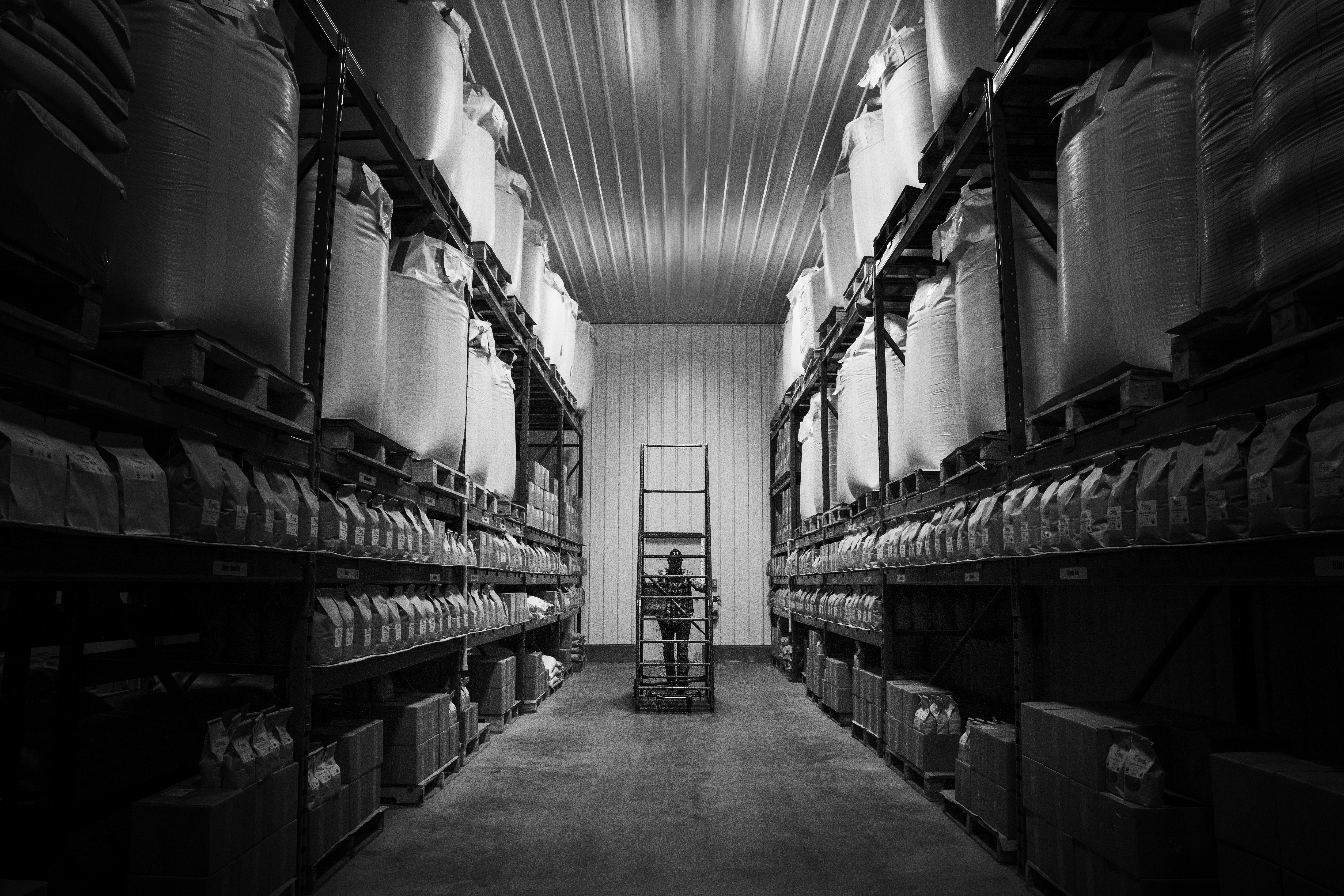
The global insecticides market forms a major part of the wider crop protection industry. Farmers use these products to manage insects that attack crops during planting, growing, flowering and storage. Demand depends on several factors, including cultivated land, crop value, pest outbreaks, weather conditions and the availability of alternative pest management methods.
The Food and Agriculture Organization (FAO) tracks pesticide use by category, including insecticides, herbicides and fungicides. Its updated 2026 data release covers agricultural pesticide use through 2024 and reports total pesticide use of 3.92 million tonnes of active ingredients in 2024. This figure includes multiple pesticide categories, so it should not be interpreted as insecticide consumption alone.
FAO-based data also indicates that the composition of pesticide use has changed over time. Insecticides represented a smaller share of total pesticide use in 2023 than in 1990, while their absolute use increased over the longer period. This shows why buyers should examine category-specific figures rather than relying only on total pesticide consumption when assessing market demand.
Commercial market estimates provide another perspective. Grand View Research estimated the global insecticides market at approximately USD 10.4 billion in 2025 and projected growth through 2033. Such figures represent commercial market estimates rather than official measurements of agricultural consumption, but they indicate continued business interest in crop protection products.
Grand View Research
Major Agricultural Applications of Insecticides
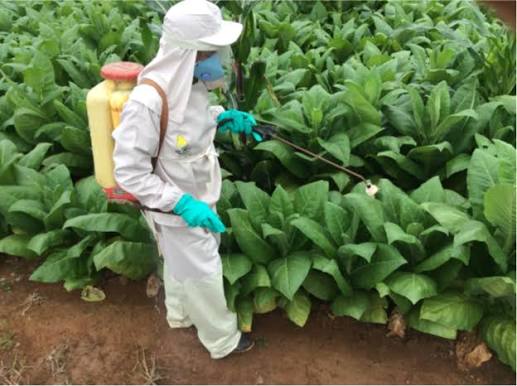
Agriculture accounts for a significant range of insecticide applications. Farmers select products according to the crop, target pest, application method and stage of plant development. A product that works for one pest or crop may not provide the same results in another situation.
Common agricultural applications include:
Cereals and grains: Farmers use insecticides to manage pests affecting rice, wheat, maize and other staple crops. Pest control helps protect plant development and reduce losses before harvest and during storage.
Oilseeds and pulses: Insect pests can damage leaves, stems, pods and seeds. Insecticide applications help protect crops such as soybean, canola, chickpeas and lentils.
Fruits and vegetables: Commercial growers use insecticides to control insects that damage fruit, leaves and marketable produce. Pest management can help maintain crop quality and reduce losses.
Cotton: Cotton production faces several insect threats, including sucking pests and caterpillars. Farmers select suitable control products based on pest identification and local resistance patterns.
Plantation crops: Tea, coffee, sugarcane and other plantation crops may require targeted pest management to protect long growing cycles and commercial output.
Application decisions should follow product labels, local regulations and recommended agricultural practices. Correct pest identification also helps farmers avoid unnecessary treatments.
Regional Patterns in Insecticide Consumption
Insecticide consumption differs significantly across regions. Climate, crop mix, farming intensity, pest populations and agricultural practices all influence local demand. Import requirements and product registrations also shape how suppliers serve individual markets.
Asia-Pacific
Asia-Pacific is an important market for agricultural insecticides because of its large farming sector and diverse crop production. Rice, vegetables, cotton, fruits and plantation crops create demand for different pest control products. Countries such as China, India, Indonesia and Vietnam have substantial agricultural industries, although their consumption patterns and regulatory requirements vary.
FAO-based 2023 data shows that Asia recorded approximately 438,351 tonnes of agricultural insecticide use. South-eastern Asia accounted for a substantial part of this regional figure. These statistics measure active ingredients used in agriculture, not the volume or value of formulated products sold through commercial channels.
Our World in Data+1
North and South America
The Americas include large-scale producers of maize, soybean, cotton, fruits and other commercial crops. Brazil is a notable agricultural insecticide user, with FAO-based data recording approximately 127,282 tonnes in 2023. Demand reflects the scale of crop production, pest pressure and the need to protect high-value agricultural output.
Our World in Data
Europe
European demand operates within detailed regulatory requirements covering pesticide approval, product use and environmental protection. Buyers and distributors must check the regulatory status of active ingredients and formulated products in each destination market. Crop-specific requirements and integrated pest management practices also influence product selection.
Africa
Agricultural insecticide demand across Africa varies by country, climate and crop production system. Pest control can be important for food crops, cash crops and stored agricultural commodities. However, access to registered products, distribution networks, technical guidance and reliable supply can differ considerably between markets.
Common Insecticide Types and Their Uses
Manufacturers produce insecticides using different active ingredient groups and modes of action. Each group has distinct properties, target pests and application requirements. Buyers should evaluate the active ingredient and formulation rather than treating all insecticides as interchangeable products.
Major categories include:
Organophosphates: This chemical group has applications in agricultural pest control. Buyers must consider regulatory status, toxicity classification, permitted uses and handling requirements when sourcing these products.
Pyrethroids: Synthetic pyrethroids are used against a range of insect pests in agricultural applications. Their suitability depends on the target pest, crop, formulation and resistance conditions.
Carbamates: Carbamate insecticides have historically served several crop protection applications. Product availability and permitted uses depend on local regulatory decisions.
Neonicotinoids: These insecticides act on insect nervous systems and have been used in selected crop and seed treatment applications. Restrictions differ between markets, particularly because of concerns about effects on pollinators and other non-target organisms.
Biological insecticides: These products use biological organisms or naturally derived substances to manage specific pests. They form part of wider efforts to develop targeted pest control programmes.
The FAO classification of insecticides includes several chemical families, such as organophosphates, carbamates, pyrethroids and botanical or biological products. This classification helps users interpret agricultural pesticide statistics by product group.
Factors Shaping Insecticide Market Trends
Several commercial and agricultural developments influence insecticide demand and product selection.
Changing pest pressure
Temperature, rainfall and seasonal conditions can affect insect populations and their distribution. Farmers may face different pest challenges as weather patterns change or growing seasons shift. These conditions can influence the timing and frequency of pest control programmes.
Insecticide resistance
Repeated use of products with similar modes of action can contribute to insect resistance. When a pest population becomes less responsive to a particular treatment, farmers may need alternative control strategies. Resistance management can involve rotating suitable modes of action, monitoring pest populations and combining chemical treatments with other control methods.
Integrated pest management
Integrated pest management combines monitoring, biological controls, cultural practices and carefully selected chemical treatments. It aims to control pests while limiting unnecessary pesticide use and reducing risks to people and the environment. This approach can influence demand for targeted products and biological alternatives.
Regulatory requirements
Regulatory authorities assess active ingredients, formulations, permitted crops, application rates and safety requirements. Restrictions or changes to product approvals can affect manufacturers, importers and distributors. Buyers should confirm that products meet the requirements of the destination country before placing orders.
Demand for targeted formulations
Agricultural buyers increasingly consider formulation performance alongside active ingredient selection. Concentration, stability, compatibility, packaging and application characteristics can affect product suitability. Suppliers that provide consistent quality and reliable technical documentation can support stronger buyer confidence.
Procurement Considerations for Insecticide Buyers
For chemical traders and agricultural distributors, purchasing insecticides requires more than comparing quoted prices. Product quality, regulatory status and supply reliability can affect the commercial value of a shipment.
Before selecting a supplier, buyers should assess:
Active ingredient and concentration: Confirm the exact active ingredient, concentration and formulation type against the intended application.
Product registration: Check whether the product has the required approval or registration for the destination market and intended crop use.
Quality documentation: Request a certificate of analysis, safety data sheet and relevant technical documentation. Confirm that product specifications match the purchase agreement.
Packaging and storage: Review packaging integrity, storage conditions, shelf life and transport requirements. Some products require specific temperature or handling controls.
Supplier consistency: Assess the supplier's ability to maintain consistent quality, provide reliable shipment schedules and communicate changes in product specifications.
Regulatory and transport compliance: Confirm applicable dangerous goods classifications, labelling requirements and import documentation before shipment.
Buyers should also consider the full landed cost. Freight, insurance, duties, local registration requirements and storage expenses can change the final procurement cost significantly.
Supply Chain and Trade Opportunities
The insecticide supply chain connects active ingredient manufacturers, formulation producers, exporters, importers, distributors and agricultural end users. Each stage affects product availability, delivery time and cost.
International trade creates opportunities for buyers to compare suppliers across manufacturing regions. However, a competitive quotation does not automatically indicate a suitable product. Importers should confirm the product's identity, quality specifications, regulatory acceptance and transport requirements before finalising a transaction.
FAO's 2026 pesticide trade update reports that the volume of pesticide exports increased by 53 percent between 2015 and 2024, while export value rose by 35 percent. These figures cover pesticides as a broad category, not insecticides alone, but they demonstrate the scale and changing dynamics of international pesticide trade.
FAOHome+1
For distributors, reliable sourcing can help maintain stock availability during seasonal demand peaks. For manufacturers and exporters, clear specifications and market-specific documentation can make it easier to serve international buyers.
The Future of the Insecticides Market
The insecticides market will continue to respond to agricultural productivity needs, pest resistance, environmental concerns and regulatory developments. Conventional chemical products will remain part of crop protection programmes in many markets, while biological products and more targeted pest management approaches may gain further attention.
Digital agriculture can also support more precise pest monitoring and application decisions. Field sensors, satellite information and digital crop management tools can help farmers identify pest pressure and make better-informed treatment decisions. These technologies do not replace sound agronomic advice, but they can support more efficient use of crop protection products.
For chemical buyers, the key priority will be to balance product performance, compliance, supply reliability and total procurement cost. Suppliers that maintain consistent specifications and provide appropriate documentation can become valuable partners in an increasingly demanding agricultural market.
Acesulfame Potassium (E950)
Found this useful?