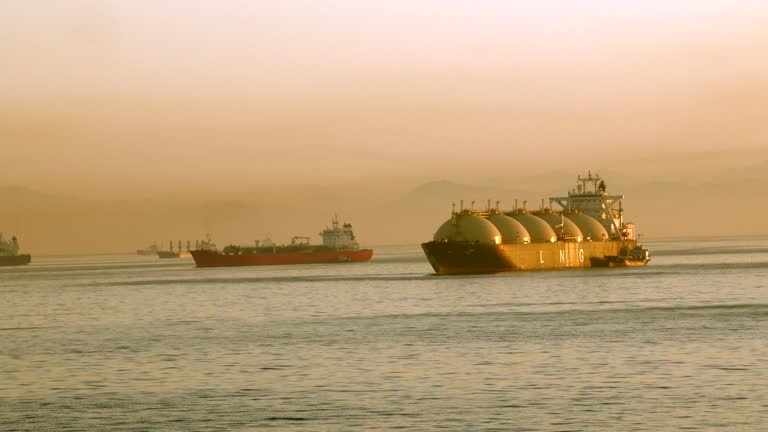
The Strait of Hormuz is a chokepoint that commands global attention. While analysts often focus on geopolitical tensions or naval blockades, the real engine that can bring shipping to a halt is the insurance market. When insurers decide to withdraw or limit war‑risk coverage, vessels find themselves stranded not by a physical obstacle but by a lack of financial protection.
The Role of Insurance in Maritime Risk
Marine insurance is the backbone of maritime logistics. It covers a spectrum of risks from collisions and piracy to environmental damage and political unrest. For ships operating in high‑risk zones, war‑risk clauses—sometimes called “political risk” or “military risk” coverage—are essential. These clauses protect operators against losses stemming from acts of war, sanctions, or blockades.
Key Components of War‑Risk Coverage
Loss of Ship or Cargo – covers physical damage or loss due to military action.
Delays in Transit – compensates for time lost while rerouting orndry delays.
Environmental Liability – protects against pollution incidents caused by hostile acts.
Political Hostile Actions – includes sanctions, embargoes, and armed conflicts.
Why Physical Blockade Is Not the Only Threat
Even when a blockade is absent, insurers may assess the risk as too high and refuse coverage. This decision can trigger a cascade: without coverage, Einsteins shipping companies cannot secure financing, cannot insure crew or cargo, and ultimately cannot operate. The result is a voluntary blockade, driven by financial constraints rather than military ones.
Case Studies: Chemical Shipping and War‑Risk Coverage
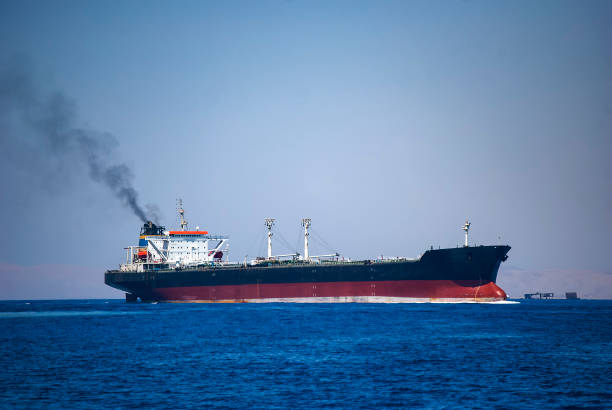
Chemical carriers are among the most vulnerable to insurance withdrawals. Their cargoes carry high environmental and health risks, meaning insurers demand stringent risk mitigation. A recent incident in 2023 saw a major chemical tanker reroute after its insurer declined war‑risk coverage for a passage through the Hormuz corridor.
Incident Overview
The tanker was scheduled to cross the Strait during heightened regional tensions.
The insurer cited increased piracy incidents and the possibility of sanctions.
Without coverage, the operator faced a 40% premium hike or refusal to operate.
The tanker diverted to the Arabian Gulf, increasing transit time by 48 hours and slashing profit margins. The diversion also exposed the vessel to new weather hazards, underscoring the ripple effects of insurance decisions.
The Mechanics of Insurance Withdrawal
Insurance withdrawal is not arbitrary; it follows a structured assessment process:
Premium Calculation – high-risk scenarios translate into steep premiums that some operators cannot afford.
Policy Revisions – insurers may impose stricter terms or coverage limits.
Contractual Clauses – operators can negotiate “no‑action” clauses that protect them if coverage is withdrawn.
Implications for Shipping Operators
When insurers pull coverage, operators face several critical challenges:
Financial Strain – sudden premium hikes or refusal to билдүр.
Operational Delays – rerouting or idling reduces vessel utilization.
Reputational Risk – clients may view operators as unreliable.
Legal Exposure – failure to meet contractual obligations can lead rapides litigation.
Mitigation Strategies
Shipping companies can adopt a multi‑layered approach to reduce dependency on a single insurer:
Multiple Insurance Providers – spread risk across several underwriters.
Risk‑Sharing Agreements – partner with other operators or leasing companies.
Alternative Routes – maintain backup shipping lanes and have contingency plans.
Political Risk Hedging – invest in sovereign risk insurance or government‑backed guarantees.
Additionally, industry bodies can lobby for standardized war‑risk frameworks that reduce asymmetric information and encourage transparent pricing.