
Integrated Pest Management: Reducing Chemical Inputs in Modern Agriculture
Understanding the Core Principles of Integrated Pest Management
Integrated Pest Management (IPM) is an agricultural approach that combines different pest control techniques to keep harmful organisms below economically damaging levels.
Rather than automatically applying pesticides, farmers make decisions based on pest identification, field monitoring, crop conditions and potential economic losses.
The approach follows four important stages:
1. Prevention
Farmers use agricultural practices that reduce the likelihood of pest infestations. Crop rotation, resistant crop varieties, field sanitation and appropriate planting schedules can help prevent pest populations from becoming established.
2. Monitoring and Identification
Regular field inspections help farmers identify insects, weeds and diseases before they cause significant damage. Accurate identification also prevents unnecessary treatments against harmless or beneficial organisms.
3. Establishing Action Thresholds
An action threshold represents the pest population level at which intervention becomes economically justified. Farmers use these thresholds to determine whether a control measure is necessary.
4. Selecting and Evaluating Control Methods
When pest populations exceed acceptable levels, farmers select suitable control methods based on effectiveness and potential risks. They then evaluate the results and adjust their management strategies where necessary.
The US Environmental Protection Agency (EPA) identifies these principles as the foundation of effective IPM programmes.
US EPA+1
Biological Control: Using Natural Enemies to Manage Pests
Biological control is one of the most important components of IPM. It uses naturally occurring organisms or biological agents to suppress pest populations.
Instead of depending exclusively on synthetic insecticides, farmers can introduce or conserve beneficial organisms that attack agricultural pests.
Common biological control approaches include:
Predatory insects: Ladybirds and lacewings feed on aphids and other agricultural pests.
Parasitic insects: Certain parasitic wasps attack specific pest species by laying eggs in or on their hosts.
Beneficial microorganisms: Certain bacteria and fungi help control insects and plant diseases.
Entomopathogenic fungi: Organisms such as Beauveria bassiana can infect susceptible insect pests under suitable conditions.
Microbial pesticides: Products based on Bacillus thuringiensis can target specific insect larvae.
Biological control requires careful planning because environmental conditions influence the survival and effectiveness of beneficial organisms.
Farmers must also avoid unnecessary broad-spectrum pesticide applications that could damage natural pest enemies.
For agrochemical manufacturers, biological control creates opportunities to develop microbial products, specialised carriers and formulation technologies that support stable agricultural application.
Cultural and Mechanical Practices That Reduce Chemical Inputs
Cultural and mechanical control methods help farmers manage pests through changes in agricultural practices and physical interventions.
These methods can reduce pest pressure before farmers need to consider chemical treatments.
Crop rotation changes the crop grown in a particular field across successive seasons. This can interrupt the life cycles of pests that depend on specific host plants.
Intercropping involves growing different crops together to influence pest movement and improve biodiversity within agricultural fields.
Field sanitation removes crop residues, infected plant material and other sources that may support pest development.
Mechanical weed control uses equipment such as cultivators and mechanical weeders to remove unwanted vegetation.
Physical barriers such as insect nets and protective covers can prevent certain pests from reaching crops.
These practices are particularly valuable when farmers combine them with biological monitoring and suitable crop management schedules.
However, their effectiveness depends on crop type, soil conditions, farm size and local pest pressure. Large commercial farms may need specialised equipment and additional labour to implement some mechanical approaches.
Precision Agriculture and Digital Monitoring in IPM
Technology is expanding the possibilities for integrated pest management by helping farmers identify problems earlier and make more informed decisions.
Traditional monitoring often relies on manual field inspections. Modern agricultural systems increasingly combine these inspections with digital tools, sensors and remote monitoring technologies.
Important developments include:
Agricultural drones: Drones capture field images that help identify unusual crop conditions and areas requiring closer inspection.
Satellite monitoring: Remote sensing technologies help agricultural operators observe crop development and identify potential problem areas.
Smart pest traps: Connected traps can collect information about insect activity and support more regular monitoring.
Artificial intelligence: Image recognition systems can help identify certain pests and crop diseases from photographs.
Weather-based forecasting: Temperature, rainfall and humidity data can help estimate conditions that favour pest development.
These technologies allow farmers to move towards more targeted interventions.
For example, instead of treating an entire agricultural field, a farmer may identify a specific area with elevated pest activity and consider an appropriate local treatment.
This approach can reduce unnecessary pesticide applications, improve resource allocation and support better crop monitoring.
However, digital systems still require reliable field data and accurate pest identification. Technology should support agricultural decision-making rather than replace practical crop inspections.
Selective Pesticides and Responsible Chemical Applications
Integrated Pest Management does not eliminate the role of chemical pesticides. Instead, it encourages farmers to use them selectively when preventive, biological and physical methods cannot provide satisfactory control.
The selection of an appropriate pesticide depends on the target pest, crop type, infestation level and potential effects on beneficial organisms.
IPM programmes generally favour:
Target-specific products that control identified pests while limiting unnecessary effects on non-target organisms.
Appropriate application rates according to product labels and local regulations.
Spot or partial-field treatments where conditions justify them.
Correct application timing to improve treatment effectiveness.
Rotation of pesticide modes of action to help manage resistance development.
Pesticide resistance represents a significant challenge in modern agriculture. Repeated use of products with the same mode of action can select for resistant pest populations and reduce the effectiveness of existing crop protection chemicals.
Resistance management therefore requires monitoring, appropriate product rotation and integration with non-chemical control methods.
For agrochemical suppliers, this creates demand for reliable, properly registered and application-specific crop protection products.
Economic and Environmental Benefits of Integrated Pest Management
IPM can create economic and environmental benefits when farmers implement suitable combinations of pest management methods.
One important advantage is the potential reduction in unnecessary pesticide purchases. Farmers who monitor pest populations and apply treatments only when justified can manage input expenses more efficiently.
Other potential benefits include:
Lower pesticide exposure: More targeted chemical applications can reduce unnecessary exposure risks for farm workers and surrounding environments.
Improved biodiversity: Protecting beneficial insects and other organisms supports natural pest regulation and ecological balance.
Reduced pesticide residues: Appropriate pesticide selection and application practices can help manage residues in agricultural produce.
Better resistance management: Combining different control strategies reduces dependence on individual chemical products and supports longer-term pest management.
More informed farm decisions: Regular monitoring gives farmers better information about crop conditions and the effectiveness of different interventions.
The FAO identifies IPM as an approach that can support agricultural productivity, protect ecosystem services and reduce pesticide-related risks.
FAOHome+1
However, successful implementation requires knowledge, planning and access to suitable agricultural technologies. IPM does not guarantee lower production costs in every situation because monitoring, training and non-chemical interventions can require additional investment.
Challenges Facing Commercial Adoption of IPM
Despite its potential benefits, integrated pest management faces practical challenges across agricultural markets.
Small-scale farmers may lack access to technical advice, pest monitoring services and specialised biological control products.
Commercial farms also face challenges when they need to coordinate different pest management methods across large cultivation areas.
Some of the major barriers include:
Limited technical knowledge: Farmers need training to identify pests, understand action thresholds and select suitable control methods.
Availability of biological products: Access to reliable biological pesticides and beneficial organisms can vary considerably between markets.
Storage and transportation: Certain biological products require specific temperature and handling conditions to maintain their effectiveness.
Initial implementation costs: Monitoring equipment, specialist labour and digital agricultural tools can increase early investment requirements.
Market and regulatory differences: Registration requirements and permitted pest control methods vary between countries.
Agricultural extension services, research institutions and agrochemical companies can help address these barriers through technical support, product development and farmer education.
Opportunities for Agrochemical Manufacturers and Chemical Traders
The shift towards integrated pest management is changing demand across the agricultural chemicals supply chain.
Although reduced dependence on conventional pesticides may affect certain product categories, IPM also creates opportunities for manufacturers of biological pesticides, specialised formulation ingredients and targeted crop protection products.
Important commercial opportunities include:
Biological crop protection: Manufacturers can expand their portfolios with microbial insecticides, biological fungicides and other registered biopesticides.
Specialty formulation ingredients: Surfactants, stabilisers, dispersants and protective carriers support the development of different pesticide formulations.
Application technologies: Suppliers can serve demand for equipment and materials that improve targeted pesticide delivery.
Integrated crop protection solutions: Distributors can offer complementary biological and chemical products for different stages of agricultural pest management.
For chemical traders, understanding these developments can help identify changing buyer requirements.
Procurement teams should evaluate product specifications, active ingredient concentrations, supplier documentation, shelf life and storage conditions before selecting biological or conventional crop protection products.
The ability to supply consistent quality and suitable technical documentation will remain important in this evolving market.
Integrated Pest Management Outlook for 2027 and Beyond
The future of IPM will depend on the combination of agricultural research, digital monitoring, biological control and responsible pesticide use.
Several developments are likely to influence its adoption over the coming years.
Biological innovation: Research into beneficial microorganisms and biological control agents will support the development of additional crop protection options.
AI-powered monitoring: Image recognition, connected traps and agricultural sensors may improve pest identification and monitoring efficiency.
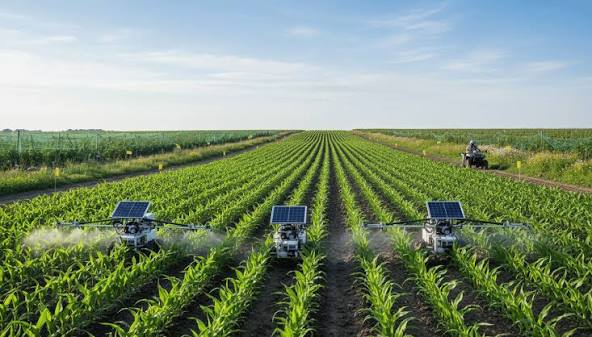
Precision spraying: Targeted application technologies can help farmers treat affected areas instead of applying pesticides across entire fields.
Climate-responsive pest management: Changing temperatures and rainfall patterns may require farmers to adjust monitoring schedules and pest control strategies.
Integrated product portfolios: Agrochemical suppliers may increasingly combine conventional pesticides, biological products and specialised formulation technologies.
Government policies and sustainability initiatives will also influence adoption. The European Union, for example, promotes IPM as a key element of sustainable pesticide use, with professional users expected to follow its general principles.
Food Safety+1
The commercial opportunity will extend beyond pesticide manufacturers. Biological ingredient suppliers, agricultural technology providers and chemical distributors can all participate in the development of integrated crop protection systems.
What Agricultural Buyers and Suppliers Should Prioritise
Integrated Pest Management represents a shift from routine pesticide applications towards informed, preventive and targeted crop protection.
For farmers, successful implementation depends on regular monitoring, accurate pest identification and combining suitable biological, cultural, mechanical and chemical methods.
For agrochemical manufacturers and distributors, the changing market creates opportunities to supply specialised biological products, formulation ingredients and targeted crop protection solutions.
Businesses that understand these changing agricultural requirements can build stronger supplier relationships and respond to the demand for more sustainable crop protection.
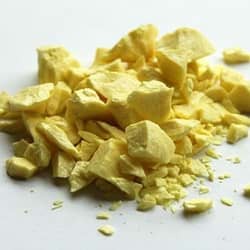
Sulphur
Found this useful?