Prebiotic fibres have become essential ingredients in modern food formulation as manufacturers respond to growing consumer interest in digestive health and functional nutrition. Among the most widely used are inulin and fructooligosaccharides (FOS), two dietary fibres that support gut health while also improving texture, mouthfeel and sugar reduction strategies across a wide range of food applications. Although these ingredients are frequently discussed together, they differ significantly in production method, molecular structure and supply chain dynamics.
For procurement professionals, understanding these differences is critical. Selecting the correct prebiotic fibre involves more than comparing prices or fibre content. Production source, degree of polymerisation and seasonal raw material availability all influence ingredient performance, supply reliability and long-term procurement planning.
Both inulin and FOS belong to the fructan family of carbohydrates and function as prebiotic dietary fibres that selectively nourish beneficial gut bacteria.
Despite their similarities, they are produced through different manufacturing routes that create products with distinct functional characteristics.
The two principal production pathways are:
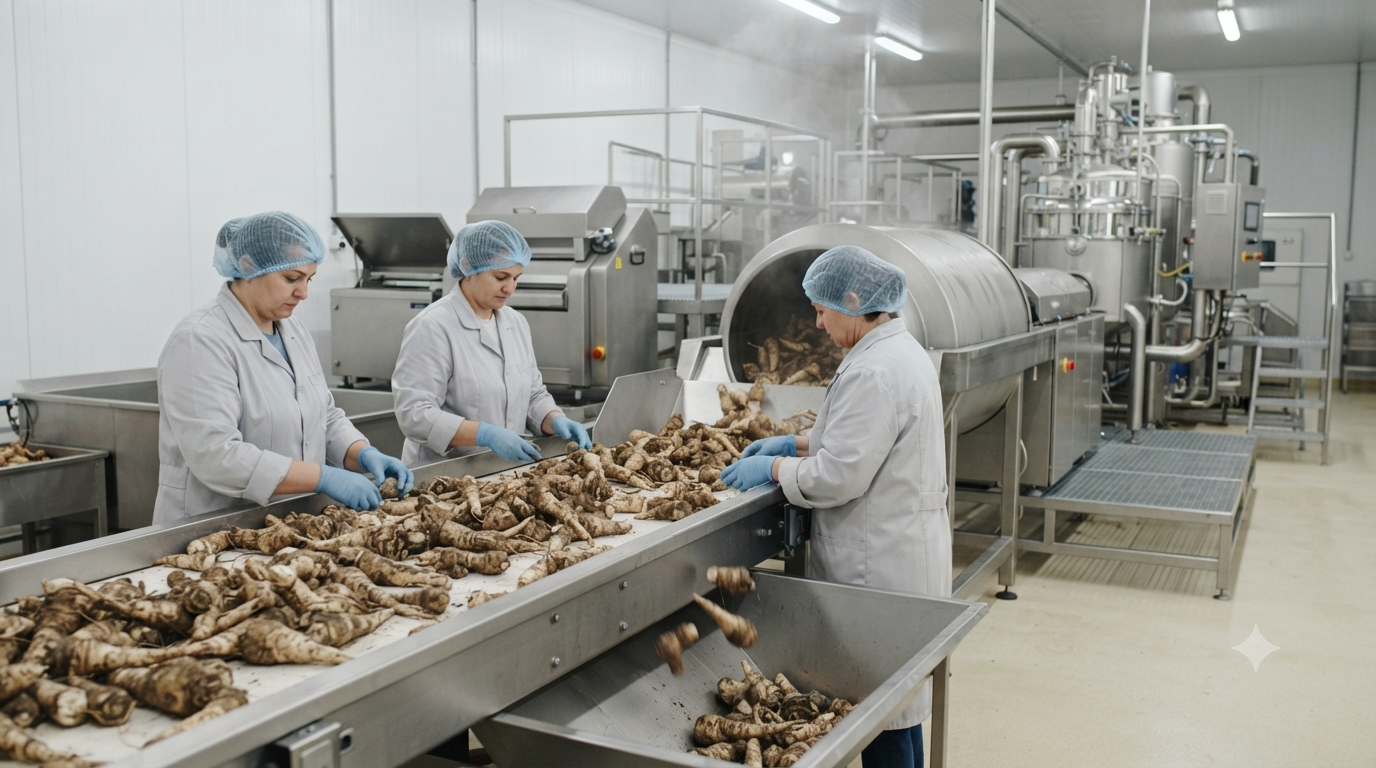
Extraction from chicory root, producing naturally occurring inulin with relatively longer carbohydrate chains.
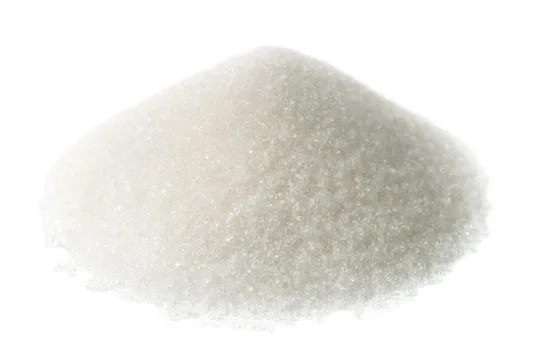
Enzymatic conversion of sucrose, where specialised enzymes create short-chain fructooligosaccharides through transfructosylation.
Because these production methods generate different molecular structures, they also influence sweetness, solubility, fermentation behaviour and processing performance.
Why Production Source Matters
Food manufacturers often specify either chicory-derived inulin or sucrose-derived FOS depending on the intended application.
Chicory root remains the dominant commercial source of inulin, with Belgium and France serving as major production centres supported by established agricultural and processing industries.
By comparison, short-chain FOS relies primarily on industrial enzyme technology and refined sucrose rather than seasonal agricultural extraction.
Understanding this distinction helps procurement teams avoid treating both ingredients as direct substitutes when preparing sourcing specifications.
Applications Across Functional Food Markets
Both ingredients are used extensively throughout the food industry because they provide nutritional and functional benefits beyond simple fibre enrichment.
Common applications include:
Functional dairy products with added dietary fibre.
Infant nutrition formulations requiring carefully selected prebiotic ingredients.
Nutritional supplements and powdered health products.
Functional beverages designed to support digestive wellness.
Bakery products and cereal bars requiring improved texture and fibre content.
Manufacturers choose between inulin and FOS according to sweetness profile, texture requirements and desired nutritional positioning.
Europe's Chicory Supply Chain Shapes Global Availability
Unlike many commodity food ingredients, chicory-derived inulin depends on annual agricultural production.
European growers harvest chicory roots during defined growing seasons before processing facilities extract and purify inulin for global food manufacturers.
This agricultural dependence creates seasonal procurement considerations that differ significantly from ingredients produced entirely through industrial fermentation or chemical synthesis.
Although inulin and FOS are often grouped together as prebiotic fibres, their manufacturing routes create meaningful differences in functionality. Procurement teams should understand these distinctions because they influence both product performance and formulation outcomes.
The two principal production methods are:
Chicory root extraction, where naturally occurring inulin is extracted from chicory roots and purified into longer-chain dietary fibres.
Enzymatic transfructosylation of sucrose, where enzymes convert sucrose into short-chain fructooligosaccharides (FOS).
While both ingredients support prebiotic applications, they are not direct substitutes in every formulation.
Why Degree of Polymerisation Matters
One of the most important purchasing specifications is the degree of polymerisation (DP), which describes the average chain length of the fructose molecules.
Longer-chain chicory inulin generally offers:
Higher molecular weight.
Different fermentation characteristics within the gut microbiota.
Improved fat-mimicking and textural functionality.
Better performance in certain dairy and bakery applications.
Short-chain FOS typically provides:
Higher sweetness compared with inulin.
Excellent solubility.
Faster fermentation by beneficial intestinal bacteria.
Easy incorporation into beverages and nutritional supplements.
Selecting the appropriate DP range helps ensure consistent product functionality across different food applications.
Procurement Considerations Beyond Price
Food manufacturers should specify more than simply "inulin" or "FOS" when requesting quotations.
Key purchasing specifications include:
Production source, either chicory root extraction or enzymatic sucrose conversion.
Degree of polymerisation (DP) or chain length distribution.
Purity and dietary fibre content.
Solubility characteristics.
Moisture limits and microbiological specifications.
Food safety certifications and regulatory documentation.
Clearly defining these parameters reduces the risk of receiving products that perform differently during formulation.
European Chicory Supply Creates Seasonal Considerations
Unlike FOS produced from sucrose, chicory-derived inulin depends directly on agricultural production.
Belgium and France remain among the world's leading production centres, with processors relying on annual chicory harvests to supply extraction facilities.
This creates several procurement considerations:
Crop yields vary with seasonal weather conditions.
Harvest quality influences raw material availability.
Annual production volumes can affect pricing throughout the supply chain.
Inventory management becomes particularly important between harvest cycles.
For manufacturers with significant inulin demand, monitoring European agricultural conditions can provide early indications of future market availability.
Why Short-Chain FOS Offers Different Supply Dynamics
FOS produced through enzymatic conversion of sucrose follows a different supply model.
Because production depends primarily on sucrose and industrial enzyme technology rather than seasonal chicory harvests, manufacturers generally experience:
More predictable raw material availability.
Reduced dependence on annual crop performance.
Greater production scheduling flexibility.
Consistent year-round manufacturing capacity.
These characteristics can make short-chain FOS attractive for applications requiring dependable long-term supply.
What Buyers Should Do Now
Growing demand for functional foods, infant nutrition and dietary supplements continues to increase interest in prebiotic fibres. Although inulin and fructooligosaccharides are frequently discussed together, their production methods, molecular structures and functional properties differ in ways that directly affect formulation performance.
Procurement professionals should move beyond generic ingredient descriptions and specify the required production route, degree of polymerisation and technical specifications during supplier qualification. Understanding the seasonal nature of the European chicory supply chain alongside the more flexible sucrose-based FOS production model also supports better inventory planning and sourcing decisions.
As prebiotic ingredients become increasingly important in food innovation, informed sourcing strategies will help manufacturers achieve consistent product quality while strengthening supply chain resilience.