Irrigation Water Quality and Fertilizer Compatibility: A Practical Guide
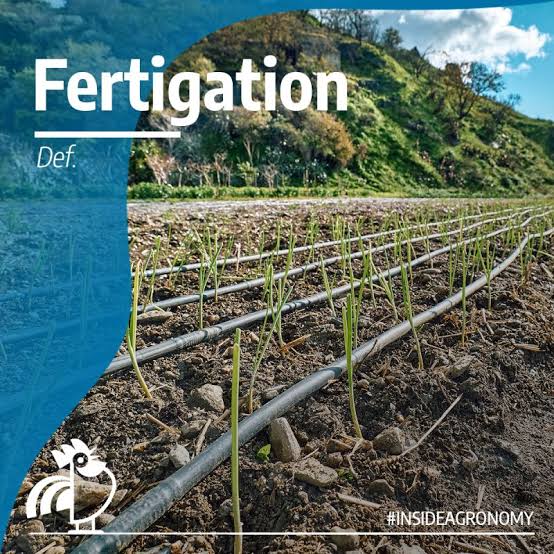
Fertigation—the practice of applying fertilizers through irrigation systems—has become a standard nutrient delivery method for high-value crops, including fruits, vegetables, greenhouse crops, and orchards. It allows precise nutrient application, improves fertilizer use efficiency, and supports uniform crop growth.
However, successful fertigation depends on more than selecting a high-quality fertilizer. Water chemistry plays a critical role in determining whether fertilizers remain dissolved, mix safely with other products, and move efficiently through irrigation systems.
For agrochemical procurement professionals, fertilizer distributors, and agronomic advisors, understanding fertilizer compatibility with irrigation water helps prevent precipitation, clogged irrigation equipment, nutrient loss, and unnecessary maintenance costs.
What Is Fertigation?
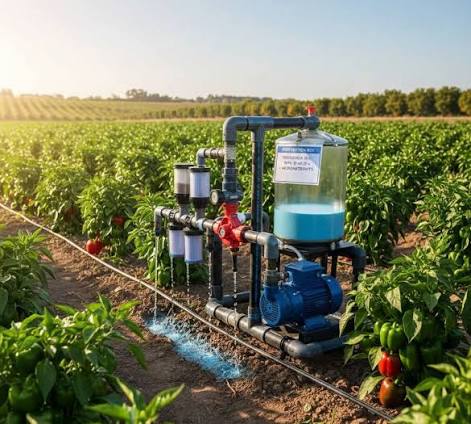
Fertigation combines fertilization and irrigation by delivering water-soluble fertilizers through irrigation systems.
Common irrigation methods include:
Drip irrigation
Micro-sprinklers
Center pivot systems
Greenhouse irrigation
Orchard irrigation
When properly managed, fertigation can improve nutrient distribution and optimize fertilizer efficiency.
Why Water Quality Matters
Irrigation water contains dissolved minerals that influence fertilizer behavior.
Important water quality parameters include:
Calcium concentration
Magnesium concentration
Carbonate content
Bicarbonate content
Sulfate concentration
pH
Electrical conductivity (EC)
These factors determine whether fertilizers remain soluble or form unwanted precipitates.
What Is Fertilizer Compatibility?
Compatibility refers to the ability of fertilizers to remain chemically stable when:
Dissolved in irrigation water
Mixed with other fertilizers
Stored in stock solutions before application
Poor compatibility may result in insoluble compounds that reduce nutrient availability and block irrigation equipment.
Common Compatibility Challenges
Calcium and Sulfate
One of the most common incompatibilities occurs when calcium-containing fertilizers are mixed with sulfate-containing fertilizers.
This reaction can produce calcium sulfate (gypsum), an insoluble compound that may clog filters, pipes, emitters, and injection equipment.
Examples include combinations of:
Calcium nitrate
Magnesium sulfate
Potassium sulfate
Ammonium sulfate
These products are often applied separately or through different fertilizer tanks when required.
Calcium and Phosphate
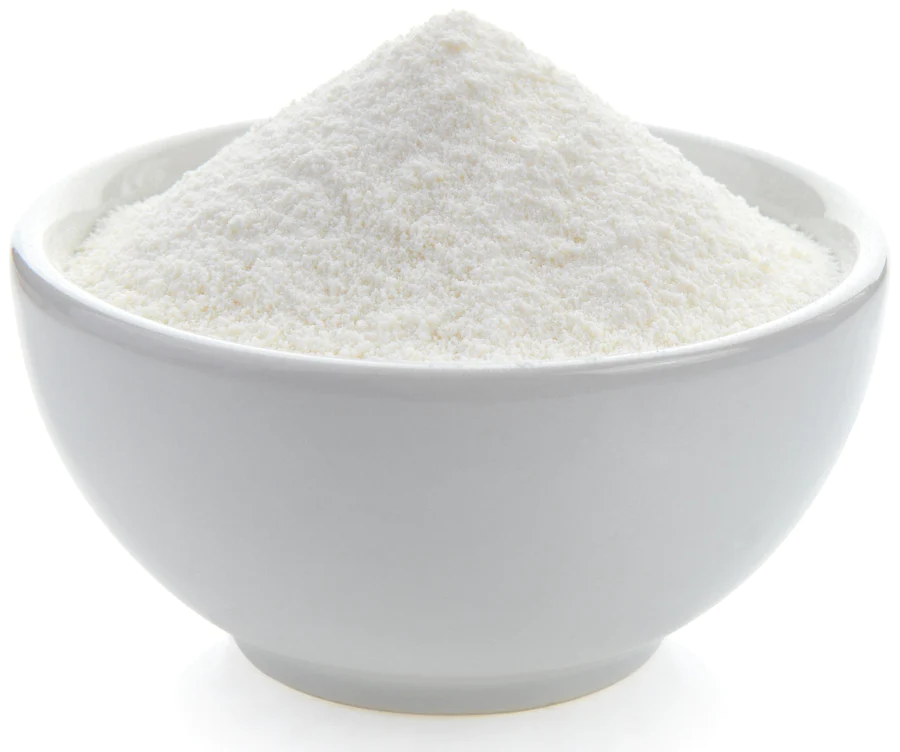
Mixing calcium fertilizers with phosphate fertilizers can result in the formation of calcium phosphate, another insoluble precipitate.
This reaction reduces phosphorus availability and increases the risk of irrigation system blockage.
Common phosphate fertilizers include:
Monoammonium phosphate (MAP)
Monopotassium phosphate (MKP)
Phosphoric acid
Proper injection sequencing or separate stock tanks are commonly used to avoid this incompatibility.
Calcium Phosphate (E341(iii))
High-Carbonate Irrigation Water
Water containing elevated carbonate or bicarbonate levels can affect fertilizer performance.
High-carbonate water may contribute to precipitation reactions when combined with certain fertilizers, particularly in alkaline conditions.
Water testing helps determine whether corrective measures such as pH adjustment are appropriate.
Why Solubility Matters
Not all fertilizers dissolve equally in water.
Highly soluble fertilizers are generally preferred for fertigation because they:
Dissolve completely
Flow easily through irrigation systems
Reduce the risk of sediment formation
Support uniform nutrient delivery
Selecting fertilizers specifically designed for fertigation helps improve system performance.
The Importance of Water Testing
Every irrigation source has a unique chemical composition.
Water analysis typically measures:
pH
Calcium
Magnesium
Sodium
Sulfates
Carbonates
Bicarbonates
Electrical Conductivity (EC)
These results provide valuable information for selecting compatible fertilizer programs.
Procurement Considerations
Procurement professionals should evaluate both fertilizer properties and local water quality.
Understand Regional Water Conditions
Different agricultural regions may have significantly different irrigation water chemistry.
Knowledge of local water quality supports better product recommendations.
Select Fertigation-Compatible Products
Choose fertilizers designed for complete water solubility and efficient injection through irrigation systems.
Consider Product Compatibility
Before recommending fertilizer combinations, review compatibility information provided by manufacturers or agronomic extension services.
Review Technical Documentation
Technical data sheets often include:
Solubility information
Compatibility guidance
Storage recommendations
Mixing instructions
These documents support informed procurement decisions.
Work with Reliable Suppliers
Manufacturers that provide complete technical support can help distributors address compatibility questions more effectively.
Why Compatibility Charts Are Important
Many fertilizer manufacturers and agricultural extension organizations publish compatibility charts.
These resources help determine:
Which fertilizers can be safely mixed
Which combinations require separate injection
Appropriate mixing sequences
Storage recommendations for stock solutions
Compatibility charts should always be consulted before preparing fertilizer mixtures, particularly for unfamiliar combinations.
Best Practices for Fertigation Programs
Successful fertigation programs generally include:
Regular irrigation water testing
Selection of highly soluble fertilizers
Consultation of compatibility charts
Proper stock tank management
Routine maintenance of irrigation equipment
Monitoring of irrigation system performance
These practices help reduce operational issues while improving nutrient delivery.
Long-Term Outlook
As precision agriculture and water-efficient irrigation systems continue to expand, fertigation will play an increasingly important role in modern crop production. Advances in water-soluble fertilizers, digital irrigation management, and automated nutrient delivery systems are helping growers achieve greater efficiency while reducing resource use.
For agrochemical procurement professionals, understanding irrigation water quality and fertilizer compatibility is essential for supporting reliable fertigation programs. Combining local water analysis with scientifically validated compatibility information enables better product recommendations, protects irrigation infrastructure, and helps maximize fertilizer performance in the field.
Key Takeaways
Fertigation delivers water-soluble fertilizers through irrigation systems for efficient nutrient application.
Irrigation water quality directly affects fertilizer solubility and compatibility.
Mixing calcium fertilizers with sulfate or phosphate fertilizers can produce insoluble precipitates such as gypsum or calcium phosphate.
Water testing provides essential information on pH, calcium, magnesium, carbonates, bicarbonates, sulfates, and electrical conductivity.
Procurement professionals should use manufacturer compatibility charts and technical documentation to recommend safe fertilizer combinations.
Found this useful?