ISPE 2026 in Singapore Convenes Pharmaceutical Manufacturing and Engineering Professionals
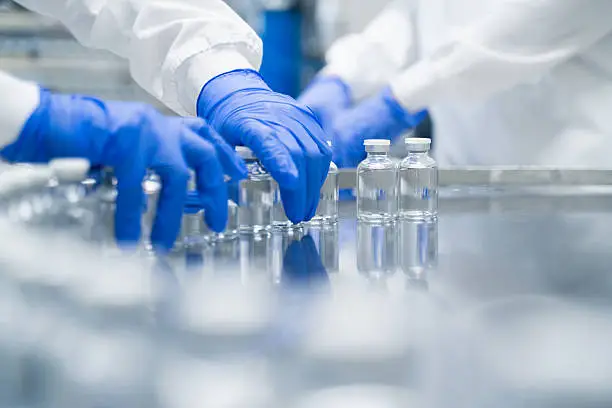
ISPE 2026 in Singapore Convenes Pharmaceutical Manufacturing and Engineering Professionals
Introduction
The ISPE Singapore Conference & Exhibition 2026 is bringing together pharmaceutical manufacturing, engineering, quality, compliance, and technology professionals in Singapore from 19–21 August 2026 at Suntec Singapore. The event is focused on the technologies and operational practices shaping the future of pharmaceutical and biopharmaceutical manufacturing across Asia and global markets.
The conference comes at a time when pharmaceutical manufacturers are facing increasing pressure to improve manufacturing efficiency while maintaining strict quality, regulatory compliance, data integrity, and patient-safety standards. Discussions at the event are therefore centered on areas including advanced manufacturing, digital transformation, automation, sustainability, aseptic processing, and engineering innovation.
Singapore Becomes a Key Meeting Point for Pharma Manufacturing
Singapore has developed into an important pharmaceutical and biopharmaceutical manufacturing hub in Asia, making it a strategic location for an industry event focused on manufacturing and engineering.
The 2026 conference brings together pharmaceutical manufacturers, technology providers, engineering companies, researchers, consultants, and other industry stakeholders. The event is designed to facilitate knowledge sharing and discussion around the practical challenges facing modern pharmaceutical production.
The growing importance of the event is also reflected in previous attendance. The 2025 edition attracted more than 2,600 attendees from over 30 countries, with more than 110 sponsors and exhibitors participating.
Key Themes at ISPE Singapore 2026
The 2026 program covers a broad range of topics relevant to pharmaceutical manufacturing and engineering.
Major areas include:
Facilities of the future.
Innovative manufacturing and sustainability.
Digital transformation and AI integration.
Pharma 4.0.
Advanced therapy medicinal products and biologics manufacturing.
Aseptic manufacturing.
Manufacturing quality control.
Operational excellence.
Quality and compliance.
Good engineering practices.
Flexible capacity and outsourced manufacturing.
These themes demonstrate how pharmaceutical manufacturing is moving beyond traditional production optimization toward increasingly digital, flexible, and data-driven operating models.
Focus on Advanced Manufacturing Technologies
One of the major areas of interest is the modernization of pharmaceutical manufacturing facilities.
Manufacturers are increasingly evaluating technologies that can improve process efficiency, product consistency, equipment utilization, and operational visibility.
Automation, digital monitoring, advanced process control, and integrated data systems can help manufacturers identify problems earlier and make production decisions using real-time information.
The growing adoption of these technologies also creates new engineering requirements. Pharmaceutical facilities must integrate sophisticated equipment while maintaining validated processes and compliance with Good Manufacturing Practice requirements.
Aseptic Manufacturing and Contamination Control
Aseptic manufacturing is another important area of discussion at the 2026 event.
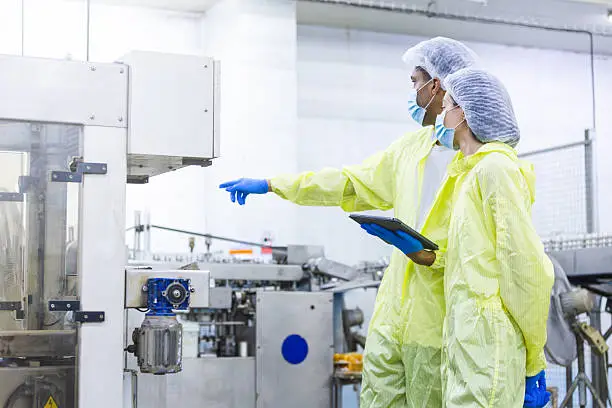
The pre-conference program includes sessions addressing risk-based validation, filter consistency, integrity testing, contamination-control strategies, and Annex 1-ready operations. These topics are particularly important as pharmaceutical manufacturers expand the use of single-use technologies and flexible manufacturing systems.
For sterile-product manufacturers, contamination control must be considered across the entire production workflow rather than treated as an isolated quality-control activity.
This is increasing demand for advanced filtration, environmental monitoring, barrier technologies, validation systems, and data-integrity solutions.
Digital Transformation and AI
Digitalization is becoming increasingly important across pharmaceutical manufacturing.
ISPE Singapore 2026 is highlighting digital transformation, AI integration, Pharma 4.0, and digital implementation as key areas for industry discussion.
Artificial intelligence can potentially support pharmaceutical operations through:
Predictive maintenance.
Process monitoring.
Quality analysis.
Production scheduling.
Data interpretation.
Process optimization.
Manufacturing troubleshooting.
However, pharmaceutical companies must balance the benefits of AI with requirements for validation, data integrity, cybersecurity, and regulatory compliance.
This means that the future of AI in pharmaceutical manufacturing will depend not simply on adopting new algorithms, but on integrating them into controlled and auditable production environments.
Sustainability Enters Manufacturing Strategy
Sustainability is also becoming increasingly connected to pharmaceutical engineering.
Manufacturers are examining ways to reduce energy consumption, water usage, waste generation, and resource intensity while maintaining product quality and regulatory compliance.
Innovative manufacturing technologies can potentially support these objectives through more efficient processes, improved equipment utilization, reduced material waste, and optimized facility operations.
The combination of sustainability and manufacturing efficiency is particularly relevant as pharmaceutical companies attempt to control operating costs while meeting increasingly demanding environmental expectations.
Importance of Engineering and Facility Design
The event's engineering focus highlights an important reality of pharmaceutical production: manufacturing performance begins with facility and process design.
Modern facilities must be designed to accommodate changing production requirements, increasingly complex biological products, advanced therapies, automation, and strict contamination-control requirements.
Flexible facility designs can provide manufacturers with greater capacity to respond to changing demand.
This is particularly relevant for biopharmaceutical companies, where production requirements can change rapidly as new therapies move from clinical development toward commercial manufacturing.
Pre-Conference Workshops and Site Tours
The 2026 program also includes practical workshops and site tours.
The pre-conference program on 19 August featured workshops covering areas such as advanced filtration and bioprocessing, as well as risk-based validation and sterile manufacturing operations.
Participants could also take part in selected site visits, including a visit to Singapore's Advanced Cell Therapy and Research Institute (ACTRIS), which focuses on discovery, process development, and manufacturing of cellular therapeutics.
These practical activities complement the conference sessions by giving participants opportunities to examine technologies and manufacturing practices beyond traditional presentations.
Growing Supplier and Technology Ecosystem
The exhibition component of ISPE Singapore provides pharmaceutical manufacturers with direct access to suppliers of equipment, engineering services, monitoring technologies, filtration systems, validation solutions, and other manufacturing technologies.
Companies participating in the 2026 exhibition include suppliers supporting areas such as filtration, cleanroom monitoring, engineering, commissioning and qualification, automation, and process-control technologies.
This supplier ecosystem is important because pharmaceutical manufacturing increasingly depends on specialized technologies and qualified service providers.
Implications for Pharmaceutical Procurement
The event also has implications for pharmaceutical procurement teams.
As manufacturing becomes more technologically sophisticated, procurement decisions increasingly need to consider more than purchase price.
Buyers may need to evaluate:
Equipment qualification requirements.
Supplier reliability.
Regulatory compliance.
Validation support.
Technical service capabilities.
Data-integrity requirements.
Maintenance and lifecycle costs.
Manufacturing capacity.
Supply-chain resilience.
For pharmaceutical companies, selecting the right engineering and technology suppliers can directly influence manufacturing continuity and compliance.
What ISPE 2026 Signals for the Industry
The discussions surrounding ISPE Singapore 2026 reflect a broader transition in pharmaceutical manufacturing.
The industry is moving toward facilities that are:
More digital → More automated → More flexible → More data-driven → More sustainable
At the same time, these changes must remain compatible with strict GMP, quality, validation, and regulatory requirements.
This creates a complex engineering challenge. Manufacturers must adopt new technologies without compromising the reliability and control expected in pharmaceutical production.
Outlook
The ISPE Singapore Conference & Exhibition 2026 highlights the growing importance of advanced engineering and manufacturing technologies across the pharmaceutical and biopharmaceutical sectors.
With topics ranging from AI and Pharma 4.0 to aseptic processing, sustainability, flexible facilities, and advanced biologics manufacturing, the event reflects the industry's broader shift toward smarter and more adaptable production systems.
Singapore's position as a major pharmaceutical manufacturing hub also makes the event particularly relevant for companies operating across the Asia-Pacific region.
Conclusion
The ISPE Singapore Conference & Exhibition 2026 brings together pharmaceutical manufacturing and engineering professionals at a time when the industry is undergoing significant technological and operational change.
The event's focus on digital transformation, AI, automation, aseptic manufacturing, sustainability, advanced therapies, engineering, and quality reflects the priorities shaping the next generation of pharmaceutical facilities.
For manufacturers, the key takeaway is that future competitiveness will depend not only on producing medicines efficiently, but also on building manufacturing systems that are flexible, compliant, digitally connected, resilient, and capable of adapting to increasingly complex pharmaceutical products.

Nickel Sulphate Hexahydrate
Found this useful?