Konjac Glucomannan: Applications in Noodles, Gel Foods and Texture Modification
Konjac glucomannan is gaining attention among food manufacturers seeking better texture, water retention and product consistency across noodle, gel food and specialty food formulations. Extracted from the tuber of the konjac plant, this plant-derived polysaccharide offers strong thickening and gel-forming properties that help manufacturers control how food products feel, hold their shape and perform during preparation.
For procurement managers, importers and ingredient distributors, konjac glucomannan represents a functional ingredient with applications across several food categories. Its performance depends on factors such as grade, viscosity, concentration, processing conditions and interactions with other ingredients. Understanding these variables helps buyers select suitable material, reduce formulation problems and maintain consistent product quality across production batches.
1. What Is Konjac Glucomannan and Why Does It Matter?
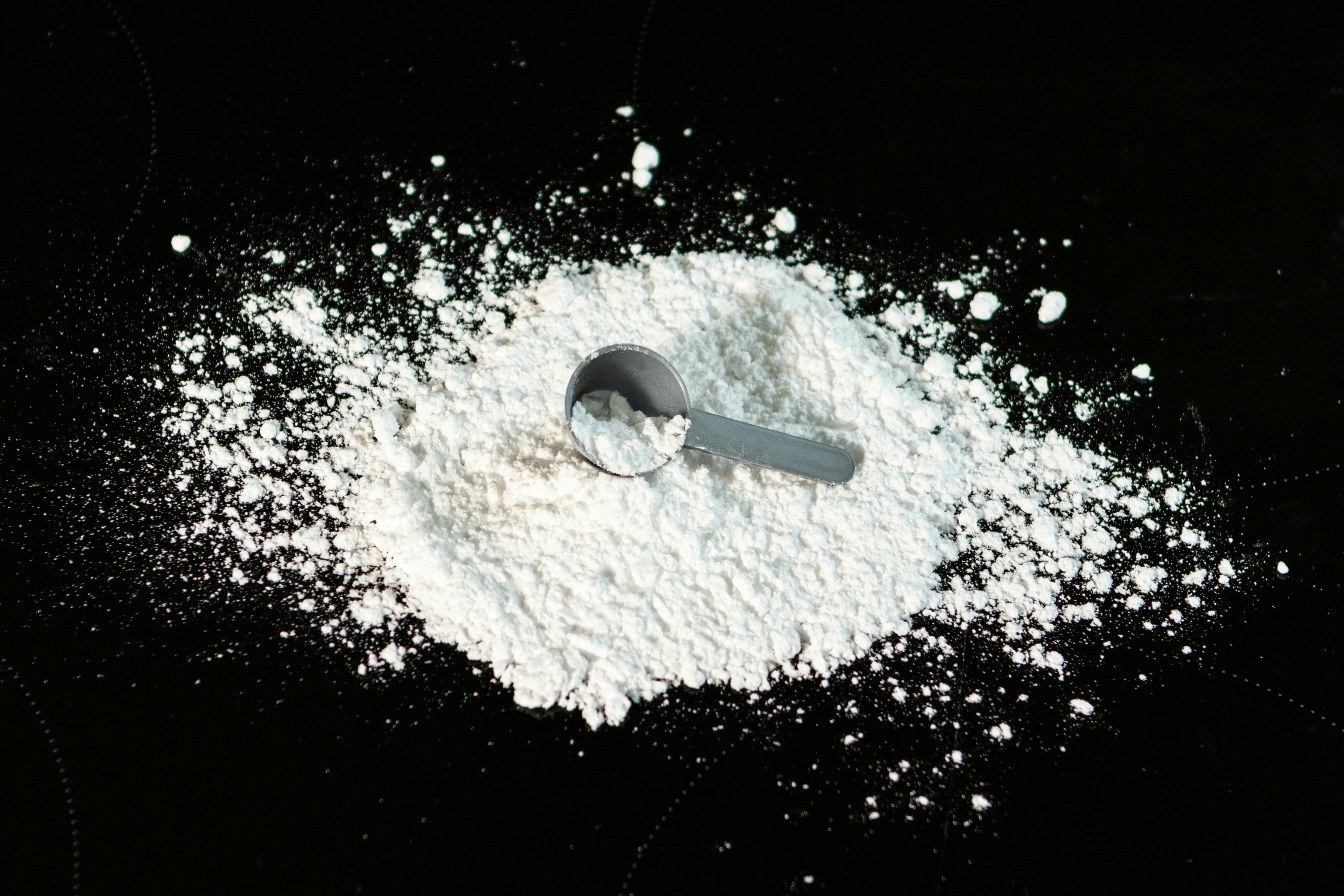
Konjac glucomannan, commonly abbreviated as KGM, is a water-soluble polysaccharide composed primarily of glucose and mannose units. Manufacturers obtain it from konjac tubers, process the plant material and refine the resulting ingredient into a powder suitable for different applications.
Its main commercial value comes from its ability to absorb water, increase viscosity and support gel formation. These characteristics allow food producers to adjust consistency without relying entirely on starches, proteins or conventional gelling agents.
KGM can perform several functions within a formulation:
Thickening: It increases the viscosity of aqueous mixtures, helping manufacturers control the flow and consistency of food products.
Gel formation: Under suitable processing conditions, it can create structured gels for noodles, plant-based foods and specialty desserts.
Water management: Its water-binding capacity influences moisture retention, cooking performance and the final texture of formulated products.
Texture modification: It can improve firmness, elasticity and chewiness when manufacturers select the appropriate concentration and processing method.
However, KGM does not produce identical results in every formulation. Its molecular characteristics, hydration conditions and interactions with other ingredients determine the final performance.
2. Konjac Glucomannan Applications in Noodles
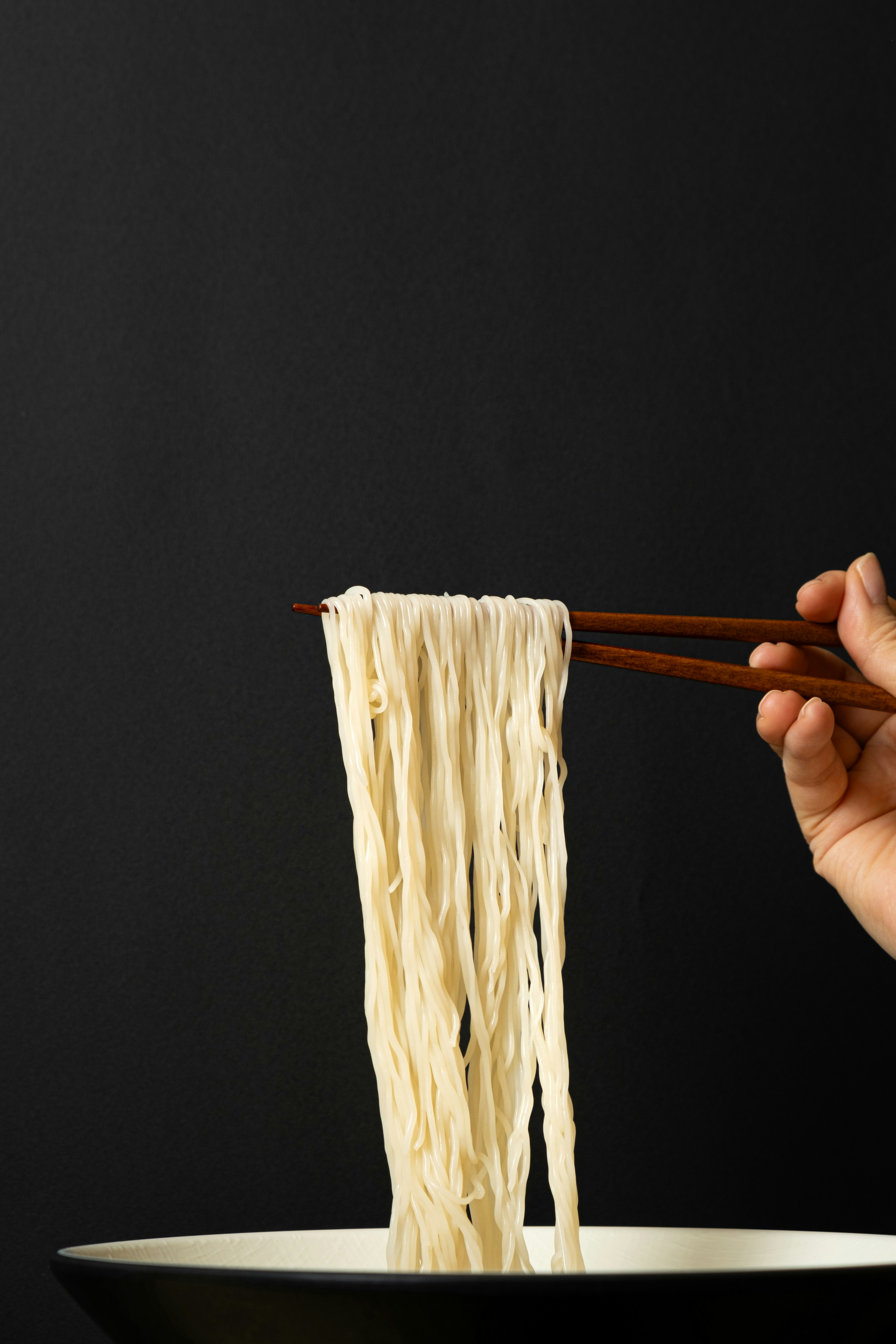
Noodles represent one of the most established applications for konjac glucomannan. Food manufacturers use it in konjac-based noodles and as a functional ingredient in selected wheat-based and composite noodle formulations.
In konjac noodles, KGM helps create the characteristic gel-like structure that distinguishes these products from conventional wheat pasta. Manufacturers can develop products with a distinctive bite and a high water content by controlling the formulation and gel-forming process.
In wheat-based noodles, KGM serves a different purpose. It interacts with the flour, starch and gluten network, influencing dough structure, cooking performance and the texture of the finished noodle.
Potential formulation benefits include:
Improved firmness and elasticity: Appropriate KGM levels can strengthen noodle structure and influence tensile properties, helping manufacturers achieve a more consistent bite.
Cooking quality: In selected formulations, KGM can improve cooking yield and reduce cooking losses by changing how starch and water behave during preparation.
Moisture management: Its water-binding properties affect water absorption during mixing and cooking, which can influence finished-product consistency.
Specialty noodle development: Manufacturers can use KGM to formulate distinctive noodle products for consumers seeking alternatives to traditional wheat-based varieties.
The correct inclusion rate remains important. Excessive amounts can create an overly firm, sticky or otherwise undesirable texture, while insufficient quantities may not deliver the intended functional improvement.
Manufacturers should conduct pilot trials with their actual flour, water, salts and processing equipment before approving a commercial formulation. These tests help identify the right balance between chewiness, elasticity, cooking loss and sensory acceptance.
3. Gel Foods, Konjac Products and Structured Textures
Gel formation gives konjac glucomannan considerable value beyond noodle manufacturing. Food producers can use it in konjac tofu, gel-based snacks and other structured foods where shape retention and a defined bite matter.
KGM-based gels can produce a firm, elastic or softer texture depending on the formulation and processing conditions. Manufacturers can also combine KGM with other hydrocolloids or gelling ingredients to adjust the strength, flexibility and stability of the resulting structure.
Common application areas include:
Konjac tofu and gel products: KGM provides the foundation for structured products that require a cohesive gel network and consistent shape.
Jellies and dessert formulations: Suitable KGM systems can contribute body and texture, although the final result depends on the other gelling agents and the manufacturing process.
Plant-based food products: Formulators can use KGM to modify moisture retention, firmness and bite in selected plant-based applications.
Specialty food textures: Manufacturers can tailor gel strength and elasticity for products that require a particular mouthfeel or physical structure.
The interaction between KGM and other polysaccharides often plays a decisive role in gel performance. Combining ingredients can create a stronger or more stable structure than a single ingredient provides, but the outcome depends on compatibility, concentration, pH and processing conditions.
Buyers should therefore evaluate KGM as part of the complete formulation rather than treating it as a universal replacement for every thickener or gelling agent.

Konjac glucomannan offers manufacturers a way to modify food texture through its interaction with water and other formulation components. When properly hydrated, it can increase viscosity and create a more cohesive structure, influencing how products flow during processing and behave after production.
Its water-binding characteristics can also affect moisture distribution. This matters in products where excessive water separation, inconsistent firmness or changes in mouthfeel can reduce consumer acceptance.
Manufacturers may evaluate KGM for several texture-related objectives:
Viscosity control: Adjusting KGM concentration can help achieve the desired thickness in suitable food systems.
Moisture retention: KGM can hold water within a formulation, influencing juiciness, softness or gel consistency.
Structural stability: Appropriate formulations can help maintain a product's shape and reduce unwanted changes in texture.
Mouthfeel adjustment: KGM can contribute smoothness, chewiness or elasticity depending on the finished product and its ingredient system.
These functions require careful process control. KGM powder needs effective dispersion and hydration, since poor incorporation can create lumps and uneven viscosity.
Temperature, mixing intensity, hydration time and the presence of salts or other ingredients can change performance. Procurement teams should request technical specifications and application guidance that match the intended manufacturing process.
5. Combining Konjac Glucomannan With Other Food Ingredients
Food manufacturers often combine KGM with other hydrocolloids to achieve specific textural properties. These combinations allow formulators to adjust gel strength, viscosity, elasticity and stability without depending on a single ingredient.
The choice of combination depends on the product and the processing method.
Xanthan gum: Manufacturers can evaluate KGM and xanthan gum combinations when they need to adjust viscosity, water management and the consistency of a food system.
Carrageenan: In suitable formulations, carrageenan can contribute gel structure and interact with other polysaccharides to modify firmness and stability.
Starches: Wheat, corn and other starches can work alongside KGM in noodle and processed food applications, influencing cooking performance and the finished texture.
Food proteins: KGM can interact with protein-containing systems, potentially modifying water retention, firmness and the structure of the finished product.
These combinations require controlled formulation trials because different hydrocolloids may compete for water or interact in ways that change the expected result. Manufacturers should test ingredient ratios, hydration sequences and processing conditions before scaling up production.
For buyers, this also creates an opportunity to source ingredients as part of a coordinated formulation strategy. Selecting compatible grades and maintaining consistent specifications can help reduce variation between production batches.
6. Quality Specifications and Food Safety Requirements
Food-grade quality is a central purchasing consideration for konjac glucomannan. A powder may look similar to another commercial grade but perform differently because of variations in purity, molecular characteristics, moisture content and viscosity.
Buyers should distinguish between konjac gum and konjac glucomannan when reviewing supplier documents. These terms can refer to related materials with different purity specifications, so the product name alone does not establish whether a grade meets a particular formulation requirement.
Before placing an order, procurement teams should review the following information:
Purity and composition: Confirm the declared glucomannan content or applicable dietary fibre specification, depending on the product grade and relevant standard.
Viscosity: Request the test method, concentration, temperature and other conditions used to measure viscosity. Results are more useful when suppliers report them under comparable conditions.
Moisture and ash: Check the relevant limits to assess product consistency and suitability for the intended application.
Microbiological quality: Review applicable microbiological specifications and request supporting test documentation.
Contaminant controls: Confirm the supplier's approach to relevant contaminants, including heavy metals, pesticide residues and residual processing solvents where applicable.
Traceability: Request batch identification, a certificate of analysis and documentation that links the supplied material to its manufacturing lot.
Food additive regulations differ by market and application. Buyers exporting finished foods should confirm the applicable rules for their destination, including permitted uses, maximum levels, labelling requirements and any product-specific restrictions.
Regulatory compliance also requires attention to the final product, not just the ingredient. A grade that meets a supplier's general food-grade specification may still require additional documentation or approval for a particular destination or use.
7. Sourcing, Storage and Supply Chain Considerations
Konjac glucomannan sourcing involves more than comparing the price per kilogram. Because the ingredient's performance depends on its functional characteristics, buyers need to assess the relationship between cost, consistency and processing suitability.
A lower-priced material may increase overall production costs if it produces inconsistent viscosity, creates dispersion problems or requires repeated formulation adjustments. Procurement teams should compare suppliers using equivalent grades and clearly defined specifications.
Several practical considerations can strengthen sourcing decisions:
Supplier qualification: Prioritise suppliers that provide clear specifications, batch documentation and consistent technical support. Ask whether the supplier can maintain the required grade across repeat orders.
Sample evaluation: Test representative samples in the actual product formulation. Bench testing can reveal differences in hydration, texture and processing behaviour before a buyer commits to a large shipment.
Packaging and storage: Confirm that packaging protects the powder from moisture and contamination during transport and storage. Follow the supplier's instructions for keeping opened and unopened material in suitable conditions.
Shipment planning: Account for lead times, minimum order quantities, freight costs and import documentation. Buyers handling international shipments should also confirm that product descriptions and supporting documents match the material being supplied.
Batch consistency: Establish acceptance criteria before purchasing. Comparing certificates of analysis across batches helps procurement teams identify changes in key parameters and reduce the risk of production disruption.
For importers and distributors, a reliable supply arrangement can be particularly valuable when customers use KGM in established commercial formulations. Consistent product specifications help maintain customer confidence and reduce the need for repeated qualification exercises.
8. What Food Manufacturers and Procurement Teams Should Do Next
Konjac glucomannan offers practical formulation opportunities in noodles, gel foods and a range of texture-modification applications. Its commercial value comes from its ability to influence viscosity, water retention and gel structure, but successful use requires the correct grade and a well-controlled manufacturing process.
Procurement teams can improve purchasing decisions by following a structured approach:
Define the application. Specify whether the ingredient will support noodle elasticity, gel formation, thickening or another functional requirement.
Set technical acceptance criteria. Establish the required purity, viscosity, moisture limits and relevant safety documentation before requesting quotations.
Compare equivalent grades. Evaluate suppliers against the same specification rather than selecting an offer based on price alone.
Conduct formulation trials. Confirm hydration behaviour, processing compatibility and finished-product texture using representative samples.
Plan repeat supply. Review supplier capacity, lead times, packaging and batch consistency to support reliable production.
Manufacturers should also coordinate purchasing decisions with research and development, quality assurance and production teams. This approach connects ingredient selection to the performance requirements of the finished food rather than treating sourcing as a standalone cost exercise.
For traders and distributors, understanding the end use can help match buyers with suitable material specifications and build stronger long-term supply relationships.
Guar Gum (E412)
SOURCE LINK :https://pmc.ncbi.nlm.nih.gov/articles/PMC10572429/?
Found this useful?