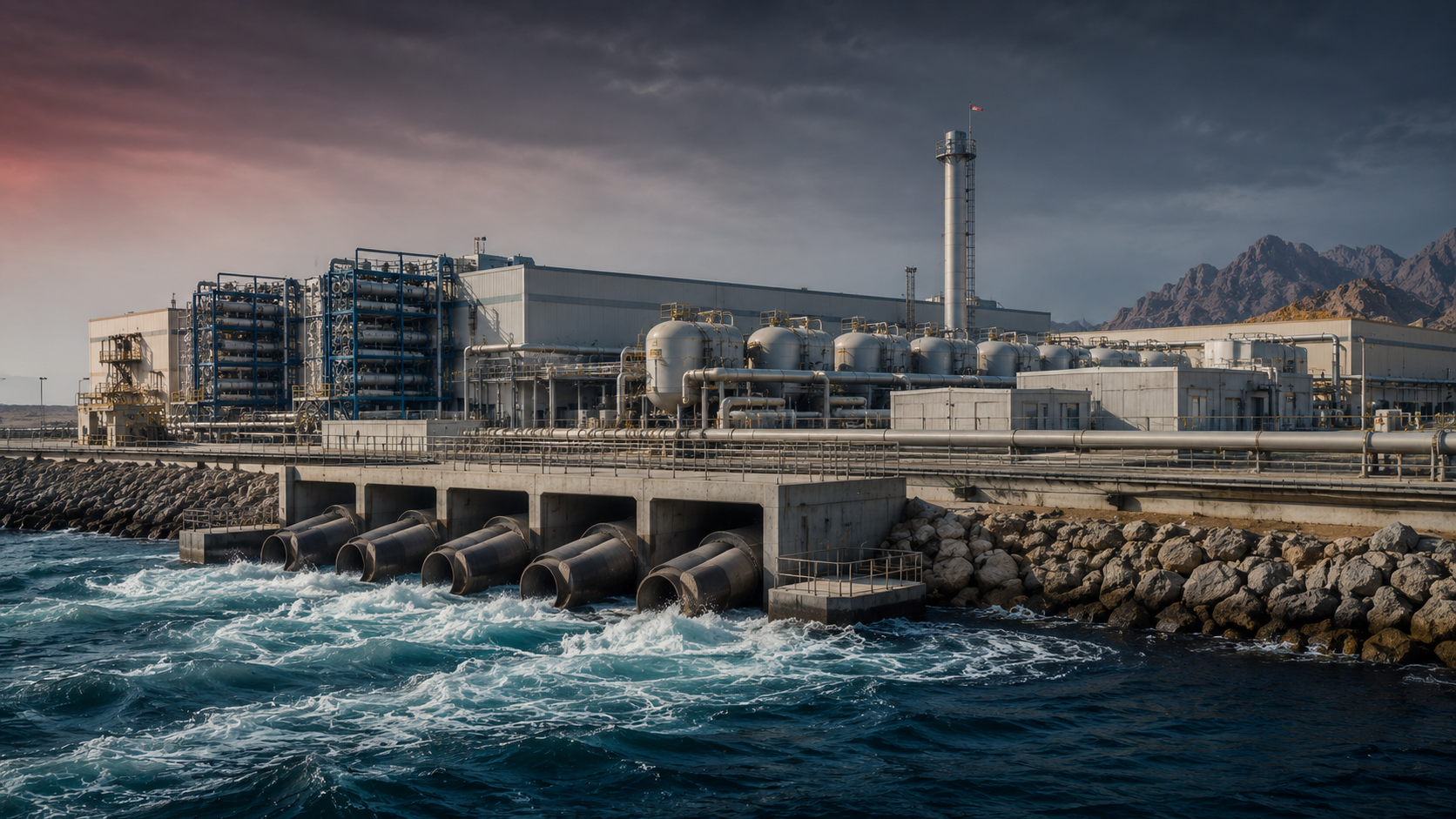
Iran attacked a Kuwaiti power and desalination plant for the second time in two days over the weekend, placing critical utility infrastructure at the center of a rapidly widening regional risk picture. The incident matters well beyond electricity and drinking water because desalination supports the industrial base that keeps petrochemical, chemical and manufacturing operations running.
For chemical traders and procurement managers, the key issue is not only the immediate damage to a facility. Repeated attacks on power and water assets can affect production continuity, chemical consumption, logistics planning and the reliability of industrial supply chains across the Gulf.
Why Kuwait's Desalination Infrastructure Matters to Industry
Kuwait depends heavily on desalination to support its population, commercial activity and industrial economy. The country also operates within a broader Gulf industrial system where water, electricity, refining and petrochemical production are closely connected.
A disruption to a major desalination and power facility can therefore create pressure across multiple layers of the economy. Water shortages can affect industrial processes while power interruptions can limit production, storage, pumping and port-related operations.
For chemical buyers, this creates a direct procurement concern. A utility disruption may increase demand for water treatment chemicals, create delays in plant operations or force companies to reconsider inventory levels for critical inputs.
The Second Attack Changes the Risk Calculation
A single incident can create a temporary operational problem. A second attack on the same type of critical infrastructure within two days sends a different signal to the market.
Repeated targeting suggests that infrastructure risk may no longer be viewed as an isolated event. Energy and water facilities could face more persistent security concerns, forcing industrial operators to examine redundancy, emergency supply arrangements and alternative sourcing options.
The potential impact reaches chemical supply chains through several channels:
Power reliability: Chemical and petrochemical facilities depend on stable electricity for production, pumping, cooling, storage and control systems.
Water availability: Desalinated water supports industrial operations, cleaning systems, cooling applications and wider municipal demand.
Chemical consumption: Water treatment systems require products such as coagulants, disinfectants and process chemicals to maintain performance.
Logistics continuity: Any disruption affecting industrial zones or ports can complicate vessel scheduling, trucking, warehousing and cargo handling.
Procurement planning: Buyers may need to hold more safety stock when regional infrastructure risks rise.
Petrochemical-Adjacent Utilities Create Hidden Supply Chain Exposure
The Gulf's industrial model depends on interconnected infrastructure. Refineries and petrochemical plants may not sit directly inside a desalination facility, but they still rely on surrounding utility networks and industrial services.
This creates what procurement teams can describe as adjacent infrastructure risk. A facility does not need to be attacked directly to experience consequences from a wider disruption.
A water shortage, power instability or interruption to shared infrastructure can affect production economics even when a chemical plant remains physically intact. Reduced operating rates can then influence regional demand for feedstocks, additives, solvents, polymers and treatment chemicals.
The risk also works in reverse. If industrial facilities increase their reliance on backup systems, demand for certain water treatment products and utility-related chemicals may rise.
Water Treatment Chemical Demand Could Become More Strategic
Desalination depends on a range of chemical inputs that help manage water quality, filtration and system performance. Depending on the technology and treatment configuration, facilities may use coagulants, disinfectants, acids, alkalis and other process chemicals.
Products such as polyaluminium chloride, sodium hypochlorite, hydrochloric acid and caustic soda can play important roles across water treatment operations. A disruption to local infrastructure can therefore affect both consumption patterns and the urgency of replenishment.
The commercial impact may appear in several forms:
Buyers may seek additional inventory to protect against delayed imports or local supply interruptions.
Suppliers may face stronger demand for prompt delivery into Gulf markets.
Industrial consumers may prioritize suppliers with flexible logistics and diversified sourcing networks.
Regional buyers may pay closer attention to origin, lead times, storage requirements and alternative grades.
For traders, this can make availability as important as the nominal price. A lower-cost cargo offers limited value if it cannot arrive when a plant needs it.
Regional Logistics Risks Can Amplify the Initial Disruption
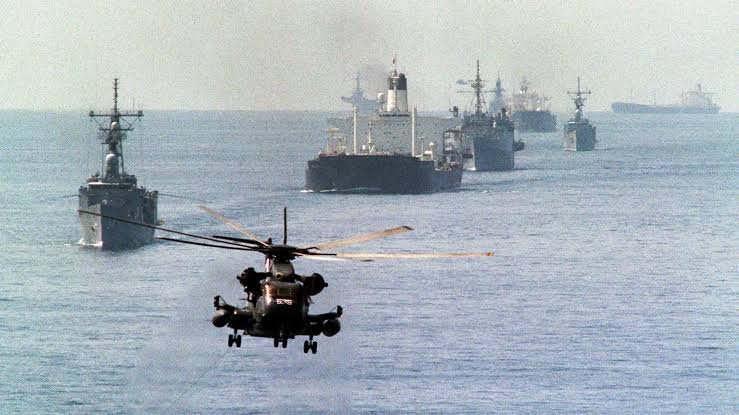
The Gulf chemical trade depends on a complex network of ports, terminals, roads and industrial zones. Any security event can create uncertainty even when commercial routes remain technically open.
Shipping operators may reassess risk exposure, insurers may adjust conditions and cargo owners may face longer planning cycles. These factors can add friction to the movement of chemical products without requiring a complete closure of a trade route.
Procurement teams should therefore monitor more than headline commodity prices. They should also track:
Vessel availability and freight conditions for key chemical routes.
Port operating status and potential delays in cargo handling.
Supplier inventory levels in nearby markets.
Transit times from alternative origins.
Storage capacity for critical products at the buyer's own facilities.
This approach helps companies distinguish between a short-term price movement and a deeper supply reliability problem.
What the Incident Means for Chemical Traders
The attack on Kuwait's power and desalination infrastructure highlights the importance of viewing utilities as part of the chemical supply chain. Traders who focus only on production plants may miss risks developing around the infrastructure that supports them.
The immediate market response may vary by product. Water treatment chemicals could see stronger strategic demand while products linked to broader industrial operations may experience changes based on plant utilization and logistics conditions.
Traders can strengthen their position by maintaining clear visibility into:
Origin diversification: Avoid relying on a single country or route for essential chemical products.
Regional stock availability: Identify suppliers that can offer material from warehouses closer to the end market.
Alternative specifications: Understand whether buyers can use technically acceptable substitute grades during a disruption.
Delivery flexibility: Build relationships with suppliers that can adjust shipment sizes and schedules.
Risk monitoring: Follow infrastructure developments alongside chemical price movements.
The value of a trading platform becomes more visible in such conditions because buyers need faster access to multiple supply options.
Procurement Teams Need a More Detailed Contingency Plan
The latest incident should encourage industrial buyers to review how they define critical materials. A chemical may not appear strategically important until a utility disruption makes replenishment difficult.
Procurement teams should identify products where even a short delay could affect plant operations. They should then match those products with realistic inventory and supplier strategies.
A practical review can include:
Map critical chemical dependencies. Identify which treatment and process chemicals support essential operations.
Review current inventory coverage. Determine how long existing stocks can support normal consumption if replenishment slows.
Qualify alternative suppliers. Maintain relationships with suppliers from different origins and logistics routes.
Check technical substitution options. Confirm whether alternative products can meet operational requirements before an emergency occurs.
Coordinate with logistics teams. Procurement decisions should reflect real freight availability and port conditions.
Update emergency purchasing rules. Define who can approve faster or higher-cost purchases when supply continuity becomes the priority.
This type of planning can reduce the risk of making rushed buying decisions during a regional disruption.
The Broader Gulf Industrial Risk Is Becoming More Interconnected
The Kuwait incident demonstrates how geopolitical events can move quickly from security headlines into industrial procurement decisions. A strike on a utility facility can affect water availability, electricity reliability, chemical demand and logistics confidence at the same time.
The Gulf remains a major center for energy, refining and petrochemicals. That concentration creates significant commercial advantages but also increases the importance of infrastructure resilience.
For chemical markets, the next phase may involve a stronger focus on redundancy. Companies may seek additional suppliers, higher buffer stocks and more flexible routes even when those measures increase short-term costs.
That shift could support demand for products connected to water treatment, industrial maintenance and emergency operating requirements. It could also encourage chemical traders to develop stronger regional distribution capabilities.
The Bottom Line for Procurement Teams
The second attack on a Kuwaiti power and desalination plant in two days is a warning that critical utilities deserve a larger role in chemical supply chain risk planning. Water and electricity infrastructure may sit outside the traditional definition of petrochemical supply, yet disruptions can quickly influence industrial production, chemical demand and logistics.
For buyers, the priority should be resilience rather than reacting only after a shortage appears. Diversified suppliers, practical inventory buffers and visibility into alternative origins can help protect operations when regional uncertainty rises.
Ready to source Polyaluminium Chloride - China from verified global suppliers? Explore competitive offers on our platform today.