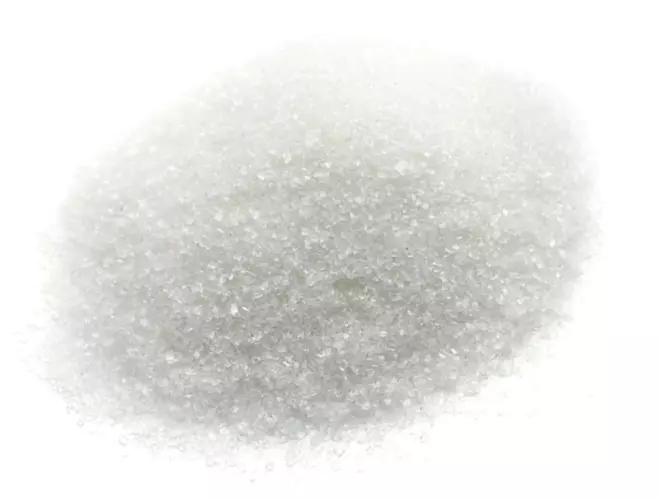
L-carnitine has become an essential ingredient in both pharmaceutical products and nutritional supplements because of its role in transporting fatty acids into mitochondria for energy metabolism. As demand grows for sports nutrition, healthy ageing products and clinical nutrition, procurement professionals are placing greater emphasis on securing reliable, high-quality L-carnitine supplies. While the ingredient may appear to be a straightforward amino acid derivative, differences in manufacturing methods, product grades and quality documentation can significantly affect regulatory compliance and product safety.
For buyers, successful sourcing extends well beyond price comparisons. Manufacturing technology, optical purity, GMP compliance and supplier documentation all influence whether an L-carnitine product is suitable for pharmaceutical, nutraceutical or food supplement applications. Understanding these supply chain fundamentals helps manufacturers minimise quality risks while ensuring consistent product performance.
Understanding Commercial L-Carnitine Production
Commercial L-carnitine is produced using two principal manufacturing routes.
These include:
Microbial fermentation, primarily using Escherichia coli strains that produce the biologically active L-form through controlled biotechnological processes.
Chemical synthesis, beginning with intermediates such as 3-chloro-2-hydroxypropionic acid before purification and optical separation.
Today, fermentation has become the dominant commercial production method because it delivers high optical purity while supporting efficient large-scale manufacturing.
Chinese producers account for a significant share of global fermentation-based L-carnitine production, making China an important sourcing region for international buyers.
Why Optical Purity Is Critical
Unlike many food ingredients, L-carnitine exists in different optical forms.
The L-form is the naturally occurring and biologically active molecule used in pharmaceutical and nutritional products.
The D-form is not suitable for human supplementation and is recognised as neurotoxic. For this reason, controlling optical purity is one of the most important quality requirements throughout manufacturing and procurement.
When evaluating suppliers, procurement teams should verify that products meet established specifications for the L-isomer while demonstrating effective control over unwanted stereoisomer content.
Pharmaceutical-Grade Versus Nutraceutical-Grade
Not every L-carnitine product marketed for supplements is manufactured to pharmaceutical standards.
Pharmaceutical-grade L-carnitine generally requires:
High optical purity consisting of the L-form.
Compliance with pharmacopeial standards such as USP specifications.
Strict limits for heavy metals and other impurities.
Manufacturing under Good Manufacturing Practice (GMP).
Comprehensive quality documentation and batch traceability.
By comparison, food or nutraceutical-grade products may satisfy local regulatory requirements while providing less extensive documentation or quality verification.
For manufacturers producing premium dietary supplements, selecting pharmaceutical-grade material helps strengthen product quality assurance and reduce compliance risks.
Why Documentation Is as Important as the Ingredient
Modern procurement extends beyond receiving a certificate of analysis.
Quality-focused buyers increasingly request:
GMP certification.
USP or equivalent pharmacopeial compliance documentation.
Heavy metal testing results.
Optical purity verification.
Batch traceability records.
Microbiological testing certificates.
Comprehensive documentation supports regulatory compliance while providing additional confidence throughout supplier qualification and customer audits
Quality Risk Management in Supplement Procurement
Selecting an L-carnitine supplier involves more than confirming ingredient availability. Procurement professionals must evaluate whether the manufacturer's quality systems align with the intended end use of the product.
Important supplier qualification criteria include:
Compliance with recognised GMP standards.
Consistent production using validated manufacturing processes.
Documented control of optical purity.
Heavy metal and impurity testing.
Full batch traceability.
Reliable technical documentation and regulatory support.
A comprehensive qualification process helps reduce quality risks while supporting regulatory compliance across multiple markets.
China's Role in the Global L-Carnitine Supply Chain
China has become the leading global producer of fermentation-derived L-carnitine, supplying pharmaceutical companies, dietary supplement manufacturers and food ingredient distributors worldwide.
Large-scale fermentation facilities provide several advantages:
High-volume manufacturing capacity.
Competitive production costs.
Established export infrastructure.
Continuous investment in industrial biotechnology.
Reliable supply for global nutraceutical markets.
For international buyers, China's manufacturing scale provides strong sourcing opportunities, but supplier selection should always prioritise quality systems and regulatory documentation alongside commercial pricing.
Fermentation Versus Chemical Synthesis
Both commercial production routes can produce high-quality L-carnitine when properly controlled, but they differ in manufacturing approach.
Fermentation-based production offers:
Naturally high optical purity.
Efficient large-scale biotechnology processes.
Strong acceptance within pharmaceutical and nutraceutical manufacturing.
Chemical synthesis provides:
Established industrial production technology.
Controlled manufacturing under appropriate purification systems.
Reliable commercial availability from qualified producers.
Regardless of the manufacturing route, the finished product should be evaluated according to its verified quality specifications rather than production method alone.
Procurement Best Practices for Nutraceutical Manufacturers
As global demand for sports nutrition and dietary supplements continues to grow, procurement strategies should focus on long-term quality assurance rather than short-term purchasing costs.
Recommended procurement practices include:
Specify pharmaceutical-grade material whenever supplement quality is a priority.
Verify compliance with USP or other applicable pharmacopeial standards.
Review supplier audit history and GMP certifications.
Confirm analytical testing for optical purity, heavy metals and microbiological quality.
Maintain approved supplier programmes with periodic requalification.
These measures strengthen product consistency while reducing regulatory and liability risks throughout the supply chain.
What Buyers Should Do Now
L-carnitine remains a strategically important ingredient for pharmaceutical products and nutritional supplements, but product quality depends on far more than its chemical identity. Manufacturing technology, optical purity, GMP compliance and supporting documentation all contribute to the suitability of an ingredient for commercial use.
For procurement professionals, confirming that supplement-grade L-carnitine is manufactured to pharmaceutical-grade standards provides an additional layer of quality assurance and helps protect both product integrity and brand reputation. A specification-driven sourcing strategy that prioritises verified quality systems, comprehensive documentation and supplier reliability enables manufacturers to manage regulatory expectations while maintaining consistent product performance.
As demand for premium nutraceutical ingredients continues to expand, organisations that integrate quality risk management into supplier qualification will be better positioned to deliver safe, consistent and globally competitive products.