Leather Processing Chemicals: Applications in Tanning and Finishing Operations
Leather Processing Chemicals: Applications in Tanning and Finishing Operations
Market Overview And Chemical Categories
The global leather chemicals market size was 10.84 billion dollars in 2025 and is expected to register revenue CAGR of 4.6% during forecast period. Leather chemicals include beamhouse agents, tanning chemicals, dyes, fatliquors, finishing agents, and specialty auxiliaries used to convert raw hides into durable and flexible leather products. These materials improve tensile strength, color retention, water resistance, softness, and surface finish across footwear, furniture, automotive interiors.
Leather chemicals market size valued at 11.02 billion in 2025 and estimated to grow from 12.62 billion in 2026 to reach 17.03 billion by 2031, at CAGR of 6.18% during forecast period. Report segmented by product type tanning and dyeing chemicals, beam-house chemicals, and more, chemical function chrome-based, and more, end-user industry footwear, furniture, automotive, textile and fashion.
Leather processing chemical market encompasses specialized chemical formulations spanning tanning liquors, vegetable tannin extracts, synthetic chrome compounds, specialized dyes for color fastness, beamhouse enzymes for hair removal and pre-treatment, and polyurethane resins for finishing.
Tanning and dyeing chemicals held largest product segment at 38.5% share in some estimates, up to 48.2% of process-segment revenue in 2025, and 45.22% share in 2025 according to Mordor, while finishing chemicals accounted for 6.98% CAGR between 2026 and 2031, quickest pace across processing chain.
Leather chemicals are specially formulated chemicals used throughout tanning to clean, soften, preserve, and finish hides. These chemicals are utilized throughout multiple production stages soaking, tanning, dyeing, retanning, fatliquoring, and finishing to enhance leather quality, appearance, and functional properties such as softness, strength, colorfastness, and resistance to microbial damage.
Beamhouse Operations – Preparing Hides
Leather chemicals specialty surfactants and additives used in beamhouse, tanning, dyeing, fatliquoring, and finishing of leather. Typical applications include beamhouse processing, soaking, liming, and bating for hide and skin preparation.
Beamhouse agents include enzymes for hair removal, soaking agents to rehydrate hides, liming agents to remove hair and swell collagen, bating agents to soften, and biocides to prevent bacterial damage. These specialized formulations support multiple stages of leather production including preparation, tanning, dyeing, and finishing.
Leather chemicals include beamhouse agents, tanning chemicals, dyes, fatliquors, finishing agents, and specialty auxiliaries. Beamhouse chemicals represent essential first stage, where raw hides cleaned, hair removed, and collagen prepared for tanning. Without proper beamhouse chemicals, subsequent tanning would be uneven and quality compromised.
Products for beam house application, liquid syntans, powder syntans, fatliquors, dye fixers, and finishing application form complete portfolio.
Tanning And Dyeing – Core Transformation
Tanning and dyeing chemicals held largest share 38.5% to 48.2% across reports, as leather manufacturers across globe deploy these chemicals for primary tanning, improving leather durability, texture, and resistance to environmental factors.
Tanning Chemicals
Market encompasses tanning liquors, vegetable tannin extracts, synthetic chrome compounds. Chemical types include tanning and dyeing chemicals, beam house chemicals, finishing chemicals, by product biocides, surfactant, chromium sulfate, polyurethane resins, sodium bicarbonate, others.
Chromium sulfate most common tanning agent, providing rapid tanning, good thermal stability, and excellent dyeability. Chrome-based function still dominant, but chrome-free alternatives like vegetable tannins and synthetic syntans gaining share due to environmental pressure.
Liquid syntans and powder syntans used for retanning to improve fullness, softness, and dyeability. These synthetic tannins allow precise control of leather properties.
Sodium bicarbonate used for basification, controlling pH during tanning to ensure uniform chrome uptake.
Dyeing Chemicals
Specialized dyes for color fastness essential, with dye fixers improving color retention. Tanning and dyeing chemicals held 45.22% share 2025, showing importance of color stage. Dyes must penetrate evenly, resist fading from light and washing, similar to textile auxiliaries requirements for levelling and fixation.
Fatliquoring And Retanning – Softness And Fullness
Fatliquors are emulsified oils that lubricate collagen fibers, imparting softness, flexibility, and water resistance. Without fatliquoring, tanned leather would be hard and brittle.
Leather processing chemicals specialized agents used throughout tanning to clean, soften, preserve, and finish hides, enhancing quality, appearance, functional properties such as softness, strength, colorfastness, resistance to microbial damage.
Polyurethane resins accounted for 23.3% of product-segment revenue in 2025, used in both retanning and finishing to improve strength and surface properties.
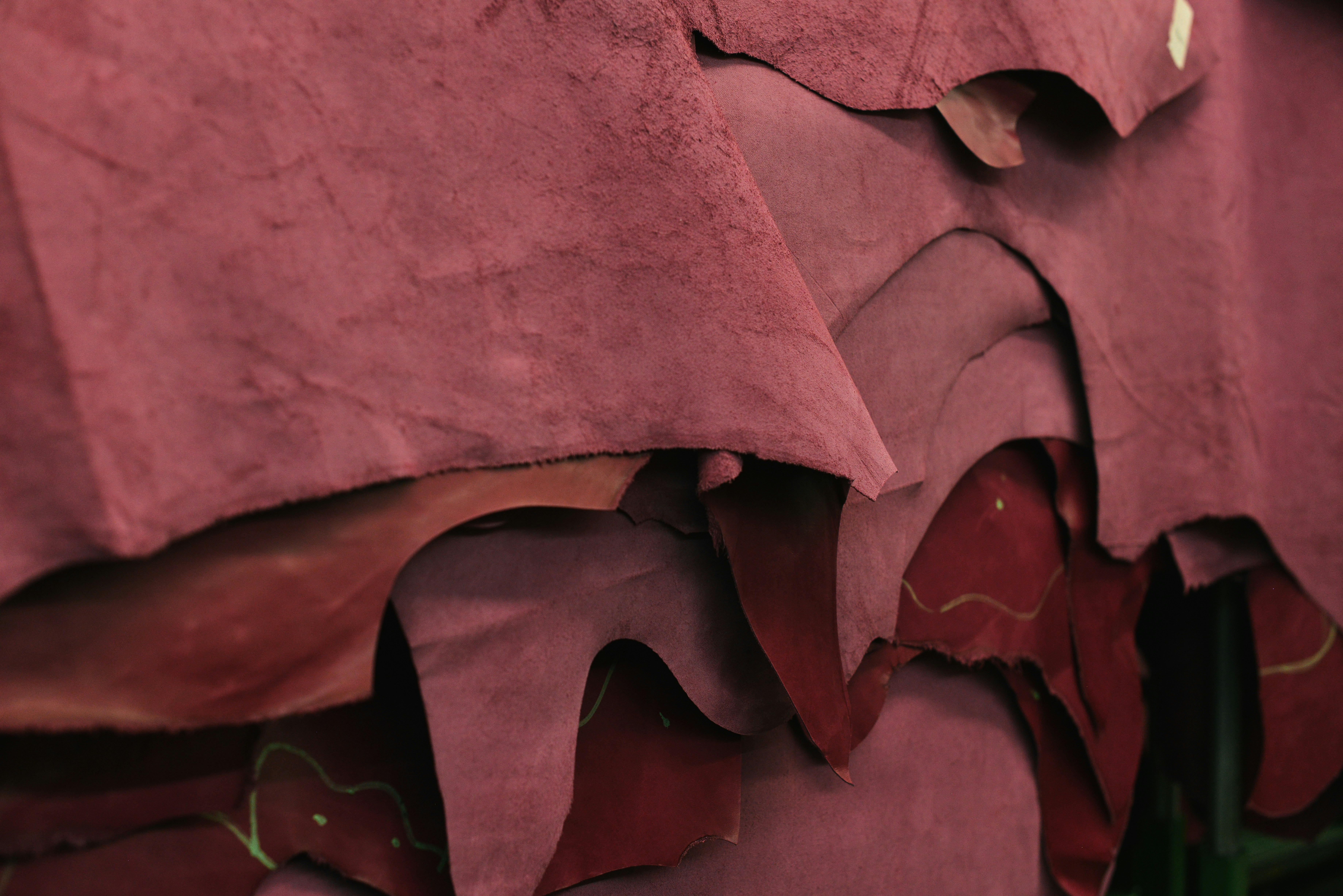
Finishing Operations – Surface Protection And Aesthetics
Finishing chemicals delivered fastest growth at 6.98% CAGR, even as tanning and dyeing agents retained 45.22% share, indicating increasing demand for high-value surface treatments.
Finishing agents include polyurethane resins, acrylic resins, waxes, pigments, and specialty auxiliaries that provide surface protection, color enhancement, gloss control, and water resistance.
Tanning and finishing chemicals segment holds largest share at 35% in some estimates, as leather manufacturers deploy for primary tanning improving durability, texture, resistance.
Finishing application includes coating leather surface with protective layers, embossing, and polishing. Similar to textile finishing which imparts softening, water repellency, and other treatments, leather finishing imparts water resistance, abrasion resistance, and aesthetic properties.
Key Functions In Finishing
Softness And Hand Feel: Fatliquors and softening agents improve tactile properties.
Water Resistance: Water repellents similar to textile auxiliaries, using silicone or fluorocarbon chemistry.
Color Retention: Dye fixers and finishing resins improve color fastness, preventing fading.
Surface Finish: Polyurethane resins provide abrasion resistance and gloss, accounting for 23.3% product-segment revenue.
Antimicrobial Protection: Biocides prevent microbial damage during storage and use, especially important for footwear which generated 46.2% of total demand.
End-Use Applications And Market Drivers
Footwear application generated 46.2% of total demand, dominating leather chemicals market, followed by furniture, automotive, textile and fashion. That concentration reflects global footwear production scale, similar to tire manufacturing consuming 60-70% of rubber processing chemicals.
Leather chemicals improve tensile strength, color retention, water resistance, softness, surface finish across footwear, furniture, automotive interiors. Automotive interiors require high durability and UV resistance, using similar stabilization concepts as UV absorbers protecting plastics.
Market size forecasts vary from 5.67 billion 2025 to 7.10 billion 2032 at 3.8% CAGR, up to 10.7 billion 2025 to 20.3 billion 2035 at 6.6% CAGR, depending on scope, but all show growth driven by footwear, furniture, automotive demand.
Footwear manufacturing drives demand for advanced leather chemical solutions, with specialized formulations supporting multiple stages including preparation, tanning, dyeing, finishing. Polyurethane resins 23.3% revenue share shows importance of finishing in footwear where abrasion resistance critical.
Sustainability And Future Trends
Leather processing chemical market forecasted to reach 7.2 billion by 2035 at 2.6% CAGR, showing mature market with selective growth in sustainable grades. Leather chemicals market estimated 10.7 billion 2025 to 20.3 billion 2035 at 6.6% CAGR in broader definition including specialty auxiliaries.
Market will experience shift toward bio-based and chrome-free tanning, with vegetable tannin extracts and synthetic syntans replacing chrome due to environmental regulations. Bio-based feedstock adoption reaching 9% of new chemical projects reflects similar shift.
For food-grade minerals, parallels exist: zinc oxide used in rubber vulcanization, zinc sulfate monohydrate used in fortification, both requiring low heavy metal compliance. Calcium carbonate GCC used as filler in leather finishing, similar to food-grade calcium carbonate.
Practical strategies for buyers include tracking chromium sulfate and vegetable tannin prices as leading indicators, monitoring regulatory changes on chrome usage driving shift to chrome-free, and building tiered budgets. Focus on four decision signals input trend, lead-time movement, supplier capacity discipline, compliance friction.
Ultimately, leather processing chemicals applications in tanning and finishing operations show tanning and dyeing 38.5-48.2% share, footwear 46.2% demand, finishing fastest growth 6.98% CAGR, with chemicals spanning beamhouse enzymes, chromium sulfate, syntans, fatliquors, polyurethane resins 23.3% share, dyes and fixers, biocides, sodium bicarbonate, improving tensile strength, color retention, water resistance, softness, surface finish across footwear, furniture, automotive, textile and fashion.
Sources:
Leather Processing Chemical Market – Dataintelo – Tanning and Dyeing Chemicals held largest product segment at 38.5% – Footwear application 46.2% total demand – specialized formulations tanning liquors vegetable tannin extracts synthetic chrome compounds – https://dataintelo.com
Leather Chemicals Market Size Share Trends Demand Forecast 2025-2035 – Reports and Data – global market 10.84B 2025 CAGR 4.6% – leather chemicals include beamhouse agents tanning chemicals dyes fatliquors finishing agents – https://reportsanddata.com
Leather Chemicals Market Size & Industry Report 2031 – Mordor Intelligence – Tanning and Dyeing held 45.22% share 2025 finishing chemicals 6.98% CAGR – https://mordorintelligence.com
2-Ethylhexyl Acrylate
Found this useful?