Leather Processing Chemicals: Applications and Production Stages
Leather manufacturing depends on a carefully controlled combination of chemical treatments and mechanical operations. From cleaning raw hides to producing finished leather, each production stage uses specific chemicals to improve durability, flexibility, appearance and resistance to environmental conditions.
Leather processing chemicals play an essential role in converting animal skins into materials suitable for footwear, clothing, upholstery, automotive interiors and industrial applications. Tanners select chemicals according to the hide type, required leather characteristics, production method and customer specifications. Understanding these chemicals helps manufacturers maintain consistent quality while managing processing costs and environmental requirements.
What Are Leather Processing Chemicals?
Leather processing chemicals are specialised substances used to prepare, preserve, tan, colour and finish animal hides and skins. They support chemical reactions that stabilise collagen fibres, remove unwanted materials and give leather the physical and visual properties required by manufacturers.
The chemicals used vary according to the production stage. Some clean and prepare the hide, while others strengthen its structure, improve softness or create protective surface coatings.
Major categories include:
Soaking and cleaning agents: Surfactants, wetting agents and detergents remove dirt, salt and other impurities from raw hides.
Liming and unhairing chemicals: Lime and sodium sulphide help loosen and remove hair while opening the hide's fibre structure.
Enzymes: Proteolytic enzymes support processes such as bating by removing unwanted proteins and improving fibre characteristics.
Tanning agents: Basic chromium sulphate, vegetable tannins and synthetic tanning agents stabilise collagen fibres.
Dyes and pigments: These provide the required colour and visual consistency.
Fatliquoring agents: Special oils and emulsions improve softness, flexibility and resistance to cracking.
Finishing chemicals: Resins, binders, waxes and coatings improve surface appearance and performance.
Each category contributes to a specific production requirement. Incorrect chemical selection or dosing can affect leather quality, processing efficiency and wastewater characteristics.
Major Production Stages in Leather Manufacturing
Leather production generally follows four major stages: beamhouse operations, tanning, post-tanning and finishing. The exact process varies according to the type of hide, desired leather grade and production technology used.
EU-BRITE+1
1. Hide Preservation and Preparation
Raw hides require proper preservation before processing. Manufacturers commonly use salt curing or refrigeration to reduce deterioration during storage and transportation.
At the tannery, workers sort and inspect the hides before removing damaged sections and unwanted materials. Chemical preservation and controlled storage help maintain the condition of the raw material until production begins.
2. Soaking and Cleaning
Soaking restores moisture lost during preservation and transportation. Water, surfactants, wetting agents and selected cleaning chemicals help remove salt, blood, dirt and other contaminants.
Effective soaking prepares the hide for subsequent chemical treatments. Poor cleaning can create uneven processing and affect the quality of the final leather.
3. Liming and Unhairing
Liming and unhairing remove hair and loosen unwanted natural materials from the hide. Manufacturers commonly use calcium hydroxide, also known as hydrated lime, alongside sodium sulphide or other suitable unhairing chemicals.
These treatments also help open the fibre structure, allowing chemicals to penetrate more effectively during later stages. Operators must control chemical concentration, processing time and pH to prevent excessive damage to the hide.
4. Deliming and Bating
After liming, the hide contains residual lime and requires deliming before further processing. Ammonium salts or other deliming agents reduce alkalinity and prepare the material for enzymatic treatment.
Bating uses enzymes to remove unwanted proteins and improve the smoothness, softness and flexibility of the hide. This stage helps manufacturers achieve more consistent leather characteristics.
5. Pickling and Tanning
Pickling lowers the pH of the prepared hide and creates suitable conditions for tanning agents to penetrate the collagen structure. Manufacturers generally use acids such as formic acid or sulphuric acid together with sodium chloride.
Tanning then stabilises the collagen fibres and makes the material resistant to decomposition. Basic chromium sulphate remains a widely used tanning chemical, while vegetable tannins and synthetic tanning agents provide alternative processing routes.
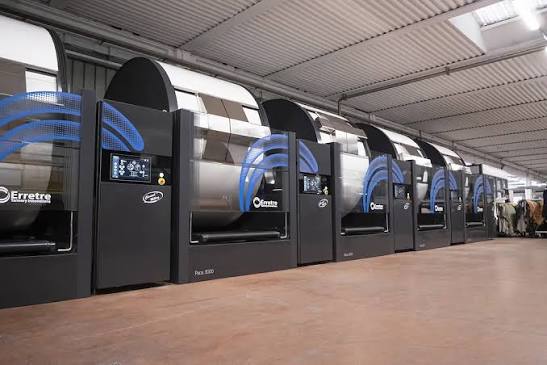
Applications of Leather Processing Chemicals Across Industries
Leather processing chemicals influence the performance and appearance of leather used in several manufacturing sectors. Different applications require specific combinations of tanning agents, dyes, oils and finishing products.
Footwear Manufacturing
Footwear manufacturers require leather with suitable strength, flexibility and resistance to repeated movement. Tanning agents stabilise the material, while fatliquoring chemicals help maintain softness and reduce the risk of cracking.
Dyes and finishing coatings provide consistent colours and surface characteristics for shoes, boots and sandals. Manufacturers also select finishing systems according to requirements such as water resistance, abrasion resistance and surface feel.
Furniture and Upholstery
Furniture producers use leather for sofas, chairs, cushions and decorative interior products. These applications require consistent colour, softness and resistance to everyday wear.
Fatliquors improve flexibility, while pigments, binders and protective coatings help maintain the surface appearance. Manufacturers may also use specialised finishing treatments to improve resistance to stains and rubbing.
Automotive Interiors
Automotive manufacturers use leather in vehicle seats, steering wheel covers, door panels and interior trim. These applications require controlled thickness, colour consistency and resistance to heat, sunlight and repeated contact.
Finishing chemicals help protect leather surfaces against wear and fading. Suppliers must provide formulations that meet the technical requirements of automotive manufacturers.
Fashion and Leather Accessories
Handbags, belts, wallets and leather garments require materials with attractive textures and consistent finishes. Dyes, pigments, softening agents and surface coatings help manufacturers achieve different colours, finishes and tactile properties.
The choice of chemicals depends on whether the product requires a smooth, glossy, matte, textured or naturally finished appearance.
Post-Tanning Chemicals and Their Functions
Post-tanning operations refine the physical properties of leather after the main tanning process. These treatments help manufacturers achieve the required colour, thickness, softness and performance characteristics.
Retanning Agents
Retanning improves the structure and feel of tanned leather. Manufacturers use synthetic tanning agents, vegetable extracts, resin-based products and other retanning chemicals to improve fullness, firmness and uniformity.
The selection depends on the final application. For example, footwear leather may require a different firmness profile from leather used in garments or upholstery.
Leather Dyes and Pigments
Dyes provide colour by penetrating the leather structure, while pigments generally contribute colour through surface finishing systems. Acid dyes and other specialised colourants help manufacturers achieve specific shades and improve colour consistency.
Dye selection depends on the leather type, processing conditions and required colourfastness. Manufacturers also evaluate resistance to light, rubbing and perspiration.
Fatliquoring Agents
Fatliquoring introduces lubricating oils into the leather fibre structure. These chemicals reduce friction between fibres and help maintain flexibility during drying and use.
Common formulations include natural oils, synthetic oils and modified fatliquoring emulsions. Correct application helps prevent stiff leather and improves the material's handling characteristics.
Finishing Chemicals and Surface Protection
Finishing represents the final major stage of leather production. It improves appearance and provides surface properties that help leather meet customer requirements.
Manufacturers use several chemical products during this stage:
Acrylic and polyurethane resins: These help form protective surface films and improve coating performance.
Pigments and colourants: These provide consistent surface colour and help conceal minor variations.
Binders: These hold pigments and other finishing components together on the leather surface.
Waxes and oils: These influence surface feel, gloss and flexibility.
Protective coatings: These improve resistance to abrasion, moisture and other forms of everyday wear.
Finishing methods vary according to the intended product. Automotive leather may require strong surface protection, while premium fashion leather may prioritise natural grain appearance and softness.
Environmental Considerations in Leather Chemical Processing
Chemical use and wastewater management remain important operational concerns for tanneries. Processing stages can generate wastewater containing salts, organic matter, sulphides, acids, dyes and residual tanning chemicals.
OECD+1
Manufacturers need suitable treatment systems to manage these waste streams and comply with applicable environmental requirements. Poor chemical management can increase treatment costs and create operational risks.
Several approaches can support more responsible production:
Optimised chemical dosing: Accurate dosing reduces unnecessary chemical consumption and limits unused chemicals entering wastewater.
Improved chemical selection: Lower-impact formulations can help reduce the environmental burden of selected processing operations.
Chrome management: Better control of chromium tanning solutions and recovery systems can reduce chromium losses.
Enzyme-based processing: Suitable enzymatic treatments can help reduce reliance on some conventional chemicals.
Wastewater treatment: Appropriate treatment systems help manage pollutants before wastewater discharge or reuse.
Tanneries should evaluate environmental performance alongside product quality and production costs. Supplier technical documentation and safety data sheets also help manufacturers understand chemical handling and disposal requirements.
What Buyers Should Consider When Sourcing Leather Processing Chemicals
Chemical procurement directly affects production consistency, leather quality and operating expenses. Buyers should evaluate technical suitability rather than selecting products based only on price.
Important purchasing considerations include:
Chemical specifications: Review active content, concentration, pH, physical form and other relevant technical parameters.
Application suitability: Confirm that the chemical matches the intended process, leather type and final product requirements.
Supplier reliability: Evaluate production capacity, supply consistency and the supplier's ability to meet delivery commitments.
Technical documentation: Request technical data sheets, safety data sheets and certificates of analysis where applicable.
Batch consistency: Check whether the supplier maintains consistent product quality across different shipments.
Storage and handling: Confirm packaging suitability, shelf life and storage conditions before placing bulk orders.
Buyers should also compare the total cost of use. A chemical with a lower purchase price may create additional expenses if it requires higher dosage or produces inconsistent results.
The Way Forward for Leather Chemical Buyers
Leather processing chemicals remain essential to the production of footwear, upholstery, automotive interiors and fashion accessories. Each stage, from soaking and liming to tanning, retanning, dyeing and finishing, requires suitable chemical inputs to achieve the required material properties.
For procurement teams, reliable sourcing involves more than securing competitive prices. Buyers need consistent specifications, dependable suppliers and chemicals that support production quality while meeting environmental and operational requirements.
As manufacturers continue to improve processing efficiency, demand for specialised tanning agents, enzymes, finishing products and lower-impact formulations will remain important to the leather chemicals supply chain. Building strong supplier relationships can help tanneries maintain reliable production and respond to changing customer expectations.
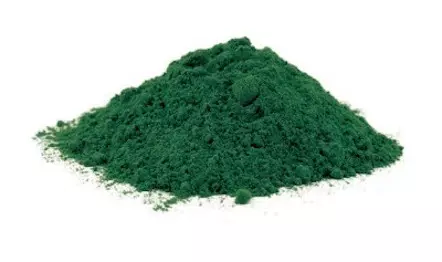
Basic Chromium Sulphate
Found this useful?