Optical Brightening Agents: Uses in Paper and Textile Industries
Optical brightening agents (OBAs) play an important role in paper production and textile manufacturing by improving the visual whiteness of finished products. These specialty chemicals, also known as fluorescent whitening agents (FWAs), absorb ultraviolet light and re-emit it as visible blue light, creating a brighter and cleaner appearance.
Manufacturers use OBAs in printing paper, packaging boards, cotton fabrics, synthetic textiles and various household products. Their ability to improve perceived whiteness makes them valuable for industries where product appearance influences quality expectations and customer satisfaction.
For chemical traders, procurement managers and industrial buyers, understanding OBA chemistry, application methods and performance requirements helps identify suitable grades and reliable suppliers. The correct selection can improve brightness, maintain production consistency and reduce formulation difficulties.
What Are Optical Brightening Agents and How Do They Work?
Optical brightening agents are fluorescent organic compounds that enhance the apparent whiteness of materials. Unlike conventional bleaching chemicals, they do not primarily remove coloured impurities. Instead, they change how the treated material reflects visible light.
Fluorescence and Whitening Mechanism
OBAs absorb ultraviolet radiation, generally within the UV region, and emit part of that energy as blue or bluish-violet visible light.
This additional blue emission helps counteract the yellowish appearance of paper and fabrics. As a result, treated materials appear brighter and whiter under suitable lighting conditions.
The whitening effect depends on several factors:
OBA concentration: Determines how much brightening agent enters the formulation or treatment bath.
Substrate compatibility: Influences how effectively the chemical attaches to paper fibres or textile materials.
UV availability: The fluorescent effect depends on the presence of suitable ultraviolet radiation.
Application conditions: Temperature, pH and processing methods influence brightener performance.
Common Chemical Types
Several chemical structures serve as optical brightening agents across industrial applications.
Stilbene derivatives: Widely used in paper and textile manufacturing because of their strong fluorescence and suitability for water-based applications.
Coumarin derivatives: Used in selected textile, plastic and specialty applications.
Benzoxazole derivatives: Commonly associated with synthetic fibres and specialised whitening applications.
Pyrazoline derivatives: Used in selected fluorescent brightening formulations.
Stilbene-based OBAs, particularly triazinylamino stilbene derivatives, have significant importance in the paper industry. Different chemical structures provide different levels of solubility, substrate affinity and processing compatibility.
ippta.co+2
Applications of Optical Brightening Agents in the Paper Industry
Paper manufacturers use OBAs to achieve higher brightness levels in products that require a clean, white appearance. Natural pulp and mineral fillers may not provide the desired optical whiteness, so manufacturers introduce brightening agents during production or surface treatment.
Printing and Writing Paper
Printing and writing paper represents an important application area for optical brightening agents. Manufacturers use OBAs to improve the appearance of office paper, notebooks, books, magazines and commercial printing materials.
Brighter paper provides a cleaner background for printed text and images. This can improve visual contrast and support consistent product appearance across commercial paper grades.
Packaging Paper and Paperboard
Packaging manufacturers use OBAs in selected paperboard and coated packaging products where a bright white surface supports product presentation.
Applications include:
Folding cartons: Improves the whiteness of paperboard used in retail packaging.
Coated paper: Supports brighter surfaces for printed promotional materials.
White packaging board: Helps achieve consistent visual quality in packaging production.
Specialty paper: Provides optical brightness for selected premium paper products.
The required OBA grade depends on the paper composition, coating formulation and intended end use.
Tissue and Hygiene Paper
Tissue manufacturers may use optical brightening agents to improve the whiteness of selected paper products. Applications can include facial tissues, napkins and other hygiene-related paper grades.
However, manufacturers must evaluate the specific product requirements, applicable regulations and customer specifications before selecting an OBA for these applications.
Internal and Surface Application
Paper manufacturers generally introduce OBAs through two main routes:
Internal addition: The brightening agent enters the pulp suspension during papermaking. It interacts with fibres and other components before the paper sheet forms.
Surface application: Manufacturers apply OBAs through coating or surface-sizing operations. This approach improves the optical properties of the paper surface.
The choice depends on the desired brightness, retention behaviour and overall manufacturing process.
ippta.co+1
Optical Brightening Agents in Textile Manufacturing
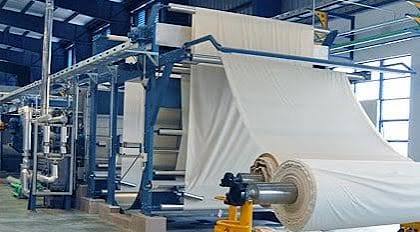
The textile industry uses OBAs to improve the whiteness of natural and synthetic fibres. These chemicals help manufacturers produce brighter fabrics for apparel, household textiles and industrial textile applications.
Cotton and Cellulosic Fabrics
Cotton, viscose and other cellulosic fibres commonly use suitable anionic optical brightening agents.
Textile processors apply these chemicals during bleaching, dyeing or finishing operations to improve the final white appearance. The selection depends on fibre affinity, application method and required washing performance.
High-affinity brighteners are generally suitable for discontinuous processing, while medium- and low-affinity grades often support continuous and semi-continuous applications.
Optical brightening agents+1
Polyester and Synthetic Fibres
Polyester requires different optical brightening formulations from cotton because of its chemical structure and processing behaviour.
Manufacturers commonly use disperse-type brighteners based on suitable benzoxazole or related chemical structures. These products can enter textile processing through exhaust or thermosol methods.
Applications include:
Polyester apparel and sportswear.
Synthetic upholstery fabrics.
Curtains and household textiles.
Industrial polyester fabrics.
Blended cotton-polyester materials.
Wool, Silk and Polyamide
Selected OBA formulations also support wool, silk and polyamide processing. Manufacturers must consider fibre compatibility, bath stability and resistance to subsequent washing or finishing treatments.
Different fibres require different chemical structures and application conditions. Using an unsuitable grade can lead to uneven whiteness or poor retention.
Technical Properties and Quality Requirements
The performance of optical brightening agents depends on their chemical structure, concentration and compatibility with the material being treated. Buyers should evaluate technical specifications before selecting a product for commercial manufacturing.
Brightening Strength and Whiteness
Brightening strength determines how effectively an OBA improves the apparent whiteness of paper or fabric.
Manufacturers should conduct laboratory trials to establish suitable dosage levels. Excessive application may create unwanted bluish or violet shades rather than the required neutral white appearance.
Solubility and Substrate Affinity
Water solubility is important for many paper and textile brighteners because manufacturers commonly apply them through aqueous processing systems.
Substrate affinity determines how effectively the chemical attaches to the material. In textile applications, this property influences exhaustion, build-up and washing performance.
Light and Washing Fastness
Lightfastness measures how well the brightening effect remains under light exposure. This property matters particularly for textiles and paper products that encounter natural or artificial lighting.
Washing fastness is especially important for textile applications. The selected brightener should maintain its performance through the required washing and finishing processes.
Compatibility with Manufacturing Conditions
OBAs must remain stable under the processing conditions used by manufacturers.
Important technical parameters include:
Chemical composition and product identification.
Active content and concentration.
Solubility and physical appearance.
Application pH range.
Recommended processing temperature.
Compatibility with dyes, bleaching agents and auxiliaries.
Lightfastness and washing fastness.
Storage stability and shelf life.
Procurement teams should request a Technical Data Sheet (TDS), Safety Data Sheet (SDS) and Certificate of Analysis (COA) from suppliers.
Factors Affecting Optical Brightening Agent Procurement
Industrial buyers need to consider application requirements, product consistency and supplier reliability when sourcing optical brightening agents.
Selecting the Correct Grade
Paper and textile manufacturers should not assume that one OBA grade works equally well across every material.
Paper applications require suitable fibre retention and compatibility with pulp or coating formulations. Textile applications require additional consideration of fibre type, application method and finishing conditions.
Buyers should provide suppliers with their intended application and processing details before requesting quotations.
Supplier Quality and Documentation
Reliable suppliers should maintain consistent product specifications and provide technical support.
Procurement teams should check:
Product concentration and formulation.
Batch-to-batch brightness consistency.
Recommended dosage and application conditions.
TDS, SDS and COA availability.
Packaging specifications and storage requirements.
Sample availability for laboratory testing.
Packaging and Storage
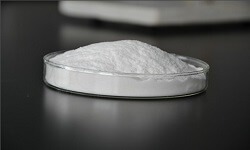
Optical brightening agents are available in different commercial forms, including powders, granules and liquid formulations.
Buyers should select packaging according to the product's physical form and handling requirements. Storage conditions should follow supplier recommendations to protect the material from moisture, contamination and degradation.
Pricing and Supply Chain Considerations
OBA procurement costs depend on chemical composition, active concentration, manufacturing processes and product grade. International freight, raw material availability and order quantities can also influence delivered costs.
Buyers should compare quotations using equivalent specifications rather than relying exclusively on the lowest price. Testing samples before bulk purchasing can help reduce production losses and quality inconsistencies.
Environmental and Regulatory Considerations
Environmental performance is an important consideration for paper mills, textile processors and chemical distributors. Manufacturers should evaluate the composition and environmental characteristics of optical brightening agents before introducing them into production.
Since many OBAs enter water-based manufacturing systems, buyers should consider wastewater treatment and chemical discharge requirements. The amount of brightener retained by the finished material and the amount remaining in process water can influence environmental management requirements.
Procurement teams should evaluate:
Applicable chemical registration requirements.
Safety Data Sheets and handling classifications.
Wastewater discharge requirements.
Biodegradability and environmental fate information where available.
Customer restrictions for textile and paper applications.
Compatibility with existing wastewater treatment systems.
Suppliers should provide relevant technical and safety documentation to support regulatory assessments in the destination market.
What Buyers Should Do Now
Demand for optical brightening agents across paper and textile manufacturing creates opportunities for chemical suppliers, importers and industrial distributors. Buyers can improve procurement decisions by understanding the differences between paper-grade and textile-grade formulations.
Before placing bulk orders, manufacturers should test samples under actual production conditions. This helps evaluate brightness development, chemical compatibility, processing stability and finished-product quality.
Chemical traders should also maintain relationships with suppliers offering consistent product grades and reliable technical documentation. Comparing active content, application performance and delivered costs can help buyers identify suitable sourcing opportunities.
As manufacturers continue to focus on product appearance and processing efficiency, optical brightening agents remain important specialty chemicals for the paper and textile industries.
Sodium Carboxyl Methyl Cellulose
SOURCE LINK :https://ippta.co/wp-content/uploads/2021/01/304.pdf
Found this useful?