Calcium Carbonate: Uses in Plastics, Paper and Construction
Calcium Carbonate: Uses in Plastics, Paper and Construction
Calcium carbonate (CaCO₃) is one of the most widely used industrial minerals. Naturally found in limestone, chalk and marble, it serves as an important raw material and functional filler across several manufacturing industries. Its availability, whiteness, chemical properties and adaptable particle characteristics make it valuable in applications ranging from plastic compounds and paper production to cement, mortar and construction materials.
Manufacturers use calcium carbonate to modify product properties, improve processing characteristics and manage formulation costs. However, the performance of the mineral depends on its grade, particle size, purity, brightness and surface treatment. Understanding these specifications helps industrial buyers select suitable material for their production requirements.
What Is Calcium Carbonate?
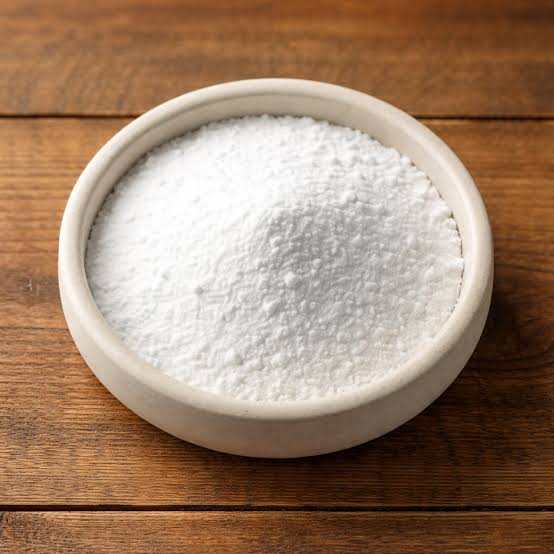
Calcium carbonate is an inorganic chemical compound with the formula CaCO₃ and CAS number 471-34-1. It commonly occurs as calcite in natural deposits of limestone, chalk and marble. Commercial calcium carbonate is processed into different grades to meet the requirements of specific industries.
Two major commercial forms are Ground Calcium Carbonate (GCC) and Precipitated Calcium Carbonate (PCC).
Ground Calcium Carbonate (GCC)
GCC is produced by extracting natural calcium carbonate deposits, followed by crushing, grinding, classification and, where required, surface treatment. Its properties depend on the mineral source and processing method.
Manufacturers select GCC based on factors such as particle size distribution, whiteness, purity and oil absorption. It is widely used as a filler in plastics, paper, paints, adhesives and construction products.
Precipitated Calcium Carbonate (PCC)
PCC is manufactured through a controlled chemical precipitation process. Producers can adjust its particle size, shape and crystal structure to achieve specific performance characteristics.
This controlled production makes PCC useful in applications that require consistent particle properties, high brightness or specialised surface characteristics. Paper manufacturers use it as a filler and coating pigment, while selected plastic applications use it to modify processing and physical properties.
Calcium Carbonate Uses in the Plastics Industry
The plastics industry uses calcium carbonate as a mineral filler in several polymer products. It can help manufacturers control material costs, adjust density and modify physical or processing characteristics.
Its performance depends on the polymer type, filler loading, particle size, dispersion and surface treatment. Both GCC and PCC serve plastic applications, although manufacturers choose between them according to the required product properties.
Applications in PVC and Polypropylene
Calcium carbonate is commonly incorporated into polyvinyl chloride (PVC) compounds used in pipes, profiles, cable products, flooring and other manufactured components.
In these formulations, the mineral can influence stiffness, dimensional behaviour, density and processing characteristics. Coated calcium carbonate grades may improve compatibility and dispersion in selected polymer systems.
Polypropylene (PP) manufacturers also use calcium carbonate in certain compounds and moulded products. The filler can modify stiffness, impact behaviour and dimensional stability, depending on particle characteristics and formulation design.
Plastic Films and Packaging
Calcium carbonate is used in selected plastic film applications, including filler-containing films and products designed for specific surface or processing characteristics. Its suitability depends on particle size, dispersion quality and the required optical and mechanical properties.
In packaging applications, manufacturers must balance filler content with film strength, flexibility, appearance and processing performance. Poor dispersion or unsuitable particle characteristics can create defects and reduce product quality.
Benefits of Calcium Carbonate in Plastic Compounds
Calcium carbonate offers several formulation benefits:
Helps reduce dependence on more expensive polymer resin.
Modifies stiffness and dimensional properties.
Influences density and surface characteristics.
Supports selected processing and moulding requirements.
Provides options for tailoring compound performance through particle size and surface treatment.
Manufacturers should not assume that higher filler loading automatically improves performance. Each formulation requires testing to establish the appropriate balance between cost, processability and final product properties.
Calcium Carbonate Uses in the Paper Industry
Paper manufacturing is one of the major industrial applications of calcium carbonate. Paper producers use it as a filler and coating pigment to improve appearance, printability and other sheet characteristics.
Its brightness, whiteness and particle properties make it particularly valuable in printing papers, writing papers and selected packaging grades.
Calcium Carbonate as a Paper Filler
During papermaking, calcium carbonate can be added to the pulp suspension and retained within the paper structure. It occupies space between fibres and changes the composition and characteristics of the finished sheet.
As a filler, it can help improve brightness, opacity and surface properties. It can also reduce the amount of fibre required for a given paper formulation, subject to the strength and performance requirements of the finished product.
PCC and GCC offer different particle characteristics, so paper manufacturers select the grade according to the desired sheet properties and production process.
Use in Paper Coating
Calcium carbonate also serves as a coating pigment. Coating formulations apply mineral particles to the paper surface to improve smoothness, brightness and printing performance.

Benefits for Paper Manufacturers
Calcium carbonate can contribute to:
Improved paper brightness and opacity.
Better surface smoothness and print quality.
Controlled sheet composition and filler content.
Formulation flexibility for different paper grades.
Reduced reliance on fibre in selected applications.
The appropriate grade depends on the paper type, production equipment, coating formulation and required finished-sheet properties.
Calcium Carbonate Uses in the Construction Industry
The construction industry uses calcium carbonate in several forms, including processed mineral powder, limestone aggregates and raw material for lime and cement production. Its role varies according to particle size, purity and the manufacturing process.
Fine calcium carbonate powders are used as fillers in construction products, while limestone serves as an important raw material in the production of cement and quicklime.
Concrete and Mortar
Fine calcium carbonate can be incorporated into selected concrete and mortar formulations as a mineral filler. Its particles can influence packing density, fresh mix behaviour and the microstructure of cement-based materials.
The effect depends on particle size, quantity, cement composition and curing conditions. A suitable grade may help manufacturers optimise the formulation, but its addition does not guarantee higher strength or durability in every mix.
Construction material producers should evaluate the mineral through appropriate testing before using it in commercial formulations.
Cement and Lime Manufacturing
Limestone, which mainly consists of calcium carbonate, is a major raw material in Portland cement production. During cement manufacturing, limestone reacts with other mineral components at high temperatures to form clinker phases.
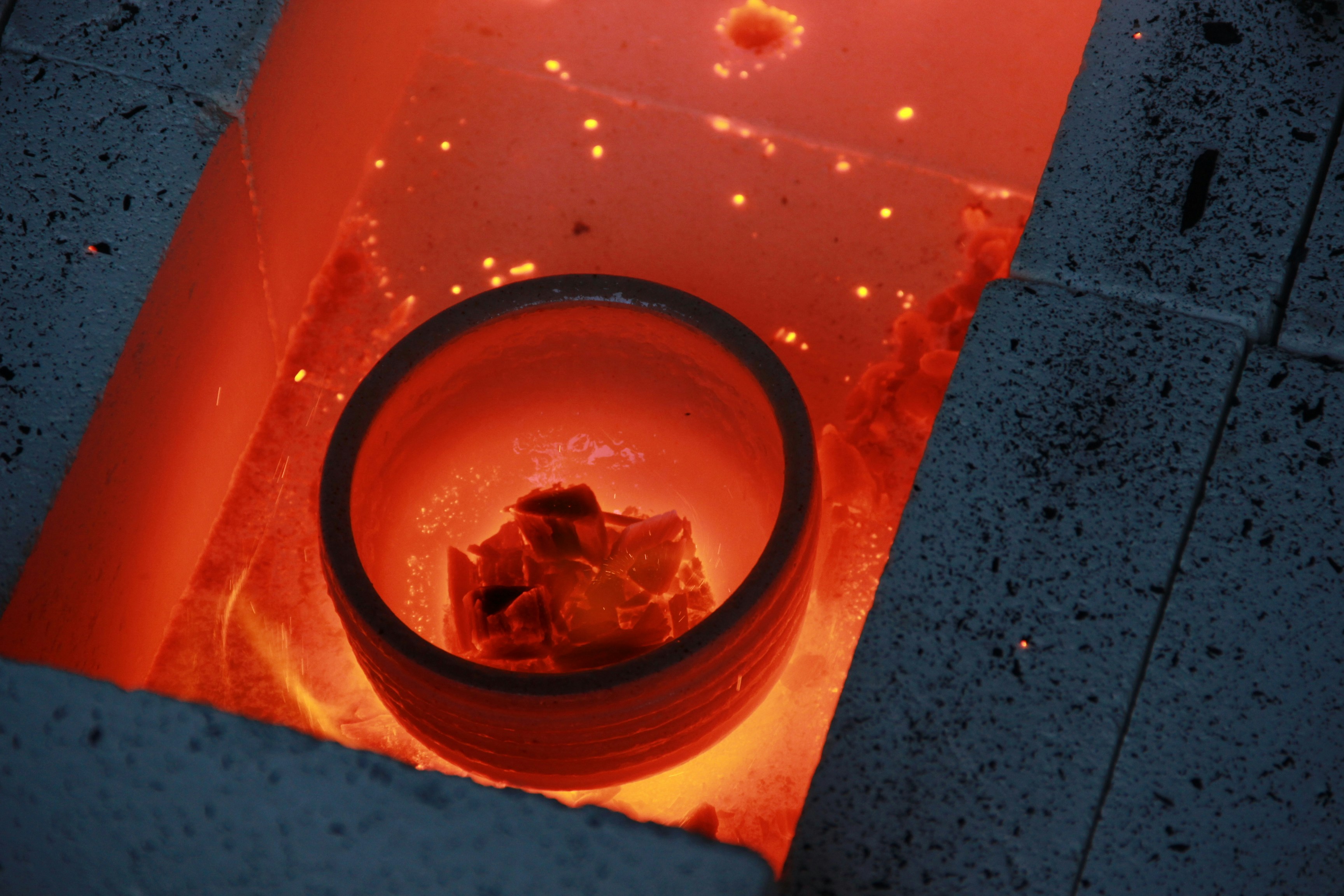
Calcium carbonate is also the primary raw material used to manufacture quicklime (calcium oxide). Heating limestone releases carbon dioxide and produces quicklime, which has applications in construction, steelmaking, water treatment and chemical manufacturing.
Plaster, Putty and Building Products
Ground calcium carbonate is used as a filler in selected construction materials, including plaster, wall putty, joint compounds, sealants and architectural coatings.
In these products, it can influence consistency, workability, surface finish and formulation cost. Particle size distribution and whiteness are important selection factors, particularly for products that require a smooth appearance or a light-coloured finish.
Quality Specifications and Grade Selection
Calcium carbonate is available in multiple grades, and a product suitable for one industry may not meet the requirements of another. Buyers should evaluate technical specifications against the intended application rather than selecting material based on price alone.
Important Technical Parameters
Industrial buyers should review the following properties:
Calcium carbonate content: Indicates the chemical purity of the material.
Particle size distribution: Influences dispersion, surface finish and application performance.
Whiteness and brightness: Important for paper, plastics, coatings and other appearance-sensitive products.
Moisture content: Affects storage, handling and processing.
Oil absorption: Relevant to selected polymer, coating and compound formulations.
Surface treatment: Coated grades may offer improved compatibility with certain polymer systems.
Bulk density: Helps determine storage, transportation and material-handling requirements.
Impurity levels: Relevant to product consistency and application-specific quality standards.
Buyers should request a current technical data sheet and batch-specific certificate of analysis. These documents help confirm the supplied grade and its compliance with the agreed specification.
Choosing Between GCC and PCC
GCC is often selected for applications where natural mineral filler properties and cost efficiency are important. PCC is preferred in certain applications that require more controlled particle size, crystal morphology or brightness.
The decision depends on the production process and finished-product requirements. Paper manufacturers may prioritise optical properties and coating performance, plastic compounders may focus on dispersion and polymer compatibility, and construction producers may prioritise particle distribution and formulation behaviour.
Storage, Handling and Industrial Sourcing
Calcium carbonate is generally supplied as a powder or in specialised industrial packaging. Although it is widely used, facilities should manage dust exposure during unloading, transfer and mixing operations.
Workers should follow the supplier's safety data sheet and workplace procedures. Appropriate dust-control measures, ventilation, eye protection and suitable respiratory protection should be used where required by the exposure assessment.
Store the material in a dry area and protect it from moisture and contamination. Keep packaging sealed when not in use and follow supplier recommendations for stacking and handling.
Reliable sourcing is essential for manufacturers that require consistent quality across production batches. Buyers should confirm the material form, grade, particle size, purity, packaging and delivery conditions before placing an order.
Calcium carbonate continues to play an important role in plastics, paper and construction because manufacturers can adapt its properties to a wide range of industrial requirements. Selecting the right GCC or PCC grade helps businesses maintain product consistency, support manufacturing performance and meet application-specific specifications.
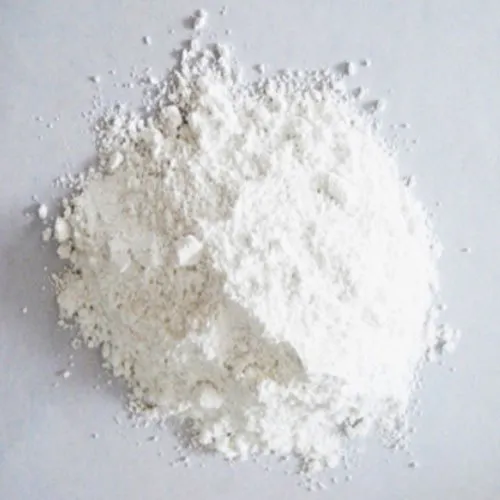
Calcium Carbonate (Feed Grade)
Found this useful?