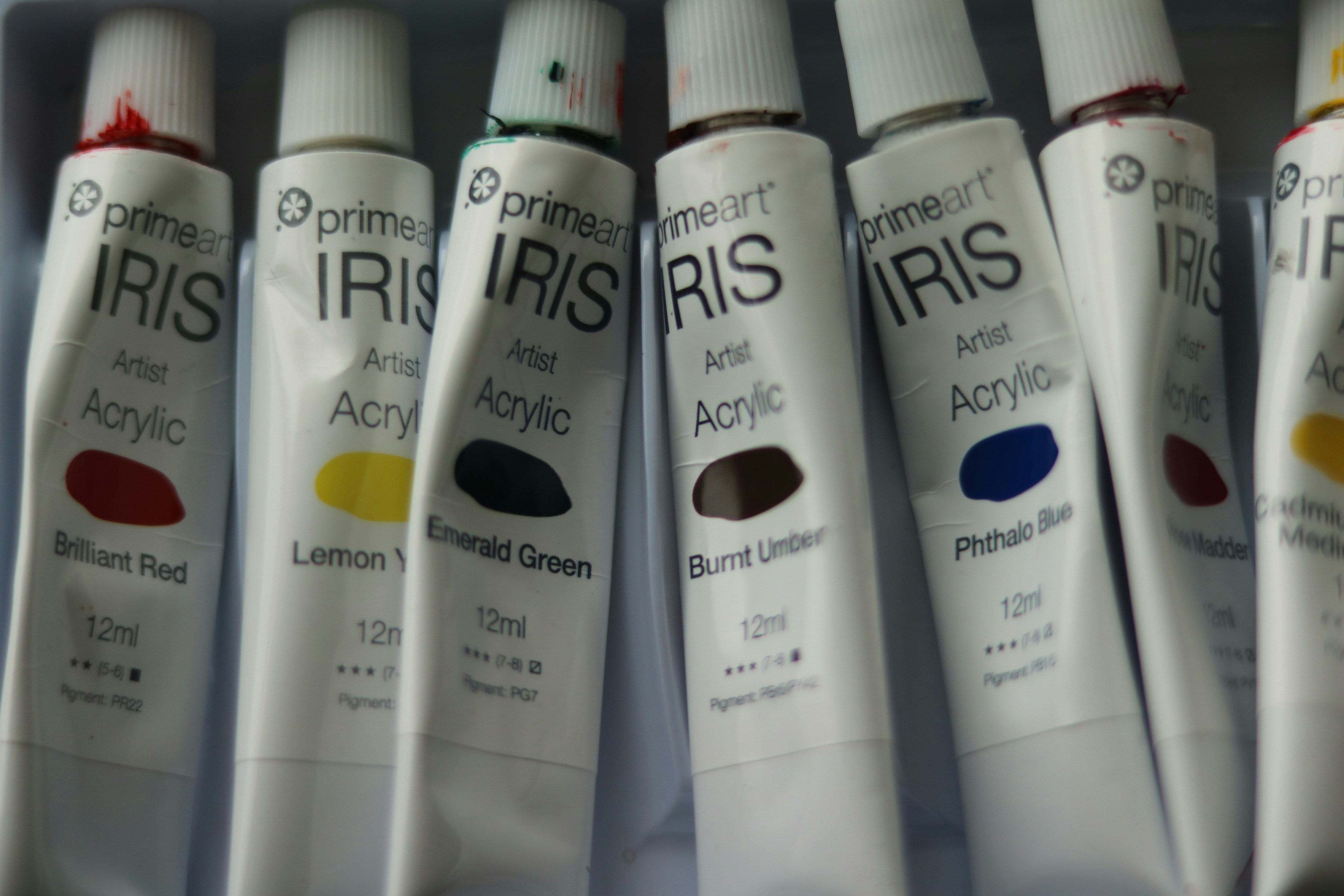
Phthalocyanine Blue: Industrial Uses in Pigments and Coatings
Phthalocyanine blue is one of the most widely used high-performance organic pigments in the global colour and coatings industry. Known for its brilliant blue shade, strong tinting strength and excellent resistance to light, chemicals and weather exposure, it supports manufacturing across paints, industrial coatings, printing inks and plastics.
The pigment offers manufacturers a reliable way to achieve intense blue colours without compromising the durability of finished products. Its ability to maintain colour under demanding processing and environmental conditions makes it valuable for both decorative and industrial applications.
For chemical traders, importers and procurement managers, understanding phthalocyanine blue grades, technical properties and application requirements helps identify suitable suppliers and improve purchasing decisions. Grade selection, dispersion performance and batch consistency remain important factors in industrial sourcing.
What Is Phthalocyanine Blue and How Is It Produced?
Phthalocyanine blue is a synthetic organic pigment commonly based on copper phthalocyanine. Its chemical structure contains a central copper atom surrounded by a large nitrogen-containing organic ring system.
This molecular structure contributes to the pigment's strong colour performance, chemical stability and resistance to environmental exposure. The most common commercial grades belong to the Pigment Blue 15 series, which includes different crystal modifications and surface-treated forms.
Common Types of Phthalocyanine Blue
Different grades provide variations in colour shade, processing behaviour and application performance.
Pigment Blue 15:0: An alpha-form copper phthalocyanine pigment generally associated with reddish-blue shades and strong colour intensity.
Pigment Blue 15:1: A stabilised alpha-form grade used in selected coating, ink and plastic applications.
Pigment Blue 15:2: A stabilised alpha-form pigment valued for its dispersion characteristics and resistance to flocculation.
Pigment Blue 15:3: A beta-form pigment that generally provides a greenish-blue shade with strong fastness properties.
Pigment Blue 15:4: A modified beta-form grade developed for specialised applications requiring controlled dispersion and processing performance.
Manufacturing Process
Manufacturers generally produce copper phthalocyanine through controlled chemical reactions involving phthalic anhydride or related intermediates, urea and a copper-containing compound. The production process forms the phthalocyanine pigment structure.
After synthesis, manufacturers apply washing, filtration, drying and milling operations. Additional finishing and surface treatments can improve dispersion, compatibility and performance in specific industrial formulations.
The final product undergoes quality checks for colour strength, particle characteristics, moisture content and resistance properties before packaging.
Applications of Phthalocyanine Blue in Industrial Coatings
Industrial coatings require pigments that maintain colour and performance under exposure to sunlight, moisture, chemicals and changing temperatures. Phthalocyanine blue meets many of these requirements through its strong colour intensity and durability.
Protective and General Industrial Coatings
Manufacturers use phthalocyanine blue in coatings for machinery, industrial equipment, metal structures and manufactured components.
Its intense colour helps produce consistent finishes while its chemical resistance supports applications exposed to demanding operating conditions. The pigment also works in different resin systems when manufacturers select compatible grades.
Common coating applications include:
Metal coatings: Used to produce blue finishes for metal surfaces and industrial components.
Machinery coatings: Provides durable colour for equipment and manufactured machinery.
Protective coatings: Supports colour requirements in selected industrial protective formulations.
Equipment enamels: Creates strong blue shades for agricultural machinery and industrial equipment.
General industrial paints: Helps manufacturers achieve consistent colour across different coating products.
Automotive and Transportation Coatings
Automotive manufacturers use high-performance organic pigments to create attractive vehicle finishes with reliable colour retention. Phthalocyanine blue can contribute to blue shades in automotive OEM coatings and related transportation applications.
The pigment's resistance to light exposure helps maintain appearance during outdoor use. However, manufacturers must select suitable grades based on coating chemistry, dispersion requirements and the performance specifications of the complete paint system.
Powder Coatings
Powder coating manufacturers incorporate phthalocyanine blue into formulations used for metal furniture, appliances, industrial equipment and architectural components.
The selected grade must tolerate the curing temperature and remain compatible with the resin and additive system. Pigment dispersion also influences the uniformity and appearance of the finished coating.
Phthalocyanine Blue in Paints, Printing Inks and Plastics
Beyond industrial coatings, phthalocyanine blue supports several manufacturing sectors that depend on strong and consistent blue colour.
Decorative and Architectural Paints
Paint manufacturers use phthalocyanine blue in interior and exterior decorative coatings. Its strong tinting strength allows formulators to develop bright blue shades and colour combinations with relatively controlled pigment concentrations.
Water-based and solvent-based paint systems may require different pigment grades. Manufacturers must consider compatibility with binders, dispersants and other formulation ingredients to prevent flocculation or uneven colour development.
Printing Inks and Packaging
The printing industry uses phthalocyanine blue in different ink systems because of its intense colour and resistance properties.
Applications include:
Offset printing inks: Provides strong blue shades for commercial printing and packaging.
Flexographic inks: Supports colour production for flexible packaging, labels and printed materials.
Gravure inks: Contributes to consistent colour in selected high-volume printing applications.
Water-based inks: Offers suitable grades for paper and packaging applications.
Textile printing: Provides durable blue colour in pigment-based textile printing formulations.
Plastics and Polymer Manufacturing
Plastic manufacturers use phthalocyanine blue to colour PVC, polyethylene, polypropylene and other polymer products. The pigment can enter production through direct compounding or masterbatch formulations.
Common applications include packaging materials, household products, plastic components, pipes and industrial moulded products.
Heat stability becomes especially important during polymer processing. Buyers should select grades that withstand the processing temperature without unwanted shade changes or deterioration.
Technical Properties and Quality Requirements
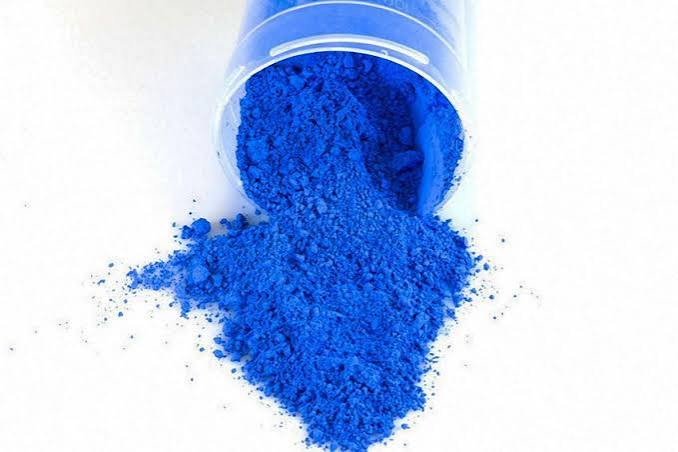
Phthalocyanine blue performance depends on its crystal structure, particle size, surface treatment and compatibility with the intended formulation. Procurement teams should review technical specifications before approving a product for industrial production.
Colour Strength and Shade Consistency
High tinting strength allows manufacturers to achieve intense blue colours with controlled pigment quantities. However, different Pigment Blue 15 grades can produce reddish or greenish shades.
Buyers should request colour samples and compare them against approved production standards. This helps prevent shade variations between suppliers and manufacturing batches.
Light and Weather Resistance
Phthalocyanine blue generally provides excellent lightfastness, making it suitable for applications exposed to sunlight. This property supports its use in exterior paints, automotive coatings and industrial finishes.
Weather resistance also depends on the complete coating formulation. Resin selection, additives and surface preparation influence the durability of the finished product.
Chemical and Heat Resistance
The pigment offers strong resistance to many acids, alkalis, solvents and other chemicals, depending on its grade and testing conditions.
Heat resistance varies across different crystal modifications and commercial formulations. Some grades support higher-temperature applications than others, making technical verification essential for plastic processing and powder coating production.
Dispersion and Flocculation
Good dispersion helps manufacturers achieve uniform colour and consistent product quality. Poor dispersion can create visible particles, uneven shades and processing difficulties.
Procurement teams should review the following technical parameters:
Colour Index and CAS identification.
Crystal modification and colour shade.
Tinting strength and particle size.
Oil absorption and specific gravity.
Lightfastness and weather resistance.
Heat and chemical resistance.
Moisture content and pH value.
Dispersion and flocculation behaviour.
A Technical Data Sheet (TDS) and Safety Data Sheet (SDS) should accompany the product to support technical evaluation and safe handling.
Factors Affecting Phthalocyanine Blue Procurement
Industrial buyers must evaluate product quality, supplier reliability and application compatibility when purchasing phthalocyanine blue. Different grades may carry different costs because of their manufacturing methods, finishing processes and performance characteristics.
Grade Selection and Application Requirements
Selecting the correct grade is one of the most important procurement decisions. A pigment suitable for solvent-based coatings may not provide the same performance in water-based paints or polymer masterbatches.
Buyers should clearly communicate their intended application, processing temperature, required shade and performance expectations when requesting quotations.
Supplier Quality and Documentation
Reliable suppliers should provide consistent product specifications and technical support. Buyers should request:
Certificate of Analysis (COA) for individual batches.
Technical Data Sheet and Safety Data Sheet.
Colour samples for laboratory testing.
Information about crystal modification and surface treatment.
Packaging specifications and storage recommendations.
Packaging, Storage and Handling
Phthalocyanine blue commonly comes in sealed bags or industrial containers. Proper packaging protects the pigment from moisture, contamination and handling damage during transportation.
Warehouses should maintain clean and dry storage conditions. Since fine pigment powders can create airborne dust during handling, workers should follow appropriate ventilation and personal protective equipment requirements.
Supply Chain and Cost Considerations
Procurement costs can vary with raw material availability, production expenses, energy costs and international freight charges. Supplier location and order volume can also influence delivered costs.
Importers should compare quotations using equivalent pigment grades and technical specifications. A lower-priced pigment may require higher dosage or additional dispersion work, increasing the overall production cost.
Maintaining relationships with multiple qualified suppliers can improve sourcing flexibility and reduce dependence on a single manufacturer.
Environmental and Regulatory Considerations
Environmental compliance is increasingly important for pigment manufacturers, coating producers and chemical distributors. Buyers should evaluate product composition, handling requirements and the regulations applicable to their destination markets.
Copper phthalocyanine contains copper as part of its molecular structure. This makes it important to assess the relevant environmental and chemical requirements rather than assuming that all pigment grades have identical regulatory classifications.
Procurement teams should consider:
Applicable chemical registration requirements in destination markets.
Safety Data Sheets and product handling classifications.
Heavy metal and impurity specifications.
Wastewater and industrial discharge requirements.
Workplace dust exposure and ventilation controls.
Customer-specific restrictions for paints, packaging and plastic products.
Manufacturers should also evaluate the environmental performance of their complete formulations, including solvents, binders, dispersants and other additives.
What Buyers Should Do Now
The demand for durable blue pigments across industrial coatings, printing inks and plastic manufacturing creates opportunities for chemical suppliers and distributors. Buyers can strengthen their sourcing strategies by understanding the differences between Pigment Blue 15 grades and matching product specifications with customer requirements.
Before placing bulk orders, procurement teams should test pigment samples in their actual formulations. Laboratory evaluation helps identify potential problems with dispersion, shade consistency, heat resistance and compatibility with production materials.
Importers and chemical traders should also compare suppliers based on technical documentation, batch quality, packaging standards and delivery reliability. Maintaining alternative supply sources can improve procurement flexibility and support uninterrupted manufacturing operations.
For manufacturers, selecting the right phthalocyanine blue grade can improve colour performance, reduce formulation difficulties and support consistent finished products.
Titanium Dioxide
SOURCE LINK :https://pubchem.ncbi.nlm.nih.gov/compound/6531516
Found this useful?