Trisodium Phosphate (TSP): Applications in Industrial Cleaning
Trisodium Phosphate (TSP): Applications in Industrial Cleaning
Trisodium phosphate (TSP) is an alkaline inorganic phosphate widely used in cleaning formulations and industrial maintenance operations. Its strong alkalinity helps loosen grease, oils and other stubborn soils, making it useful in heavy-duty cleaners, degreasers and surface preparation products. Manufacturers also value TSP for its role in adjusting pH and supporting cleaning performance in water-based formulations.
Industrial cleaning requirements vary across manufacturing plants, workshops, food-processing facilities and commercial buildings. Each environment presents different challenges, from oily equipment surfaces to mineral deposits and accumulated production residues. TSP can help formulators address several of these challenges when they select the appropriate grade and concentration for the application.
What Is Trisodium Phosphate?
Trisodium phosphate is an inorganic sodium salt of phosphoric acid. Its chemical formula is Na₃PO₄, and it is commonly available in anhydrous and hydrated forms. The hydrated form, including trisodium phosphate dodecahydrate, contains water of crystallisation and has different handling and formulation characteristics from the anhydrous material.
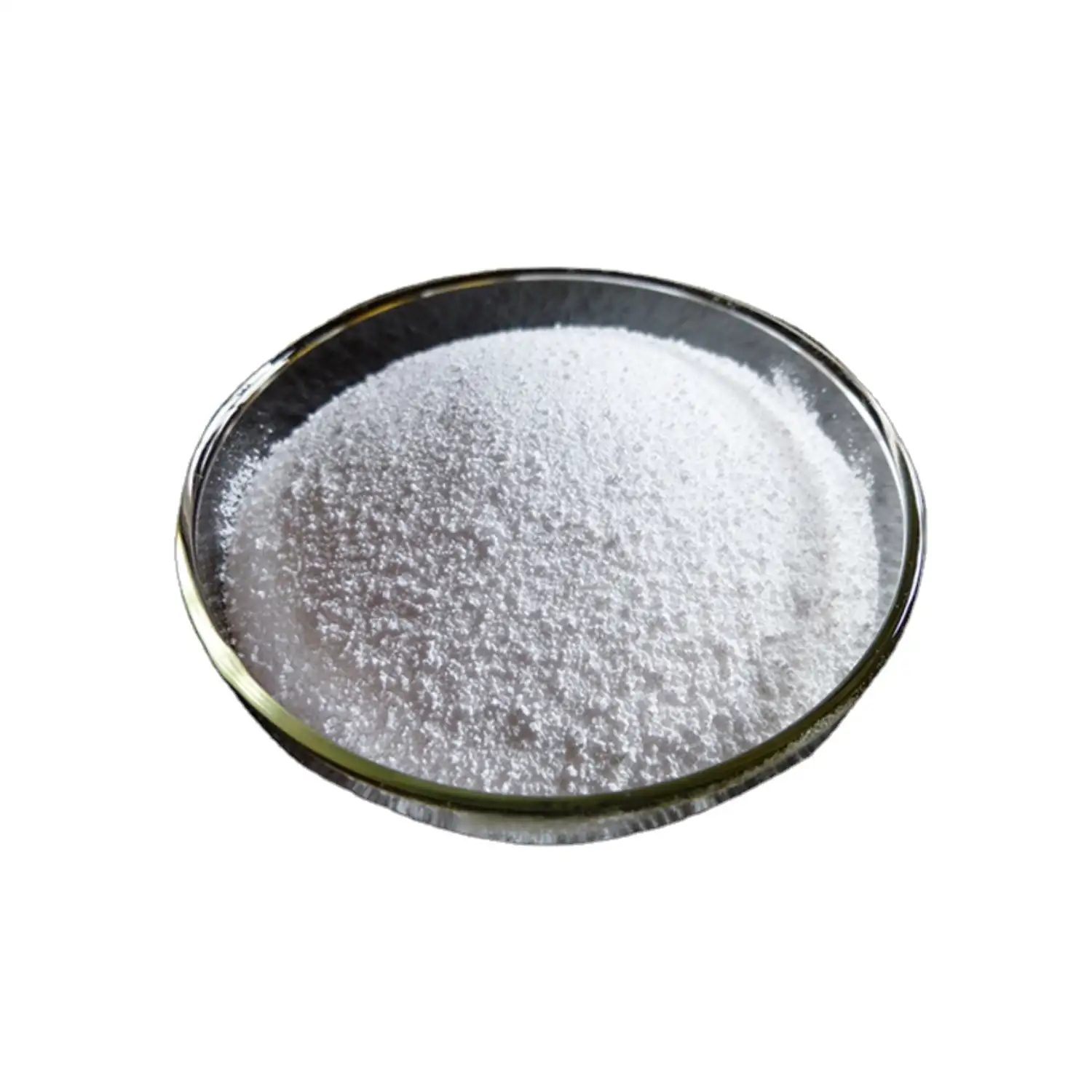
TSP generally appears as a white crystalline solid or powder. It dissolves in water to produce an alkaline solution. This property makes it useful in cleaning products that require elevated pH to loosen organic soils and improve cleaning action.
Chemical Properties and Industrial Grades
The principal characteristics that influence TSP selection include:
Alkalinity: Supports the removal of grease, oils and organic residues.
Water solubility: Allows incorporation into aqueous cleaning formulations.
Phosphate content: Influences formulation performance and product specifications.
Hydration state: Affects active content by weight, storage behaviour and handling.
Purity: Helps determine suitability for specific industrial applications.
Industrial buyers should distinguish between anhydrous and hydrated grades when comparing supplier specifications. Their chemical identity is closely related, but their water content and assay values differ. A purchasing specification should clearly identify the required form, purity and intended use.
How TSP Supports Industrial Cleaning
TSP contributes to cleaning through its alkaline properties and its ability to interact with certain mineral ions in water. In cleaning formulations, alkalinity can help loosen greasy soils and support their removal from hard surfaces. Its phosphate chemistry can also influence water conditioning and formulation behaviour.
Grease and Oil Removal
Grease and oily residues can accumulate on machinery, production equipment, floors and workshop surfaces. These contaminants may resist removal with mild cleaning products, particularly when they have built up over time.
TSP is used in heavy-duty cleaning formulations because alkaline conditions can help loosen oily soils and improve the action of other cleaning ingredients. Formulators may combine it with suitable surfactants and other alkaline builders to create products for industrial degreasing.
The cleaning result depends on several operating factors, including concentration, temperature, contact time, soil type and surface material. TSP should therefore be used according to the cleaning product formulation and equipment manufacturer's instructions.
Surface Preparation Before Coating
Surface cleanliness is essential before painting, coating, bonding or other finishing processes. Oil, grease and general contamination can interfere with coating adhesion and contribute to uneven finishes.
TSP-based cleaners can support surface preparation by helping remove residues from suitable hard surfaces. Industrial maintenance teams may use these formulations on selected walls, floors, metal components and other compatible substrates.
The cleaning procedure should account for material compatibility. Some metals, painted surfaces and sensitive finishes may be affected by strongly alkaline solutions. Operators should test the cleaner on a small area when compatibility is uncertain and follow the relevant technical guidance.
Key Industrial Applications of Trisodium Phosphate
TSP has applications across several industrial and institutional cleaning environments. Its role depends on the cleaning objective, formulation design and required operating conditions.
Manufacturing Plants and Workshops
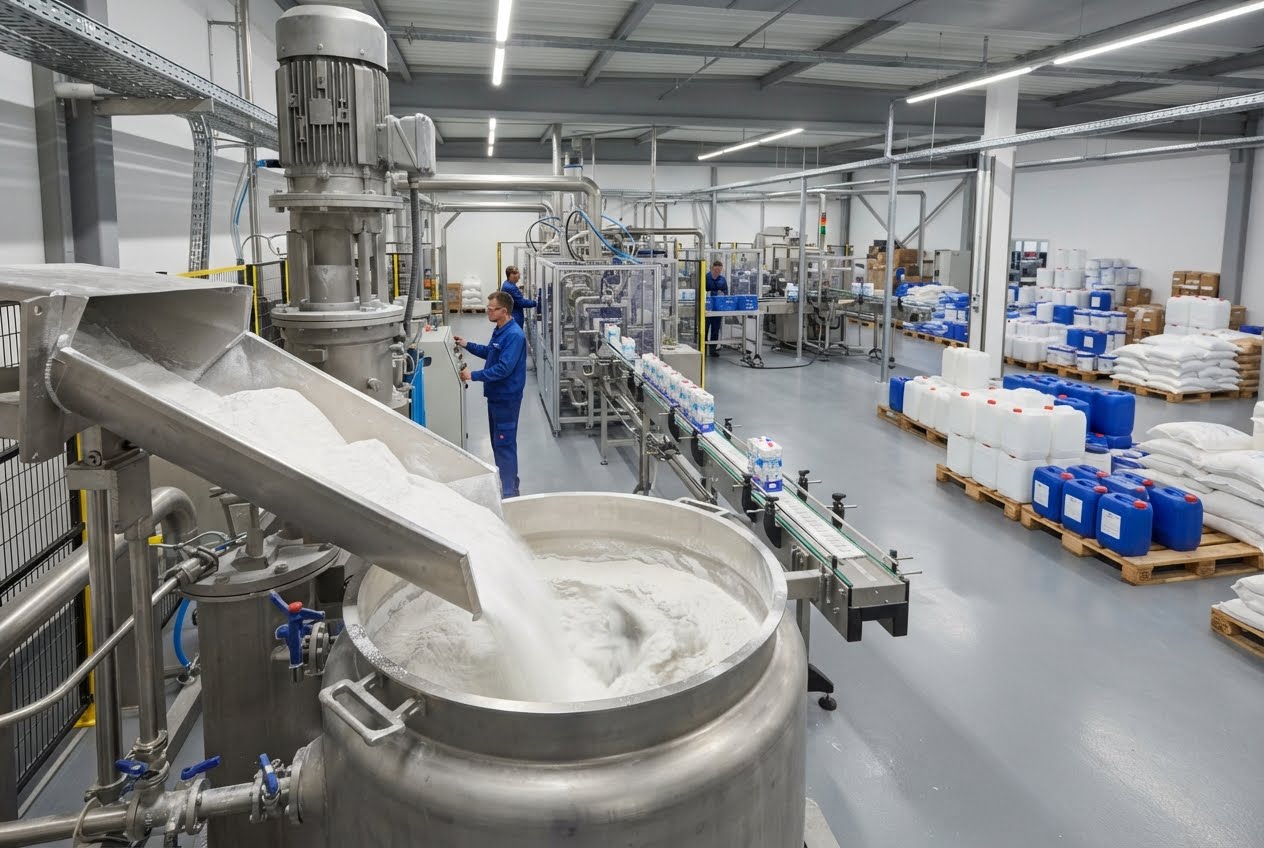
Manufacturing facilities often deal with lubricants, process oils, dirt and production residues. TSP can serve as an ingredient in heavy-duty floor cleaners, equipment cleaners and degreasing products designed for compatible surfaces.
In workshops, maintenance teams may use TSP-containing formulations to clean selected tools, work areas and equipment components. The product's alkaline properties make it useful where ordinary neutral cleaners do not provide sufficient soil removal.
Food-Processing and Institutional Cleaning
Cleaning operations in food-processing facilities require carefully controlled products and procedures. TSP may be included in certain cleaning formulations, but its suitability depends on the product's regulatory status, grade and intended application.
Facilities must use cleaning chemicals approved for the relevant operation and follow validated cleaning procedures. Where food-contact surfaces are involved, operators should follow product-label instructions for rinsing, residue control and any required sanitation step.
Institutional cleaning is another application area. Commercial and industrial floor cleaners, wall cleaners and other hard-surface products may use TSP or related phosphate ingredients to support cleaning performance.
Textile and Other Industrial Operations
TSP can also be used in selected textile-processing operations, including scouring applications where alkaline conditions help remove impurities from materials. Its role depends on the process formulation and the properties of the fibre being treated.
Other established uses include certain paper and leather manufacturing processes, water-softening applications and boiler-water treatment formulations. These uses demonstrate the wider industrial value of trisodium phosphate beyond general-purpose cleaning.
TSP in Cleaning Formulations and Water Conditioning
The performance of an industrial cleaner depends on more than one ingredient. Formulators combine alkaline builders, surfactants, solvents, chelating agents and other components to achieve the required cleaning result.
TSP can contribute alkalinity and influence the behaviour of mineral ions in the cleaning solution. In hard water, calcium and magnesium can interfere with cleaning performance and contribute to deposits. Phosphate ingredients may help manage these ions, although the effectiveness and mechanism depend on the specific phosphate and formulation.
Formulation Compatibility
TSP may be formulated with surfactants and other cleaning ingredients, but compatibility testing remains important. Formulators should evaluate solubility,
Water Conditioning and Scale Management
Water hardness can affect industrial cleaning and water-based process systems. Calcium and magnesium ions may contribute to mineral deposits and reduce the effectiveness of some cleaning ingredients.
TSP can be used in certain water-conditioning applications because phosphate chemistry can interact with hardness ions. It is also used in selected boiler-water formulations to help manage water chemistry. However, it should not be treated as a universal scale-control solution. The appropriate treatment depends on water composition, system design and operating conditions.
Quality Requirements and Safe Handling
Industrial buyers should evaluate TSP against the technical requirements of their cleaning or manufacturing process. Consistent quality helps manufacturers maintain predictable formulation performance and reduce production variations.
Important Purchasing Specifications
Before purchasing TSP, buyers should review the supplier's technical data sheet and certificate of analysis. Key parameters may include:
Chemical identity and CAS number
Anhydrous or hydrated form
Assay or purity
Phosphate content
pH of a specified solution
Water-insoluble matter
Moisture or water of crystallisation
Relevant impurity limits
Packaging type and storage recommendations
The required specification will depend on the application. A technical cleaning grade may have different requirements from an analytical or other specialised grade. Buyers should communicate the intended use to suppliers to support appropriate grade selection.
Storage and Workplace Safety
TSP is alkaline, and concentrated solutions or direct contact with the solid can irritate or damage the eyes and skin depending on the product grade and exposure conditions. Dust may also create an inhalation concern during handling.
Industrial facilities should consult the current safety data sheet for the exact supplied product. Appropriate controls generally include suitable gloves, protective clothing, eye protection and measures to minimise dust generation. Workers should use adequate ventilation and follow site-specific procedures for chemical handling, spills and first aid.
Store TSP in its original, clearly labelled packaging in a dry, well-ventilated area. Protect it from moisture and incompatible materials, and follow the supplier's recommendations for container closure and storage conditions.
Environmental and Regulatory Considerations
Phosphate-containing cleaning products require attention to wastewater management and local environmental requirements. Phosphorus released into water bodies can contribute to nutrient enrichment and eutrophication under certain conditions. This can encourage excessive algal growth and affect aquatic ecosystems.
Regulatory requirements for phosphate use in detergents and cleaning products vary by jurisdiction and application. Industrial users should check applicable discharge permits, wastewater-treatment requirements and product restrictions before adopting a TSP-based formulation.
Manufacturers may also evaluate alternative builders or phosphate-reduced formulations where environmental targets or market requirements call for them. The best option depends on cleaning performance, process conditions, cost and compliance obligations.
Selecting a Reliable Trisodium Phosphate Supplier
Reliable sourcing helps industrial users maintain product consistency and production continuity. Buyers should assess suppliers based on documented quality, grade availability, packaging options and technical support.
A dependable supplier should provide a current technical data sheet, safety data sheet and batch-specific certificate of analysis. These documents help buyers verify chemical identity, assess product quality and establish suitable handling procedures.
Importers and distributors should also confirm the grade, hydration state, packaging weight, storage conditions and delivery requirements before placing an order. Clear specifications reduce the risk of receiving a material that does not match the intended cleaning formulation.
Trisodium phosphate remains a useful alkaline phosphate for selected industrial cleaning and water-conditioning applications. Its effectiveness depends on the right grade, formulation and operating procedure, while responsible handling and wastewater management support safe and compliant use.
Sodium Tripolyphosphate
Found this useful?