Hydraulic Fluids: Applications in Industrial Machinery and Equipment
Hydraulic Fluids: Applications in Industrial Machinery and Equipment
Hydraulic fluids play an essential role in modern industrial operations by transmitting power, lubricating moving components, controlling heat, and protecting machinery against wear and corrosion. They are used in a wide range of equipment, including hydraulic presses, injection moulding machines, construction machinery, manufacturing systems, and material-handling equipment.
As industrial machinery becomes more powerful and operates under increasingly demanding conditions, selecting the correct hydraulic fluid is important for maintaining equipment reliability, improving operational efficiency, and reducing maintenance costs. Fluid viscosity, temperature resistance, anti-wear performance, and compatibility with system components all influence hydraulic system performance.
What Are Hydraulic Fluids?
Hydraulic fluids are specialised liquids used to transmit energy within hydraulic systems. When a pump pressurises the fluid, it transfers force through pipes, valves, and cylinders to operate machinery and equipment.
Unlike ordinary oils, hydraulic fluids are formulated with specific additives to support reliable operation under pressure and varying temperatures. These additives can improve lubrication, oxidation resistance, corrosion protection, foam control, and wear prevention.
Hydraulic fluids perform several important functions:
Power transmission: Transfer energy from hydraulic pumps to motors and actuators.
Lubrication: Reduce friction between pumps, valves, pistons, and other moving components.
Heat dissipation: Carry heat away from components during operation.
Corrosion protection: Protect internal metal surfaces against rust and corrosion.
Contamination management: Support the removal and control of particles through filtration and fluid circulation.
Sealing support: Help maintain suitable sealing conditions within hydraulic components.
Major Types of Hydraulic Fluids
Hydraulic fluids are available in different formulations to meet the requirements of industrial machinery, operating environments, and equipment designs.
1. Mineral Oil-Based Hydraulic Fluids
Mineral oil-based fluids are widely used in industrial hydraulic systems because of their availability, performance characteristics, and compatibility with many conventional hydraulic components.
They are formulated from refined petroleum base oils and contain additives that improve anti-wear performance, oxidation stability, and corrosion protection.
Common applications include industrial presses, machine tools, manufacturing equipment, and hydraulic power units.
2. Synthetic Hydraulic Fluids
Synthetic hydraulic fluids are formulated using chemically engineered base stocks to provide specialised performance characteristics.
Depending on their formulation, they can offer improved thermal stability, oxidation resistance, low-temperature performance, and service life in demanding operating conditions.
They are used in specialised industrial equipment where conventional mineral oils may not meet the required performance specifications.
3. Water-Based Hydraulic Fluids
Water-based hydraulic fluids are designed for applications where fire resistance or specific environmental and operating requirements are important.
These formulations include water-glycol fluids and water-containing emulsions. They can be suitable for selected industrial environments, but their use requires careful attention to corrosion protection, lubrication, temperature limits, and equipment compatibility.
4. Fire-Resistant Hydraulic Fluids
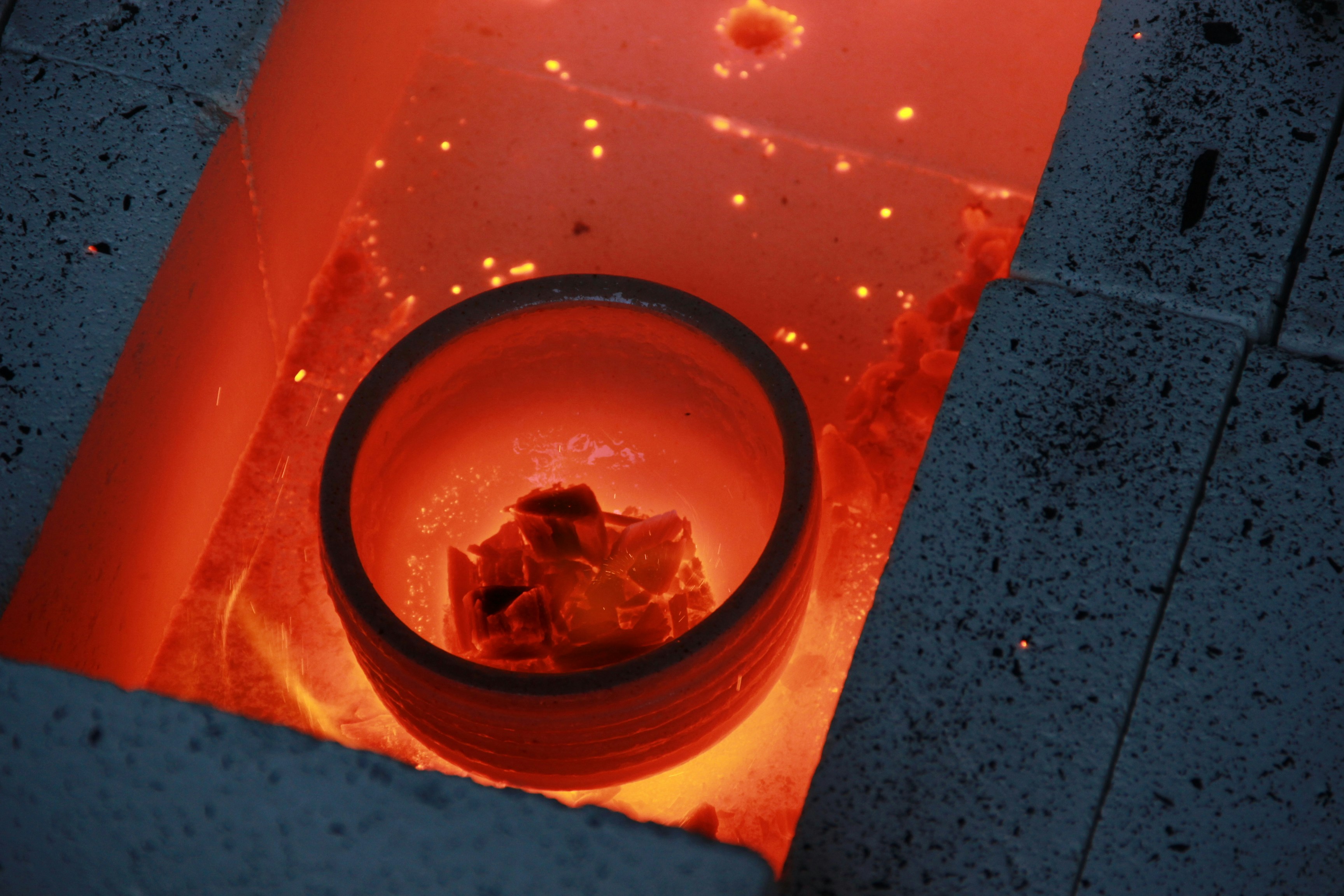
Fire-resistant hydraulic fluids are developed for equipment operating near furnaces, molten metals, hot surfaces, and other potential ignition sources.
They are commonly used in steel production, foundries, mining operations, and certain manufacturing facilities.
Different formulations offer different levels of fire resistance, lubrication performance, and material compatibility. Equipment manufacturers' specifications should always guide fluid selection.
5. Environmentally Acceptable Hydraulic Fluids
Environmentally acceptable hydraulic fluids are designed to reduce environmental impact in applications where leakage or accidental release could affect soil or water.
They may use biodegradable base stocks, including certain vegetable oils, synthetic esters, or other specialised formulations.
These fluids can be considered for forestry equipment, marine machinery, agricultural equipment, and operations in environmentally sensitive locations. Compatibility and performance requirements must be checked before changing from conventional hydraulic oil.
Applications of Hydraulic Fluids in Industrial Machinery
Hydraulic fluids are used across multiple industries because hydraulic systems can generate substantial force while providing controlled movement and precise operation.
1. Hydraulic Presses and Metal Forming Equipment
Hydraulic presses use pressurised fluid to generate the force required for shaping, stamping, bending, and forming metal components.
The hydraulic fluid transfers pressure from the pump to the press cylinder, enabling controlled movement and consistent force application.
Suitable anti-wear properties and viscosity stability are important for protecting pumps and maintaining reliable operation during repeated production cycles.
2. Injection Moulding Machines
Hydraulic injection moulding machines use fluid power to control clamping, injection, and other mechanical movements during plastic manufacturing.
Hydraulic fluids help maintain consistent pressure and smooth machine operation. Their oxidation stability, cleanliness, and anti-wear performance are important for reducing component degradation and unplanned production interruptions.
3. Construction and Earthmoving Equipment
Excavators, bulldozers, loaders, cranes, and other construction machines rely on hydraulic systems to operate lifting arms, buckets, steering mechanisms, and attachments.
These machines often work outdoors under changing temperatures, heavy loads, and dusty conditions.
Hydraulic fluids must therefore provide suitable viscosity across the operating temperature range, protect against wear, and support reliable performance under demanding working conditions.
4. Industrial Manufacturing and Machine Tools
Hydraulic systems are used in manufacturing equipment to control positioning, clamping, lifting, and automated movements.
Machine tools and production lines depend on stable hydraulic pressure to maintain accuracy and operational consistency.
Proper fluid selection and contamination control help protect precision components, including pumps, valves, and actuators.
5. Mining and Material-Handling Equipment
Mining machinery, underground equipment, forklifts, and industrial lifting systems use hydraulic power to move heavy materials and operate mechanical attachments.
These applications can involve high loads, continuous operation, and challenging environmental conditions.
Hydraulic fluids must maintain adequate lubrication and wear protection while supporting dependable performance during extended operating periods.
6. Steel Mills and Foundries
Steel mills and foundries use hydraulic systems in rolling mills, lifting equipment, metal-processing machinery, and furnace-related operations.
Equipment operating near high-temperature surfaces may require specialised fire-resistant hydraulic fluids.
Selecting the correct formulation helps address fire risks while maintaining the lubrication and performance requirements of the hydraulic system.
Key Performance Properties of Hydraulic Fluids
The performance of hydraulic fluid depends on its physical and chemical properties. Understanding these characteristics helps industrial operators select fluids that meet equipment requirements.
1. Viscosity
Viscosity measures a fluid's resistance to flow. It is one of the most important properties because hydraulic systems require suitable fluid flow to maintain pressure, lubrication, and component protection.
If viscosity is too high, pumping resistance can increase. If it is too low, lubrication may become insufficient and internal leakage can increase.
2. Anti-Wear Performance
Hydraulic pumps and other components operate under pressure and repeated mechanical loading.
Anti-wear additives help protect metal surfaces and reduce friction-related damage, supporting longer equipment service life.
3. Oxidation Stability
Hydraulic fluids are exposed to heat and oxygen during operation. Oxidation can cause fluid degradation, sludge formation, and deposits that affect system performance.
Good oxidation stability helps maintain fluid quality and reduce maintenance requirements.
4. Corrosion and Rust Protection
Moisture and contaminants can contribute to corrosion inside hydraulic systems.
Suitable corrosion inhibitors help protect metal components, including pumps, valves, cylinders, and reservoirs.
5. Foam Resistance and Air Release
Excessive foam and entrained air can interfere with hydraulic system performance.
Air in the fluid can contribute to inconsistent movement, noise, reduced lubrication, and inefficient power transmission. Appropriate foam control and air-release characteristics help maintain stable operation.
6. Temperature Performance
Hydraulic fluids must operate within the temperature range specified for the equipment.
Low temperatures can increase viscosity and restrict fluid circulation, while excessive heat can accelerate oxidation and reduce fluid life.

How to Select the Right Hydraulic Fluid
Selecting hydraulic fluid requires consideration of machinery design, operating conditions, manufacturer recommendations, and maintenance requirements.
Industrial operators should evaluate the following factors:
Viscosity grade: Select the viscosity grade recommended by the equipment manufacturer, considering operating and start-up temperatures.
Equipment specifications: Check the pump, valve, and machinery manufacturer's approved fluid requirements.
Operating pressure: Consider the pressure and mechanical loads experienced by the hydraulic system.
Temperature range: Ensure the fluid can maintain suitable performance under expected operating conditions.
Material compatibility: Confirm compatibility with seals, hoses, coatings, and internal components.
Environmental and safety requirements: Consider fire resistance, biodegradability, toxicity, and the possibility of fluid leakage.
Maintenance costs: Evaluate fluid service life, filtration needs, monitoring requirements, and replacement frequency.
ISO 11158:2023 provides specifications for several categories of mineral oil-based hydraulic fluids, including HH, HL, HM, HV, and HG. Equipment-specific requirements should also be checked before selecting a product.
Maintenance and Handling of Hydraulic Fluids
Regular hydraulic fluid maintenance helps prevent equipment failure and maintain reliable machinery performance.
Industrial operators should establish maintenance procedures that include:
Monitoring fluid viscosity and overall condition.
Checking for water contamination and unwanted particles.
Inspecting filters and replacing them according to maintenance requirements.
Monitoring operating temperature and system pressure.
Checking reservoirs, hoses, pumps, and connections for leaks.
Taking periodic oil samples for condition analysis.
Following manufacturer recommendations for fluid replacement and disposal.
Cleanliness is particularly important because particles and water contamination can damage precision hydraulic components. Proper storage, sealed containers, and suitable filtration practices help reduce contamination risks.
Sustainability and Future Developments in Hydraulic Fluids
Industrial manufacturers are increasingly focusing on energy efficiency, equipment reliability, and environmental responsibility. These priorities are encouraging the development and use of hydraulic fluids with improved oxidation stability, longer service life, and reduced environmental impact.
Biodegradable hydraulic fluids are gaining attention in applications where leakage could affect sensitive environments. At the same time, advances in synthetic formulations and additive technologies are helping manufacturers address demanding pressure, temperature, and lubrication requirements.
Condition monitoring is also becoming an important part of hydraulic system maintenance. Regular fluid analysis and contamination monitoring can help identify degradation before it leads to serious equipment problems.
As industrial machinery continues to evolve, hydraulic fluids will remain essential for efficient power transmission, reliable equipment operation, and effective maintenance management.
Sources

Ammonium Nitrate
Found this useful?