Barium Carbonate: Uses in Ceramics and Glass Production
Barium Carbonate: Uses in Ceramics and Glass Production
Barium carbonate (BaCO₃) is an important inorganic chemical used in the ceramics, glass, brick, and specialty materials industries. It is valued for its ability to introduce barium oxide into ceramic and glass formulations, influence melting behaviour, and improve selected physical and optical properties of finished products.
In ceramic manufacturing, barium carbonate is commonly used in glaze formulations, frits, and specialised ceramic bodies. In glass production, it serves as a raw material for certain specialty and optical glass compositions. Its role in controlling soluble sulfate compounds also makes it useful in brick and clay manufacturing.
As manufacturers focus on product quality, formulation consistency, and production efficiency, the selection of suitable barium carbonate grades has become an important consideration for industrial buyers and chemical suppliers.
What Is Barium Carbonate?
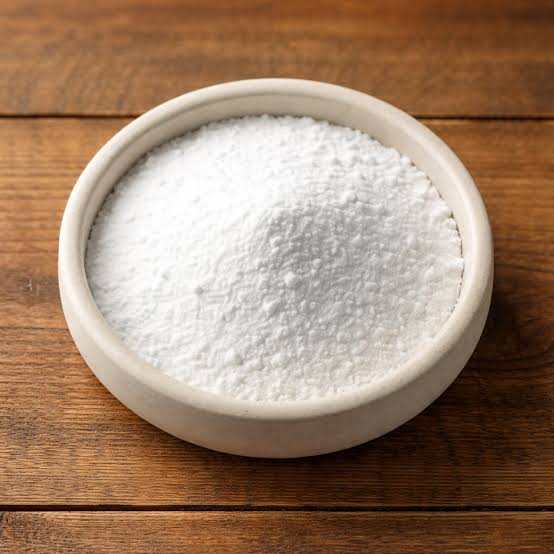
Barium carbonate is an inorganic compound with the chemical formula BaCO₃. It occurs naturally as the mineral witherite and is commercially available in different grades, including fine powders and granular forms.
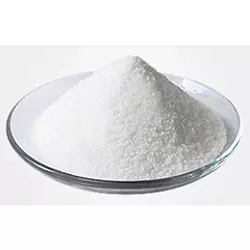
It is generally supplied as a white, odourless solid with very low water solubility. Its chemical and thermal characteristics make it suitable for applications requiring a controlled source of barium.
Key characteristics include:
Chemical formula: BaCO₃
CAS number: 513-77-9
Molecular weight: Approximately 197.34 g/mol
Appearance: White powder or granules
Water solubility: Practically insoluble
Main industrial applications: Ceramics, glass, bricks, frits, and specialty barium compounds
Commercial production commonly involves processing barium sulfide with carbon dioxide or sodium carbonate to precipitate barium carbonate. The resulting product is processed and classified according to the required purity, particle size, and application.
Applications of Barium Carbonate in Ceramic Production
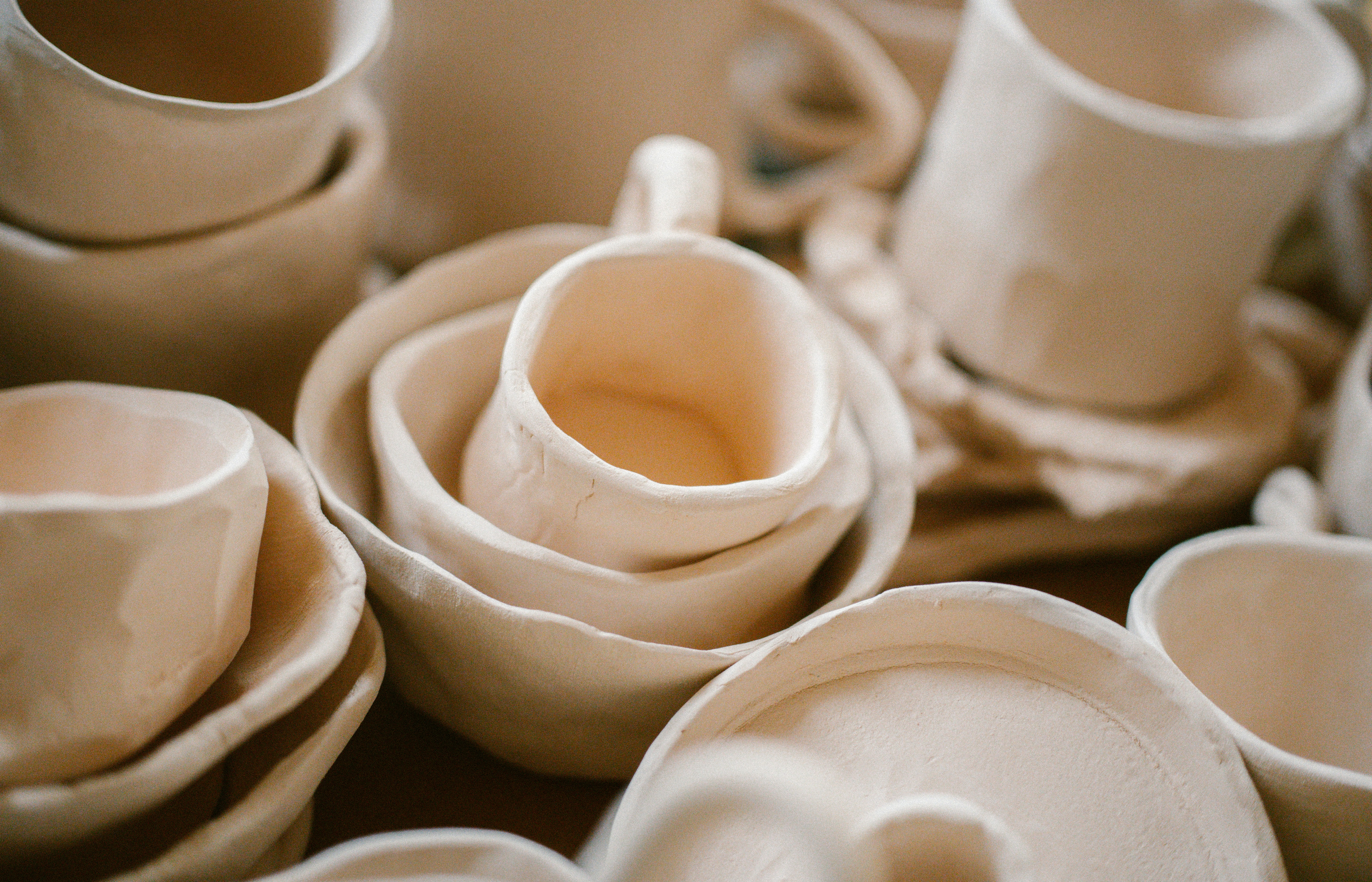
The ceramics industry uses barium carbonate in glaze formulations, frit production, and selected ceramic materials. Its contribution depends on the formulation, firing temperature, and other ingredients used in the manufacturing process.
1. Ceramic Glazes and Surface Finishing
One of the important applications of barium carbonate is in ceramic glaze manufacturing.
During firing, barium carbonate acts as a source of barium oxide (BaO), which contributes to the chemical composition and properties of the glaze. It can influence surface appearance, melting behaviour, and the development of specific colours and textures.
Depending on the glaze formulation, barium-containing compositions may be used to produce satin-matte finishes, decorative surfaces, and specialised colour effects.
Manufacturers carefully control the quantity of barium carbonate because its performance depends on interactions with other glaze ingredients, including silica, alumina, boron compounds, and colouring oxides.
2. Ceramic Frits and Flux Formulations
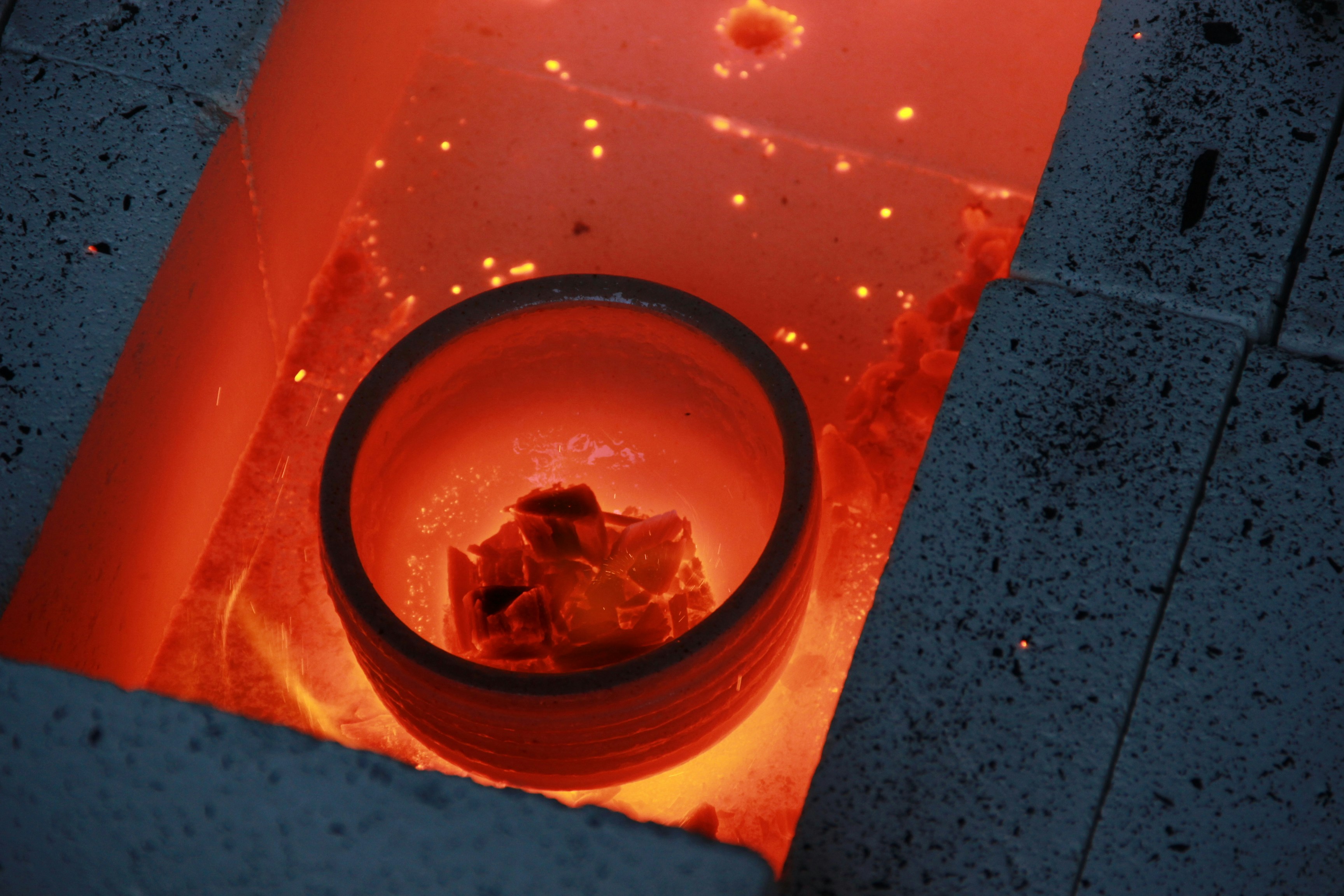
Ceramic frits are glass-like materials produced by melting selected raw materials and cooling the resulting composition. They are subsequently ground and incorporated into ceramic glaze formulations.
Barium carbonate can be used as a barium-containing raw material in certain frit compositions. It contributes to the development of the required glass structure and influences the properties of the finished glaze.
Its suitability depends on the intended firing conditions, chemical composition, and performance requirements of the final ceramic product.
3. Bricks, Tiles, and Clay Products
Barium carbonate also has an important role in brick, tile, and other clay-based manufacturing processes.
Certain clay raw materials contain soluble sulfate salts that can migrate towards the surface during drying and firing. These salts may produce unwanted white deposits, commonly known as efflorescence or scumming.
Barium carbonate can react with soluble sulfates to form insoluble barium sulfate, helping reduce the formation of these surface deposits.
This application is particularly relevant to manufacturers seeking consistent surface appearance and improved quality in bricks, tiles, and related construction materials.
4. Specialised Ceramic and Electronic Materials
Selected ceramic formulations use barium-containing compounds to achieve specific electrical and functional properties.
Barium carbonate can serve as a starting material for producing other barium compounds used in advanced ceramic manufacturing, including certain electronic ceramic materials and ferrite-related products.
These applications generally require controlled chemical purity and particle characteristics to support consistent processing and product performance.
Role of Barium Carbonate in Glass Production
Barium carbonate is used in selected glass formulations where barium is required to modify the physical, optical, or chemical characteristics of the finished material.
During glass production, it supplies barium oxide, which becomes part of the silicate glass structure.
1. Specialty and Optical Glass
Barium-containing glass compositions are used in selected specialty and optical glass applications.
The introduction of barium oxide can influence refractive index, density, and optical behaviour. These characteristics are important in glass products designed for specific optical and technical requirements.
Barium carbonate is therefore used as a raw material in certain optical glass and specialty glass manufacturing processes.
2. Glass Clarity, Density, and Brilliance
Barium oxide can modify the structure and physical properties of glass, contributing to changes in density, refractive index, and optical appearance.
Depending on the overall composition and manufacturing process, barium-containing formulations can be selected for glass products requiring particular levels of brilliance and optical performance.
However, finished glass quality depends on the complete formulation, melting conditions, refining process, and control of impurities rather than on one ingredient alone.
3. Decorative and Technical Glass
Barium carbonate is also used in selected decorative and technical glass compositions.
These may include speciality glassware, certain laboratory glass formulations, and other products requiring specific optical or physical characteristics.
The appropriate grade and particle form depend on the batch preparation system, raw material handling requirements, and production process.
Important Quality Requirements for Industrial Buyers
The quality of barium carbonate can directly influence ceramic and glass production. Manufacturers should evaluate product specifications according to their intended application.
Important purchasing and quality-control considerations include:
Chemical Purity: A suitable BaCO₃ content helps maintain consistency in ceramic and glass formulations.
Particle Size Distribution: Fine powders and granular grades may be required for different mixing, conveying, and processing systems.
Impurity Levels: Iron and other unwanted impurities may affect the appearance or performance of finished ceramic and glass products.
Moisture Content: Moisture control supports consistent batching, storage, and handling.
Reactivity and Dispersion: Particle characteristics can influence mixing behaviour and the consistency of raw material distribution.
Documentation: Buyers should request a Certificate of Analysis (COA), Safety Data Sheet (SDS), and relevant technical specifications from suppliers.
Safety, Storage, and Handling of Barium Carbonate
Although barium carbonate has important industrial applications, it requires careful handling because it is toxic if ingested and exposure to airborne dust can create health risks.
Manufacturers should implement appropriate occupational safety procedures during unloading, storage, weighing, mixing, and production.
Recommended precautions include:
Use suitable respiratory protection where dust exposure may occur.
Provide adequate ventilation and dust-control systems.
Wear appropriate gloves, protective clothing, and eye protection.
Avoid generating or inhaling airborne powder.
Store the chemical in tightly closed, clearly labelled containers.
Prevent contamination of food, drinking water, and workplace surfaces.
Follow the supplier's SDS for handling, first aid, spill response, and disposal.
Industrial facilities should also assess the risks associated with barium-containing waste and wastewater. Disposal must follow applicable environmental and hazardous-waste requirements.
Market Demand and Industrial Outlook
Demand for barium carbonate is closely connected to manufacturing activity in ceramics, construction materials, glass, and specialty chemicals.
The ceramics sector continues to require functional raw materials for glaze production, frit formulations, decorative finishes, and specialised ceramic applications. Similarly, specialty glass manufacturers use barium-containing ingredients where particular optical and physical properties are required.
Construction-related applications, including bricks and tiles, provide another area of demand, particularly where manufacturers need to manage sulfate-related surface defects.
For chemical distributors and industrial procurement teams, product purity, reliable supply, consistent particle size, and technical documentation remain important purchasing considerations.
As ceramic and glass manufacturers continue to improve formulation control and production quality, barium carbonate will remain a relevant raw material for selected industrial applications.
Sources
Barium Chloride Dihydrate
Found this useful?