textile Chemicals: Types, Applications and Industry Trends
Textile chemicals are essential to modern fabric manufacturing, supporting processes that transform raw fibres into finished materials with specific colours, textures and performance characteristics. From cotton bleaching and synthetic fibre processing to industrial fabric coatings, these chemicals help manufacturers achieve consistent product quality and meet different customer requirements.
The textile industry uses a broad range of chemical products, including bleaching agents, dyes, surfactants, sizing chemicals, softeners and functional finishing agents. Each category serves a particular purpose during production, influencing fabric appearance, durability, processing efficiency and final performance.
For chemical traders, procurement managers, importers and textile manufacturers, understanding these products creates opportunities to identify suitable suppliers and improve sourcing strategies. Growing interest in sustainable manufacturing and specialised fabrics is also changing the types of textile chemicals that manufacturers require.
What Are Textile Chemicals and Why Are They Important?
Textile chemicals are chemical substances and formulated products used throughout textile production, processing and finishing. They help manufacturers prepare fibres, improve dye absorption, remove impurities and introduce functional properties into fabrics.
Different textile materials require different chemical treatments. Cotton, wool, polyester, nylon and blended fabrics have distinct chemical characteristics, so manufacturers must select products according to fibre composition and processing conditions.
Role in Textile Manufacturing
Textile chemicals support several important production stages:
Fibre preparation: Removes natural impurities, oils and unwanted substances before further processing.
Desizing and scouring: Eliminates sizing materials and prepares fabrics for uniform treatment.
Bleaching: Improves fabric whiteness and prepares materials for dyeing or printing.
Dyeing and printing: Helps colourants distribute evenly and maintain the required shades.
Finishing: Improves softness, wrinkle resistance, water repellency and other fabric properties.
Functional treatment: Provides specialised characteristics such as flame resistance, antimicrobial performance and UV protection.
These processes help manufacturers produce fabrics suitable for apparel, household products and industrial applications.
Major Types of Textile Chemicals and Their Applications
Textile chemicals cover several product categories, each serving a specific manufacturing requirement. Understanding these categories helps buyers identify appropriate products for different textile processing operations.
1. Pretreatment and Bleaching Chemicals
Pretreatment chemicals prepare fibres and fabrics before dyeing, printing or finishing. They remove natural oils, waxes, dirt and processing residues that could interfere with subsequent treatments.
Important products include:
Hydrogen peroxide: A widely used bleaching agent for cotton and other suitable textile materials. It helps remove natural colouring substances and improves fabric whiteness.
Sodium hydroxide: Supports cotton scouring by removing natural impurities and improving absorbency.
Sodium hypochlorite: Used in selected bleaching applications, subject to fibre compatibility and process requirements.
Desizing agents: Remove starch-based and other sizing materials applied during weaving.
Scouring agents: Help eliminate oils, waxes and other contaminants from textile surfaces.
Correct chemical selection improves preparation quality and supports more consistent dyeing results.
2. Dyes, Pigments and Colouring Auxiliaries
Colouring chemicals give fabrics their required appearance. Manufacturers select dyes and pigments according to fibre type, desired shade and production method.
Major dye categories include:
Reactive dyes: Commonly used for cotton and other cellulosic fibres because they form chemical bonds with suitable fibre structures.
Disperse dyes: Widely applied to polyester and other suitable synthetic fibres.
Acid dyes: Used for wool, silk and polyamide applications.
Direct dyes: Applied to cellulosic fibres through suitable dyeing processes.
Pigments: Used in textile printing and selected coating systems, generally with suitable binding agents.
Auxiliary chemicals such as dispersants, levelling agents and dye-fixing agents support uniform colour development and improve processing performance.
3. Surfactants and Washing Chemicals
Surfactants reduce surface tension and help water interact with textile fibres. They support cleaning, wetting, emulsification and dispersion during manufacturing.
Common applications include:
Wetting agents: Improve liquid penetration into textile materials.
Detergents: Remove processing residues, oils and impurities.
Emulsifiers: Help maintain stable mixtures of oils and water-based formulations.
Dispersing agents: Keep particles distributed throughout processing baths.
Washing auxiliaries: Support the removal of unfixed dyes and chemical residues.
These products contribute to consistent treatment and cleaner finished fabrics.
4. Sizing Chemicals and Yarn Lubricants
Sizing chemicals protect yarn during weaving by forming a temporary coating that improves strength and reduces friction. Starch-based and synthetic sizing formulations help yarn withstand mechanical stress during production.
Yarn lubricants reduce friction between fibres and manufacturing equipment. They also support smoother processing and can help reduce yarn breakage during spinning and weaving.
5. Textile Finishing Chemicals
Finishing chemicals improve fabric appearance, handling properties and functional performance after dyeing or printing.
Important categories include:
Softeners: Improve fabric softness and smoothness.
Wrinkle-resistant agents: Help fabrics retain their appearance after washing and use.
Water-repellent chemicals: Reduce water absorption on treated surfaces.
Flame retardants: Improve resistance to ignition and flame propagation in suitable textile applications.
Antimicrobial agents: Help control microbial growth in selected textile products.
Optical brightening agents: Improve perceived whiteness through fluorescent light emission.
The finishing stage creates opportunities for manufacturers to produce specialised fabrics with additional commercial value.
Textile Chemicals Across Different Industrial Applications
Textile chemicals serve markets beyond conventional clothing production. Their applications extend into household products, transportation, construction and specialised industrial materials.
Apparel and Fashion Manufacturing
Clothing manufacturers use textile chemicals to achieve consistent colours, comfortable textures and durable finishes. Pretreatment, dyeing and finishing chemicals help convert raw fabrics into materials suitable for shirts, trousers, sportswear and other garments.
Manufacturers also use softeners and wrinkle-resistant treatments to improve fabric handling and maintenance characteristics.
Home Furnishing and Household Textiles
Curtains, carpets, upholstery, towels and bedding require chemical treatments that support durability and appearance.
Water-repellent agents, stain-resistant finishes and softeners help improve the performance of these products. Manufacturers also use suitable dyes and pigments to maintain colour consistency across large production batches.
Technical and Industrial Textiles
Technical textiles represent an important application area because these materials require specific performance characteristics rather than appearance alone.
Applications include:
Automotive textiles: Seat fabrics, interior materials and selected protective components.
Medical textiles: Hospital fabrics, protective clothing and specialised healthcare materials.
Construction textiles: Geotextiles, protective membranes and reinforcement materials.
Agricultural textiles: Crop covers, shade fabrics and protective materials.
Industrial textiles: Filters, conveyor belts and specialised protective fabrics.
These applications create demand for functional coatings, flame retardants, antimicrobial treatments and other specialised chemical formulations.
Global Textile Chemicals Market Trends and Developments
The textile chemicals market continues to evolve as manufacturers respond to changing consumer preferences, production technologies and environmental requirements.
According to Grand View Research, the global textile chemicals market was valued at approximately USD 28.6 billion in 2025. The report estimates the market will reach USD 30 billion in 2026 and USD 40.4 billion by 2033, reflecting an estimated compound annual growth rate of 4.4% between 2026 and 2033.
Rising Demand for Sustainable Textile Chemicals
Environmental concerns are encouraging manufacturers to evaluate lower-impact chemical formulations. Textile processors are increasingly interested in products that support reduced water consumption, lower processing temperatures and improved chemical efficiency.
Important developments include:
Bio-based and biodegradable chemical formulations.
Lower-impact bleaching and dyeing auxiliaries.
Fluorine-free water-repellent treatments.
Enzyme-based textile processing.
Chemicals that reduce wastewater treatment requirements.
These developments create opportunities for suppliers offering alternative formulations with reliable technical performance.
Growth of Functional and Technical Textiles
Manufacturers are expanding beyond conventional fabrics into materials designed for specialised applications. Automotive, healthcare, construction and industrial sectors require textiles with additional performance characteristics.
This creates demand for antimicrobial agents, protective coatings, flame retardants, water repellents and specialised finishing chemicals.
Digital Textile Printing and Advanced Processing
Digital textile printing is changing how manufacturers produce patterns and customised designs. It supports shorter production runs and reduces the need for some conventional printing operations.
The technology also increases demand for compatible printing inks, pretreatment chemicals and finishing auxiliaries. Manufacturers must maintain colour accuracy and fabric compatibility throughout the process.
Regional Market Developments
Asia Pacific remains the largest regional market for textile chemicals. Grand View Research estimates that the region accounted for 57.8% of global market revenue in 2025, supported by its extensive textile manufacturing base. China, India and other Asian manufacturing economies remain important markets for textile chemical suppliers.
Challenges in Textile Chemical Procurement
Sourcing textile chemicals involves several challenges that can affect production costs, product quality and supply continuity.
Quality and Formulation Consistency
Differences in chemical concentration, purity and formulation can influence dyeing results and finishing performance. Buyers should evaluate samples and technical specifications before approving suppliers.
Regulatory Compliance
Textile manufacturers must consider chemical restrictions and customer requirements in their target markets. Documentation, restricted-substance compliance and wastewater management have become important parts of supplier evaluation.
Pricing and Supply Chain Risks
Changes in raw material costs, energy expenses and transportation charges can influence textile chemical prices. Importers should compare suppliers using equivalent specifications and consider the total delivered cost rather than the quoted price alone.
Supplier Documentation
Procurement teams should request:
Technical Data Sheets (TDS).
Safety Data Sheets (SDS).
Certificates of Analysis (COA).
Chemical composition and active content.
Recommended dosage and processing conditions.
Relevant regulatory compliance documentation.
Reliable documentation helps buyers assess suitability and maintain consistent production standards.
What Textile Chemical Buyers Should Prioritise
As textile manufacturing becomes more specialised, procurement teams need to focus on chemical performance, supplier reliability and long-term sourcing efficiency.
Before placing bulk orders, buyers should identify the fibre type, manufacturing process and required fabric properties. This helps suppliers recommend suitable chemicals and reduces the risk of incompatible formulations.
Procurement teams should also consider:
Product compatibility: Confirm that chemicals suit the intended fibre and processing method.
Supplier reliability: Evaluate manufacturing consistency, delivery schedules and technical support.
Cost efficiency: Compare dosage requirements and overall processing costs rather than purchase prices alone.
Environmental standards: Check applicable chemical restrictions and wastewater requirements.
Supply continuity: Maintain relationships with alternative suppliers to reduce sourcing risks.
Textile chemicals will continue to play an important role in improving fabric quality, manufacturing efficiency and specialised textile performance. For chemical traders and industrial buyers, understanding product categories and emerging market requirements can help identify new business opportunities.
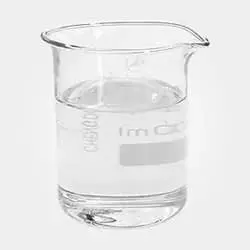
Hydrogen Peroxide (35%) - Thailand
Found this useful?