LG Chem and Volkswagen Are Redesigning Car Parts Around Recycled Plastic
LG Chem and Volkswagen Are Redesigning Car Parts Around Recycled Plastic
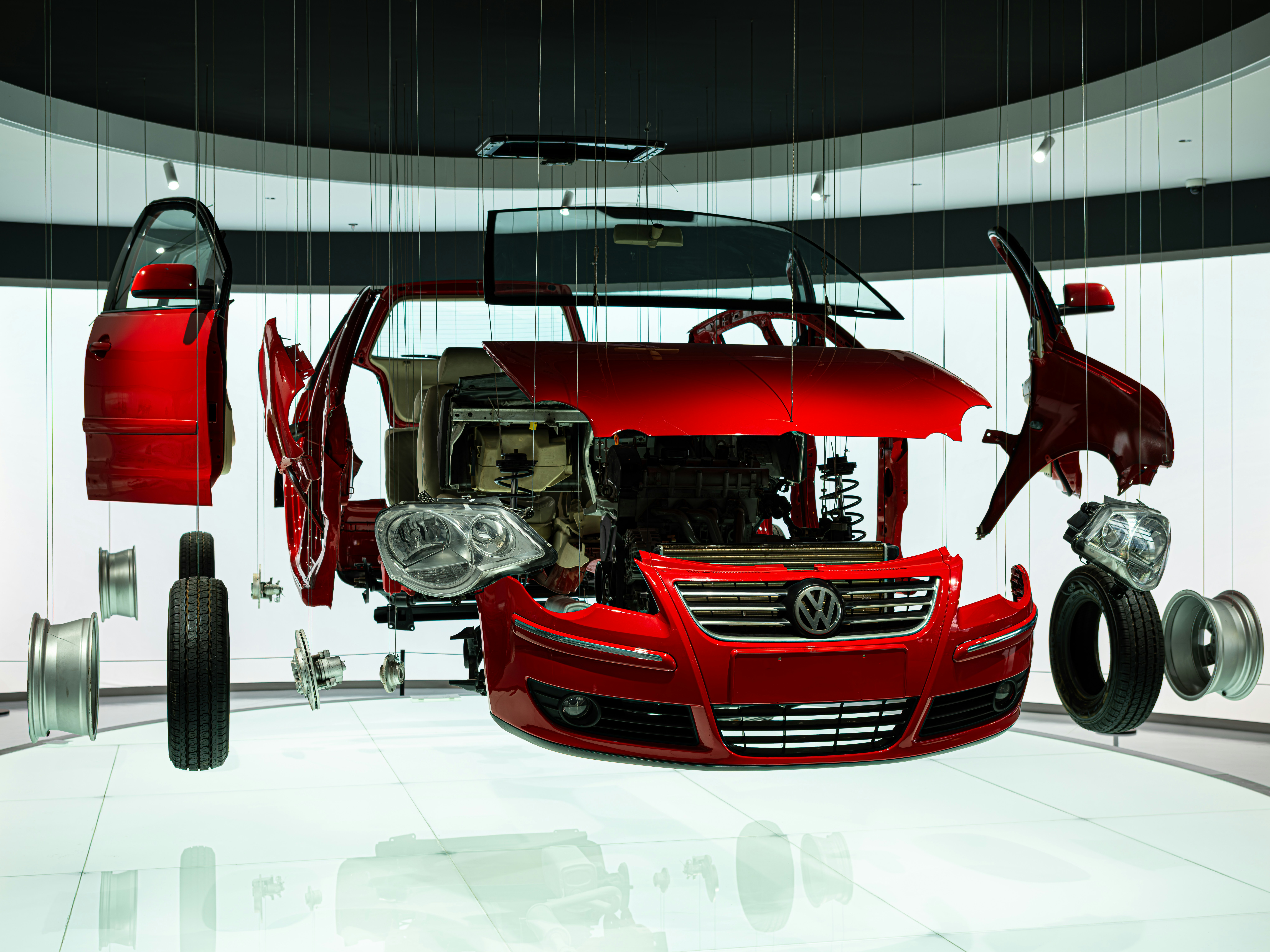
LG Chem and Volkswagen Group are joining forces to develop lighter, higher-performance and more sustainable materials for future vehicles, with recycled plastics emerging as a key part of the partnership.
The companies signed a memorandum of understanding (MOU) on September 28, 2026, covering joint development of next-generation plastics and composite materials, vehicle lightweighting and the expanded use of post-consumer recycled materials in automotive interior and exterior components.
LG Chem and Volkswagen Target Next-Generation Automotive Materials
The companies will examine new materials based on acrylonitrile butadiene styrene (ABS) and engineering plastics (EP), both of which are already widely used in automotive interior and exterior applications.
The objective is to develop materials that can reduce vehicle weight while maintaining the impact resistance, durability, processability and performance required for automotive components.
Recycled Plastic Moves Further Into Vehicle Components
A central element of the agreement is LG Chem's post-consumer recycled (PCR) material portfolio.
The two companies will explore opportunities to increase the use of PCR materials in interior and exterior components across Volkswagen Group's automotive brands. They will also investigate cost-efficient material solutions that can make sustainable plastics more commercially viable for large-scale vehicle production.
This is significant because automotive components must meet demanding requirements for appearance, durability, dimensional stability and safety. Recycled plastics therefore need to deliver consistent properties rather than simply provide a recycled-content claim.
LG Chem Already Has PCR ABS Technology
LG Chem has been developing recycled ABS materials for several years.
The company says it successfully produced white-colored post-consumer recycled ABS in 2020, describing the achievement as an industry first. It has since expanded its PCR portfolio for automotive interior and exterior applications.
LG Chem's ABS portfolio also includes high-gloss, high-heat-resistant and paintless grades designed for applications such as side mirrors and radiator grilles.
The company currently has total ABS production capacity of approximately 2.35 million metric tonnes per year across its domestic and international operations.
Why Lightweighting Still Matters
The partnership is not focused on recycled content alone.
LG Chem and Volkswagen are also targeting vehicle lightweighting, which can help improve energy efficiency and vehicle performance.
For electric vehicles, reducing the mass of non-battery components can be particularly valuable because lower vehicle weight can contribute to improved energy efficiency and potentially help manufacturers optimize battery requirements.
Engineering plastics and composites can also allow manufacturers to combine multiple functions into individual components, potentially simplifying designs and reducing material use.
From Conventional Plastics to Circular Materials
The agreement reflects a wider shift in the automotive plastics industry from conventional virgin polymers toward circular material systems.
LG Chem's petrochemical business has identified recycling as a major sustainability area and is developing a portfolio of PCR products while pursuing chemical-recycling partnerships. The company says it is working to build a circular economy for waste plastics through both mechanical and chemical recycling approaches.
For automakers, the use of recycled materials can reduce reliance on virgin fossil-based feedstocks while creating demand for recycled polymers with automotive-grade performance.
Volkswagen Already Uses Recycled Plastics
Volkswagen Group has already introduced recycled materials into vehicle production.
Volkswagen's sustainability reporting states that the new T-Roc can contain up to 40 kilograms of recycled plastic, depending on equipment and engine configuration, across as many as 140 interior and exterior components.
Volkswagen also says its ID.4 uses recycled plastics in a range of components, including wheel-housing liners, luggage-compartment trim, floor mats and underbody panels.
The new LG Chem partnership could therefore build on an existing effort rather than represent Volkswagen's first move into recycled automotive plastics.
Feasibility Studies Will Determine Where the Materials Fit
The two companies plan to conduct feasibility studies for specific applications before expanding the materials into additional vehicle components.
They will also exchange information on technology trends and global market developments related to next-generation mobility materials.
This approach allows the partners to evaluate recycled and advanced materials according to the technical requirements of individual components rather than applying one material solution across an entire vehicle.
Potential applications include interior and exterior parts where ABS and engineering plastics already provide the necessary combination of strength, appearance and processing performance.
Cost Competitiveness Is Part of the Strategy
The partnership also highlights an important challenge facing recycled automotive plastics: cost.
Recycled materials must compete not only on environmental performance but also on price, quality and supply reliability.
LG Chem and Volkswagen specifically said they would explore cost-efficient material solutions alongside sustainable materials. This suggests that scaling recycled plastics will depend on making them commercially competitive with conventional materials while meeting automotive specifications.
A Broader Circular-Economy Push in Automotive Manufacturing
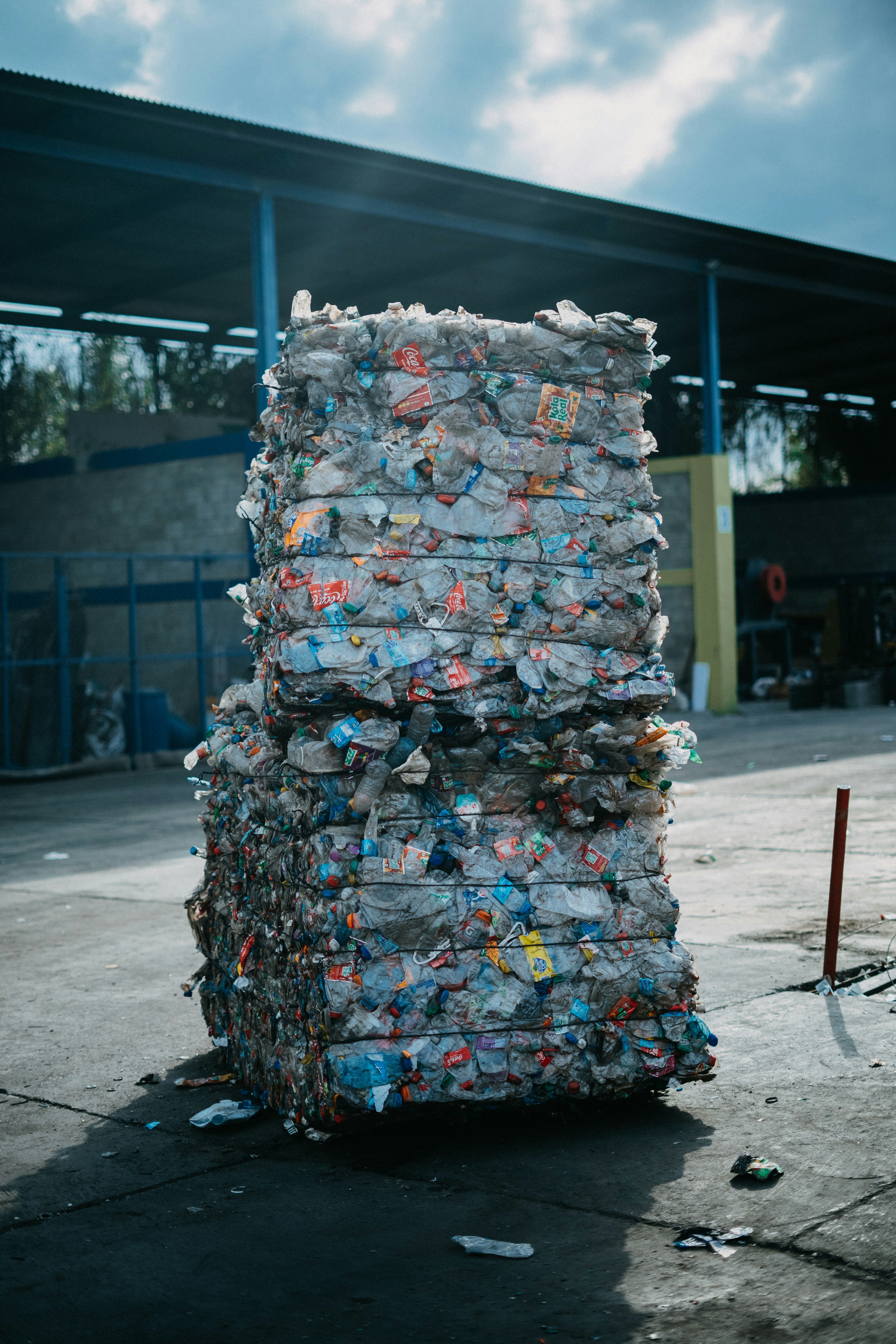
The LG Chem–Volkswagen agreement comes as automakers and materials producers increasingly connect vehicle manufacturing with recycling and material recovery.
Volkswagen's broader circular-economy strategy includes reducing raw-material consumption, recovering materials from vehicles and increasing recycled content. Its brands are also exploring closed-loop approaches, including projects that use recycled bumpers as the material basis for new bumpers.
For materials companies such as LG Chem, these developments create an opportunity to move recycled polymers from niche applications into higher-value automotive components.
The Partnership Could Expand Beyond Recycled ABS
Although PCR materials are a major focus, the MOU covers a broader range of technologies.
LG Chem and Volkswagen will investigate next-generation plastics and composite materials, alongside ABS and engineering plastics, with the aim of improving vehicle weight, performance and cost competitiveness.
The companies will also collaborate on research and development activities as they evaluate specific material applications.
The result could be a combination of recycled content, advanced polymer formulations and lightweight composite structures rather than a simple one-for-one replacement of virgin plastic with recycled material.
Sources:
2-Ethyl Hexanol
Found this useful?