
Linear Alkylbenzene Sulfonic Acid (LABSA): Raw Materials, Supply Chain and Procurement Factors
Linear Alkylbenzene Sulfonic Acid (LABSA) connects petrochemical feedstocks with one of the largest markets for household and industrial cleaning products. Detergent manufacturers rely on a consistent supply of this anionic surfactant to produce laundry powders, liquid detergents, dishwashing liquids and other cleaning formulations.
For procurement managers, LABSA sourcing involves more than comparing quotations from different suppliers. Raw material availability, sulfonation efficiency, active matter concentration, batch consistency, storage conditions and delivery reliability all influence the actual cost of purchasing and using the chemical.
A disruption at any point in the supply chain can affect production schedules and finished-product quality. Understanding how LABSA moves from upstream feedstocks to detergent manufacturing helps buyers evaluate suppliers, manage inventory and build more dependable purchasing strategies.
1. How LABSA Moves Through the Chemical Supply Chain
LABSA production begins with linear alkylbenzene (LAB), a petrochemical intermediate produced from benzene and linear paraffins. Manufacturers sulfonate LAB using sulfur trioxide (SO₃) or other suitable sulfonating agents to produce LABSA.
Commercial production commonly uses continuous falling-film reactors, although other process configurations also exist. After sulfonation, the manufacturer allows the reaction to progress through the required finishing stages, checks product quality and transfers the material to storage before dispatch.
The supply chain generally follows these stages:
Upstream feedstock supply: Petrochemical producers supply LAB, while sulfur-based chemical suppliers provide inputs for generating or supplying the sulfonating agent.
LABSA manufacturing: The producer controls reaction conditions, cooling, finishing and other process parameters to achieve the required product specifications.
Quality assurance: Laboratory testing verifies relevant characteristics before the manufacturer releases the finished batch.
Storage and distribution: The product moves into suitable tanks or compatible containers before road transport, port handling or export shipment.
Detergent formulation: Manufacturers neutralize LABSA with an appropriate alkali, commonly caustic soda, to produce the corresponding surfactant salt for detergent formulations.
Each stage creates a different procurement consideration. A competitive feedstock price cannot guarantee an economical finished product if production inefficiencies, quality deviations or transport delays increase the buyer's total costs.
2. Raw Material Costs and Their Influence on LABSA Prices
Raw materials represent a major consideration when LABSA producers calculate manufacturing costs. Changes in LAB prices, sulfur-based inputs, energy consumption and operating expenses can influence the offers that suppliers present to distributors and detergent manufacturers.
Linear alkylbenzene is the primary feedstock to monitor. Its price can respond to petrochemical market conditions, refinery and chemical plant operating rates, feedstock availability and regional supply-demand balances.
Sulfonating inputs also affect production economics. Depending on the manufacturing process, suppliers may rely on sulfur trioxide generated from sulfur or use another suitable sulfonating agent, with the associated costs varying by plant configuration and sourcing arrangements.
Procurement teams should monitor several cost drivers:
LAB availability: Tight feedstock supply can increase replacement costs or extend delivery lead times for LABSA producers.
Sulfur and sulfonating agent prices: Changes in sulfur availability, energy requirements and sulfur trioxide production costs can affect conversion economics.
Energy and utilities: Sulfonation, cooling, air treatment and other plant operations require reliable utilities, making energy costs relevant to production pricing.
Freight and packaging: Tanker availability, container costs, inland transport and port charges can change the delivered cost even when the supplier's quoted price remains stable.
Currency and financing: Exchange-rate movements, payment terms and the cost of holding inventory can influence the final purchasing budget for import-dependent buyers.
Buyers should distinguish between a supplier's current selling price and the cost of replacing the material when existing inventory runs out. A low-priced shipment may offer limited savings if freight costs rise, delivery takes longer or the product requires additional handling.
3. Sulfonation Quality and Production Consistency
Manufacturing quality determines whether LABSA performs predictably in the detergent plant. Although different suppliers may offer products under the same chemical name, differences in production control and finished-product specifications can affect formulation, neutralization and process efficiency.
The sulfonation stage requires careful control of reaction conditions and feed ratios. Inadequate control can contribute to deviations in active matter, free oil, free acidity, color or other characteristics that detergent manufacturers use to evaluate incoming material.
Buyers should request a current technical data sheet and a batch-specific certificate of analysis (COA). The documentation should cover the parameters relevant to the intended application rather than relying on a general statement that the material meets industrial grade requirements.
Important quality checks include:
Active matter: This indicates the proportion of the product associated with its active surfactant content under the supplier's specified test method. Buyers use it to assess product strength and calculate formulation requirements.
Free sulfuric acid or free acidity: Excessive residual acidity can affect neutralization requirements and formulation control. Buyers should specify an appropriate limit and confirm the analytical method.
Unsulfonated matter or free oil: Residual unsulfonated material can affect formulation behavior and product consistency.
Color and appearance: Unusual changes may indicate a batch difference or process issue, although appearance alone cannot establish product quality.
Moisture and other specification parameters: Where relevant to the product grade, these help buyers determine whether the material meets the requirements of their manufacturing process.
Consistent results across multiple deliveries matter as much as compliance in a single shipment. A supplier with dependable quality control can help buyers reduce batch adjustments, investigate production deviations more efficiently and maintain more predictable detergent performance.
4. LABSA Concentration, Grade and Procurement Value
Concentration is an important part of the purchasing decision because buyers need to compare products on a consistent basis. Commercial LABSA grades can differ in active matter and other specifications, so procurement teams should confirm the exact grade rather than assuming that every offer represents an interchangeable product.
For example, a buyer comparing LABSA at approximately 90% active matter with a higher-active-matter grade should examine the quoted price, the actual specification and the amount of usable active material supplied. A higher concentration does not automatically make a product more economical if the price premium exceeds the benefit.
A practical comparison should account for:
The supplier's stated active matter and test method.
The quantity of product required to deliver the desired amount of active surfactant.
Free acidity and other limits relevant to the buyer's formulation.
Compatibility with the existing neutralization and blending process.
Handling, pumping and storage requirements for the particular grade.
Consider two quotations that specify different active matter levels. Instead of comparing only their prices per tonne, the buyer should calculate the cost per tonne of active matter using the verified concentration figures, then consider any differences in quality, freight and processing costs.
This approach creates a more meaningful comparison between suppliers and reduces the risk of selecting a cheaper product that does not meet the required formulation specification.
5. Storage, Transportation and Delivery Reliability
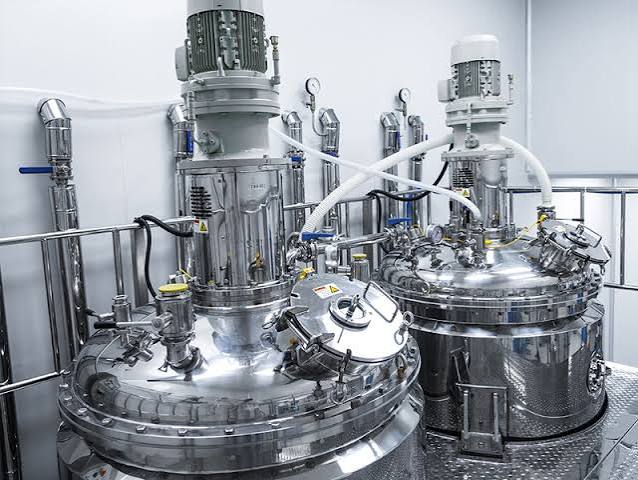
LABSA supply does not end when production finishes. Appropriate storage, compatible equipment and controlled transportation help preserve product condition and reduce the likelihood of contamination, leakage or costly delivery interruptions.
Buyers should confirm that suppliers use suitable tanks, transfer lines, seals and packaging for the product. LABSA is acidic, so equipment compatibility and handling procedures require particular attention, including protection against contact with incompatible materials.
For bulk shipments, procurement teams should evaluate tanker availability, loading capacity, dispatch scheduling and unloading arrangements at the receiving facility. Importers also need to consider port congestion, customs clearance, container availability and the time required to move the shipment from the port to the factory.
Several practical controls can improve delivery reliability:
Check packaging and equipment compatibility: Obtain confirmation that tanks, containers, pumps and seals suit the specific product and transport conditions.
Agree on delivery windows: Coordinate supplier dispatch schedules with production forecasts and available storage capacity.
Review transport documentation: Ensure the required safety data sheet, shipping documentation, batch identification and quality records accompany the shipment.
Plan for delays: Establish inventory buffers based on actual lead-time variability rather than relying solely on the supplier's standard delivery estimate.
Prepare receiving facilities: Confirm that storage capacity, unloading connections and trained personnel are available before the shipment arrives.
Importers should also review applicable transport and chemical-handling requirements in the exporting country, transit jurisdictions and destination market. Clear allocation of responsibility for packaging, loading, transit damage and product acceptance can help prevent disputes between buyers, sellers and logistics providers.
6. Demand from Detergent Manufacturers and Other Buyers
Detergent manufacturing provides the main commercial demand base for LABSA. Its surfactant properties make it an important input for laundry powders, liquid laundry detergents, dishwashing products and numerous household, institutional and industrial cleaning formulations.
Demand conditions in these downstream markets influence purchasing schedules and supplier utilization. A detergent producer experiencing higher orders may need to secure additional LABSA, while seasonal demand, promotional campaigns or weaker consumer sales can change its preferred inventory levels.
LABSA also serves selected industrial applications, including certain emulsification and wetting functions. However, procurement specifications can differ between applications, so buyers should confirm suitability before substituting one grade for another.
For distributors and importers, demand planning should consider more than historical consumption. The following indicators can improve purchasing decisions:
Changes in detergent production volumes and customer order books.
Supplier operating rates and announced maintenance schedules.
Availability and pricing of competing surfactants, including alcohol ether sulfates.
Regional freight conditions and the timing of inbound shipments.
Customer preferences for packaging, delivery frequency and credit terms.
A buyer with several downstream customers should also assess whether their specifications align. Standardizing compatible grades where technically appropriate can simplify purchasing and inventory management, while distinct application requirements may justify keeping separate product specifications.
7. Supply Chain Risks, Compliance and Supplier Evaluation
LABSA buyers face interconnected risks across feedstock sourcing, manufacturing, transportation and downstream formulation. A disruption at an upstream plant can affect production availability, while inconsistent product quality can create additional costs even when the material arrives on schedule.
Supplier diversification can reduce exposure to a single producer or sourcing region. However, adding suppliers without validating their technical capabilities may introduce new quality problems, so alternative sources should pass the same qualification process as established suppliers.
Procurement teams should assess suppliers against a defined set of commercial and technical criteria:
Manufacturing capability: Determine whether the supplier manufactures LABSA directly or distributes material from another producer, then assess its ability to meet required volumes.
Traceability: Request batch identification, a COA and clear information about the supplying manufacturer.
Specification compliance: Confirm active matter, acidity limits and other agreed parameters before placing a commercial order.
Supply reliability: Review historical delivery performance, lead times, available capacity and contingency arrangements.
Commercial terms: Compare minimum order quantities, payment terms, price validity, packaging costs and responsibility for freight.
Safety and environmental controls: Review the supplier's safety data sheet, handling guidance and applicable regulatory documentation.
Environmental compliance also matters throughout the chain. Manufacturers should operate suitable controls for sulfonation off-gases and other process emissions, while buyers should verify applicable chemical transport, storage and workplace safety requirements in their markets.
In export transactions, buyers should confirm the required product classification, import documentation and local compliance obligations before shipment. Requirements may differ by country, product specification and intended use, so procurement teams should not assume that documentation accepted in one market will satisfy another.
8. Building a More Reliable LABSA Procurement Strategy
Effective LABSA procurement combines price discipline with technical qualification and supply planning. Buyers who consider only the lowest quotation may overlook costs associated with inconsistent quality, emergency purchases, delayed deliveries or excessive inventory.
A structured purchasing process gives procurement managers a stronger basis for comparing offers and managing supplier relationships. It also helps production, quality assurance and logistics teams work from the same material specification.
A practical strategy should include the following actions:
Define the purchasing specification. Set clear requirements for active matter, acidity, other relevant quality parameters, packaging and delivery conditions.
Compare landed costs. Include product price, freight, insurance where applicable, duties, handling and financing costs in the calculation.
Qualify alternative suppliers. Review technical documents, test samples where appropriate and establish acceptance criteria before switching sources.
Monitor upstream markets. Track LAB availability, sulfonating input costs, energy prices and freight conditions to understand changes in supplier quotations.
Set inventory policies. Base reorder points and safety stock on consumption patterns, actual lead times and the cost of a production interruption.
Review supplier performance. Track delivery accuracy, batch acceptance, response times and commercial reliability over repeated orders.
Buyers should also agree on a process for handling rejected or out-of-specification shipments. Clear rules for sampling, independent testing, notification deadlines and corrective action can reduce disputes and protect production schedules.
What Procurement Teams Should Prioritize Next
LABSA procurement works best when buyers treat feedstock economics, product quality and logistics as connected parts of one purchasing decision. Reliable supply depends on manufacturers maintaining control over their raw materials and production processes, distributors providing traceability and buyers communicating their specifications clearly.
The strongest sourcing strategy balances competitive pricing with verified concentration, consistent batches, suitable storage and dependable delivery. For importers and detergent manufacturers, qualifying alternative suppliers and monitoring landed costs can also improve resilience when upstream market conditions change.
Procurement teams should establish measurable acceptance criteria, maintain appropriate inventory buffers and review supplier performance regularly. These steps support better cost control while helping detergent production remain consistent as demand and supply conditions evolve.
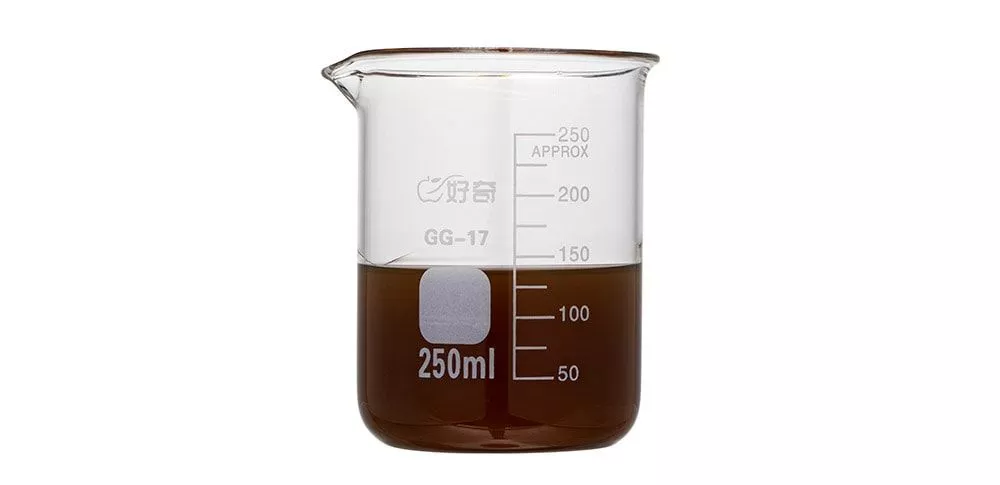
Linear Alkylbenzene Sulfonic Acid (90%) - India
SOURCE LINK :https://pubchem.ncbi.nlm.nih.gov/
Found this useful?