Louisiana Project Cancellation Renews Debate Over Ammonia Feedstock Siting and Future Chemical Investments
Introduction
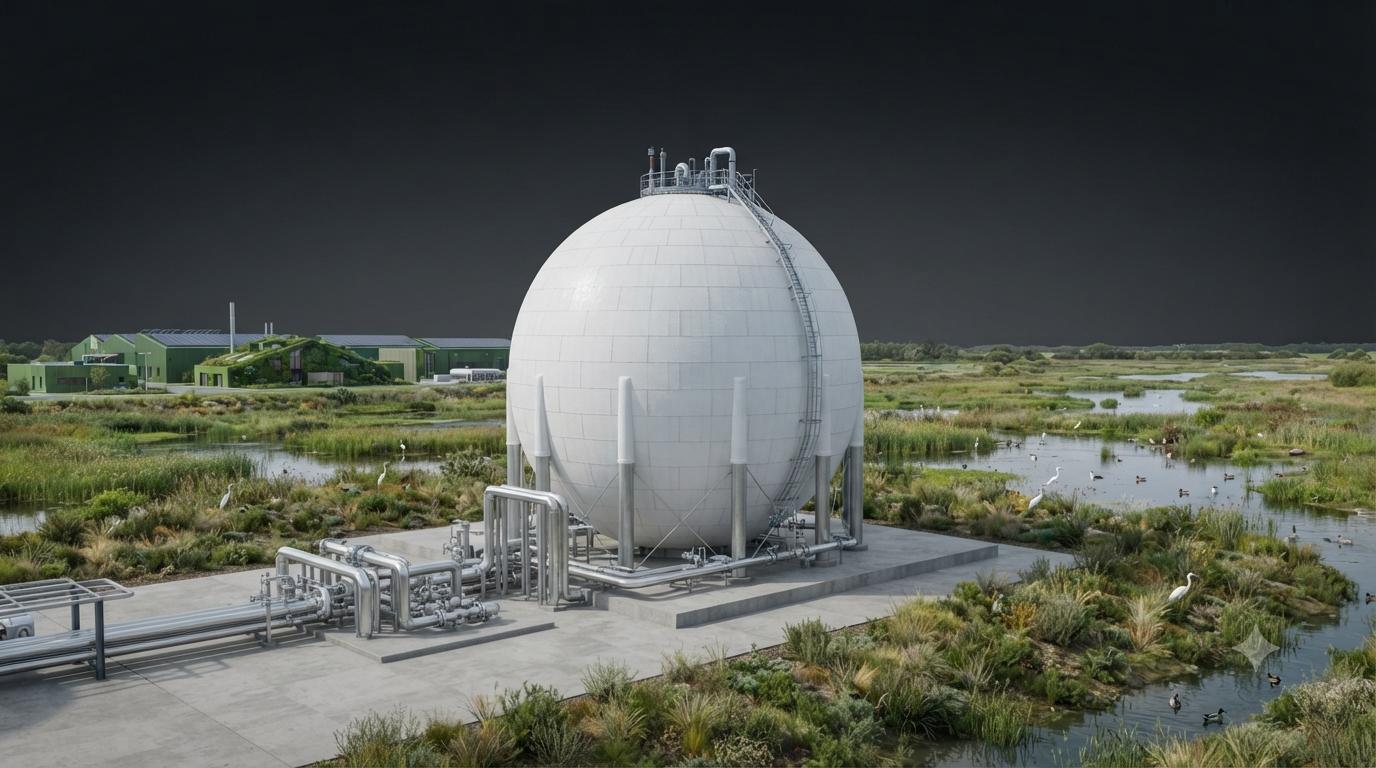
The cancellation of the Louisiana project has become more than a business decision. Community organizations and environmental groups have framed the outcome as a significant moment in the wider discussion surrounding ammonia feedstock development, industrial expansion and infrastructure planning.
According to the supplied context, community groups welcomed the Louisiana exit, citing concerns over pollution and pipeline risks. Their response reflects a broader debate about where future ammonia facilities should be built and how industrial projects can balance production needs with environmental and community priorities.
Why Ammonia Feedstock Projects Attract Public Attention
Ammonia plays a central role in fertilizer production and serves as an increasingly important chemical in emerging low carbon energy strategies.
Large production facilities require extensive supporting infrastructure, including storage systems, transportation networks and pipelines. These projects often involve significant long term investments, making location decisions highly visible to local communities.
As a result, discussions frequently extend beyond economics to include environmental management, land use and public safety.
Community Concerns Shaping Future Projects
The Louisiana cancellation highlights the growing influence of community engagement during the planning phase of major industrial developments.
The concerns highlighted in the supplied context include:
Potential impacts on local air quality and surrounding ecosystems.
Pipeline routing and operational safety.
Long term environmental stewardship.
The cumulative effect of additional industrial facilities in existing manufacturing regions.
Developers increasingly recognize that technical feasibility alone does not determine whether a project will move forward.
What This Means for Ammonia Feedstock Investment
Industrial investors may place greater emphasis on site selection strategies that address environmental and community considerations from the earliest stages.
Future projects could involve:
More comprehensive environmental planning.
Earlier engagement with local stakeholders.
Greater investment in monitoring and safety systems.
Careful evaluation of transportation infrastructure before construction begins.
These measures may help reduce project uncertainty while supporting more predictable development timelines.
Implications for Fertilizer Supply Chains
Although one project has been cancelled, global demand for ammonia feedstock continues to support investment in new production capacity.
Companies may increasingly diversify where facilities are located instead of concentrating new investments in a limited number of industrial regions. This could gradually reshape global ammonia trade flows and create new export opportunities in regions offering suitable infrastructure and supportive regulatory environments.
Procurement Teams Should Monitor Project Pipelines
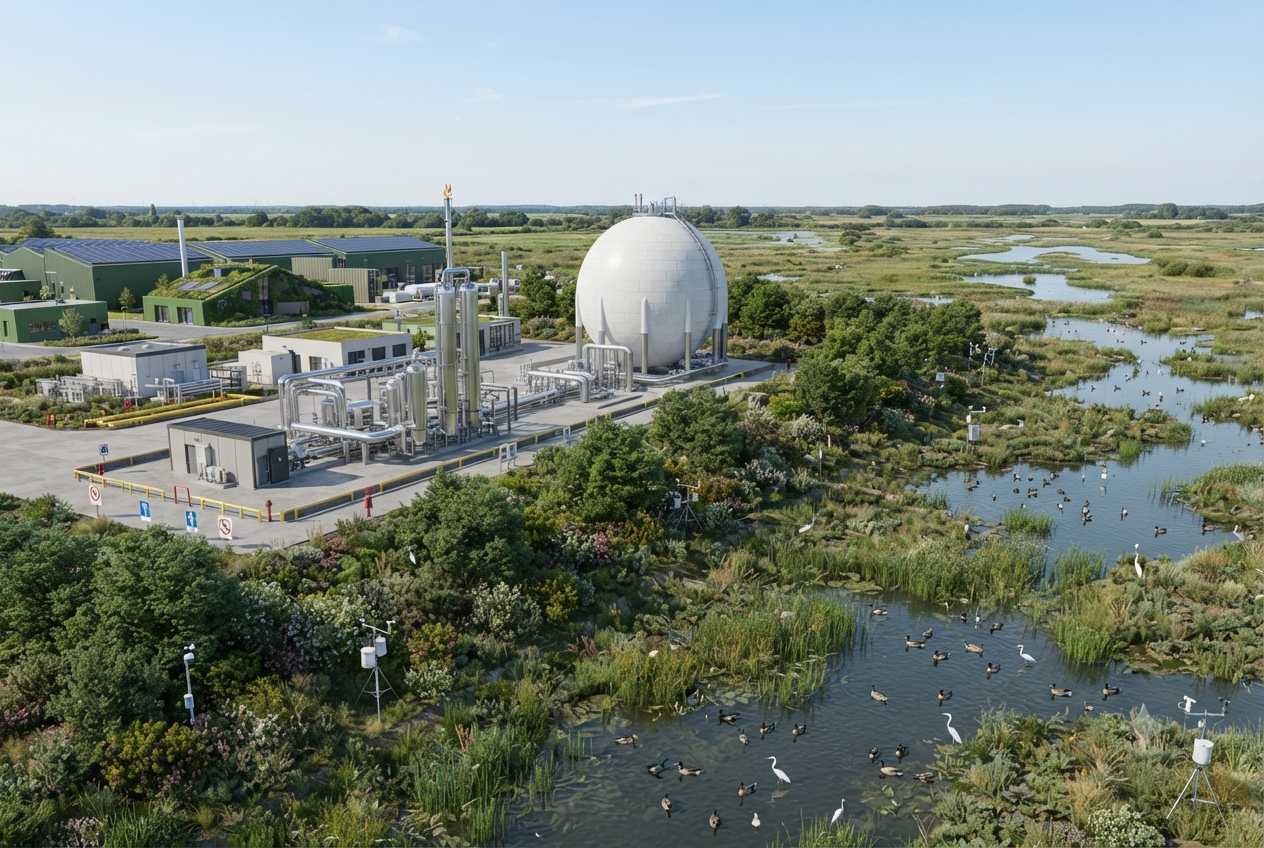
Procurement managers depend on stable production capacity to secure long term ammonia supplies.
When major projects are delayed or cancelled, buyers should monitor:
Alternative production investments entering the market.
Regional supply diversification.
Changes in transportation routes.
Long term supply agreements from established producers.
Infrastructure developments supporting future ammonia exports.
A diversified supplier base can reduce exposure to project specific disruptions.
Balancing Industrial Growth and Environmental Expectations
The Louisiana outcome illustrates that industrial development increasingly depends on balancing commercial objectives with environmental performance and community acceptance.
Chemical producers are likely to integrate sustainability, safety and stakeholder engagement more closely into future project planning. These factors may influence investment decisions alongside production economics and market demand.
Looking Ahead for Global Ammonia Markets
Demand for ammonia as a fertilizer feedstock remains strong, while new applications continue to emerge across energy and industrial sectors. Future investments are likely to focus on projects that combine commercial viability with strong environmental planning and effective community engagement.
For buyers and exporters, understanding how public acceptance influences project development will become an important part of long term sourcing strategies. Companies that monitor both market fundamentals and project pipelines will be better positioned to navigate changes in global ammonia supply.
Ready to source Ammonia Anhydrous from verified global suppliers? Explore competitive offers on our platform today.
Ammonia Anhydrous
Found this useful?