LyondellBasell Forms Joint Venture for Post-Consumer Plastic Sorting
Post-consumer plastic sorting is becoming an increasingly important part of the recycled plastics supply chain as chemical producers and manufacturers seek more reliable access to high-quality waste feedstocks. LyondellBasell is addressing this challenge through a joint venture with a major waste management company to develop a dedicated sorting facility using AI-driven optical sorting technology.
The project targets one of the most persistent constraints in mechanical recycling, the availability and consistency of suitable post-consumer plastic waste. Better sorting can separate valuable polymer streams from mixed municipal waste, creating cleaner feedstocks for recyclers and polymer producers.
For chemical traders, procurement managers and plastic converters, the development highlights a shift upstream in the recycling value chain. Reliable recycled polymer supply increasingly depends not only on recycling capacity but also on the infrastructure available to collect, identify and prepare waste materials.
Why Post-Consumer Plastic Sorting Matters
Mechanical recycling depends on effective collection and sorting. When different polymers, colors, packaging formats and contaminants enter the same waste stream, recyclers face additional processing requirements and may lose part of the material because it does not meet the specifications required for recycled resin production.
Sorting facilities address this bottleneck by separating materials before they reach the recycling stage. The cleaner the incoming polymer stream, the easier it becomes for recyclers to produce consistent recycled material.
For buyers, feedstock quality directly affects the performance and availability of recycled polymers. A shortage of properly sorted waste can limit production even when downstream recycling plants have sufficient processing capacity.
This makes sorting infrastructure a strategic component of the circular plastics market rather than simply a waste management activity.
How AI-Driven Optical Sorting Can Improve Feedstock Quality
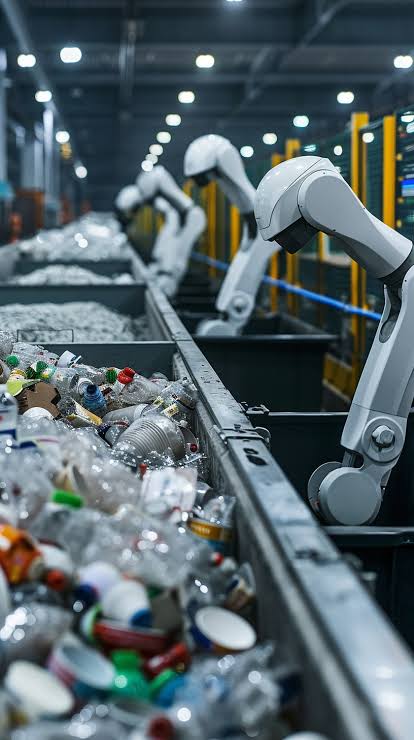
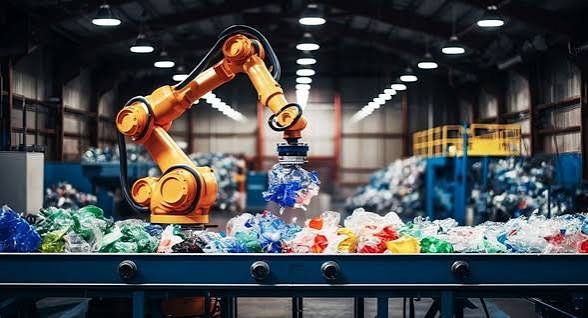
Modern sorting facilities use combinations of sensors, cameras and automated equipment to identify materials as they move through processing lines. Optical sorting can distinguish different polymer types and packaging characteristics at high speed.
AI-based systems add another layer of material recognition. Machine-learning algorithms can be trained to identify packaging formats, colors and material characteristics, helping sorting systems make more precise decisions as waste moves through the facility.
The technology can support several stages of the sorting process:
Material recognition: Optical systems identify specific plastics and packaging characteristics within mixed waste streams.
Automated separation: Air jets or mechanical systems divert identified materials into separate streams.
Quality control: Automated monitoring can help identify unwanted materials and reduce contamination.
Data collection: Digital sorting systems can provide operational information that helps operators monitor material composition and process performance.
For chemical producers, improved sorting can translate into more consistent feedstock availability. For traders, it can create additional opportunities to source recycled polymer grades with more predictable specifications.
LyondellBasell's Role in the Recycling Value Chain
LyondellBasell has been expanding its focus on circular and recycled polymers as demand grows for materials with lower reliance on virgin fossil feedstocks. The company's circular solutions include mechanically recycled products as well as advanced recycling initiatives.
The new joint venture takes a different approach by focusing on the material entering the recycling system. Instead of concentrating solely on polymer production, the partnership addresses the feedstock stage where mixed post-consumer waste must first be separated into usable streams.
This upstream focus can help strengthen the broader recycling ecosystem. A recycler cannot operate efficiently without access to sufficient quantities of suitable material, even if it has modern processing technology and strong downstream demand.
The Feedstock Bottleneck in Mechanical Recycling
Mechanical recycling has a relatively straightforward concept: collect plastic waste, sort it, clean it, process it and convert it into recycled resin. The challenge lies in producing a sufficiently clean and consistent input stream at commercial scale.
Post-consumer waste often contains multiple polymers and non-plastic materials. Food residues, labels, adhesives and incompatible polymers can reduce the quality of the final recycled material or increase the cost of preparation.
This creates a mismatch between growing demand for recycled polymers and the availability of suitable feedstock. Plastic producers may have customers seeking recycled content, while recyclers face difficulties securing the right material in sufficient quantities.
The LyondellBasell joint venture addresses this gap at an important point in the value chain. By improving the separation of post-consumer waste, the project can potentially increase the volume of material that reaches recyclers in a form suitable for further processing.
Implications for Recycled Polymer Procurement
For procurement managers, better sorting infrastructure could gradually improve the reliability of recycled polymer supply. However, buyers still need to evaluate the specific grade, source and processing history of each material.
Important procurement considerations include:
Polymer type: Confirm whether the recycled resin is based on polyethylene, polypropylene, PET or another polymer required by the application.
Contamination: Review specifications for non-polymer content, moisture, metals and incompatible plastics.
Consistency: Compare batch-to-batch performance rather than relying only on a single sample.
Traceability: Establish whether the supplier can document the origin and processing pathway of the post-consumer material.
Supply security: Assess available annual volumes, lead times and the supplier's access to consistent feedstock.
Application qualification: Test recycled grades against processing and finished-product requirements before moving to larger purchasing volumes.
These factors are particularly relevant for converters supplying packaging, automotive components, consumer goods and other applications where recycled resin needs to meet defined technical specifications.
Opportunities for Chemical Traders and Recyclers
The development of advanced sorting infrastructure creates opportunities beyond the facility itself. More precise separation can support a wider network of recyclers and compounders by creating additional streams of usable plastic feedstock.
Chemical traders can potentially play a role by connecting recyclers with converters that need specific recycled grades. They can also support cross-border sourcing, inventory management and supplier qualification as recycled materials become more specialized.
Several commercial opportunities could emerge:
Recycled polymer distribution: Cleaner feedstock can support production of more consistent recycled resin grades that require established distribution channels.
Feedstock aggregation: Traders and waste-sector companies can develop networks that combine material from multiple collection points to support larger recycling operations.
Grade matching: Buyers may need assistance identifying recycled polymers that meet particular processing, mechanical or appearance requirements.
Supply-chain documentation: Increasing demand for traceable recycled content can create opportunities for suppliers that provide clear documentation from collection through processing.
The quality of these services will become increasingly important as customers move from occasional recycled-material purchases toward regular procurement programs.
Circular Plastics Demand Is Changing the Supply Chain
The growth of recycled polymer demand is changing how chemical companies view waste. Plastic waste is increasingly treated as a potential feedstock with measurable commercial value rather than solely as an environmental liability.
That shift requires investment across the entire value chain. Collection systems must capture suitable material, sorting plants must separate it efficiently, recyclers must process it into usable resin and manufacturers must qualify the resulting materials for their products.
Sorting is therefore a critical link between waste generation and recycled polymer production. Without adequate separation, a substantial portion of collected plastic may remain unsuitable for high-value recycling applications.
AI-driven sorting can support this transition by increasing the accuracy and speed of material identification. Its commercial value will ultimately depend on how effectively it improves feedstock quality, recovery rates and operating economics.
What Procurement Teams Should Watch
Procurement professionals should monitor the development of sorting capacity alongside new recycling plants and recycled polymer grades. More recycling capacity does not automatically guarantee greater material availability if feedstock infrastructure remains limited.
Several indicators can help buyers assess the market:
New sorting capacity: Additional facilities can increase the amount of properly separated plastic entering recycling supply chains.
Technology adoption: AI and advanced optical systems may improve the precision of material separation.
Feedstock contracts: Long-term arrangements between waste companies and recyclers can improve supply visibility.
Recycled resin specifications: Buyers should track whether improved sorting translates into tighter and more consistent product specifications.
Pricing: Feedstock availability can influence recycled polymer costs alongside energy, collection, transportation and processing expenses.
Regional supply: Sorting infrastructure remains geographically important because transporting low-value mixed waste over long distances can affect economics.
For importers and exporters, regional availability may become an increasingly important sourcing consideration. A recycled polymer may be commercially attractive in one market while being difficult to secure in another because of differences in collection and sorting infrastructure.
The Bottom Line for Recycled Plastic Buyers
LyondellBasell's joint venture highlights an important development in the circular plastics market: solving feedstock constraints requires investment before the recycling reactor or extrusion line. AI-driven optical sorting can help convert mixed post-consumer waste into more consistent polymer streams that recyclers can use as industrial feedstock.
For chemical traders and procurement managers, the development reinforces the importance of evaluating the complete recycled plastics supply chain. Collection, sorting, processing, certification, logistics and resin quality all influence whether recycled material can become a reliable replacement or supplement for virgin polymers.
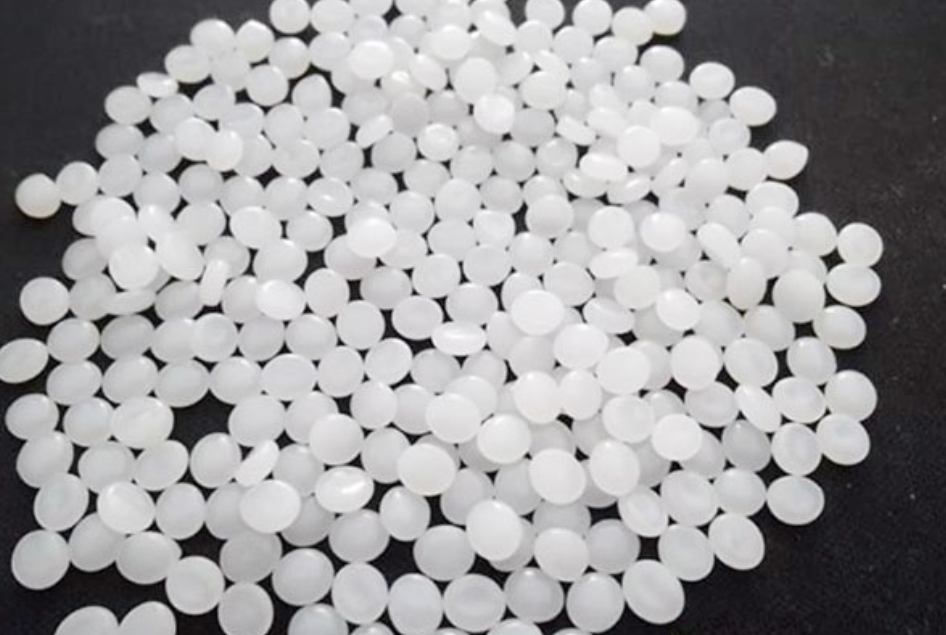
High Density Polyethylene (HDPE)
Found this useful?