Maersk’s Cautious Return to Red Sea Shipping—2026 Outlook
Why Maersk Is Cautiously Returning to Red Sea Routing
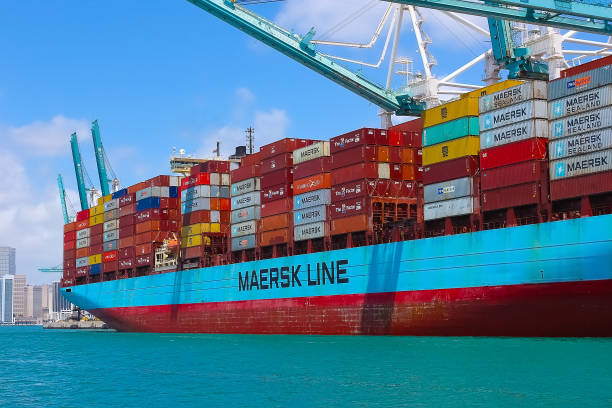
After two years of rerouting through the Indian Ocean, Maersk is now slowly re‑establishing a presence in the Red Sea. The decision reflects a strategic evaluation of risk, cost and market demand, and signals a broader trend among global shippers. The company is not rushing back, but rather deploying a phased approach that prioritizes MARKING its most critical trade lanes and protecting key cargoes such as chemicals.
Security Landscape and Risk Management
Security concerns in the Red Sea—particularly the risk of piracy and regional conflicts—remain a primary deterrent. Maersk’s risk assessment framework now includes real‑time threat intelligence, flexible routing options, and enhanced crew training. By adopting a “stop‑gap” strategy, the company can monitor evolving conditions without fully committing vessels until safety thresholds are met.
Impact on Chemical Logistics
The chemical sector is highly sensitive to shipping delays. A return to the Red Sea will shorten transit times for many Mediterranean and Middle‑East customers, reducing exposure to weather‑related disruptions. However, the industry must also account for new security protocols, such as mandatory escorting or stricter port entry checks, which could increase handling times and costs.
Reduced transit times for bulk chemicals to Europe and Asia
Potential for higher port turnaround times due to security inspections
Greater need for contingency planning सुनिश्चित
Freight Costs and the 2026 Market Outlook
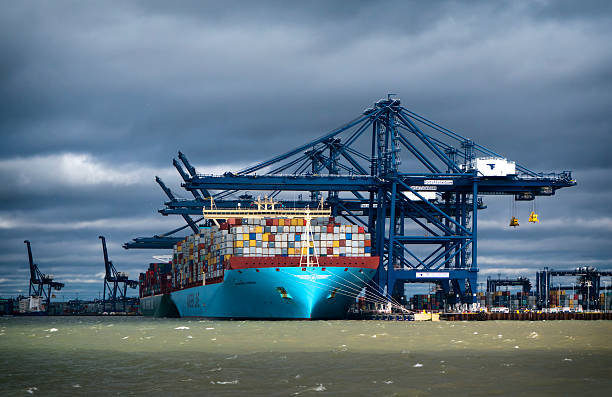
In 2026, the world freight market is projected to see a moderate rebound. Maersk’s cautious re‑entry is expected to moderate the price surge often seen when shipping lanes are suddenly reopened. By spreading the return over multiple months, the company can smooth freight rates and avoid sudden spikes that have historically plagued the market.
Phase 1: Limited carrier deployment to monitor security metrics
Phase 2: Gradual increase of vessel frequency as conditions improve
Phase 3: Full operational capacity once risk levels stabilize
Supply Chain Resilience and Procurement Strategies
Supply chain managers will need to adjust procurement plans to align with Maersk’s phased approach. Key actions include:
Re‑evaluating lead times for critical raw materials
Engaging with local agents to ensure rapid clearance
Developing dual‑routing options to hedge against potential disruptions
These steps help maintain continuity്റ while leveraging the cost benefits of a shorter route. Importantly, the company’s focus on transparency—through real‑time tracking and risk dashboards—provides stakeholders with the data needed to make informed decisions.
What This Means for the Freight Market in 2026
Maersk’s strategy sets a precedent for how major carriers balance risk and profitability. Its cautious return will likely encourage competitors to adopt similar phased approaches, thereby stabilizing market dynamics. Freight rates are expected to settle within a narrower band, offering more predictability for shippers and freight forwarders alike.

Boric Acid (99.9% Granular) - Peru
Found this useful?