Maleic Acid: Industrial Applications and Market Opportunities
Maleic acid occupies an important position in industrial chemistry as a versatile organic compound used in chemical synthesis, resin production and specialty manufacturing. Its ability to participate in various chemical reactions makes it valuable to manufacturers seeking functional intermediates for downstream applications.
For chemical traders, procurement managers and industrial buyers, maleic acid industrial applications offer insight into opportunities across chemical processing, textiles, adhesives and pharmaceutical manufacturing. Understanding its commercial uses, demand patterns and sourcing considerations can help businesses identify new markets and develop more effective procurement strategies.
What Is Maleic Acid and Why Does Industry Need It?
Maleic acid, also known as cis-butenedioic acid, is an unsaturated dicarboxylic acid with the molecular formula C₄H₄O₄. Its molecular structure contains two carboxyl groups and a carbon-carbon double bond, which allow it to participate in several important chemical transformations.
Manufacturers value maleic acid for its role as a chemical intermediate rather than simply as a finished industrial product. It serves as a building block for other compounds and supports processes that require specific chemical functionality.
Maleic acid also differs from maleic anhydride and fumaric acid, although these compounds share closely related chemistry.
Maleic acid: The hydrated form of maleic anhydride, used in chemical synthesis and industrial formulations.
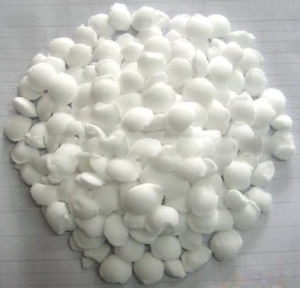
Maleic anhydride: A major industrial feedstock for producing resins, polymers and other chemical derivatives.
Fumaric acid: The trans-isomer of maleic acid, used in food processing, resin production and other applications.
Understanding these distinctions helps buyers identify the correct material for their manufacturing requirements and avoid specification errors during procurement.
Industrial Applications of Maleic Acid Across Major Sectors
Maleic acid supports a range of industrial activities, from manufacturing chemical intermediates to developing specialized formulations. Its commercial value depends on the application, required purity and processing conditions.
1. Chemical Intermediates and Derivative Production
One of the most important applications of maleic acid is its conversion into other commercially useful chemicals. Manufacturers use it in processes that produce fumaric acid, malic acid, esters and other organic compounds.
These derivatives serve different industries, including food processing, pharmaceuticals, specialty chemicals and industrial manufacturing.
Maleic acid also provides a starting material for producing glyoxylic acid through specialized chemical processes. This creates opportunities for businesses supplying intermediates to manufacturers operating across multiple chemical value chains.
2. Resin and Polymer Manufacturing
Maleic acid chemistry contributes to the production of polyester and alkyd resin systems. These materials support applications in coatings, construction products, automotive components and industrial surface treatments.
Maleic anhydride, which originates from closely related chemistry, plays a particularly significant role in unsaturated polyester resin manufacturing. These resins offer useful mechanical properties and support the production of fiberglass-reinforced components.
Industrial buyers should distinguish between maleic acid and maleic anhydride when evaluating resin-related procurement opportunities because manufacturers may require different feedstocks depending on their production processes.
3. Textile Processing and Finishing
Textile manufacturers use maleic acid in selected processing and finishing applications involving natural fibers such as cotton, wool and silk.
Its chemical properties support treatments that influence fabric performance, finishing characteristics and processing efficiency. Demand can emerge from textile processing facilities, specialty chemical formulators and suppliers of finishing agents.
For procurement teams, textile-related demand highlights the importance of consistent product quality and compatibility with established production formulations.

Maleic Acid Applications in Specialty Manufacturing
Beyond its established industrial uses, maleic acid creates opportunities in specialized chemical formulations where manufacturers require precise functionality and reliable performance.
Adhesives and Surface Treatment Products
Maleic acid chemistry can contribute to adhesion-promoting formulations used on different substrates, including metals and plastics.
These applications matter in manufacturing environments where bonding performance influences product durability and reliability. Adhesive formulators may use maleic-based chemistry to improve compatibility between materials with different surface properties.
Potential commercial opportunities include:
Industrial adhesive formulations for manufacturing and assembly.
Specialty bonding products for metal and plastic components.
Surface treatment solutions for selected industrial applications.
Chemical intermediates used in developing modified adhesive systems.
Pharmaceutical and Specialty Chemical Intermediates
Maleic acid can form maleate salts with certain pharmaceutical compounds. These salts may help manufacturers develop specific formulations with desired chemical and physical characteristics.
The pharmaceutical sector therefore creates specialized demand for intermediates that meet defined purity and quality requirements.
For suppliers, this segment may offer opportunities beyond high-volume commodity transactions. Buyers often prioritize consistent specifications, reliable documentation and dependable delivery schedules when sourcing materials for regulated manufacturing processes.
Global Demand Drivers and Market Opportunities
Maleic acid demand connects to several downstream industries rather than depending on a single end-use sector. This broad industrial relevance creates opportunities for chemical suppliers and distributors serving different manufacturing segments.
Growing demand for industrial materials
Construction, automotive manufacturing and infrastructure development support demand for resins, coatings and polymer-based materials. Maleic acid and its derivatives contribute to chemical value chains supplying these sectors.
Expansion of specialty chemical manufacturing
Manufacturers continue to develop functional intermediates and specialized formulations for industrial applications. Maleic acid can support these activities through its chemical reactivity and versatility.
Diversification of downstream applications
Textile finishing, adhesives, water treatment and pharmaceutical intermediates provide additional channels for demand. Suppliers with access to multiple customer industries may benefit from a broader commercial base.
Increasing focus on product quality
Specialty applications require greater attention to purity, consistency and technical specifications. This creates opportunities for suppliers capable of offering reliable quality documentation and product traceability.
For chemical traders, these drivers indicate that market opportunities depend not only on production volumes but also on the ability to serve customers with different technical requirements.
Key Factors Influencing Maleic Acid Procurement
Procurement decisions depend on several commercial and operational factors. Buyers need to evaluate these variables together rather than focusing exclusively on the quoted price.
Product specifications: Purity, moisture content, appearance and other technical parameters influence suitability for specific industrial processes.
Feedstock availability: Maleic acid production depends on upstream chemical availability, particularly maleic anhydride. Changes in upstream supply can influence production economics and market availability.
Energy and manufacturing costs: Energy-intensive chemical processing can affect supplier pricing, especially when production costs fluctuate across regions.
Transportation and logistics: Packaging, freight rates, handling requirements and delivery schedules influence the total landed cost.
Regional supply conditions: Production capacity, export availability and local demand can create differences between regional markets.
Contract terms: Payment conditions, order quantities and delivery commitments affect procurement flexibility and overall commercial risk.
Businesses that assess these factors systematically can improve purchasing decisions and respond more effectively to changing market conditions.
Supply Chain Challenges and Sourcing Considerations
Maleic acid procurement involves several supply chain considerations that can affect availability, pricing and operational continuity.
Supplier reliability and consistency
Buyers should evaluate suppliers based on their ability to deliver consistent product specifications and maintain dependable supply schedules. A competitive quotation alone does not establish long-term supplier suitability.
Quality documentation
Technical specifications, certificates of analysis and relevant safety documentation help procurement teams assess material suitability. Documentation requirements may vary depending on the industry and application.
Inventory management
Demand fluctuations across downstream industries can complicate inventory planning. Buyers should balance stock availability against storage costs, working capital requirements and anticipated consumption.
Logistics coordination
International sourcing requires coordination between suppliers, freight providers and receiving facilities. Clear communication regarding packaging, shipment schedules and documentation helps minimize delays.
Supplier diversification
Maintaining relationships with multiple qualified suppliers can reduce exposure to disruptions affecting a single source. Buyers should evaluate alternative supply routes while maintaining consistent quality requirements.
Regulatory Compliance and Responsible Chemical Handling
Chemical buyers must consider applicable regulatory requirements throughout procurement, transportation, storage and industrial use.
Maleic acid suppliers should provide relevant product information and safety documentation to support responsible handling and workplace procedures. Buyers should review the applicable safety data sheet and ensure that receiving facilities follow appropriate chemical management practices.
Important considerations include:
Compliance with applicable chemical registration and reporting requirements.
Accurate product identification and transport documentation.
Appropriate storage conditions and handling procedures.
Workplace training and protective measures based on the safety data sheet.
Compliance with destination-market requirements for imported chemicals.
For international buyers, regulatory requirements can differ across jurisdictions. Reviewing documentation before shipment helps reduce the likelihood of customs delays and compliance-related complications.
Market Outlook: Where Could New Opportunities Emerge?
Maleic acid opportunities will continue to depend on developments across its downstream chemical value chains. Manufacturers serving resin production, specialty chemicals and industrial formulations may create different demand patterns across regions.
Several developments deserve attention:
Industrial materials demand: Growth in construction, infrastructure and manufacturing can support demand for resin-related chemical intermediates.
Specialty formulations: Adhesives, surface treatments and industrial chemical formulations may provide additional opportunities for suppliers serving technically demanding applications.
Chemical value-chain integration: Businesses that connect upstream feedstocks with downstream manufacturers can improve sourcing efficiency and develop stronger customer relationships.
Regional supply diversification: Buyers increasingly evaluate alternative sourcing markets to manage supply continuity and reduce dependence on individual suppliers.
Rather than relying on a single demand indicator, traders should monitor downstream production activity, supplier capacity, import trends and customer purchasing patterns together.
What Procurement Teams Should Do Now
A structured sourcing strategy can help buyers manage maleic acid procurement while identifying opportunities across industrial markets.
Define technical requirements: Confirm the required grade, purity and specifications before requesting quotations.
Evaluate supplier capabilities: Review production or distribution capacity, documentation and delivery performance.
Compare total landed costs: Include freight, handling, packaging and other relevant charges in purchasing decisions.
Monitor downstream demand: Track developments in resin production, textiles and specialty chemical manufacturing.
Build alternative sourcing relationships: Identify qualified suppliers that can support continuity during market disruptions.
Plan inventory carefully: Align procurement volumes with production schedules and expected consumption.
Maintain clear communication: Confirm specifications, shipment timelines and commercial terms before finalizing orders.
A proactive approach allows procurement professionals to balance price competitiveness with reliability, quality and long-term supply security.
Turning Maleic Acid Demand Into Commercial Opportunities
Maleic acid remains a useful chemical intermediate across multiple industrial value chains. Its contribution to chemical synthesis, resin manufacturing, textile processing and specialty formulations creates opportunities for suppliers and buyers operating in diverse markets.
For chemical traders, success depends on understanding downstream requirements, identifying dependable supply sources and maintaining competitive procurement strategies. Buyers who combine technical knowledge with market awareness can make better sourcing decisions and strengthen their position in the global chemical trade.
Maleic Anhydride
SOURCE LINK: https://pubchem.ncbi.nlm.nih.gov/compound/444266
Found this useful?