Manganese Dioxide: Industrial Uses in Batteries and Chemical Production
Manganese dioxide is an important industrial chemical that connects two major manufacturing sectors: energy storage and chemical production. Its ability to participate in oxidation-reduction reactions makes it valuable in battery electrodes, industrial synthesis and several specialised manufacturing processes.
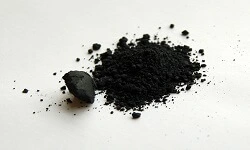
Manganese dioxide (MnO₂) is a dark brown to black inorganic compound that occurs naturally as the mineral pyrolusite. Manufacturers also produce synthetic grades with controlled chemical and physical properties to meet specific industrial requirements. Battery manufacturers, chemical processors and industrial buyers select different grades depending on purity, reactivity and performance expectations.
Demand for manganese dioxide reflects the growing importance of reliable battery technologies alongside established chemical manufacturing applications. Understanding its grades, applications and sourcing requirements helps procurement teams make better purchasing decisions.
What Is Manganese Dioxide and How Is It Produced?
Manganese dioxide is a manganese oxide in which manganese has an oxidation state of +4. Its chemical formula, MnO₂, describes a compound with strong oxidising properties that support several industrial reactions.
Natural manganese dioxide primarily comes from mined pyrolusite ore. Producers extract the ore, crush it and process it to achieve the required manganese dioxide content. Additional purification and physical treatment help remove unwanted minerals and improve its suitability for industrial applications.
Manufacturers also produce synthetic manganese dioxide through chemical and electrochemical processes. These methods allow greater control over product characteristics, particularly when customers require consistent electrochemical performance.
Three major commercial categories serve different industrial requirements:
Natural Manganese Dioxide (NMD): Extracted from mineral deposits and processed for industrial use. Selected battery-active grades serve traditional zinc-carbon batteries.
Chemical Manganese Dioxide (CMD): Produced through chemical reactions that create synthetic manganese dioxide with controlled characteristics. It serves battery manufacturing and industrial oxidation.
Electrolytic Manganese Dioxide (EMD): Manufactured through an electrochemical process, typically involving manganese sulfate solutions. It offers important electrochemical properties for battery applications.
The distinction between these grades matters because manufacturers cannot automatically substitute one type for another. Their crystal structures, impurity levels and electrochemical activity influence the performance of the final product.
Manganese Dioxide in Battery Manufacturing
Battery manufacturing represents one of the most important applications of manganese dioxide. The compound acts as a cathode material in several primary battery technologies, where its electrochemical behaviour supports the conversion of stored chemical energy into electrical energy.
Its established applications include:
Alkaline batteries: Manganese dioxide serves as the cathode's active material, supporting reliable power delivery in household batteries.
Zinc-carbon batteries: Natural and synthetic manganese dioxide grades participate in the electrochemical reactions that generate electricity.
Lithium-manganese dioxide batteries: MnO₂ functions as the cathode material in primary lithium batteries used in specialised electronic devices.
Advanced energy storage research: Researchers continue investigating manganese oxide materials for rechargeable battery systems and other electrochemical storage technologies.
The importance of electrolytic manganese dioxide
EMD holds particular importance in battery manufacturing because producers can engineer its properties for specific cell requirements. Battery performance depends on factors such as crystal structure, particle characteristics, chemical purity and electrochemical activity.
Manufacturers use battery-grade EMD in alkaline and other primary battery systems. Its consistent quality helps battery producers maintain predictable performance across production batches.
Manganese also contributes to lithium-ion battery supply chains, although buyers should distinguish between manganese dioxide and manganese sulfate. Manganese sulfate commonly serves as a precursor for certain lithium-ion cathode materials, rather than manganese dioxide acting as the direct cathode material in every manganese-based lithium-ion battery.
Chemical Production and Industrial Oxidation Applications
Beyond batteries, manganese dioxide supports several chemical manufacturing processes because of its ability to accept electrons and promote oxidation reactions. Chemical producers use it as an oxidising agent, a reaction intermediate and a starting material for manufacturing other manganese compounds.
Its industrial applications include:
1. Organic chemical synthesis
Chemical manufacturers use manganese dioxide in selected organic oxidation reactions. It can convert certain alcohols into corresponding carbonyl compounds, including aldehydes, under suitable reaction conditions.
This application makes it useful in the production of specialised chemical intermediates and fine chemicals. Reaction selectivity, particle characteristics and material purity influence its suitability for individual processes.
2. Manufacturing other manganese compounds
Manganese dioxide serves as a raw material in the production of several manganese-based chemicals. Manufacturers process it through suitable chemical reactions to obtain compounds used in industrial formulations and specialised applications.
Potassium permanganate is one important example of a manganese chemical produced through industrial processing routes involving manganese-bearing raw materials. Other manganese compounds also serve applications in agriculture, ceramics and chemical manufacturing.
3. Metallurgical processing
Certain metallurgical operations use manganese dioxide as an oxidising material. It can support selected processes involving metal extraction and ore treatment, including applications in hydrometallurgy.
Its suitability depends on the chemistry of the ore, process conditions and the required reaction outcome.
4. Industrial catalysts and chemical formulations
Manganese oxide materials also appear in catalytic applications. Their oxidation-reduction properties support selected reactions involving pollutants and other chemical substances.
The specific manganese oxide composition matters because catalytic performance varies with material structure, surface properties and preparation methods.
Additional Industrial Uses Across Manufacturing Sectors
Manganese dioxide serves several specialised applications outside battery production and chemical synthesis. Its oxidising properties, colour characteristics and ability to participate in industrial reactions make it useful in different manufacturing environments.
Glass and ceramics manufacturing
Glass manufacturers use manganese dioxide in selected formulations to influence colour and manage unwanted greenish tones associated with iron impurities. It also contributes to the production of coloured glass, including amethyst shades.
Ceramic manufacturers use manganese compounds in glazes and colour formulations. The required grade and concentration depend on the desired appearance and processing conditions.
Water and environmental treatment
Manganese-based materials participate in oxidation processes used in water treatment. Certain manganese oxide media help remove dissolved iron and manganese from water through oxidation and filtration mechanisms.
These applications require suitable media specifications and operating conditions to achieve effective treatment.
Paints, pigments and specialised products
Manganese dioxide and related manganese compounds have applications in selected pigment and coating formulations. Manufacturers may also use manganese compounds in specialised drying agents and other industrial preparations.
The precise compound matters because manganese dioxide does not perform the same function as every other manganese-based chemical.
What Determines Manganese Dioxide Quality?
Industrial buyers should evaluate manganese dioxide according to its intended application rather than relying on a single purity specification. A material suitable for general chemical processing may not satisfy the electrochemical requirements of a battery manufacturer.
Several technical characteristics influence purchasing decisions:
MnO₂ content: The concentration of manganese dioxide helps determine whether the material meets the chemical requirements of its intended process.
Impurity profile: Iron, silica, aluminium and other unwanted substances can affect product performance and process consistency.
Particle size distribution: Particle dimensions influence handling, mixing, reaction behaviour and electrode preparation.
Moisture content: Excess moisture can affect storage stability, formulation accuracy and processing performance.
Crystal structure: Different structures influence electrochemical activity and suitability for specific battery applications.
Bulk density: This property affects storage, transportation and material handling, particularly for powder-based manufacturing processes.
Battery manufacturers should place particular emphasis on electrochemical performance and consistency. Chemical processors may prioritise oxidation capacity, purity and compatibility with their reaction systems.
A supplier's technical data sheet and certificate of analysis help buyers compare specifications before approving a shipment.
Supply Chain and Procurement Challenges
Manganese dioxide procurement requires attention to raw material availability, manufacturing capacity, processing quality and international logistics. These factors can influence supply continuity and the delivered cost of the material.
The market includes natural ore processors and synthetic manganese dioxide manufacturers. Their production methods and product specifications differ, so buyers should identify suppliers that specialise in the grade required for their operations.
Several procurement factors deserve attention:
Raw material availability: Natural manganese dioxide production depends on the availability and quality of manganese ore. Changes in mining output and processing conditions can influence supply.
Energy and processing costs: Synthetic and electrolytic grades require additional manufacturing steps. Energy consumption, chemical inputs and production capacity can affect their overall cost.
International logistics: Powdered chemical shipments require suitable packaging, moisture protection and careful handling. Port congestion, freight costs and customs procedures can also influence delivery schedules.
Supplier consistency: Differences between production batches can create problems for battery and chemical manufacturers. Buyers should evaluate a supplier's quality control procedures and ability to maintain agreed specifications.
For international buyers, comparing suppliers solely on quoted prices can create unnecessary procurement risks. A competitive offer should also account for product grade, technical compliance, packaging, delivery terms and shipment reliability.
Safe Handling, Storage and Regulatory Considerations
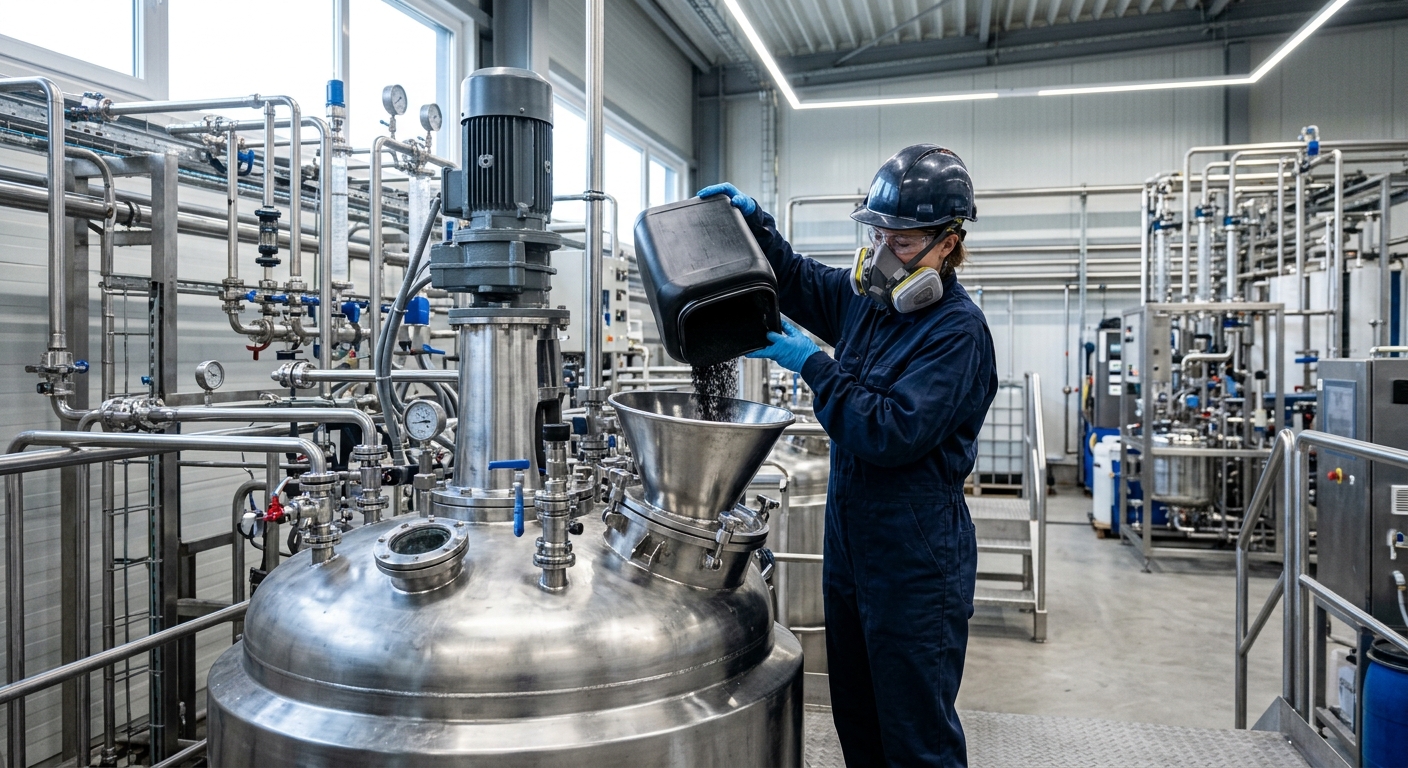
Manganese dioxide requires appropriate industrial handling procedures, particularly when workers handle fine powders during weighing, mixing and processing. Airborne dust can create inhalation exposure, making suitable ventilation and dust-control measures important.
Manufacturing facilities should establish handling procedures based on the product's safety data sheet and applicable occupational requirements.
Key precautions include:
Use appropriate respiratory protection where workplace exposure assessments require it.
Provide suitable ventilation and dust extraction in powder-handling areas.
Wear protective gloves, eye protection and suitable work clothing.
Store material in closed, clearly identified containers in a dry and well-ventilated area.
Prevent unnecessary dust generation during transfer and packaging operations.
Follow applicable procedures for chemical spills, waste disposal and transportation.
International shipments also require appropriate documentation. Buyers should request a current safety data sheet, certificate of analysis and relevant transport documentation before dispatch.
Importers should review destination-country chemical regulations, customs classification requirements and applicable workplace safety standards. Proper documentation helps reduce clearance delays and supports responsible chemical handling throughout the supply chain.
What Buyers Should Consider When Sourcing Manganese Dioxide
Selecting the right manganese dioxide supplier requires a clear understanding of production requirements and the intended application. Procurement managers should establish technical specifications before requesting quotations to avoid comparing products that serve different purposes.
A practical sourcing process should cover the following points:
Define the application: Specify whether the material will serve battery production, chemical oxidation, glass manufacturing or another industrial process.
Select the appropriate grade: Identify whether natural, chemical or electrolytic manganese dioxide meets the application requirements.
Establish quality parameters: Set acceptable limits for MnO₂ content, moisture, particle size and relevant impurities.
Request technical documents: Review the certificate of analysis, technical data sheet and safety data sheet.
Evaluate supplier capability: Assess production consistency, available quantities, packaging standards and export experience.
Compare commercial terms: Review minimum order quantities, payment conditions, shipping arrangements and delivery timelines.
Buyers should also consider whether a supplier can support repeat orders with consistent specifications. This becomes particularly important for manufacturers operating continuous production lines or supplying products under strict quality requirements.
Market Outlook and Opportunities for Industrial Buyers
Manganese dioxide remains relevant to established battery manufacturing and chemical processing markets. Demand from alkaline batteries, zinc-carbon cells and specialised primary lithium batteries continues to support its industrial importance.
Developments in energy storage also create opportunities for manganese-based materials. Research into rechargeable batteries and alternative electrode chemistries is expanding interest in manganese compounds, although individual technologies require different material specifications and processing routes.
Chemical production provides another established demand channel. Organic synthesis, oxidation processes and the manufacture of other manganese chemicals continue to create industrial applications beyond energy storage.
For procurement teams, these developments highlight the importance of maintaining access to reliable suppliers. Buyers who understand grade differences, monitor production requirements and evaluate technical documentation can make more informed sourcing decisions.
Making Better Manganese Dioxide Purchasing Decisions
Manganese dioxide serves a diverse industrial market, from battery cathodes to chemical oxidation and specialised manufacturing applications. Its value comes from its chemical reactivity and the ability of manufacturers to produce different grades for specific processing requirements.
For chemical traders, importers and industrial buyers, successful procurement depends on matching material specifications with the intended application. Evaluating purity, particle characteristics, electrochemical performance, documentation and supplier reliability helps reduce quality risks and support long-term purchasing strategies.
Ready to source Manganese Dioxide from verified global suppliers? Explore competitive offers on our platform today.
Sources:
Australian Department of Climate Change, Energy, the Environment and Water: Manganese & Compounds.
International Manganese Institute: Manganese and Batteries.
Manganese Dioxide
Found this useful?