Mango Materials' Methane Utilization Model Offers Lessons for Agricultural Waste Valorization
Mango Materials' Methane Utilization Model Offers Lessons for Agricultural Waste Valorization
Introduction
Agricultural waste is increasingly being viewed not simply as a disposal challenge, but as a potential feedstock for higher-value products. Crop residues, manure, food-processing waste and other organic materials can generate methane through anaerobic digestion, creating an opportunity to capture carbon that might otherwise be released as a greenhouse gas.
The model developed by Mango Materials provides an interesting example of this approach. Rather than using waste-derived methane only for combustion or conventional energy generation, the company uses microbial fermentation to convert methane into polyhydroxyalkanoate (PHA), a biodegradable biopolymer. Its process is designed around a circular model in which waste methane becomes a feedstock for manufacturing.
For agricultural markets, the broader lesson is significant: waste streams can potentially become industrial raw materials when the right biological conversion technology, infrastructure and end market are available.
From Waste Methane to Higher-Value Products
Mango Materials' technology uses methane-consuming microorganisms to produce PHA. The company's stated process moves from methane emissions to microbial conversion, PHA production and ultimately biodegradable products.
The model is particularly relevant because methane can originate from several waste-management systems, including wastewater treatment and anaerobic digestion. Mango Materials has also worked on integrating its technology with wastewater facilities and developing decentralized manufacturing models.
This represents a different approach to waste utilization.
A conventional model may follow:
Organic waste → anaerobic digestion → biogas → combustion → energy
A higher-value biomanufacturing model can instead follow:
Organic waste → anaerobic digestion → methane → microbial fermentation → PHA → biodegradable materials
The second pathway attempts to turn a waste-derived gas into a manufactured product rather than treating the gas primarily as an energy source.
Why This Matters for Agricultural Waste
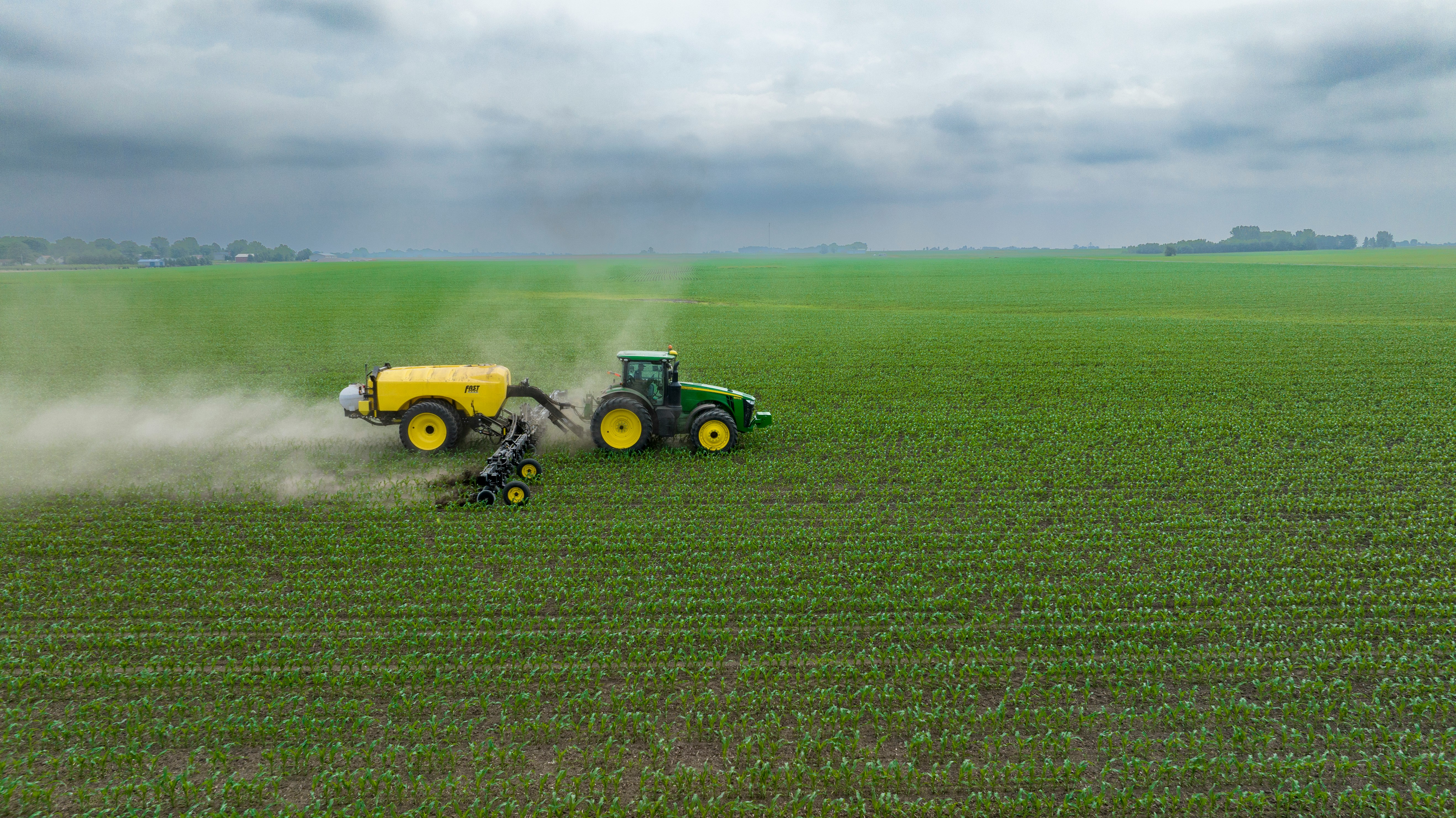
Agriculture generates large volumes of organic residues, including manure, crop-processing residues and other biodegradable materials. Anaerobic digestion can convert suitable organic feedstocks into biogas, which typically contains methane and carbon dioxide.
This creates several potential value chains.
For example:
Agricultural waste → biogas → methane → biological conversion → chemicals/materials
Potential products could include biopolymers, organic acids, microbial biomass, specialty chemicals or other fermentation-derived materials.
The key lesson from Mango Materials is therefore not necessarily that every agricultural waste stream should be converted into PHA. Instead, it demonstrates the importance of matching a waste stream with a high-value biological conversion pathway.
Moving Beyond Energy-Only Valorization
Energy generation remains an important application for biogas. However, the economics of waste utilization can change when the output is a higher-value material.
Research associated with Mango Materials' technology previously evaluated integration with water resource recovery facilities and found that biopolymer production could offer an economic advantage over certain conventional uses of biogas under the studied conditions.
This illustrates an important principle for agricultural waste markets:
The highest-value use of a waste stream may not always be energy production.
If a waste-derived carbon source can serve as a feedstock for manufacturing, its value may depend on the price of the resulting product, conversion efficiency, infrastructure requirements, carbon benefits and availability of alternative feedstocks.
Opportunities for Agricultural Waste Valorization
The Mango Materials model could encourage agricultural and chemical companies to investigate several related pathways.
1. Manure-to-Biogas-to-Products
Livestock manure can be processed through anaerobic digestion to generate biogas. Instead of using all recovered methane for electricity or heat, part of the gas could potentially become a feedstock for microbial or chemical conversion.
2. Crop Residue Conversion
Crop residues such as straw and processing by-products contain carbon that can potentially be converted into sugars, organic acids, gases or other intermediates.
Depending on the feedstock and pretreatment process, these intermediates could enter fermentation or biochemical manufacturing pathways.
3. Food and Agro-Processing Waste
Wastewater and organic residues from food-processing facilities can provide concentrated feedstocks for anaerobic digestion. Co-locating conversion technologies near these waste sources could reduce transportation requirements and improve resource efficiency.
4. Distributed Manufacturing
Mango Materials has been developing a decentralized manufacturing concept in which waste methane can be converted near its source rather than transported long distances. A similar model could be relevant to agricultural regions where organic waste is geographically dispersed.
Implications for Chemical and Agricultural Supply Chains
Waste valorization could eventually create a new category of agricultural feedstocks.
Instead of procurement teams sourcing only conventional petrochemical or agricultural raw materials, future supply chains could include:
Waste-derived methane
Agricultural residues
Biogas
Fermentation intermediates
Bio-based organic acids
Biopolymers
Microbial products
Bio-based formulation ingredients
This would require new supplier-evaluation criteria.
Companies would need to examine feedstock consistency, methane concentration, contamination, seasonal availability, processing costs, logistics, conversion yield, product quality and certification requirements.
For a chemical marketplace, this creates another potential layer of market intelligence. Platforms could connect waste producers with manufacturers looking for alternative carbon feedstocks, while tracking availability, location, specifications, processing requirements and delivered cost.
The Importance of Infrastructure
One of the biggest challenges is that agricultural waste is often geographically dispersed.
A centralized manufacturing facility may have access to large amounts of feedstock but face high transportation costs. A distributed model can reduce transportation distances but requires smaller processing facilities and reliable local infrastructure.
The commercial question therefore becomes:
Where should waste conversion occur?
Potential answers include:
At farms or livestock operations
At anaerobic digestion facilities
At agricultural-processing plants
At wastewater facilities
At regional industrial hubs
Through distributed modular biomanufacturing units
The optimal structure will depend on feedstock density, product value, energy requirements and local infrastructure.
Procurement and Market Intelligence Implications
For agricultural and chemical procurement teams, waste valorization creates a need to monitor more than conventional commodity prices.
Relevant indicators could include:
Feedstock availability: How much agricultural waste is generated in a region?
Biogas capacity: How many anaerobic digestion facilities are operating or planned?
Methane quality: Is the gas suitable for downstream biological conversion?
Technology maturity: Is the conversion process commercial, demonstration-scale or laboratory-stage?
Product economics: Does the resulting material compete with petroleum-derived alternatives?
Logistics: Can waste or biogas be economically transported?
Carbon value: Can methane utilization generate additional environmental or carbon-related value?
Offtake demand: Are manufacturers willing to purchase the resulting bio-based material?
These factors can determine whether a waste-to-product project becomes commercially viable.
Challenges to Commercial Scale
The concept is promising, but agricultural waste valorization faces several challenges.
Feedstock quality can vary considerably by season, geography and agricultural practice. Contaminants can also affect anaerobic digestion and downstream processing.
Biological conversion processes must achieve sufficient productivity and reliability to compete with established chemical manufacturing.
Infrastructure represents another barrier. A promising conversion technology may still struggle if waste collection, gas purification, storage or transportation is expensive.
Finally, the end product must have a sufficiently strong market. Producing a bio-based material is not enough; manufacturers need consistent quality, competitive economics and reliable supply.
Outlook
Mango Materials' methane-to-PHA model demonstrates how the bioeconomy can change the way waste is viewed. Methane generated from waste can be treated not only as an emissions problem or energy source, but potentially as a carbon feedstock for manufacturing.
For agriculture, the broader opportunity lies in developing similar pathways for manure, crop residues, food-processing waste and other organic streams.
The most promising projects are likely to be those that combine low-cost local feedstocks, efficient biological conversion, distributed infrastructure and a high-value end product.
As agricultural waste management becomes increasingly connected with carbon reduction, circular manufacturing and bio-based chemicals, waste streams could become a more important part of industrial feedstock strategies.
Conclusion
Mango Materials' methane utilization model offers an important lesson for agricultural waste valorization: the objective should not always be to dispose of waste or simply recover its energy, but to identify whether its carbon can be converted into a higher-value product.
The methane-to-PHA pathway illustrates one possible model, while agriculture could support a broader portfolio of waste-to-chemical, waste-to-material and waste-to-bioproduct pathways.
For chemical marketplaces and procurement teams, this emerging area could create new opportunities to track waste-derived feedstocks, regional biogas capacity, conversion technologies, supplier capabilities and alternative raw-material economics. Over time, agricultural waste could shift from being primarily a disposal cost into a strategic source of industrial carbon.
Aspartame (E951)
Found this useful?