MDI Demand Growth Set to Outpace Capacity Additions, Covestro Warns
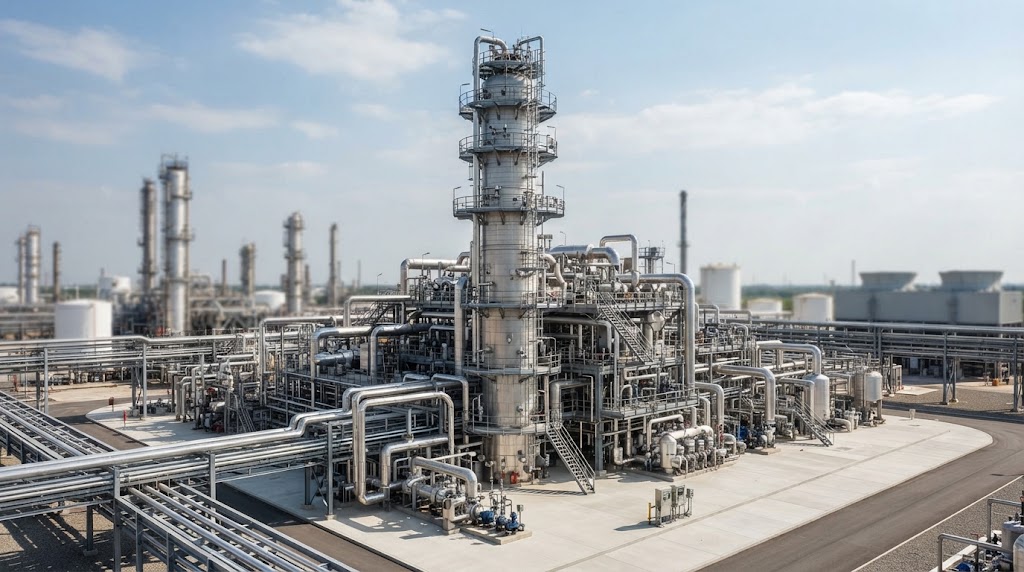
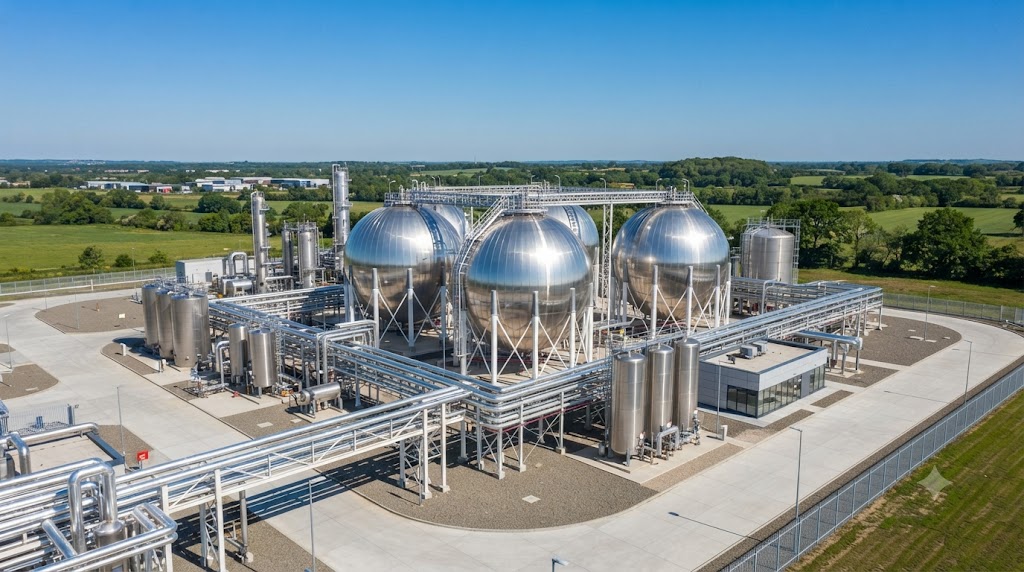
Covestro recently issued a critical market warning regarding the global methylene diphenyl diisocyanate (MDI) sector. Long-term demand growth will consistently outpace new capacity additions across the industry. This structural imbalance creates immediate sourcing challenges for procurement managers and chemical traders. Buyers must secure reliable large-scale supply chains in Asia and the Middle East to maintain operational continuity.
The polyurethane industry relies heavily on this essential isocyanate for rigid foams, flexible foams and advanced coatings. A persistent supply deficit will fundamentally alter global trading dynamics. Procurement teams must adapt their sourcing strategies immediately to avoid production disruptions.
Understanding the MDI Supply and Demand Imbalance
Global construction and automotive sectors drive robust MDI consumption worldwide. Energy efficiency regulations mandate superior building insulation, directly increasing rigid foam demand.
However, new manufacturing capacity fails to match this accelerating consumption rate. Building world-scale MDI plants requires massive capital expenditure and complex regulatory approvals. Major chemical producers are prioritizing margin optimization over aggressive volume expansion.
This conservative capital allocation leaves a widening gap between market demand and available supply. Buyers should anticipate prolonged periods of tight inventory and elevated spot pricing. The market will increasingly favor established suppliers with proven operational reliability.
Strategic Importance of Asian and Middle Eastern Supply Hubs
Covestro explicitly highlighted Asia and the Middle East as critical regions for future supply stability. These geographic areas possess distinct structural advantages for large-scale chemical manufacturing.
The Middle East offers abundant and cost-competitive hydrocarbon feedstocks. This raw material advantage supports highly efficient and scalable production facilities. Asian markets combine massive local consumption with advanced manufacturing infrastructure.
Regional producers continuously upgrade their facilities to meet stringent international quality standards. Sourcing from these hubs provides buyers with dual benefits. Companies secure competitive pricing while accessing high-volume production capabilities essential for long-term contracts.
Key Price Drivers in a Constrained MDI Market
Procurement professionals must monitor several macroeconomic factors influencing MDI valuations.
Feedstock volatility: Fluctuations in benzene and aniline prices directly impact production costs. Suppliers will pass these raw material increases downstream to buyers.
Logistics constraints: Global shipping bottlenecks increase freight costs for exported chemical volumes. Limited vessel availability extends lead times and inflates landed costs.
Geopolitical tensions: Trade policies and regional conflicts disrupt established supply routes. Buyers must account for potential tariffs or sudden export restrictions in their budgeting.
Energy costs: MDI production remains highly energy-intensive. Regional variations in industrial electricity and natural gas prices create significant cost disparities between manufacturing sites.
Procurement Risks in a Tightening Chemical Market
A supply deficit inherently increases operational risks for downstream manufacturers. Procurement teams must proactively identify and mitigate these vulnerabilities.
Suppliers may enforce strict allocation protocols during periods of extreme tightness. Buyers without long-term commitments risk sudden volume reductions or complete order cancellations. Force majeure declarations become more frequent when facilities operate at maximum capacity.
Any unplanned maintenance event can trigger immediate market shortages. Quality consistency may also face pressure as producers maximize throughput. Rigorous incoming inspection protocols are essential to prevent defective batches from disrupting final product manufacturing.
Navigating Long-Term Contracting for Polyurethane Precursors
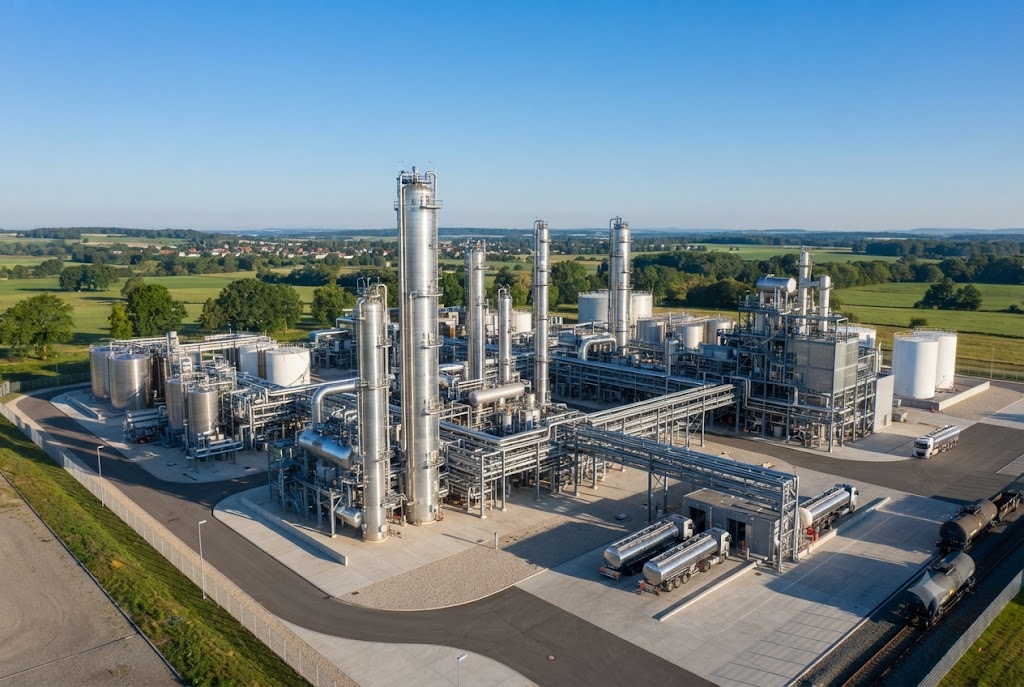
Securing multi-year agreements is the most effective defense against market volatility. Long-term contracts provide suppliers with the revenue visibility needed to justify operational investments.
Buyers should negotiate flexible volume bands rather than rigid fixed quantities. This flexibility accommodates seasonal demand fluctuations without triggering penalty clauses. Index-based pricing mechanisms offer fair market adjustments for both parties.
Linking contract prices to recognized raw material indices prevents extreme margin compression for suppliers and cost spikes for buyers. Regular business reviews ensure both parties remain aligned on market conditions. Transparent communication fosters trust and prioritizes your company during inevitable supply crunches.
The Role of Sustainability in MDI Sourcing
Environmental regulations increasingly influence chemical procurement decisions globally. Buyers now demand transparent carbon footprint data from their isocyanate suppliers.
Producers investing in renewable energy and carbon capture technologies gain a distinct market advantage. Sourcing from these facilities helps downstream manufacturers meet their own Scope 3 emission targets.
Sustainability certifications are becoming mandatory for participation in major corporate supply chains. Procurement teams must verify these credentials through independent third-party audits. Relying on unverified green claims introduces significant reputational and compliance risks.
Alternative Sourcing and Supply Chain Diversification
Relying on a single geographic region or supplier introduces unacceptable risk. Diversification remains the cornerstone of modern chemical procurement strategy.
Evaluate secondary suppliers in emerging chemical manufacturing hubs. Countries with growing petrochemical sectors often offer competitive terms to capture new market share. Consider nearshoring opportunities to reduce transportation lead times.
Regional suppliers may offer slightly higher base prices but deliver superior reliability and lower total landed costs. Maintain strategic safety stock for critical MDI grades. Adequate inventory buffers protect your production lines from short-term logistical disruptions or sudden supplier outages.
What Buyers Should Do Now
Chemical procurement teams must execute immediate strategic reviews of their polyurethane supply chains. The window for securing favorable long-term agreements is closing rapidly.
Audit your current supplier portfolio to identify single points of failure. Engage alternative vendors in Asia and the Middle East to build redundant supply pathways. Update internal forecasting models to reflect sustained market tightness.
Budget for higher baseline material costs and allocate resources for enhanced quality control measures. Collaborate closely with your internal R&D teams to explore formulation optimizations. Reducing MDI consumption per unit of final product directly mitigates supply chain exposure.
Ready to source MDI from verified global suppliers? Explore competitive offers on our platform today.
Propylene Oxide
Found this useful?