
Micronutrient Fertilizers: Demand for Zinc, Boron and Iron-Based Products
Agricultural productivity depends on more than the availability of nitrogen, phosphorus and potassium. Crops also require smaller quantities of essential elements to support enzyme activity, chlorophyll production, root development and reproductive growth. Micronutrient fertilizers are gaining commercial importance as farmers increasingly recognise the impact of nutrient deficiencies on crop performance.
Among the most commercially significant products are zinc, boron and iron-based fertilizers. These nutrients perform different biological functions, making them important components of balanced crop nutrition programmes across cereals, oilseeds, fruits and vegetables.
For fertilizer manufacturers, chemical traders, importers and agricultural distributors, this demand creates opportunities in specialised nutrient products. Understanding product specifications, agricultural applications and regional requirements can help buyers identify suitable suppliers and develop more competitive sourcing strategies.
What Are Micronutrient Fertilizers and Why Do Crops Need Them?
Micronutrient fertilizers supply essential elements that plants require in relatively small quantities. Although crops consume these nutrients in much lower amounts than primary nutrients, deficiencies can affect important physiological processes and limit agricultural productivity.
The main agricultural micronutrients include zinc, boron, iron, manganese, copper and molybdenum. Each performs specific functions within plant development and metabolism.
Micronutrient deficiencies can occur because of several factors:
Soil composition: Certain soil types naturally contain limited quantities of plant-available micronutrients.
Soil pH: Alkaline or acidic conditions can influence nutrient solubility and availability to plant roots.
Intensive cultivation: Repeated crop production can gradually remove nutrients from agricultural soils.
Organic matter levels: Changes in soil organic matter can influence nutrient availability and soil biological activity.
Imbalanced fertilization: Heavy reliance on primary fertilizers without appropriate micronutrient management can contribute to nutrient imbalances.
Micronutrient fertilizers help address these problems by supplying specific elements through soil application, foliar spraying or fertigation. Their selection should depend on soil testing, crop requirements and the severity of the identified deficiency.
Zinc-Based Fertilizers: Supporting Crop Growth and Productivity
Zinc is an essential micronutrient involved in enzyme activity, protein synthesis, growth regulation and several important plant metabolic processes. It contributes to healthy plant development and supports the formation of new tissues.
Zinc deficiency can cause stunted growth, shortened internodes, reduced leaf development and lower crop productivity. Cereals such as wheat and rice are particularly important markets for zinc-based agricultural fertilizers.
Common zinc fertilizer products include:
Zinc sulphate: A widely used inorganic zinc source available in different commercial grades and hydration forms.
Zinc oxide: A concentrated zinc source used in selected fertilizer formulations and soil applications.
Zinc chelates: Specialised formulations designed to improve zinc availability under certain soil and application conditions.
Liquid zinc fertilizers: Formulations suitable for selected foliar and fertigation applications.
Zinc sulphate has an established position in agricultural micronutrient supply chains because manufacturers and distributors can offer it in different forms and concentrations.
For buyers, important purchasing considerations include zinc content, solubility, moisture levels, particle characteristics and product purity. These specifications influence handling, formulation compatibility and application performance.
Boron-Based Fertilizers: Importance in Flowering and Fruit Development
Boron plays an important role in cell wall formation, carbohydrate transport, pollen development and reproductive growth. It is particularly important during flowering, pollination and fruit formation.
Boron deficiency can affect flowering, fruit set and the development of growing tissues. Its effects can become commercially significant in crops where fruit quality and seed production directly influence agricultural returns.
Important boron-based fertilizer products include:
Boric acid: A commonly used boron source in specialised agricultural formulations.
Borax: A sodium borate product used in agricultural and industrial applications.
Soluble boron fertilizers: Formulations designed for specific soil, foliar or fertigation requirements.
Boron chelates: Specialised products developed to provide boron in selected formulation systems.
Boron management requires particular attention because the difference between insufficient and excessive application can be relatively narrow for sensitive crops. Buyers and distributors should therefore consider recommended application rates and crop-specific requirements when selecting products.
Oilseeds, fruits, vegetables and other high-value crops provide important commercial applications for boron-based fertilizers.
Iron-Based Fertilizers: Improving Chlorophyll Formation and Plant Health
Iron is essential for chlorophyll formation, photosynthesis and several enzymatic processes involved in plant metabolism. Although iron does not form part of the chlorophyll molecule itself, it supports the biological processes required for chlorophyll production.
Iron deficiency commonly appears as interveinal chlorosis, particularly in younger leaves. The condition can affect crop development and reduce productivity when plants cannot access sufficient available iron.
Iron-based fertilizers include several commercial forms:
Ferrous sulphate: An inorganic iron source used in agricultural applications and selected fertilizer formulations.
Iron chelates: Formulations designed to maintain iron availability under specific soil and growing conditions.
Iron EDTA: A chelated iron product used in selected liquid fertilizers, foliar applications and fertigation programmes.
Iron DTPA and EDDHA: Chelated iron sources selected according to soil conditions and nutrient availability requirements.
Iron availability can become particularly challenging in alkaline and calcareous soils. In such conditions, certain chelated formulations may offer advantages over conventional inorganic iron sources.
For procurement teams, the choice between ferrous sulphate and chelated iron should reflect the intended application, soil pH, product concentration and overall agricultural requirements.

Global Demand and Market Opportunities for Micronutrient Fertilizers
The agricultural micronutrients market is expanding as farming businesses increasingly focus on balanced crop nutrition, soil fertility management and improved nutrient-use efficiency.
According to Grand View Research, the global agricultural micronutrients market was valued at approximately USD 5.7 billion in 2025. The report projects growth from USD 6.0 billion in 2026 to USD 10.1 billion by 2033, representing a compound annual growth rate of 7.6%.
The zinc segment accounted for 42.6% of market revenue in 2025, highlighting its significant commercial position. Chelated micronutrients represented 56.7% of the market, while soil application accounted for 43.3%.
Asia Pacific represented 45% of global market revenue in 2025, making it an important region for manufacturers and international agricultural input suppliers.
Several factors are supporting commercial demand:
Soil nutrient deficiencies: Farmers increasingly recognise the importance of correcting micronutrient deficiencies to support crop productivity.
High-value crop production: Fruits, vegetables and oilseeds require appropriate micronutrient management to maintain crop quality and development.
Precision agriculture: Soil testing and targeted fertilizer application encourage demand for specialised nutrient formulations.
Fertilizer diversification: Agricultural distributors are expanding their portfolios beyond conventional NPK products.
Advanced formulations: Chelated micronutrients and liquid fertilizer products provide additional opportunities for manufacturers.
For international traders, these developments create opportunities to supply zinc, boron and iron-based products to agricultural distributors and commercial fertilizer manufacturers.
Applications Across Major Agricultural Industries
Micronutrient fertilizers serve several agricultural sectors, although the specific nutrient requirements differ according to crop type and growing conditions.
Cereal and grain production: Wheat, rice and maize producers use micronutrient management programmes to address deficiencies that can affect plant development and grain production. Zinc is particularly important in cereal-based agricultural systems.
Oilseeds and pulses: Crops such as soybean, sunflower and other oilseeds require balanced micronutrient nutrition. Boron supports reproductive development, while zinc and iron contribute to essential plant functions.
Fruit and vegetable cultivation: Commercial growers require appropriate micronutrient availability to support flowering, fruit development, plant health and crop quality. Boron and iron can be particularly relevant in selected production systems.
Greenhouse agriculture: Controlled growing environments often use liquid micronutrient formulations and fertigation systems. Chelated products can support nutrient management where water quality and growing media influence nutrient availability.
Commercial nurseries: Plant nurseries use specialised fertilizer formulations to maintain healthy root development and foliage. Product selection depends on plant species, growing media and cultivation practices.
Procurement Challenges and Quality Requirements
Micronutrient fertilizers require careful supplier evaluation because differences in chemical composition, solubility and formulation can influence their agricultural suitability.
Procurement teams should examine several technical and commercial factors before placing bulk orders.
Nutrient concentration: Confirm the guaranteed percentage of zinc, boron or iron in the product.
Chemical composition: Review the chemical form and hydration state because these characteristics influence product properties and handling.
Solubility: Check whether the product meets the requirements of its intended application, particularly for foliar spraying and fertigation.
Purity and contaminants: Request appropriate specifications and quality documentation to assess product suitability.
Packaging: Ensure packaging protects the material against moisture and contamination during storage and transportation.
Batch consistency: Reliable manufacturers should maintain consistent nutrient concentrations and physical characteristics across production batches.
Technical documentation: Buyers should request certificates of analysis, product specifications and relevant safety documentation.
International traders should also evaluate supplier production capacity, export experience, shipping arrangements and delivery reliability.
A competitive quotation should not be the only purchasing consideration. Product quality, technical suitability and dependable supply can have a greater impact on long-term procurement value.
The Growing Importance of Chelated and Specialised Micronutrients
The agricultural fertilizer industry is increasingly developing specialised formulations to improve nutrient availability under different soil and application conditions.
Chelation involves binding a metal nutrient to an organic molecule or ligand. This can help maintain the nutrient in a more available form under particular chemical conditions.
Chelated zinc and iron products are commercially relevant where conventional inorganic nutrient sources may face availability limitations. However, performance depends on the specific chelating agent, soil conditions and intended application.
Manufacturers are also developing liquid blends, multi-micronutrient formulations and products suitable for fertigation. These formulations provide opportunities for businesses seeking differentiated products rather than competing exclusively in standard inorganic fertilizer categories.
For distributors, offering both conventional sulphate products and specialised chelated formulations can help serve customers with different agricultural requirements and purchasing budgets.
What Agricultural Buyers and Suppliers Should Prioritise
The growing market for zinc, boron and iron-based fertilizers creates opportunities across agricultural manufacturing, international trading and fertilizer distribution.
Buyers should begin by identifying the nutrient requirements of their target agricultural markets. Soil conditions, crop types and application methods can help determine which products offer the strongest commercial potential.
They should then compare suppliers using technical specifications rather than price alone. Nutrient concentration, solubility, chemical form, purity and consistent availability should form the basis of purchasing decisions.
For manufacturers and distributors, the most promising opportunities include expanding zinc sulphate production, developing specialised boron formulations, supplying iron chelates and building relationships with commercial agricultural distributors.
Micronutrient fertilizers will continue to play an important role in balanced crop nutrition as agricultural businesses focus on productivity, soil management and more targeted fertilizer applications. Companies that combine reliable sourcing with technical product knowledge can strengthen their position in this specialised agricultural input market.
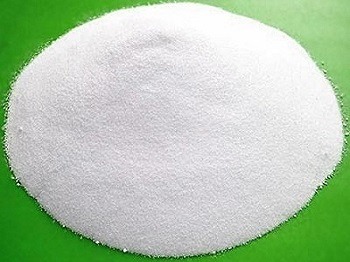
Zinc Sulphate Monohydrate
Found this useful?