A new microporous membrane technology enables energy-efficient chemical separations relevant to circular economy goals around reducing the energy intensity of purification and recycling. Industrial separation processes currently consume vast amounts of energy globally, often relying on thermal methods like distillation that require significant heat input. This innovation offers a pathway to reduce that burden through physical filtration mechanisms that operate at lower temperatures and pressures. For procurement teams managing solvents, polymers and separation processes, this innovation signals potential operational cost savings and sustainability compliance advantages.
The technology addresses a critical bottleneck in chemical manufacturing where purification steps often account for the majority of total energy consumption. Adopting membrane-based separations allows facilities to lower utility costs while meeting increasingly strict carbon reduction targets. Buyers sourcing chemicals produced using these methods may see shifts in pricing structures and supply security as producers upgrade infrastructure. Understanding the implications helps procurement organizations position themselves for evolving production landscapes.
The Energy Cost of Chemical Separations
Chemical separations represent one of the largest energy demands in industrial processing across petrochemicals, pharmaceuticals and specialty chemicals. Traditional thermal separation methods like distillation rely on phase changes that require substantial heat input to vaporize and condense components. This process consumes fossil fuels or electricity at scales that significantly impact operational budgets and carbon footprints.
Industry estimates suggest separations account for up to 15% of total industrial energy consumption in developed nations. Reducing this intensity offers one of the most effective levers for improving overall manufacturing sustainability. Microporous membranes provide an alternative that separates molecules based on size and affinity rather than boiling points.
This shift from thermal to physical separation reduces energy requirements dramatically in suitable applications. Procurement teams should recognize that suppliers adopting this technology may gain competitive cost advantages over time. Lower energy inputs translate directly to lower variable production costs that can influence pricing negotiations.
How Microporous Membrane Technology Works
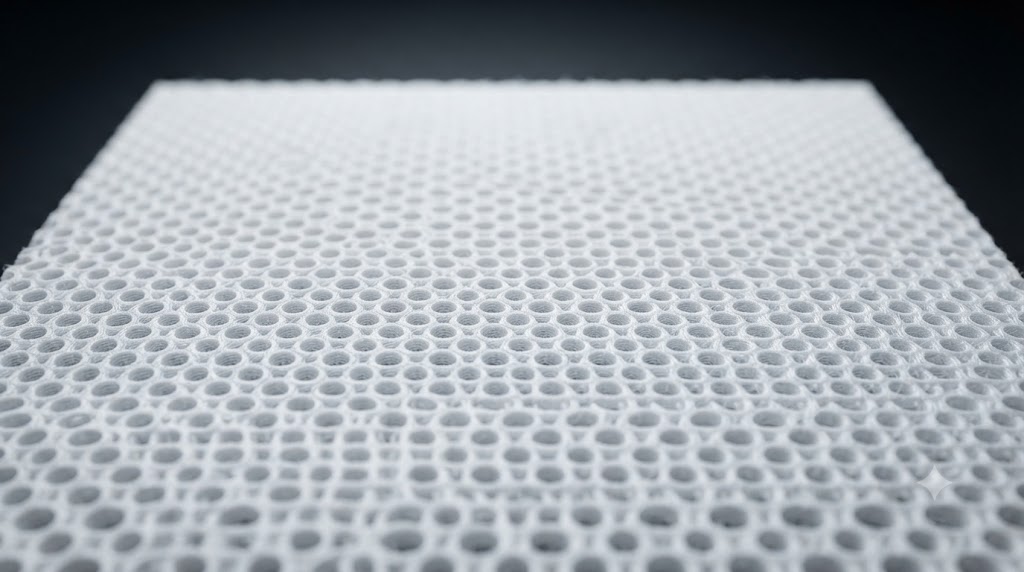
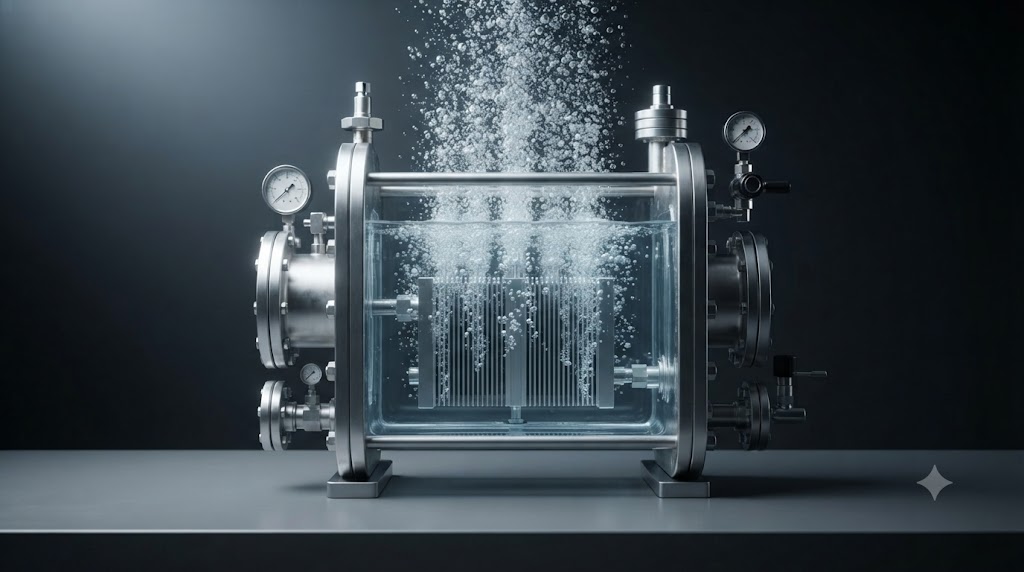
Microporous membranes function as selective barriers that allow specific molecules to pass while retaining others based on pore size and chemical properties. The technology utilizes engineered materials with precise pore structures measured in nanometers to achieve high selectivity. Pressure drives the separation process rather than heat, eliminating the need for large-scale vaporization.
Materials science advances enable these membranes to withstand harsh chemical environments including strong solvents and extreme pH levels. Earlier membrane generations faced limitations in chemical compatibility that restricted their use to water-based systems. Newer formulations resist degradation from organic solvents commonly used in pharmaceutical and polymer production.
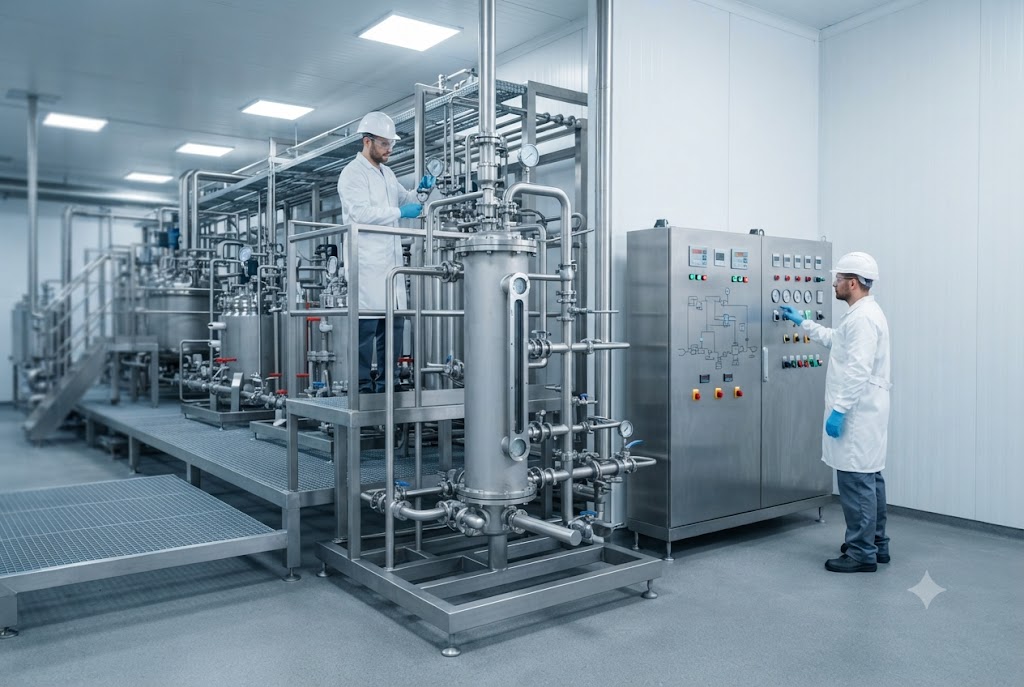
The result is a separation process that operates continuously with minimal energy input compared to batch distillation. Manufacturers can integrate these units into existing process lines with relatively modest retrofitting requirements. This ease of integration accelerates adoption rates across diverse chemical manufacturing segments.
Circular Economy Applications in Recycling
Circular economy goals depend heavily on efficient separation technologies to recover valuable materials from waste streams. Recycling complex mixtures like mixed plastic waste or solvent blends requires high-purity separation to produce usable feedstocks. Traditional methods often consume more energy than the recovered materials justify economically.
Microporous membranes enable recovery of high-purity solvents and monomers from process waste with minimal energy penalty. This capability makes recycling loops economically viable where thermal separation previously rendered them unprofitable. Companies pursuing zero-waste initiatives find this technology aligns with their sustainability targets.
Procurement teams sourcing recycled content materials should monitor suppliers investing in membrane-based recycling infrastructure. These suppliers may offer more consistent quality and competitive pricing as their energy costs decline. The technology supports closed-loop systems that reduce dependence on virgin feedstocks.
Procurement Implications for Chemical Buyers
Adoption of energy-efficient separation technology affects chemical buyers through potential pricing shifts and supply chain restructuring. Producers lowering their energy costs may pass savings to customers to gain market share or retain margins during competitive periods. Buyers should anticipate negotiations where suppliers highlight sustainability credentials alongside price.
Supply security improves as producers reduce dependence on volatile energy markets for their operations. Facilities using less energy face lower risk of production curtailments during power shortages or fuel price spikes. This stability benefits buyers managing just-in-time inventory systems that require reliable delivery schedules.
Contract structures may evolve to reflect the lower carbon intensity of materials produced using membrane separations. Buyers pursuing Scope 3 emissions reductions may prioritize suppliers demonstrating verified energy efficiency improvements. Procurement strategies should incorporate energy intensity metrics alongside traditional cost and quality criteria.
Adoption Barriers and Technical Challenges
Despite clear energy advantages, membrane technology faces adoption barriers that slow universal implementation across the chemical industry. Fouling remains a primary concern where accumulated material blocks pores and reduces filtration efficiency over time. Manufacturers must invest in cleaning protocols and pretreatment systems to maintain performance.
Capital costs for high-performance membrane systems exceed traditional separation equipment in some cases. Return on investment calculations depend heavily on local energy prices and utilization rates. Facilities in regions with low energy costs may find less economic incentive to upgrade existing infrastructure.
Chemical compatibility continues to improve but specific aggressive solvents still challenge membrane integrity. Buyers should verify supplier capabilities for handling specific chemical streams before committing to membrane-produced materials. Technical due diligence ensures the technology suits the intended application without compromising product quality.
Regulatory Drivers for Efficiency
Government regulations increasingly mandate energy efficiency improvements and carbon emissions reductions across industrial sectors. Policies like carbon pricing and energy intensity standards create financial pressure to adopt lower-energy technologies. Microporous membranes offer a compliant pathway to meet these regulatory requirements without production cuts.
Subsidies and grants often support deployment of energy-efficient technologies including advanced separation systems. Producers accessing these funds may accelerate infrastructure upgrades faster than market forces alone would drive. Buyers should track regulatory developments in key production regions to anticipate supply chain shifts.
Compliance reporting requirements may favor suppliers using verified low-energy processes. Procurement teams managing regulatory risk should document supplier energy profiles as part of vendor qualification. This data supports sustainability reporting and demonstrates due diligence in supply chain management.
Impact on Solvent and Polymer Markets
Solvent recovery represents a major application area where membrane separations offer significant energy savings. Chemical manufacturers using large volumes of organic solvents can recover and reuse materials rather than purchasing virgin supplies. This reduces demand for virgin solvent production while lowering waste disposal costs.
Polymer production benefits from efficient monomer recovery and purification steps using membrane technology. Recycled polymers produced with lower energy intensity gain competitive advantage in markets valuing sustainability. Buyers sourcing polymers for consumer goods may see increased availability of certified recycled content.
Market dynamics may shift as membrane-enabled recycling increases supply of recovered materials. Virgin material producers may face price pressure from lower-cost recycled alternatives produced efficiently. Procurement teams should evaluate mix strategies balancing virgin and recycled content based on evolving cost structures.
Supplier Landscape and Competition
The supplier landscape for chemical separations evolves as membrane technology gains traction across industrial segments. Established equipment manufacturers expand offerings to include membrane modules alongside traditional distillation columns. Specialized membrane companies grow market share through innovation and targeted applications.
Chemical producers investing in this technology gain differentiation based on sustainability and cost efficiency. Competition intensifies as early adopters demonstrate successful implementation and economic benefits. Lagging producers face pressure to upgrade or risk losing customers prioritizing low-carbon supply chains.
Procurement teams should monitor supplier capital expenditure announcements for signals of technology adoption. Companies committing to membrane infrastructure signal long-term competitiveness and stability. Supplier selection criteria should weigh technology roadmap alongside current capabilities and pricing.
Operational Cost Structure Changes
Energy-efficient separations alter operational cost structures for chemical manufacturers in meaningful ways. Variable costs decline as energy consumption drops per unit of production. Fixed costs may increase slightly due to membrane replacement and maintenance requirements.
Overall cost per ton typically improves as energy savings outweigh maintenance expenses over equipment lifetime. Manufacturers gain flexibility to operate profitably during periods of high energy prices that squeeze competitors. This resilience supports consistent supply availability during market volatility.
Buyers negotiating long-term contracts should understand these cost structure changes. Suppliers with lower variable costs may offer more stable pricing over contract terms. Understanding the underlying economics strengthens negotiation positions and risk assessment capabilities.
Quality and Purity Considerations
Membrane separations achieve high purity levels comparable to traditional thermal methods in many applications. Selectivity depends on pore size distribution and membrane material properties that manufacturers control precisely. Consistent quality supports downstream processing requirements without additional purification steps.
Some applications may require hybrid systems combining membranes with limited thermal processing for final polishing. Buyers should verify purity specifications match their process needs regardless of separation method used. Technical data sheets should indicate separation technology used where it affects product characteristics.
Quality consistency improves as membrane systems operate continuously without the batch-to-batch variations common in distillation. This stability benefits buyers managing tight specification requirements for critical applications. Procurement specifications should account for technology-specific quality attributes.
Future Outlook for Separation Technology
Research continues to improve membrane durability, selectivity and chemical resistance for broader industrial application. Next-generation materials promise even lower energy requirements and longer service lifetimes. Adoption rates will accelerate as technology matures and costs decline further.
Integration with digital monitoring systems enables predictive maintenance and optimized performance tracking. Smart membranes provide real-time data on fouling rates and separation efficiency that operators use to manage processes. This digital layer adds value beyond simple energy savings through improved operational control.
Procurement teams should view this technology as a long-term trend rather than temporary innovation. Strategic sourcing plans should incorporate scenarios where membrane-produced materials become standard in certain categories. Early engagement with adopting suppliers provides access to emerging supply options.
The Bottom Line for Chemical Buyers
Microporous membrane technology cutting energy use in chemical separations represents a significant shift in industrial processing economics and sustainability. The innovation supports circular economy goals by making recycling and purification more energy-efficient and economically viable. For procurement teams, this translates to potential cost savings, improved supply security and enhanced sustainability credentials.
Key implications include:
Understanding that supplier energy profiles affect long-term pricing competitiveness and stability. Recognizing that recycled content availability may increase as separation costs decline. Evaluating suppliers based on technology adoption alongside traditional cost and quality metrics. Preparing for contract structures that reflect lower carbon intensity and energy usage.
The teams that monitor separation technology trends will identify emerging supply opportunities before competitors. Those ignoring these shifts risk missing cost advantages and sustainability benefits that reshape chemical markets. Procurement strategy must adapt to reflect the evolving economics of chemical production.
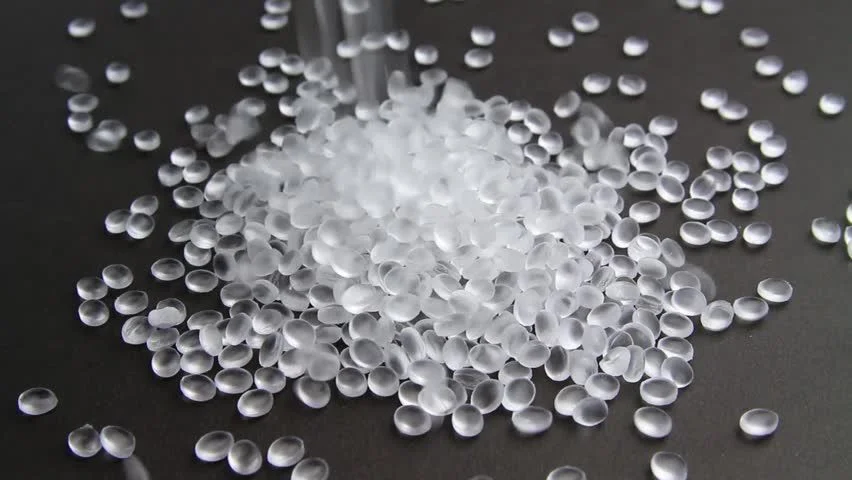
Ready to source Polyethylene Terephthalate (PET) from verified global suppliers? Explore competitive offers on our platform today.