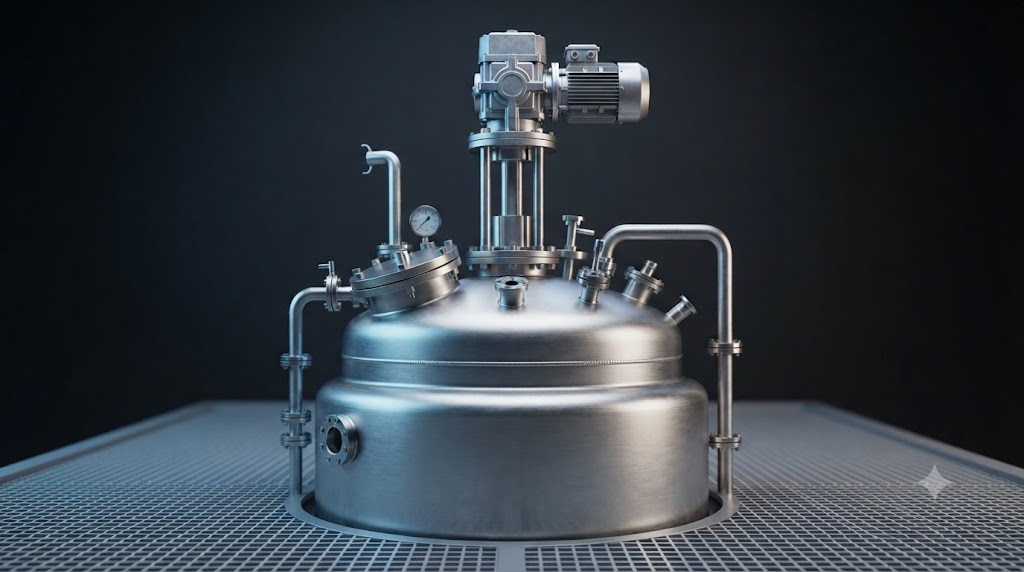
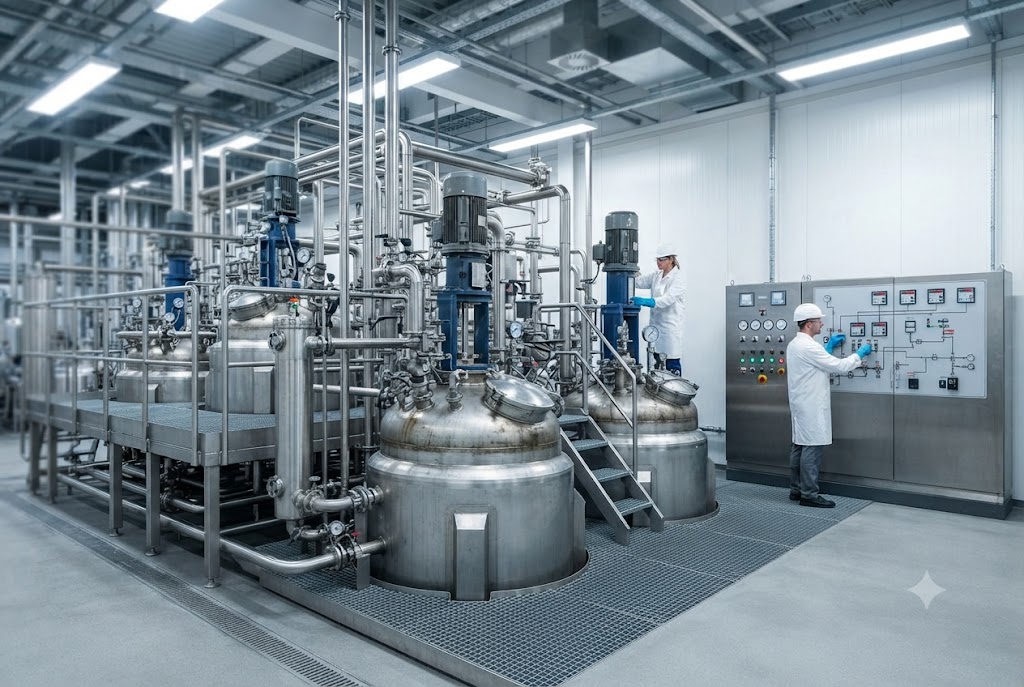
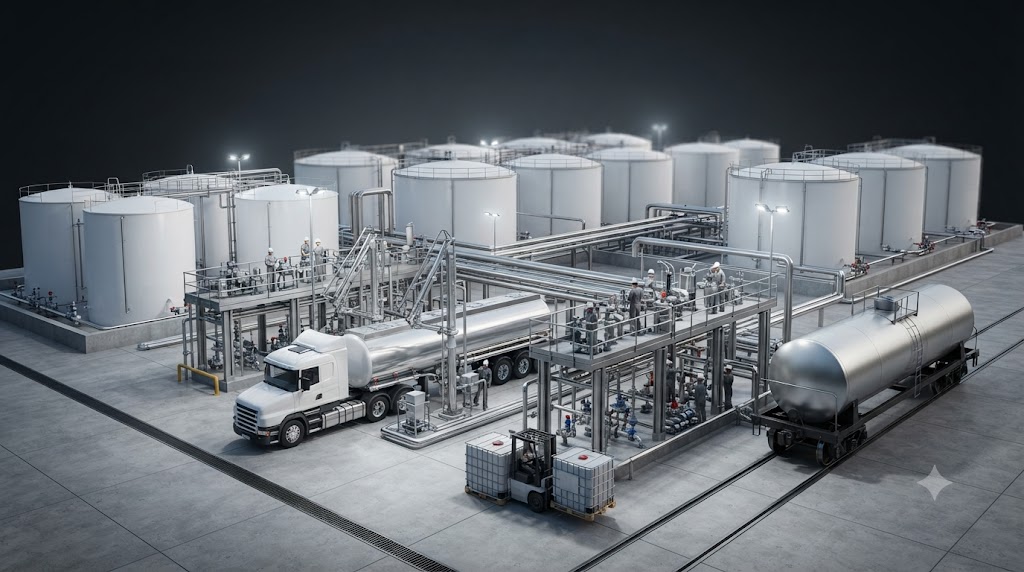
A recent preprint claims that failing to properly mix reactions in heterogeneous or industrial systems could cause numerous issues and might even be dangerous. This finding challenges assumptions that standard agitation protocols suffice for complex multi-phase chemistry. For procurement teams managing chemical supply chains, understanding these mixing risks affects supplier qualification, safety audits and quality consistency expectations. The study suggests that inadequate mixing creates localized hotspots where reactions accelerate uncontrollably. These conditions threaten facility safety and compromise product specifications simultaneously.
Buyers sourcing chemicals produced through heterogeneous processes must recognize that mixing efficiency represents a critical process parameter. Variations in agitator design, power input or batch size alter mixing dynamics significantly. Suppliers lacking robust mixing controls face higher risks of runaway reactions, batch failures and regulatory violations. Procurement strategies should account for these technical vulnerabilities when evaluating supplier reliability and supply continuity.
Understanding Heterogeneous Reaction Risks
Heterogeneous reaction systems involve multiple phases such as solid-liquid, liquid-liquid or gas-liquid interactions. These systems require efficient mixing to ensure reactants contact each other uniformly throughout the vessel. Poor mixing creates concentration gradients where some regions experience high reactant levels while others remain starved.
Key risk factors include:
Localized hotspots where heat generation exceeds removal capacity
Incomplete conversion leaving unreacted materials in final product
Side reaction formation creating unwanted impurities or byproducts
Pressure buildup from gas evolution in poorly mixed zones
The preprint highlights that industrial scale amplifies these risks compared to laboratory settings. Large vessels struggle to achieve uniform mixing conditions that small flasks maintain easily. Procurement teams should question whether suppliers adequately scale mixing protocols from pilot to production.
Safety Implications for Industrial Scale
Safety consequences of poor mixing extend beyond immediate operational incidents to long-term facility viability. Runaway reactions triggered by mixing failures can damage equipment and endanger personnel. Regulatory agencies investigate such incidents thoroughly and may impose operating restrictions.
Safety impacts include:
Equipment failure from excessive pressure or temperature spikes
Personnel exposure to hazardous materials during emergency responses
Facility downtime while authorities investigate and approve restart
Insurance premium increases following documented safety incidents
Suppliers experiencing mixing-related safety events face production interruptions that disrupt supply chains. Buyers dependent on single-source suppliers encounter immediate shortages when facilities shut down. Diversifying supply sources mitigates this risk but requires qualifying multiple manufacturers capable of meeting specifications.
Quality Consistency Challenges
Product quality suffers when mixing conditions vary between batches or across vessel zones. Impurity profiles shift as side reactions occur in poorly mixed regions. Customers receiving inconsistent material face processing difficulties and potential product failures.
Quality variations manifest as:
Color deviations indicating different impurity levels or degradation
Viscosity changes affecting downstream processing performance
Active ingredient variance in pharmaceutical or agrochemical applications
Stability issues where products degrade faster than specifications allow
Procurement specifications should include parameters sensitive to mixing efficiency. Testing for specific impurities or physical properties reveals mixing problems before they cause downstream failures. Suppliers must demonstrate consistent quality across multiple production batches to prove mixing control.
Supply Chain Disruption Potential
Mixing-related incidents create supply chain disruptions that ripple through customer operations. Facility shutdowns for safety investigations halt production for weeks or months. Alternative suppliers may lack capacity to fill gaps quickly.
Disruption scenarios include:
Production halts following safety incidents or regulatory citations
Batch quarantines where quality issues prevent shipment release
Recall events* requiring product retrieval from customers
Capacity constraints* as suppliers implement corrective actions
Buyers should assess supplier safety records during qualification audits. Facilities with history of mixing-related incidents present higher supply risk. Contracts should address notification requirements for safety events affecting production capacity.
Supplier Audit Considerations
Procurement teams should incorporate mixing protocol evaluation into supplier audit processes. Standard quality audits often focus on documentation and final product testing. Process parameter verification reveals underlying control capabilities.
Audit questions include:
Does the supplier monitor mixing power consumption during batches?
What agitator designs serve heterogeneous reaction applications?
How does the facility validate mixing efficiency at production scale?
What corrective actions follow mixing-related deviations?
Suppliers should provide data demonstrating mixing consistency across batch sizes. Scale-up protocols must address mixing changes when moving from pilot to commercial production. Buyers should request mixing validation reports for critical products.
Regulatory and Compliance Exposure
Regulatory agencies increasingly scrutinize process safety management in chemical manufacturing. Mixing failures constitute process safety incidents requiring reporting and investigation. Non-compliance triggers fines and operating restrictions.
Compliance requirements include:
Process safety management documentation covering mixing parameters
Incident reporting for mixing-related safety events
Management of change procedures for mixing equipment modifications
Operator training on mixing protocol adherence and monitoring
Suppliers facing regulatory actions may lose certification required for certain markets. Pharmaceutical and food ingredient buyers depend on suppliers maintaining regulatory compliance. Mixing-related violations threaten supplier eligibility for regulated applications.
Procurement Strategy Adjustments
Chemical buyers should adjust procurement strategies to account for mixing-related supply risks. Single-source dependencies increase vulnerability to mixing-related disruptions. Multi-source strategies provide backup options when primary suppliers face issues.
Strategy adjustments include:
Qualifying alternative suppliers with proven mixing control capabilities
Building inventory buffers* for critical materials produced via heterogeneous processes
Negotiating supply guarantees* addressing mixing-related production interruptions
Monitoring supplier safety* metrics as leading indicators of supply risk
Contracts should specify mixing-related quality parameters explicitly. Vague specifications allow suppliers latitude that compromises consistency. Technical agreements must define acceptable mixing protocol variations.
Economic Impact of Mixing Failures
Mixing failures carry significant economic costs beyond immediate production losses. Reworking off-specification batches consumes additional raw materials and energy. Disposing of unusable material creates environmental compliance costs.
Economic consequences include:
Raw material waste from batches failing quality specifications
Energy consumption* for reprocessing or disposal operations
Labor costs* for investigation and corrective action implementation
Customer compensation* for downstream processing disruptions
Suppliers absorbing these costs face margin pressure affecting long-term viability. Financially stressed suppliers may cut corners on maintenance or training. Buyers should monitor supplier financial health alongside technical capabilities.
Technology and Equipment Investments
Suppliers investing in advanced mixing technology reduce risk profiles significantly. Modern agitator designs improve mixing efficiency in heterogeneous systems. Real-time monitoring systems detect mixing deviations before they cause incidents.
Technology improvements include:
Computational fluid dynamics modeling optimizing agitator design
Power consumption monitoring* tracking mixing efficiency continuously
Automated control systems* maintaining consistent mixing parameters
Advanced sensor technology* detecting concentration or temperature gradients
Buyers should prioritize suppliers demonstrating commitment to mixing technology upgrades. Facilities using outdated equipment face higher risk of mixing failures. Capital investment signals supplier commitment to process safety and quality.
Training and Operational Discipline
Human factors contribute significantly to mixing-related incidents. Operators must understand mixing importance and follow protocols strictly. Training programs should emphasize mixing parameter monitoring and response procedures.
Training elements include:
Mixing theory fundamentals explaining why uniformity matters
Equipment operation* procedures for agitator systems
Troubleshooting protocols* for mixing deviation scenarios
Safety response* actions when mixing failures occur
Suppliers with robust training programs demonstrate operational discipline. Buyers should request training records during audits to verify operator competency. Consistent training reduces variability in mixing performance across shifts.
Contractual Protections for Buyers
Procurement contracts should address mixing-related risks through specific clauses. Standard terms may not cover mixing-specific quality or safety issues. Customized provisions protect buyers from mixing-related supply disruptions.
Contract elements include:
Quality specifications defining mixing-sensitive parameters explicitly
Notification requirements* for mixing-related production issues
Liability allocation* for mixing-related quality failures
Continuity plans* addressing alternative supply during mixing incidents
Legal review ensures contracts adequately cover mixing-related risks. Buyers should negotiate rights to audit mixing protocols periodically. Access to process data provides visibility into supplier mixing controls.
Industry Best Practices Emerging
Industry associations develop best practices for mixing in heterogeneous systems. These guidelines help standardize expectations across suppliers and buyers. Participation in industry initiatives signals supplier commitment to excellence.
Best practice areas include:
Standardized testing methods for mixing efficiency verification
Safety guidelines* for heterogeneous reaction operations
Training curricula* for mixing system operators
Equipment standards* for agitator design and maintenance
Buyers should favor suppliers participating in industry best practice development. These suppliers stay current with evolving mixing technology and safety standards. Industry engagement indicates proactive risk management approach.
The Bottom Line for Chemical Buyers
The preprint claiming that failing to properly mix reactions in heterogeneous systems could cause numerous issues and might even be dangerous highlights critical supply chain vulnerabilities. Procurement teams must recognize mixing efficiency as a fundamental supplier capability affecting safety, quality and continuity.
Key implications include:
Understanding that mixing protocols vary significantly across suppliers and facilities. Recognizing that inadequate mixing creates safety hazards and quality inconsistencies simultaneously. Evaluating suppliers based on mixing technology investments and operational discipline. Building supply chain resilience through diversified sourcing and contractual protections.
The teams that prioritize mixing risk assessment will maintain better supply security than those treating it as purely technical detail. Procurement strategy must integrate process safety considerations alongside traditional commercial factors.
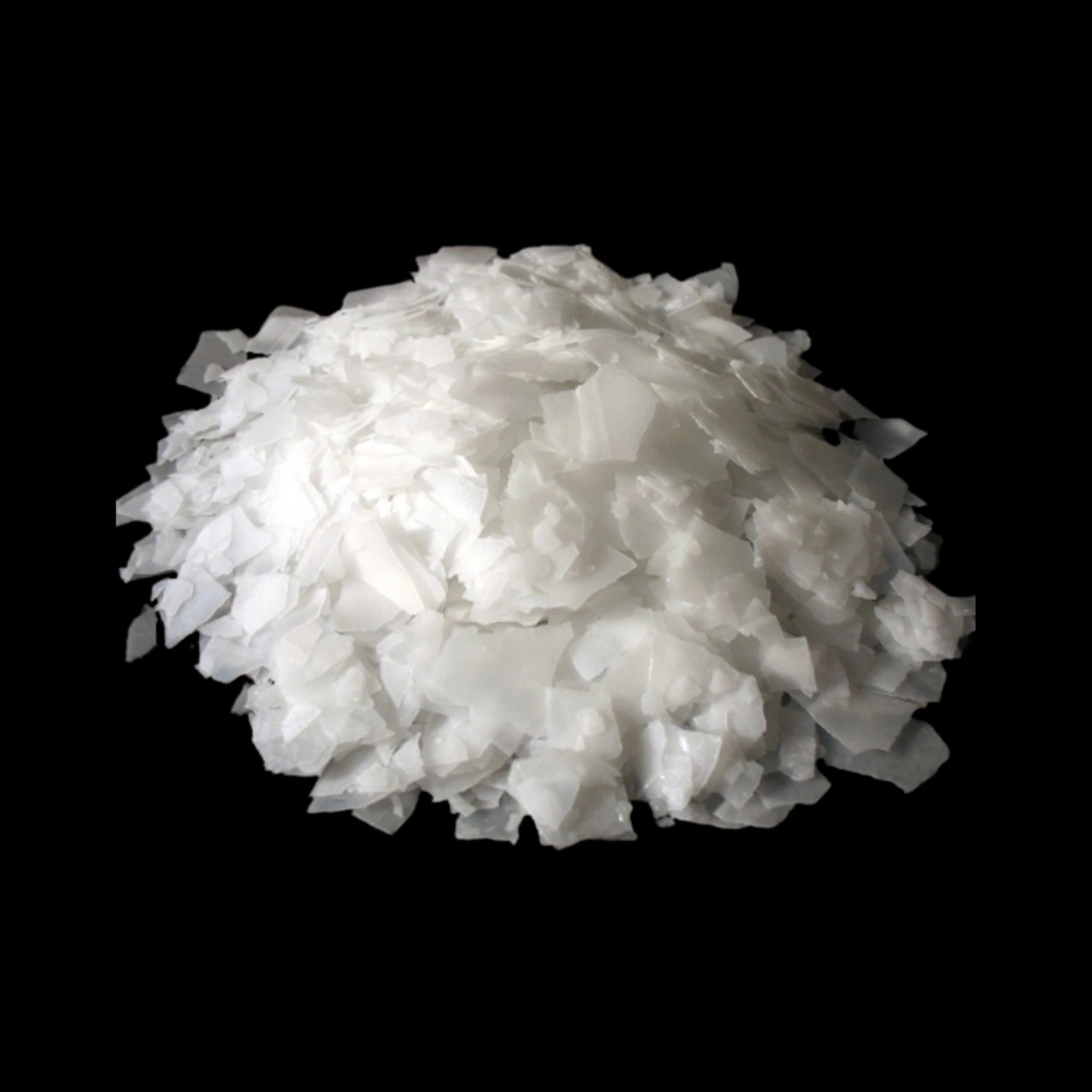
Ready to source Caustic Soda Flakes from verified global suppliers? Explore competitive offers on our platform today.