Morocco Country Watch: OCP's Structural Position After a Record H1 2026
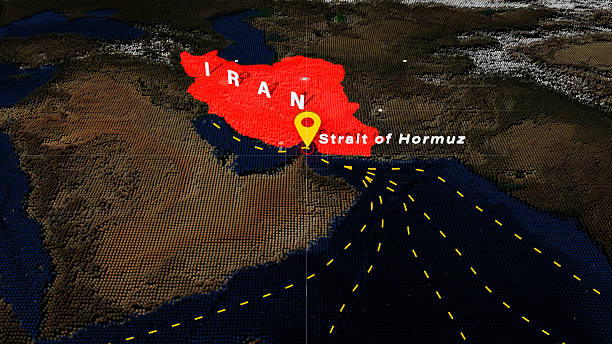
Morocco enters the second half of 2026 from one of the strongest commercial positions in its modern industrial history. While many fertilizer producers spent H1 managing shipping disruptions and operational uncertainty, OCP Group expanded its international market presence by providing a stable alternative supply source outside the Strait of Hormuz.
For procurement professionals, this represents more than a successful trading period. The Hormuz crisis has fundamentally changed how global buyers evaluate phosphate fertilizer supply chains, elevating Morocco from a competitive supplier to a strategic procurement partner whose Atlantic export network offers long-term resilience.
OCP Emerged as the World's Most Influential Fertilizer Supplier
The first half of 2026 reinforced Morocco's importance within global fertilizer markets.
As Gulf producers experienced shipping disruptions, buyers increasingly relied upon OCP to maintain consistent deliveries across Europe, Africa, Asia and Latin America.
This shift produced one of the strongest commercial periods in the company's history while expanding its role within international agricultural supply chains.
Rather than benefiting solely from temporary market conditions, OCP strengthened long-term relationships with buyers seeking dependable export performance.
The Atlantic Export Route Became a Strategic Advantage
One of Morocco's greatest competitive strengths during H1 was geography.
Unlike fertilizer exporters dependent on the Strait of Hormuz, Morocco's Atlantic-facing export infrastructure enabled uninterrupted access to major international shipping lanes.
This advantage delivered several commercial benefits:
Reduced exposure to Gulf maritime disruptions.
More predictable vessel scheduling.
Lower logistics uncertainty.
Greater confidence among international buyers.
The crisis demonstrated that export route security has become as important as production capacity when evaluating fertilizer suppliers.
Buyers Expanded Procurement Beyond Traditional Supply Sources
The disruption encouraged many fertilizer importers to diversify sourcing strategies.
Companies that previously relied heavily on Gulf-origin material increasingly established new commercial relationships with OCP to strengthen supply resilience.
This diversification reflected broader procurement priorities including:
Supply chain security.
Logistics reliability.
Multi-origin sourcing.
Reduced geopolitical exposure.
For many organisations, Morocco has moved from being an alternative supplier to becoming a permanent component of long-term procurement planning.
Capacity Expansion Supports Future Growth
The Moroccan government continues supporting OCP's long-term industrial expansion.
Fast-tracked approvals for new investment projects reflect the strategic importance of fertilizer production to the national economy and to global food security.
Particular attention is focused on expanding phosphoric acid processing capacity at Jorf Lasfar, where additional production capability is expected to come online during late 2026.
These investments are designed to increase export capacity while supporting higher-value downstream fertilizer production.
Production Growth Aligns With Long-Term Demand
Global demand for phosphate fertilizers continues to be supported by long-term agricultural requirements rather than short-term commodity cycles.
By expanding processing capacity while strengthening export infrastructure, Morocco is positioning itself to serve growing demand across multiple regions.
The combination of abundant phosphate reserves, integrated industrial facilities and efficient Atlantic logistics provides a strong foundation for sustained international competitiveness.
Why OCP's Crisis-Era Customers Are Rethinking Procurement
The strongest commercial legacy of H1 2026 may not be higher fertilizer prices or increased export volumes.
Instead, it is the shift in procurement strategy among international buyers who established new commercial relationships with OCP during the Hormuz disruption.
For many procurement teams, Morocco is no longer viewed as an emergency alternative supplier.
It is increasingly being evaluated as a strategic long-term sourcing partner because of its reliable Atlantic export infrastructure and consistent delivery performance.
Long-Term Supplier Agreements May Become the New Standard
One of the most important procurement questions entering H2 is whether buyers should formalise relationships established during the crisis.
Many companies that initially sourced from OCP as a contingency supplier are now evaluating longer-term commercial partnerships.
Potential advantages include:
Greater supply chain resilience through Atlantic export routes.
Reduced dependence on Hormuz-linked logistics.
Improved continuity of fertilizer deliveries during geopolitical disruptions.
Better visibility for long-term procurement planning.
Stronger strategic relationships with one of the world's largest phosphate producers.
For organisations prioritising supply security, these factors may prove just as valuable as competitive pricing.
Jorf Lasfar Expansion Reinforces Future Supply Capacity
OCP's continued investment programme demonstrates confidence in sustained international demand.
The expansion of phosphoric acid processing capacity at Jorf Lasfar, expected to enter service during late 2026, will strengthen Morocco's ability to supply both raw materials and higher-value downstream phosphate products.
The project supports several strategic objectives:
Higher processing capacity.
Increased export flexibility.
Greater value-added fertilizer production.
Improved long-term supply reliability.
For international buyers, expanding production capacity enhances confidence that Morocco can continue supporting growing global demand while maintaining reliable export performance.
Atlantic Logistics Have Become a Competitive Asset
The Hormuz crisis changed how buyers evaluate logistics risk.
Previously, freight efficiency often centred on transportation cost and transit time.
Today, route resilience has become an equally important procurement consideration.
Morocco's Atlantic-facing export infrastructure offers several long-term advantages:
Direct access to Europe, Africa and the Americas.
Reduced exposure to geopolitical disruptions in the Gulf.
More predictable vessel scheduling.
Greater flexibility for international shipping.
These structural advantages are likely to remain valuable even as Gulf export routes continue recovering.
Looking Ahead to H2 2026
Morocco enters the second half of 2026 from one of the strongest strategic positions in the global fertilizer industry.
OCP's exceptional commercial performance during H1 was supported not only by strong market demand but also by the reliability of its Atlantic export network at a time when many competing suppliers faced significant logistical challenges. The result has been a meaningful strengthening of Morocco's role within international fertilizer procurement.
For buyers, the key question is no longer whether OCP can serve as an emergency alternative supplier. Instead, procurement teams are increasingly evaluating whether the relationships established during the crisis should become permanent components of long-term sourcing strategies. Combining secure Atlantic logistics with expanding processing capacity at Jorf Lasfar offers an attractive foundation for improving supply chain resilience.
As H2 progresses, organisations that balance commercial competitiveness with route security and supplier diversification will be well positioned to strengthen procurement resilience in an increasingly complex global fertilizer market.
Ready to source phosphate fertilizers from verified global suppliers? Explore competitive offers on our platform today.
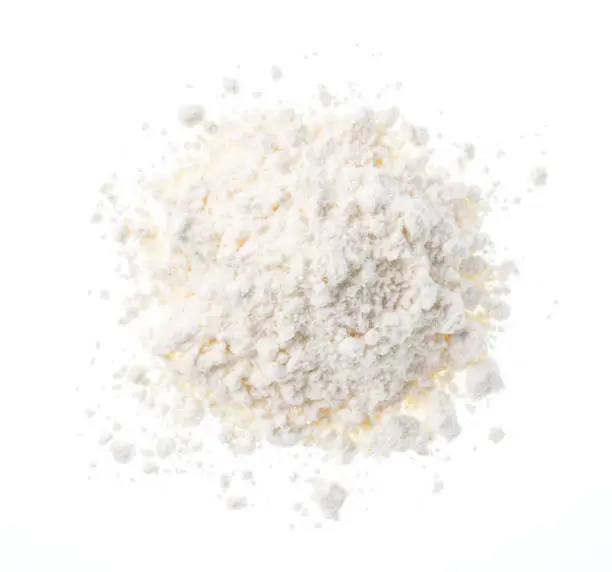
Diammonium Phosphate (Technical 16-46) - Vietnam
Found this useful?