Mosaic Points to Improving Fertilizer Affordability as a Long-Term Tailwind
Mosaic Points to Improving Fertilizer Affordability as a Long-Term Tailwind
Meta Keywords: Fertilizer Affordability, Mosaic Fertilizer, Fertilizer Market
Introduction
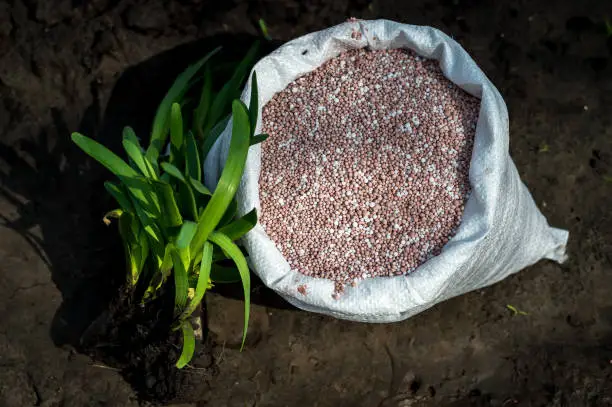
Fertilizer affordability is emerging as an important long-term factor for the global agricultural industry, and Mosaic sees improving affordability as a potential tailwind for future demand. After a period of elevated fertilizer prices and higher raw-material costs, any improvement in the economics of crop nutrients could encourage farmers to increase application rates and support stronger demand for phosphate and potash products.
Mosaic has emphasized that fertilizer demand is closely linked to farmer economics. The company noted in June 2026 that reduced affordability has been weighing on fertilizer demand, while higher sulfur and ammonia costs have increased pressure on both producers and farmers.
Fertilizer Affordability Remains Critical
Fertilizer is a major input cost for farmers, meaning purchasing decisions are heavily influenced by crop prices, farm income and the relative cost of nutrients.
When fertilizer prices rise faster than crop revenues, farmers may delay purchases, reduce application rates or focus on maximizing nutrient-use efficiency. Conversely, improving fertilizer affordability can make it easier for growers to maintain or increase nutrient applications.
This relationship is particularly important for Mosaic because the company produces phosphate and potash fertilizers that ultimately serve agricultural markets around the world.
High Input Costs Have Created Pressure
The recent fertilizer market has been affected by unusually high costs for key raw materials. Mosaic has highlighted sulfur and ammonia as major cost pressures for phosphate production.
According to Mosaic, U.S. sulfur prices were around $280 per tonne before the start of 2026, rising to approximately $500 per tonne at the beginning of the year and reaching more than $1,000 per tonne globally following disruptions linked to conflicts in Ukraine and the Middle East.
These increases have made fertilizer production more expensive while simultaneously reducing affordability for farmers.
Improving Affordability Could Revive Demand
If raw-material prices stabilize and fertilizer prices become more affordable relative to crop values, farmers could regain greater purchasing power.
Higher affordability could support:
Increased fertilizer application rates
Earlier purchasing and inventory replenishment
Stronger demand for phosphate and potash
Improved farm-level returns from nutrient investment
Better utilization of existing production capacity
This could create a positive cycle for fertilizer producers, distributors and agricultural suppliers.
Nutrient Efficiency Adds Another Opportunity
Affordability is not only about reducing the price of fertilizer. Farmers are increasingly focused on obtaining greater value from every unit of nutrient applied.
Mosaic has highlighted return on fertilizer investment (ROFI) and nutrient-use efficiency as important approaches for helping growers improve the economic value of fertilizer applications.
Better nutrient management can allow farmers to focus on achieving the desired crop response while controlling unnecessary input costs. This trend could benefit fertilizer producers that provide products and solutions designed around efficient nutrient use.
Long-Term Demand Drivers Remain Strong
Beyond short-term pricing cycles, the long-term outlook for fertilizer demand is supported by global agricultural requirements. Crop production must continue to meet food, feed and industrial demand, while farmers seek to improve yields from available farmland.
Potassium, for example, plays an essential role in plant growth and reproduction and helps crops respond to environmental stresses.
As agricultural productivity requirements increase, nutrient demand is likely to remain structurally important even when fertilizer markets experience temporary downturns.
What It Means for Mosaic
For Mosaic, improving fertilizer affordability could provide support across both its phosphate and potash businesses. Stronger farmer economics could translate into higher demand, improved volumes and better utilization of production assets.
However, the company still faces risks from raw-material costs, geopolitical disruptions, fertilizer pricing and agricultural commodity cycles. The pace at which affordability improves will therefore remain an important factor in determining the strength of future demand.
Outlook
The fertilizer market may gradually move toward a more favorable environment if input costs stabilize and crop economics remain supportive. Even modest improvements in affordability could encourage farmers to replenish inventories and maintain nutrient applications.
For Mosaic, this represents a potential long-term tailwind. The company's performance will continue to depend on the balance between fertilizer prices, production costs and farmer purchasing power.
Conclusion
Mosaic's focus on fertilizer affordability highlights an important long-term driver for the agricultural input market. After years of pressure from elevated fertilizer and raw-material costs, improving affordability could encourage stronger farmer demand and support the recovery of fertilizer volumes.
As farmers increasingly prioritize nutrient efficiency and return on investment, the combination of affordable fertilizer prices, stable production costs and healthy crop economics could create a more sustainable demand environment for Mosaic and the broader global fertilizer industry.

Ammonium Bicarbonate (E503(ii))
Found this useful?