N-Vinylpyrrolidone's Quiet Role: The Beverage Clarifying Agent Behind a New Biobased Process
In the world of beverage production, clarity is king. Consumers expect crystal‑clear juices and sparkling drinks, and manufacturers rely on a range of clarifying agents to achieve that pristine appearance. One such agent, N‑Vinylpyrrolidone (NVP), has quietly risen to prominence, not just for its effectiveness but also for its sustainable sourcing and production.
What Is N‑Vinylpyrrolidone?
NVP is a synthetic polymer derived from the monomer vinylpyrrolidone. Its unique structure— a lactam ring fused to a vinyl group—confers high solubility in water and excellent film‑forming properties. Historically produced from petroleum‑derived feedstocks, recent advances have shifted production toward renewable resources, turning NVP into a flagship biobased specialty chemical.
Biobased Production Pathway
Toray and its partners have pioneered a process that uses corn‑derived glucose to produce lactic acid, which is then converted into the vinylpyrrolidone monomer via a catalytic polymerization step. The key innovations include:
Use of a bio‑enzyme catalyst that operates at lower temperatures, reducing energy demand.
Integration of a closed‑loop water system that recycles 95% of process water.
Implementation of a CO₂ capture module that offsets emissions from the polymerization reactor.
Why NVP Is Ideal for Beverage Clarification
Clarification agents work by binding to haze‑forming proteins, polyphenols, and other particulates, creating a complex that can be removed via filtration or centrifugation. القدرة of NVP to form stable, reversible complexes makes it an attractive choice:
High affinity for a broad spectrum of haze agents.
Low residual levels in finished products, ensuring regulatory compliance.
Minimal impact on flavor or aroma profiles.
The Market Landscape
Food and beverage producers worldwide are under pressure to adopt greener ingredients. NVP’s biobased credentials give it a competitive edge:
Consumersbaa demand transparency; a renewable origin is a strong marketing point.
Regulatory bodies in the EU and US are tightening limits on synthetic additives; biobased NVP meets emerging sustainability criteria.
Supply chain partners, such as Toray, offer co‑development programs that lower entry barriers for mid‑size manufacturers.
Case Studies
Orange Juice Producer integrated NVP into its clarification step, cutting haze by 30% while reducing overall water usage by 18%. The product now carries a “Sustainably Clarified” label, boosting shelf‑life and consumer trust زمینه.
Craft Soda Manufacturer
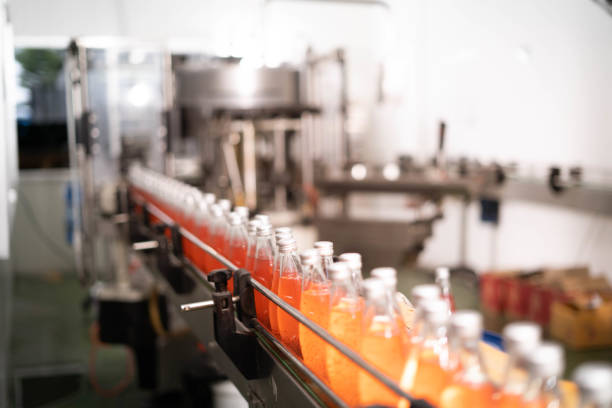
used NVP to stabilize its natural fruit extracts, allowing the use of unfiltered fruit puree without compromising clarity. This reduced processing time by 15% and cut costs associated with high‑speed centrifuges.
Partnership with Toray
Toray’s role extends beyond supplying NVP. They provide:
Technical support through a dedicated product science team.
On‑site process optimization services to integrate NVP into existing clarification lines.
Joint marketing initiatives that highlight the sustainability narrative.
Future Developments
Toray is investing in next‑generation catalysts that could further lower the carbon footprint of NVP production. They are also exploring synergies with other biobased polymers to create multifunctional clarification systems.
N‑Vinylpyrrolidone exemplifies how a specialty chemical can blend performance with sustainability. Its application in beverage clarification not only delivers superior clarity but also aligns with global efforts to reduce reliance on fossil‑derived ingredients. For manufacturers looking to differentiate their products, NVP offers a proven, green solution that meets regulatory demands and resonates with eco‑conscious consumers alike.
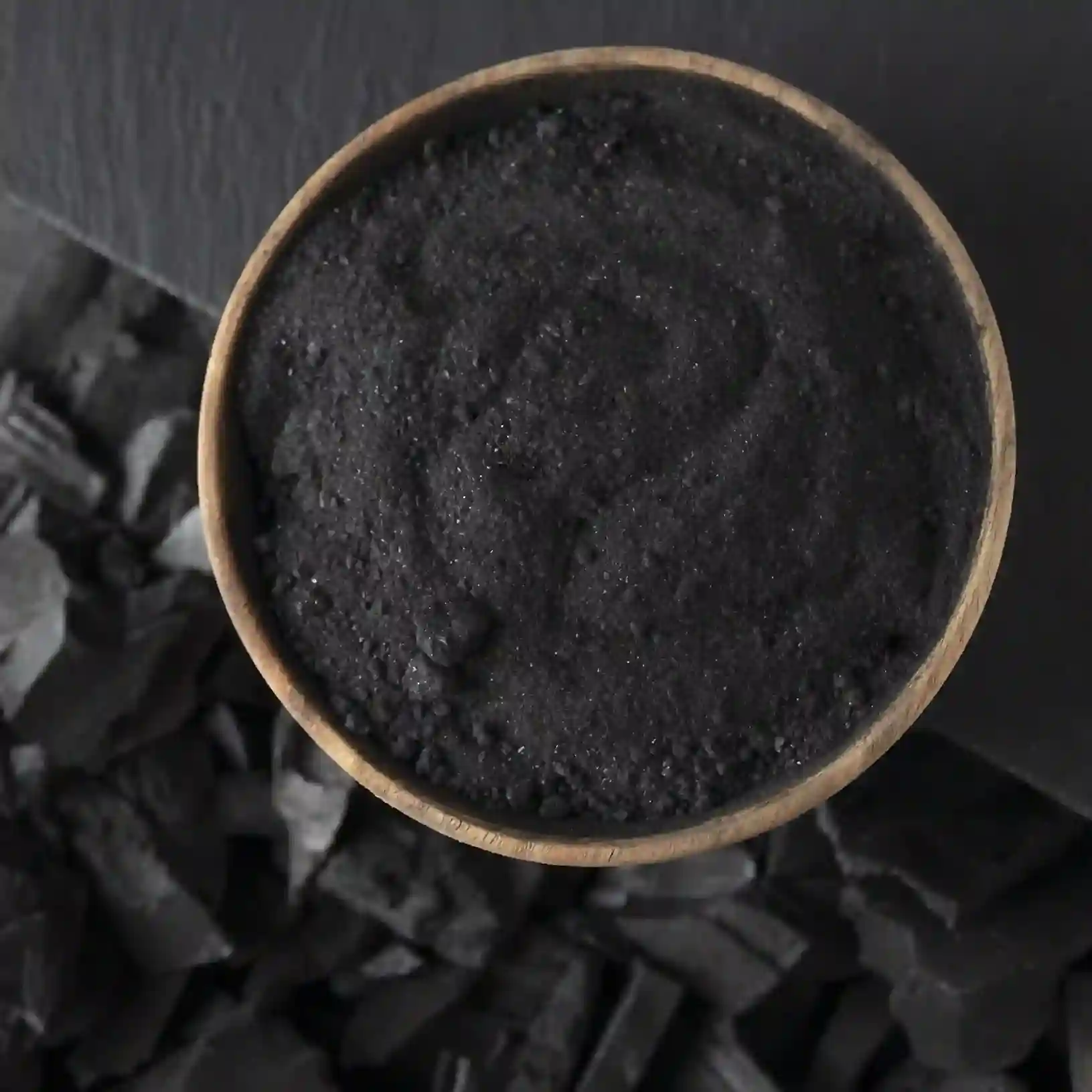
Carbon Black (N550) - India
Found this useful?