The Red Sea Double Closure and Food Ingredient Logistics: How Two Blocked Corridors Are Reshaping Europe-Asia Supply Chains
The reopening of Gulf shipping through the Hormuz convoy system has improved one part of the global supply picture. However, food ingredient logistics between Asia and Europe remain under pressure because another major trade corridor continues to face disruption. As long as the Red Sea and Suez route stays closed, shipments from China and other Asian manufacturing hubs must continue travelling around the Cape of Good Hope.
This creates an unusual situation where one shipping bottleneck begins to ease while another continues to affect nearly every container moving between Asia and Europe. For buyers of citric acid, sweeteners, MSG, starch derivatives and many other food ingredients, freight costs and delivery schedules remain far from normal despite progress elsewhere.
Why the Red Sea Closure Matters More Than Many Buyers Realise
Many procurement professionals naturally focus on the Strait of Hormuz because it serves as a critical export route for Gulf energy and petrochemical products. Food ingredients follow a different trade pattern.
Large volumes of Chinese food ingredients move directly from East Asia toward European ports through the South China Sea, the Indian Ocean, the Red Sea and finally the Suez Canal. This route avoids Hormuz completely but depends heavily on uninterrupted access through the Red Sea.
That distinction changes how buyers should interpret recent shipping developments. While Gulf exports may gradually recover through convoy operations, food ingredient cargoes still cannot benefit from shorter transit times because vessels continue avoiding the Red Sea.
The result is a supply chain where freight conditions remain difficult even though one important maritime corridor has started functioning again.
Two Blocked Corridors Create a Different Type of Supply Chain Risk
The current logistics environment reflects the combined impact of two separate disruptions rather than a single shipping crisis.
The first challenge affects Gulf exports through Hormuz. The second affects Asia-Europe container traffic through the Red Sea and Suez Canal.
For procurement teams, this combination produces several practical consequences.
European manufacturers continue paying elevated freight costs because vessels must sail around southern Africa instead of using the Suez Canal.
Shipping schedules remain less predictable as longer voyages increase exposure to weather delays, port congestion and vessel scheduling changes.
Working capital requirements increase because inventory spends more time in transit before reaching production facilities.
Buyers have fewer opportunities to reduce logistics expenses even when commodity prices remain relatively stable.
This distinction helps explain why improvements in Gulf shipping have not immediately translated into lower transportation costs for many food ingredients.
Cape of Good Hope Routing Remains the Standard
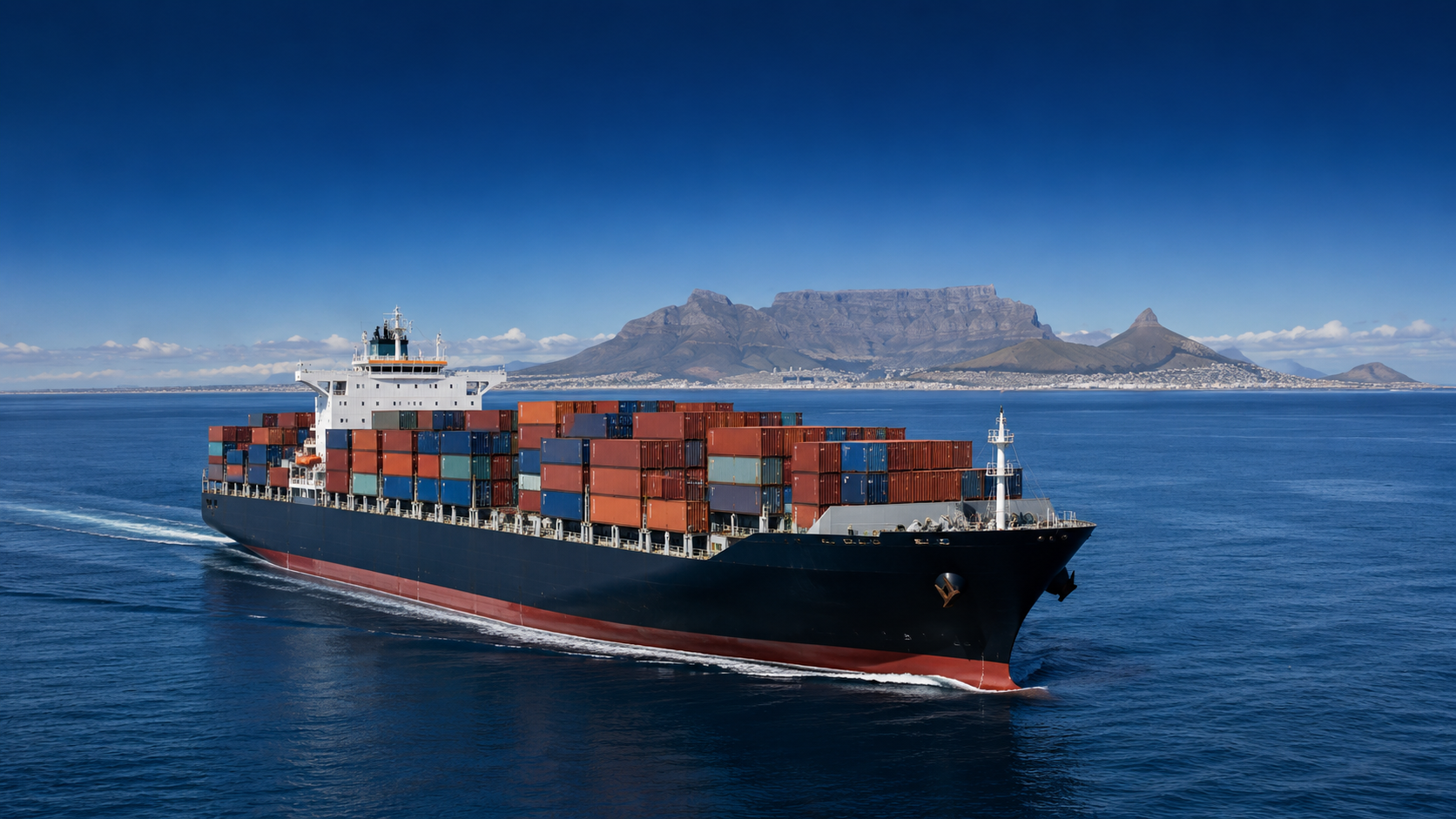
Since shipping companies continue avoiding the Red Sea, the Cape of Good Hope has become the primary route connecting Asia with Europe.
Although this route provides safe navigation, it introduces meaningful commercial consequences.
Current logistics conditions include:
Approximately 10 to 14 additional days of sailing compared with the traditional Suez route.
Additional freight expenses ranging between $600 and $1,200 per TEU, depending on market conditions and carrier pricing.
Longer equipment cycles because containers remain occupied for extended periods.
Reduced vessel availability as shipping lines require more ships to maintain existing service frequencies.
These factors affect almost every major food ingredient exported from China to Europe. Products such as citric acid, starch derivatives, monosodium glutamate, sweeteners and other specialty ingredients all experience similar transportation challenges because they share the same shipping corridor.
Food Ingredients Most Affected by Current Shipping Conditions
Not every food ingredient faces identical sourcing risks, yet many widely traded products depend heavily on manufacturing capacity across Asia.
Products experiencing the greatest logistics impact include:
Citric acid, widely used in beverages, processed foods and pharmaceutical formulations.
Monosodium glutamate, commonly supplied from large Asian production facilities serving global food manufacturers.
High intensity sweeteners that require consistent international container movements to maintain reliable supply.
Starch derivatives used throughout bakery, confectionery, dairy and processed food production.
Functional food additives shipped in containers from China to customers across Europe.
Even when production capacity remains healthy, transportation becomes the limiting factor. Manufacturers may complete orders on schedule while deliveries still arrive later because every shipment follows the much longer Cape route.
Freight Costs Continue to Shape Procurement Decisions
Freight rates now influence purchasing decisions almost as much as the price of the ingredients themselves. A shipment that once followed a predictable schedule now requires additional planning, larger inventory buffers and closer coordination between suppliers, freight forwarders and buyers.
The additional $600 to $1,200 per TEU in shipping costs affects products differently depending on their value and shipping volume.
For procurement teams, this creates several commercial challenges.
Low margin food ingredients become more expensive because freight represents a larger share of the delivered cost.
Importers may need to increase order quantities to offset higher transportation expenses, which also raises inventory carrying costs.
Longer transit times reduce flexibility when responding to sudden changes in customer demand.
Manufacturers operating on just-in-time inventory models face greater exposure to production disruptions if shipments arrive behind schedule.
Rather than treating freight as a separate expense, many companies now evaluate logistics costs alongside raw material pricing when comparing supplier quotations.
European Food Manufacturers Face a Longer Planning Cycle
The extended shipping route affects more than transportation budgets. It also changes how manufacturers plan production throughout the year.
Many European food producers previously relied on relatively predictable delivery schedules from Asian suppliers. With vessels taking up to two additional weeks to reach European ports, purchasing departments must adjust forecasting methods and inventory strategies.
Several operational changes have become increasingly common.
Earlier purchase orders help compensate for longer shipping schedules.
Higher safety stock reduces the risk of production interruptions.
Procurement teams communicate more frequently with logistics providers to monitor shipment progress.
Companies review supplier performance based on delivery reliability as well as product quality and price.
These adjustments require stronger collaboration across procurement, logistics and production teams.
Supplier Relationships Matter More Than Ever
Periods of supply chain disruption often reveal the value of dependable supplier relationships. Reliable exporters communicate shipping schedules clearly, provide timely production updates and respond quickly when logistics conditions change.
Buyers increasingly evaluate suppliers using broader performance criteria instead of focusing only on product pricing.
Important evaluation factors include:
Consistent manufacturing capacity during periods of logistics disruption.
Experience exporting to European destinations through changing shipping routes.
Transparent communication regarding shipment status and expected arrival dates.
Flexible production scheduling when buyers need revised delivery windows.
Strong supplier partnerships help reduce uncertainty, even when external shipping conditions remain difficult.
Why Full Freight Normalisation Still Depends on Both Trade Corridors
Recent improvements in Gulf shipping represent positive progress for global trade. However, they do not fully restore transportation efficiency for food ingredients moving from Asia to Europe.
The current market effectively operates under a double closure.
One corridor has begun recovering through convoy operations while the second remains unavailable for regular commercial shipping. As long as vessels continue avoiding the Red Sea and Suez Canal, the Cape of Good Hope remains the practical route for most food ingredient shipments.
For European buyers, complete freight normalisation requires both shipping corridors to operate without major disruption. Until that happens, transportation costs and delivery schedules will likely remain above historical averages.
What Buyers Should Do Now
Procurement teams cannot control global shipping conditions, but they can reduce their exposure through careful planning and stronger supplier management.
Several practical actions can improve supply chain resilience.
Build procurement schedules around longer transit times instead of historical shipping averages.
Monitor freight developments alongside raw material prices when negotiating purchase contracts.
Maintain regular communication with suppliers regarding production and shipment milestones.
Review inventory policies to determine whether additional safety stock is appropriate for critical ingredients.
Diversify sourcing where practical while maintaining relationships with reliable long-term suppliers.
Companies that adapt their procurement strategies to current logistics conditions will be better positioned to maintain stable production and meet customer demand.
The global food ingredient market continues to demonstrate resilience despite significant transportation challenges. Manufacturers, traders and procurement professionals have adjusted to a more complex logistics environment by improving planning, strengthening supplier relationships and placing greater emphasis on supply chain visibility.
While the reopening of Hormuz shipping marks an encouraging development, Europe-Asia food ingredient logistics will not fully return to previous efficiency until the Red Sea and Suez corridor also resumes normal operations. Until then, freight costs, transit times and procurement planning will remain closely connected for buyers across the industry.
Ready to source food ingredients from verified global suppliers? Explore competitive offers on our platform today.

Citric Acid Monohydrate (E330)
Found this useful?