Naphtha Market Outlook as Japan Cracker Recovery Creates Q3 Margin Opportunity
Japan’s naphtha market is entering a potential recovery phase as steam crackers prepare to increase operating rates after months of supply pressure. Improving crude availability, alternative naphtha sources and lower Brent prices are creating a more favorable environment for Asian petrochemical producers.
For chemical buyers and traders, the key question is whether improved feedstock economics will translate into stronger margins or whether additional production will create new supply pressure across ethylene, propylene and aromatics markets.
Why Japan’s Naphtha Supply Recovery Matters for Petrochemicals
Naphtha remains one of the most important feedstocks for steam crackers, which produce essential building blocks including ethylene, propylene and benzene. These materials support industries ranging from plastics and packaging to automotive components and industrial chemicals.
During the recent supply disruption, Japan’s cracker operations faced significant challenges due to reduced naphtha availability. Lower operating rates limited output and contributed to tighter regional supply conditions.
A recovery in naphtha availability could improve:
Ethylene production rates for polyethylene and other downstream materials.
Propylene supply for polypropylene and related applications.
Aromatics output supporting benzene and polyester value chains.
However, feedstock recovery alone does not guarantee stronger producer margins. Demand remains equally important.
Japan Cracker Restart Plans and Q3 2026 Recovery Window
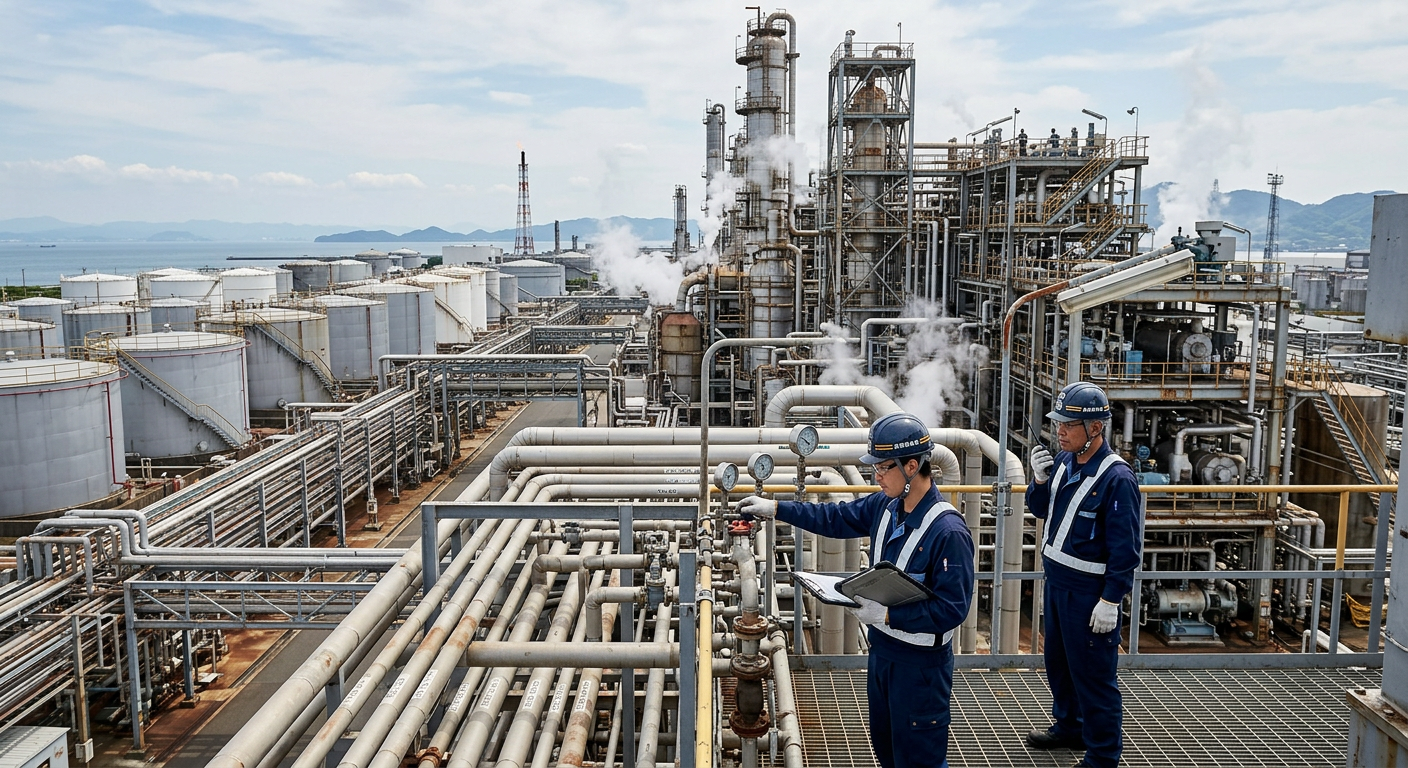
Industry sources indicate that Japanese steam crackers are expected to move toward a moderate recovery in operating rates from June. The improvement is supported by additional crude availability and alternative naphtha supply sources.
US crude arrivals at facilities such as Cosmo Oil’s Chiba refinery, along with North African naphtha alternatives, are helping diversify feedstock options.
This creates a potential Q3 margin recovery window for Asian crackers because:
Feedstock availability is improving.
Crude-related costs are lower compared with previous periods.
Producers may increase output as supply conditions stabilize.
The recovery pace will depend on whether downstream markets can absorb additional production.
How Lower Brent Prices Affect Naphtha Economics
Brent crude prices below $80 have improved the cost environment for petrochemical producers because crude-related expenses represent a major part of variable production costs.
Lower crude costs can support cracker margins by reducing feedstock pressure. However, the full margin calculation depends on the relationship between naphtha costs and product prices.
Producers must evaluate:
Cost of available naphtha supply.
Ethylene and propylene selling prices.
Regional inventory levels.
Downstream customer demand.
If product prices remain weak while output increases, lower feedstock costs may not fully improve profitability.
The Balance Between More Supply and Market Demand
The biggest uncertainty for Q3 2026 is whether demand will absorb additional petrochemical output.
A successful recovery requires both:
Adequate naphtha availability at competitive prices.
Healthy demand from downstream industries.
If demand improves, higher cracker rates could support healthier margins. If demand remains weak, increased production could add pressure to regional inventories.
This creates a careful balancing act for producers and buyers.
Impact on Ethylene, Propylene and Benzene Buyers
Naphtha cracker recovery has direct implications for several chemical markets.
Ethylene buyers may see improved availability as cracker operating rates increase. This could influence polyethylene supply conditions across Asia.
Propylene markets may also benefit from higher production, supporting polypropylene and other downstream applications.
Benzene supply could improve as aromatics output recovers, helping downstream users such as styrene, phenol and cyclohexane producers.
For procurement teams, the connection between naphtha and downstream products makes feedstock monitoring essential.
Procurement Strategy for Naphtha and Derivative Buyers
Buyers should prepare for a market transition where supply improves but pricing direction remains uncertain.
Recommended actions include:
Monitor cracker restart schedules across Japan and Northeast Asia.
Track naphtha price movements alongside crude trends.
Review supplier offers as production rates increase.
Avoid overbuilding inventory before demand recovery becomes clearer.
A flexible purchasing approach can help buyers benefit from improving supply without taking unnecessary price risk.
Risks That Could Delay Naphtha Market Recovery
Although conditions are improving, several risks could slow the recovery.
Key factors include:
Weak downstream demand limiting production economics.
Unexpected refinery or cracker disruptions.
Higher freight costs affecting imported feedstock.
Changes in crude market conditions.
Japan’s reported oil reserve position provides additional supply confidence, but market participants will continue watching actual trade flows and operating rates.
The Bottom Line for Naphtha Procurement Teams
The Q3 2026 period could represent the first meaningful margin recovery opportunity for Asian naphtha crackers since the supply crisis began. Improving feedstock access and lower crude costs create a more favorable operating environment.
However, the recovery depends on demand growth keeping pace with additional supply. Chemical buyers should monitor cracker utilization, downstream consumption and regional inventory trends as the market moves toward a new balance. Ready to source Naphtha and related petrochemical products from verified global suppliers? Explore competitive offers on our platform today.
Acesulfame Potassium (E950)
Found this useful?