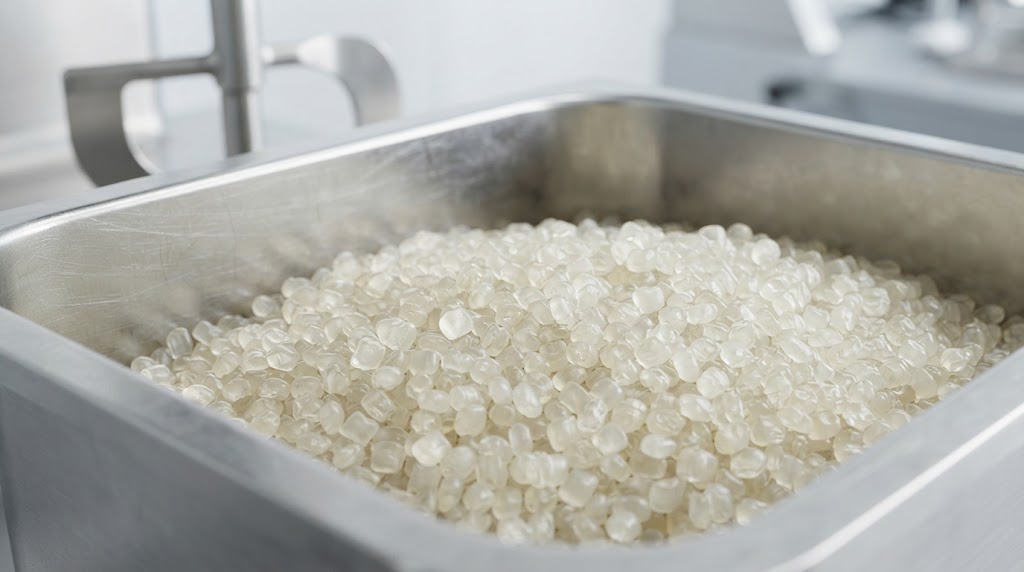
Neste and Lotte Chemical Forge Strategic Alliance for Renewable Polymers
Neste and Lotte Chemical recently announced a major strategic alliance to accelerate the production of renewable polymers. The two industry leaders will collaborate to replace traditional fossil feedstocks with high-quality bio-based alternatives. This partnership marks a significant turning point for the global plastics and chemicals market.
Procurement managers and chemical traders must monitor this development closely. The shift toward circular materials directly impacts global feedstock demand and supply chain dynamics. Industry buyers should prepare for shifting market conditions as this collaboration scales up.
This collaboration bridges the gap between advanced refining capabilities and large-scale polymer manufacturing. Traders will see immediate ripple effects across specialty chemical procurement networks as new supply lines open. Early adoption of these sustainable materials provides a distinct competitive advantage for forward-thinking manufacturers.
The Strategic Shift Toward Renewable Polymers
The chemical industry faces immense pressure to decarbonize its core manufacturing processes. Neste brings extensive expertise in processing renewable raw materials into high-purity chemical precursors. Lotte Chemical contributes deep knowledge in large-scale polymerization and global distribution networks.
This complementary skill set allows the alliance to bypass traditional bottlenecks in green material production. Buyers are actively seeking drop-in solutions that do not require changes to existing manufacturing equipment. The involvement of top-tier producers signals strong institutional confidence in the commercial viability of these bio-based alternatives.
Financial markets reward companies that demonstrate clear pathways to lower carbon emissions. This strategic alignment ensures the partnership will attract the necessary capital for rapid expansion. Global chemical trading desks must adjust their forecasting models to account for this new supply capacity.
Replacing Fossil Feedstocks with Bio-Based Alternatives
Traditional polymer production relies heavily on naphtha and other petroleum-derived inputs. The new partnership focuses on substituting these carbon-intensive molecules with renewable hydrocarbons. This substitution drastically lowers the overall carbon footprint of the final plastic products.
Chemical traders must anticipate heightened competition for these essential bio-based inputs. Facilities producing sustainable plastics will require massive volumes of certified raw materials. Procurement teams must verify the mass balance certification of all incoming feedstocks to ensure regulatory compliance.
The transition away from fossil resources requires a complete reconfiguration of upstream supply chains. Agricultural residues and waste fats will become the primary building blocks for future plastic production. Traders who specialize in these niche organic streams will find significant new revenue opportunities.
The Role of Drop-In Solutions in Manufacturing
Manufacturers demand materials that perform identically to their fossil-based counterparts. Materials produced through this alliance offer exact chemical equivalence to traditional plastics. This drop-in capability eliminates the need for costly retooling of existing injection molding and extrusion lines.
Procurement professionals value this seamless integration because it minimizes operational disruption. Quality control teams can maintain their current testing protocols without introducing new parameters. The ability to switch between fossil and bio-based inputs provides crucial flexibility during supply shortages.
Brand owners can immediately market their products as sustainable without compromising on durability or clarity. This performance parity removes the final barrier to widespread adoption across the packaging and automotive sectors.
Implications for Global Chemical Supply Chains
Scaling sustainable plastic production introduces complex variables for international trade networks. Feedstock availability remains the most significant bottleneck for new commercial facilities globally. Geopolitical factors and agricultural yield fluctuations directly impact raw material pricing.
Lipid-based feedstocks will see sustained demand growth as conversion technologies continue to mature. Suppliers must guarantee consistent fatty acid profiles for optimal reactor performance.
Supply chain resilience becomes a primary selection criterion for modern facility operators. Buyers will favor vendors with multiple geographic production sites, diverse transport options and robust financial backing to prevent disruptions.
Regional sourcing strategies will gain importance to minimize transportation emissions and logistics costs. Localized supply networks directly improve the overall carbon intensity score of the final polymer.
Global shipping routes will adapt to accommodate the movement of these specialized bio-based precursors. Port terminals will invest in dedicated storage infrastructure to handle the unique characteristics of organic chemicals.
Navigating the Mass Balance Approach
The mass balance accounting method allows producers to mix renewable and fossil feedstocks in existing infrastructure. This approach provides a practical bridge toward fully circular chemical production. Independent auditors track the exact volume of bio-based inputs entering the system.
Procurement managers must understand how mass balance credits translate to final product claims. The allocation of these environmental attributes requires strict adherence to recognized certification standards. Chemical traders will increasingly buy and sell these sustainability credits alongside the physical molecules.
This financialization of carbon attributes creates a secondary market for green premiums. Buyers must carefully evaluate the integrity of the certification schemes backing their purchased materials.
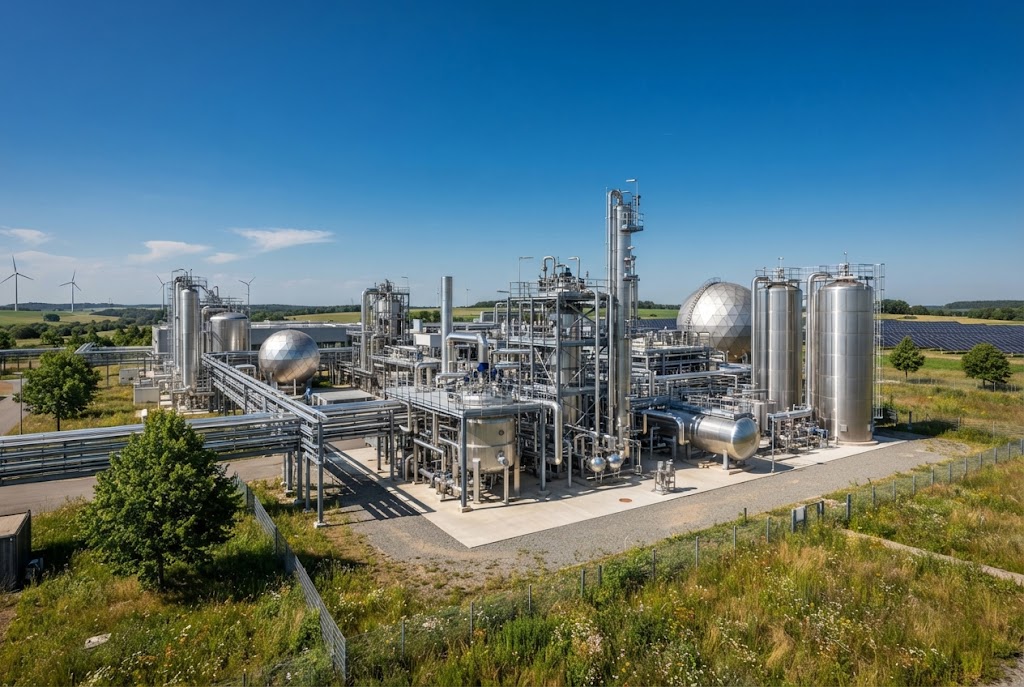
Key Drivers Accelerating Bio-Based Polymer Demand
Brand owners across the packaging and automotive sectors face strict sustainability mandates. These corporate targets require a rapid transition away from virgin fossil-based plastics. Sustainable materials offer a direct pathway to meet these aggressive environmental goals without sacrificing material performance.
Government incentives further de-risk the capital expenditure required for advanced bio-based facilities. Extended producer responsibility laws force manufacturers to take accountability for the end-of-life impact of their products. This regulatory pressure ensures a robust long-term market for circular chemical solutions.
Consumer preference continues to shift heavily toward environmentally responsible brands. Companies that fail to integrate sustainable materials risk losing significant market share to more agile competitors.
Sourcing Challenges for Procurement Managers
Securing reliable volumes of renewable chemical precursors requires a proactive procurement strategy. The current global supply of certified bio-based feedstocks cannot yet meet the projected industry demand. Chemical traders must develop diversified supplier networks to mitigate these operational risks.
Price volatility remains a constant factor requiring sophisticated hedging strategies from buyers. Long-term contracts with flexible volume clauses will become standard practice in this emerging market. Storage infrastructure for bio-based materials also requires specific temperature and contamination controls to maintain purity.
Logistics providers are simultaneously upgrading their fleets to handle specialized organic chemical blends. This infrastructure investment further validates the long-term market trajectory for green plastics.
Regulatory Pressures and Compliance Requirements
New sustainable plastic plants must navigate a dense web of environmental and safety regulations. Certification schemes require rigorous documentation of feedstock origin and processing methods. Regulators will mandate continuous auditing to maintain the environmental credentials of the final product.
Traceability platforms are becoming mandatory for verifying the carbon intensity of each production batch. Failure to maintain accurate records can result in severe financial penalties and loss of market access. Engineering and production teams must align their operational protocols with these strict international standards.
Cross-border trade of these materials will require harmonized customs classifications and environmental declarations. Procurement teams must stay ahead of these evolving trade compliance frameworks.
Market Outlook for 2027 and Beyond
The global sustainable plastic market is transitioning from pilot operations to commercial scale. Industry analysts project a massive increase in global bio-based production capacity by the end of the decade. This expansion will fundamentally alter traditional petrochemical supply chains across multiple continents.
Chemical traders must adapt to a market where organic feedstocks command premium pricing. Early movers who secure reliable supply agreements will dominate the future circular economy landscape. Technological breakthroughs in chemical recycling pathways will eventually complement bio-based production methods.
The convergence of biological and mechanical recycling will create a fully closed-loop system for plastics. Buyers should monitor both pathways to ensure a diversified future procurement strategy.
What Procurement Teams Need to Do Now
The strategic alliance between Neste and Lotte Chemical serves as a clear market signal for the entire industry. Sustainable plastic capacity is expanding rapidly to meet aggressive global decarbonization mandates. Chemical traders and procurement managers must adapt their sourcing strategies accordingly.
Securing reliable bio-based feedstock suppliers early provides a distinct competitive advantage in this tightening market. Companies should evaluate their current vendor portfolios for alignment with emerging green chemistry standards. Proactive engagement with production teams will yield better long-term supply outcomes.
Ready to source renewable polymers from verified global suppliers? Explore competitive offers on our platform today.
Source:
https://chemxplore.com/news/neste-lotte-renewable-polymers-partnership
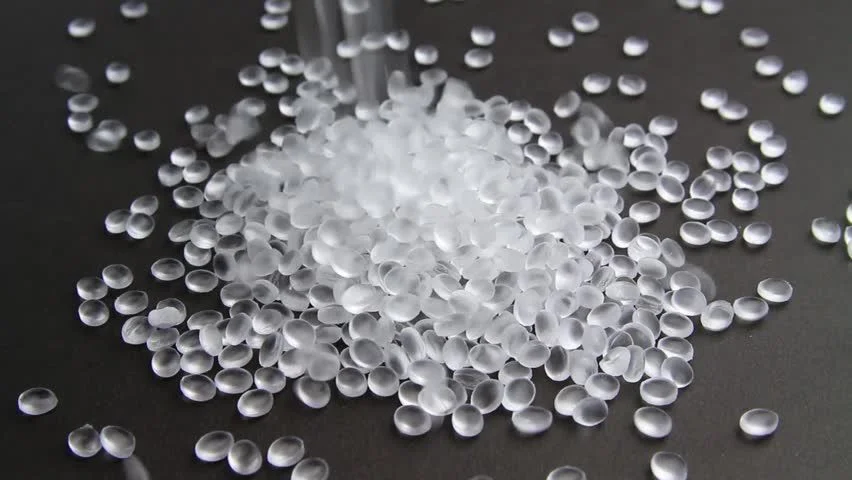
Polyethylene Terephthalate (PET)
Found this useful?