New Yeast Strain Technology Separates Bio-Acetone From Ethanol Coproduction
New Yeast Strain Technology Separates Bio-Acetone From Ethanol Coproduction
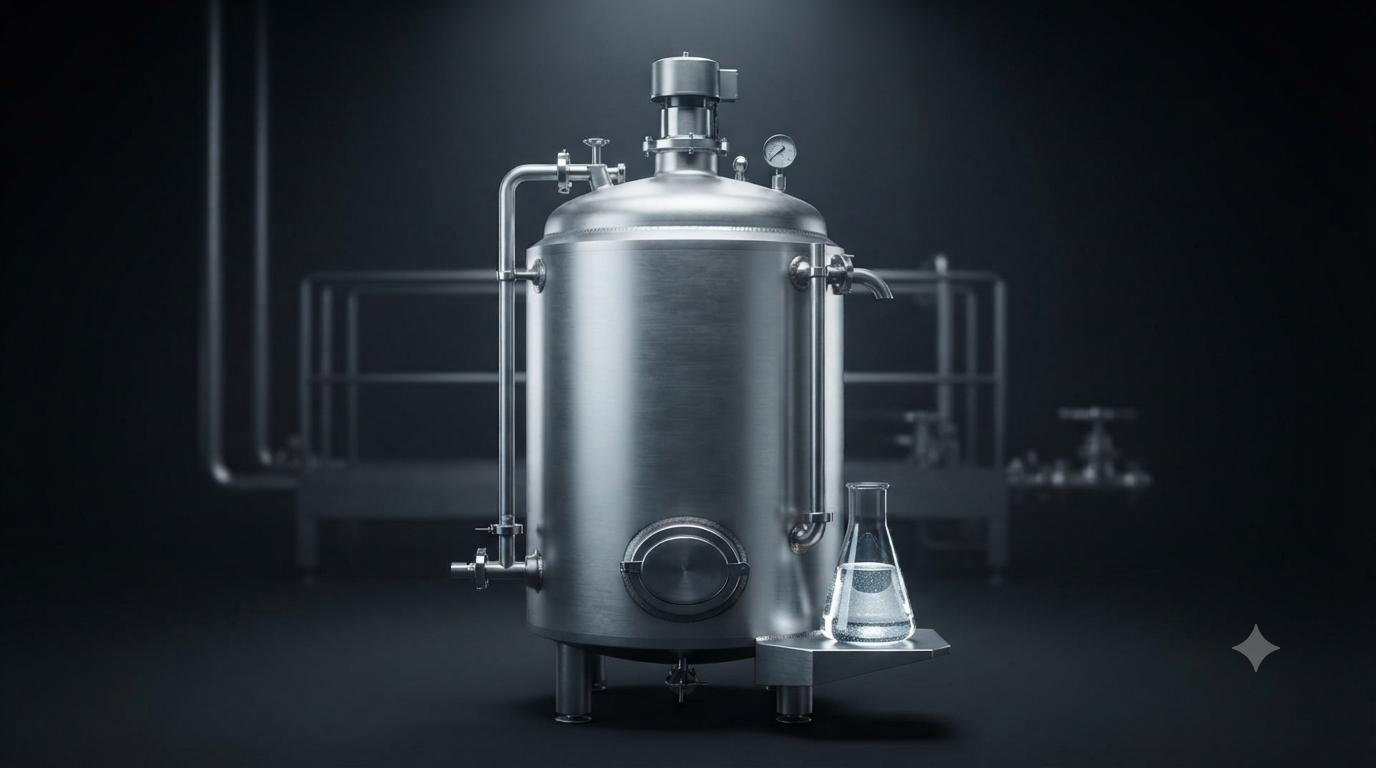
Corn ethanol plants may soon become a meaningful new source of renewable acetone. A newly commercialised platform pairs an engineered yeast strain with a bolt-on separation technology, allowing producers to generate clean bio-acetone alongside their existing ethanol output from a single corn-based fermentation process. For buyers watching the renewable solvent space, this is a genuinely new supply route rather than an incremental improvement on existing methods.
How the Coproduction Platform Works
The technology combines two distinct pieces of engineering. The first is a modified yeast strain that enables bio-acetone formation during fermentation without disrupting the ethanol yield the plant is already built to produce. The second is a separation process that cleanly pulls the bio-acetone away from the ethanol stream once fermentation is complete.
This combination matters because it avoids the tradeoff that has historically made coproduction difficult in ethanol facilities. Producers can add a new output stream without redesigning their core fermentation process or sacrificing the volume and consistency of their primary ethanol product.
The platform followed roughly five years of collaborative development before becoming available to the broader ethanol industry. That extended validation period suggests the technology has been tested across a range of operating conditions rather than rushed to market on early-stage results.
Why Acetone Is a Meaningful Target Market
Acetone is not a niche chemical. Global demand for acetone runs above 8 million tonnes per year, spanning applications from solvents and coatings to pharmaceutical intermediates and specialty manufacturing. That scale is part of what makes a renewable production route significant rather than experimental.
Several factors make ethanol facilities a logical place to introduce bio-acetone production:
Existing infrastructure lowers the barrier to entry, since producers are adding a coproduct stream to plants that are already running rather than building new fermentation capacity from scratch.
Feedstock economics stay familiar, as the process still relies on the same corn-based fermentation inputs ethanol producers already source and manage.
A guaranteed demand channel reduces commercial risk, with the technology partner responsible for bio-acetone sales and market development rather than leaving producers to find buyers independently.

What This Means for Renewable Solvent Buyers
For buyers sourcing acetone or acetone-adjacent solvents, a new bio-based supply route changes the sourcing conversation in a few practical ways. Renewable acetone gives formulators in coatings, personal care and specialty chemical segments a lower-carbon alternative without requiring a change in the underlying chemistry of the finished product.
Buyers evaluating this development should keep a few points in mind:
Supply volumes will scale gradually, since coproduction depends on how many ethanol plants adopt the technology and how quickly they bring new capacity online.
Quality consistency is a key question to raise with any supplier, given that this is a newly commercialised separation process rather than an established production method.
Sustainability documentation may carry added value, particularly for buyers whose customers are asking for verified renewable content in solvent-based products.
The Bigger Picture for Fermentation-Based Chemistry
This coproduction model reflects a broader trend in industrial biotechnology, where engineered microorganisms are being used to unlock additional value from existing fermentation infrastructure. Rather than building entirely new bio-based production facilities, technology developers are increasingly focused on modifying what is already running at scale.
Bio-acetone coproduction fits neatly into this pattern. Corn ethanol facilities represent a large, mature production base across the United States, and any technology capable of adding a second commercial output to that base has the potential for meaningful volume once adoption spreads beyond early movers.
Whether this translates into significant near-term supply for buyers will depend on how quickly ethanol producers move to license and install the separation technology. Early signals suggest the collaboration behind the platform is positioning for a broad rollout across the U.S. ethanol industry rather than a limited pilot program.
What Buyers Should Watch Next
The most useful next step for procurement teams is tracking which ethanol producers begin adopting the coproduction platform and how quickly commercial volumes of bio-acetone reach the market. Early conversations with the technology developers responsible for sales and market development may offer visibility into pricing and availability before broader supply materialises.
For buyers already sourcing conventional or bio-based acetone and related solvents, this development is worth flagging internally now, even if near-term purchasing decisions do not change immediately. A new production pathway at this scale rarely stays a niche option for long once the first wave of producers proves the model works.
Ready to source renewable solvents from verified global suppliers? Explore competitive offers on our platform today.

Ethyl Acetate
Found this useful?